The Market
Why Tucson is One of the World's Premier STR Markets
Cavmir is an Airbnb marketing agency. We build the brand, the direct-booking website and the marketing for short-term rentals in Tucson.
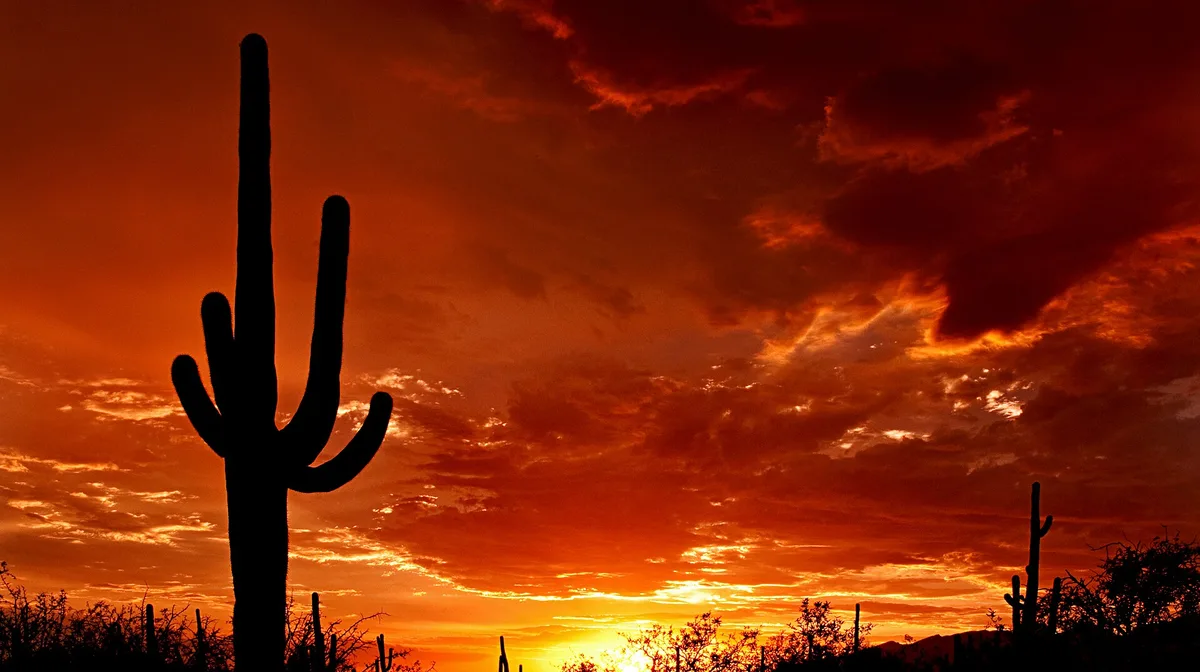
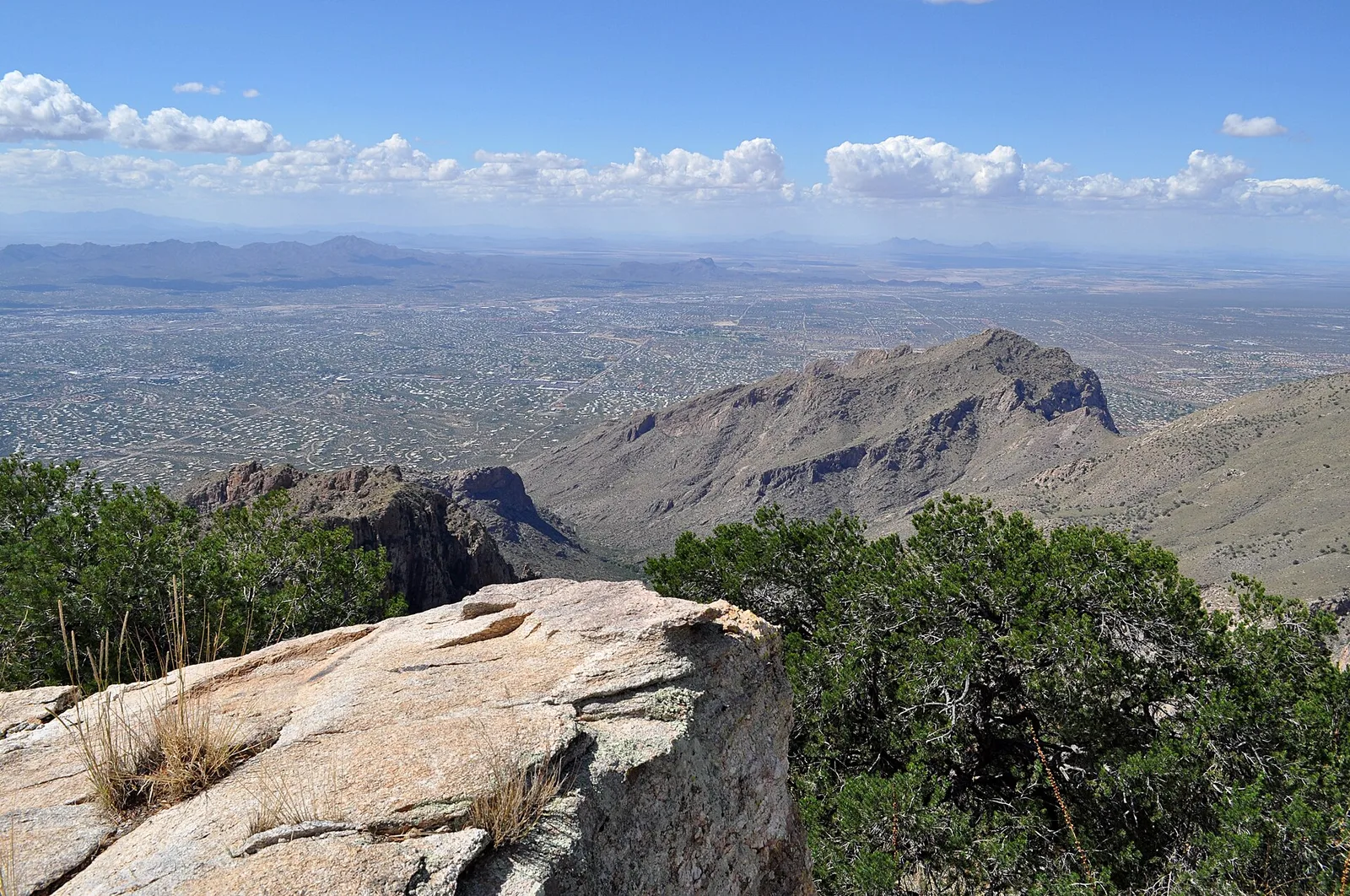
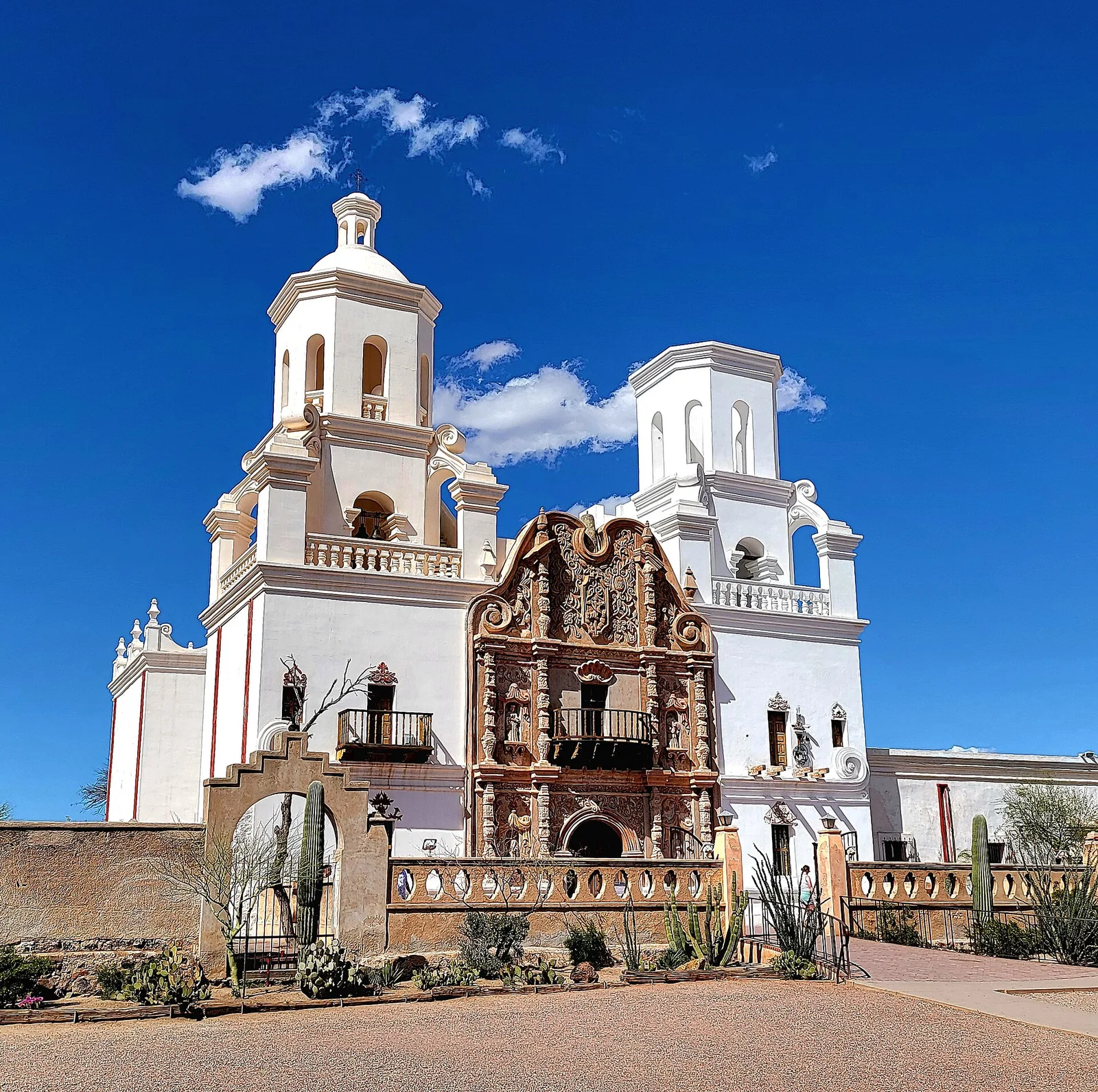
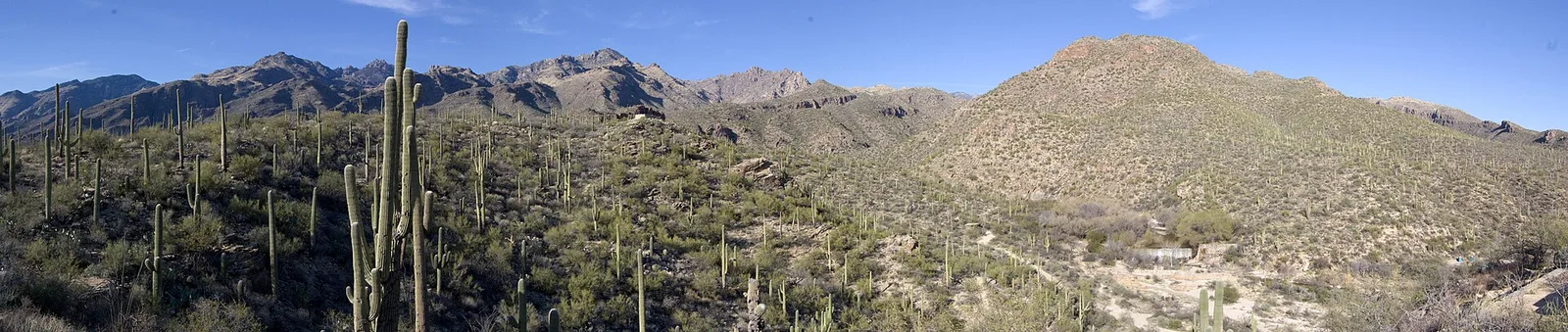
Tucson has been continuously inhabited for over four thousand years, which makes it one of the oldest agricultural settlements in North America — and one of the youngest big short-term-rental markets in the Southwest, because Arizona's 2016 preemption law made this a state where cities cannot ban the trade. What Tucson offers instead of scarcity is a calendar. Every winter the city hosts the largest gem and mineral event on Earth — dozens of independent shows, thousands of vendors, buyers from every continent filling two weeks from late January into mid-February — then rolls straight into La Fiesta de los Vaqueros, the century-old rodeo for which Tucson remains the only American city that closes its schools. November brings El Tour de Tucson's thousands of cyclists, the snowbird migration runs the whole cool season, and the University of Arizona layers graduation and parents' weekends on top. The regulatory ask is light — a city business license, a state TPT license, an emergency contact under the 2022 state framework — but the tax math just changed: in March 2026 the city raised its tax on short-term rentals to 10%, pushing the total stack past 16%, a number owners now have to price for rather than absorb. Around it all sits the landscape that fills the photos: saguaro forests on both flanks of the city, the White Dove of the Desert glowing south of town, and Mount Lemmon rising from cactus to pine in an hour's drive.
Tucson is a winter market with event spikes and a summer to manage. The season runs October through April: snowbirds taking monthly stays in the foothills and casitas near downtown, hikers and golfers through the cool months, and the twin February engines — the gem showcase's two-week citywide surge, the strongest lodging window of the year, and rodeo week right behind it. November adds El Tour's cycling weekend and the All Souls Procession; May brings university graduation. Summer is the trough — June heat past 100 degrees, monsoon afternoons — softened by value travelers, medical stays and monthly bookings. Blended nightly rates run around $175 with occupancy in the low 50s across one of the Southwest's largest listing pools, several thousand active rentals — accessible numbers that reward operators who work the spread: a well-marketed casita earns multiples of its January baseline during gem-show weeks, and the difference is pure calendar discipline. Entry prices remain among the friendliest of any major Sun Belt metro, which keeps the yield math attractive even after the 2026 tax change — for the owners who reprice honestly and sell the winter the way Tucson actually lives it.
Top Attractions & Landmarks
- Saguaro National Park
- Mission San Xavier del Bac
- Arizona-Sonora Desert Museum
- Sabino Canyon Recreation Area
- Mount Lemmon Scenic Byway
- Historic Fourth Avenue
- Pima Air & Space Museum
Nearby Markets: Scottsdale | Phoenix | Sedona