Market-Specific Tips & Challenges
Local Tips & Unique Market Challenges
Tips That Actually Move Revenue in Detroit Lakes
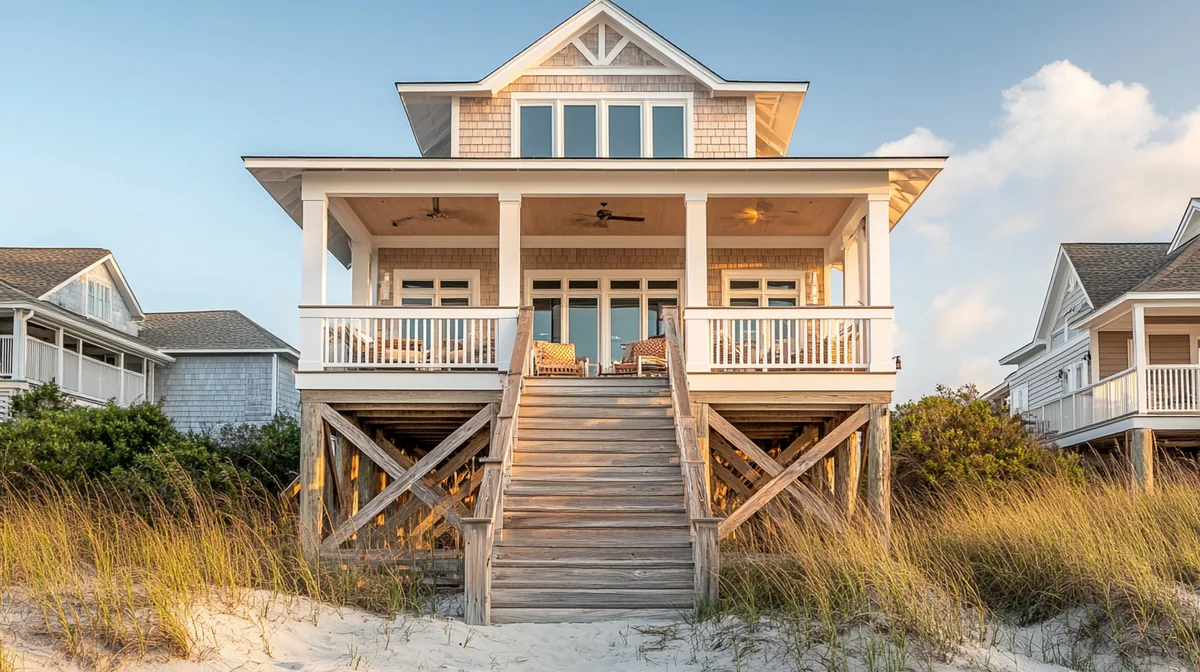
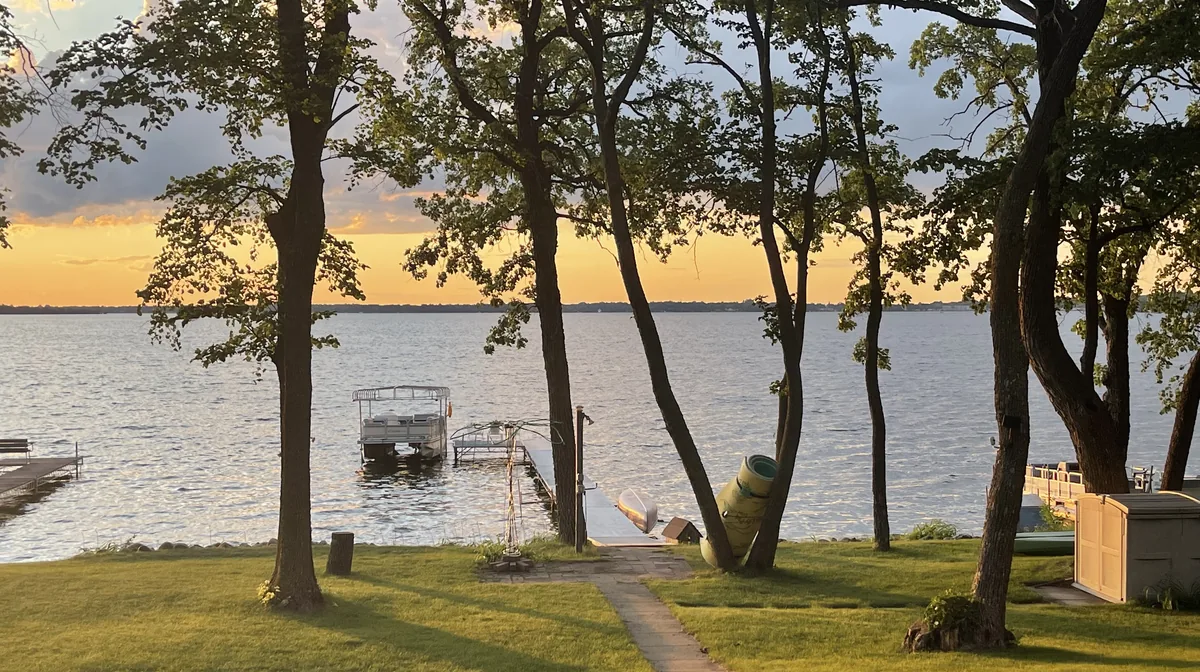
First, sell the summer week as its own product. The families who fill July here, led by the Twin Cities in AirROI's count, travel as one household or two, book about four months out and stay close to a week, and they shop on a short list of questions: which lake, how much shoreline, the dock and the water depth off the end of it, whether the bottom is sandy enough for small children, whether a boat lift or watercraft come with the house, and how many beds are in real bedrooms. Answer those in the first lines of the listing and the first ten photos: the view from the end of the dock, the shoreline, the deck at sunset, the bunk room, and only then the kitchen. The average listing here shows about 13 photos, too few to explain a lake home, and only 49 percent show their exact location, so a listing that names its lake and shows it clearly stands out. Use a weekly minimum and a Saturday or Sunday changeover for July and August, and offer every summer family first refusal on next year's week by early fall, months before July bookings open up in earnest.
Second, describe the water and the rules exactly. On the county lakes, name the lake and the shore, say what swimming is like off your dock, and spell out what guests can bring: a boat to launch, paddleboards from the rack, a pontoon from a local rental. Give them the lake manners before they come, from quiet evenings to the Pelican River Watershed District's message on aquatic invasive species, which comes down to prevention. Inside the city, give the walking time to City Beach and Washington Avenue and be exact about the guest limit, because the license caps a three-bedroom house at six people and every house at ten, and a camper in the driveway can't add beds. Show the parking, which the license ties to the bedroom count, and write the no-events rule into the listing so nobody books your house for a graduation party.
Third, have the winter product ready before the first snow. From November through April, AirROI's Detroit Lakes listings ran about 24 to 33 percent occupancy at roughly $333 to $343 a night in 2025-26, and the guests who come want other things: an entry where wet boots and ski gear can dry, a fireplace that lights without a manual, a hot tub or sauna if you have one, the drive to Detroit Mountain's lifts and tubing park, and the Tamarac refuge's free snowshoe rentals on February Sundays. Guests who want to fish through the ice need the nearest public access and current ice conditions from a reliable local source, never a promise from your listing. Offer a weekday rate and a two-night package for Fargo-Moorhead couples, price the December holiday weeks separately, and leave winter dates bookable to the last minute, since January and February guests commit only three to five weeks out.
Fourth, plan the family's second visit before the first one ends, and treat the running of the house as marketing too. The family that comes back for its July week year after year is worth more here than any other guest, which is why owning the booking route pays: a fast-loading direct-booking website, search work aimed at your lake's name, a list of every past guest who agreed to hear from you, and an email to that list announcing next summer's dates before they go public anywhere else. The bar is high, 4.87 stars on average, 54 percent of listings with the Guest Favorite badge and 40 percent run by Superhosts, while only 37 percent use Instant Book, so a host who books instantly and answers fast has an edge. Operations are part of the pitch: inside the city the law requires a manager within 30 miles and a written guest disclosure, and on the county lakes a local contact who can handle a dock problem in July or a furnace on a January night protects the reviews. Make check-in work after a Friday drive from the Twin Cities in the dark, and make the welcome book useful: the beach, the ski hill, the Water Carnival schedule, the closest grocery.
Unique Detroit Lakes Challenges
The city's rules shape what you can buy and what you can sell. A license can't be transferred and ends when the house is sold, so a buyer can't lean on the seller's license; the city issues no more than 100; and no application moves until the unit passes its rental inspection and the owner registers for the lodging tax. The two-per-bedroom limit, topping out at ten, puts a ceiling on what a big house inside the city can earn, and the parking rule can disqualify a narrow lot before you begin. Outside the city the questions move to the county and the lake, where zoning, septic and shoreland rules can limit how many people a property hosts and what you're allowed to build. Before you buy, ask the city whether a license is likely to be available and what the inspection checks, or ask Becker County what the parcel allows, and model the income at the guest count the rules will actually allow.
The climate needs a plan of its own. Summer earns most of the year, and from October through April the average listing here took in about $1,800 to $3,300 a month in 2025-26 while still carrying a full year of heat, snow removal, insurance and taxes. A northwest Minnesota winter means frozen pipes if a furnace quits in an empty house, a driveway to clear before every arrival, and docks and lifts to pull in each fall and set again each spring. Owners who live in the Twin Cities or farther off face another risk: a house managed from hours away slowly goes stale, with July photos in January, slow replies and a winter calendar nobody touches. A dependable local operations partner and marketing that stays current fix most of that. In town, the Pavilion and park work runs until winter 2027/2028, so tell guests who book near City Park what's open.
The competition is small but growing fast, and it's capable. AirROI's listing count rose 27 percent in a year while average revenue rose 10.5 percent, so new homes are splitting the same summer, and the market's top quarter makes $5,640 or more in a typical month against $1,830 or less for the bottom quarter. About 17 percent of listings are professionally managed and 27 percent co-hosted, and the area's resorts, hotels and campgrounds, including WE Fest's own camping, sell summer too. A house wins the family by offering what a block of rooms or a campsite can't, the whole group under one roof, a private piece of shoreline and a kitchen for a week of meals, and by saying it plainly, with the lake in the first photo and a price set for the week.