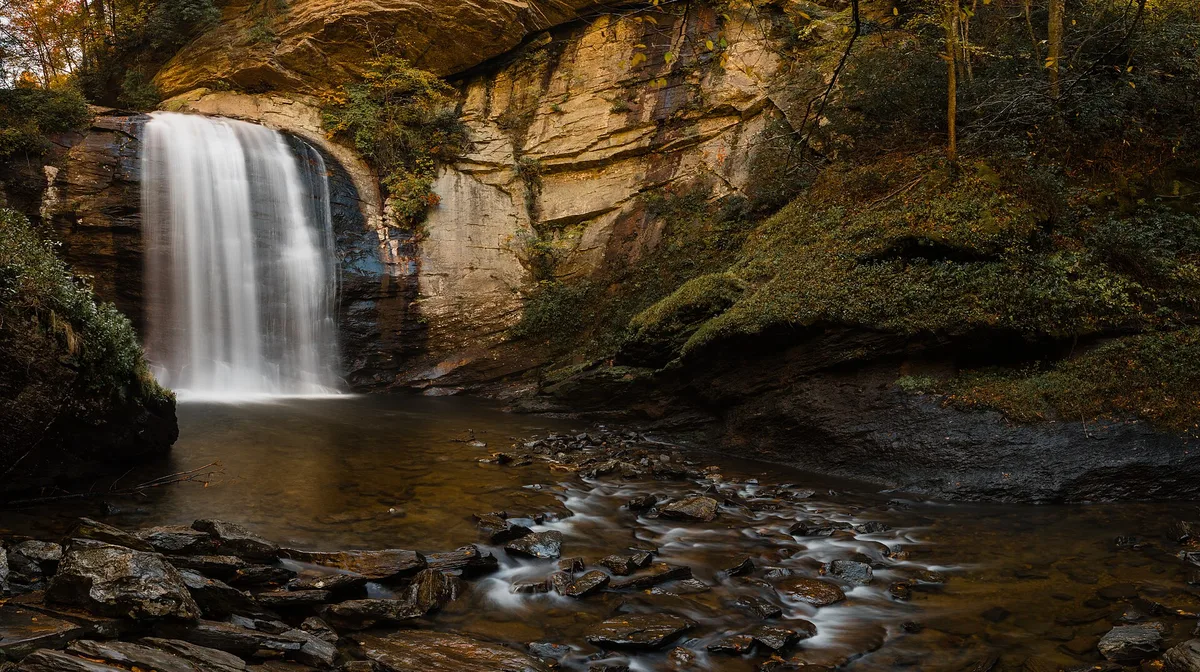
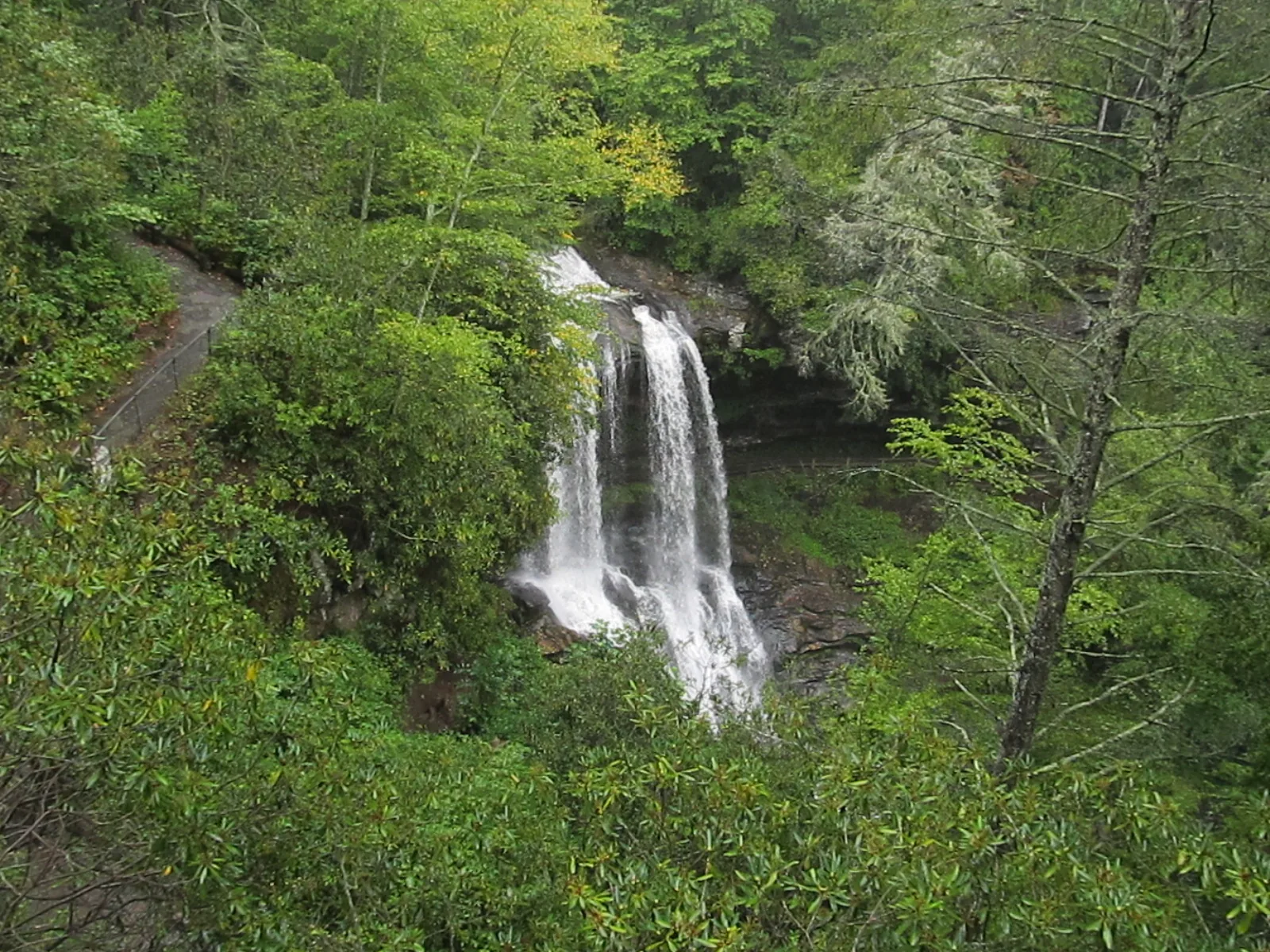
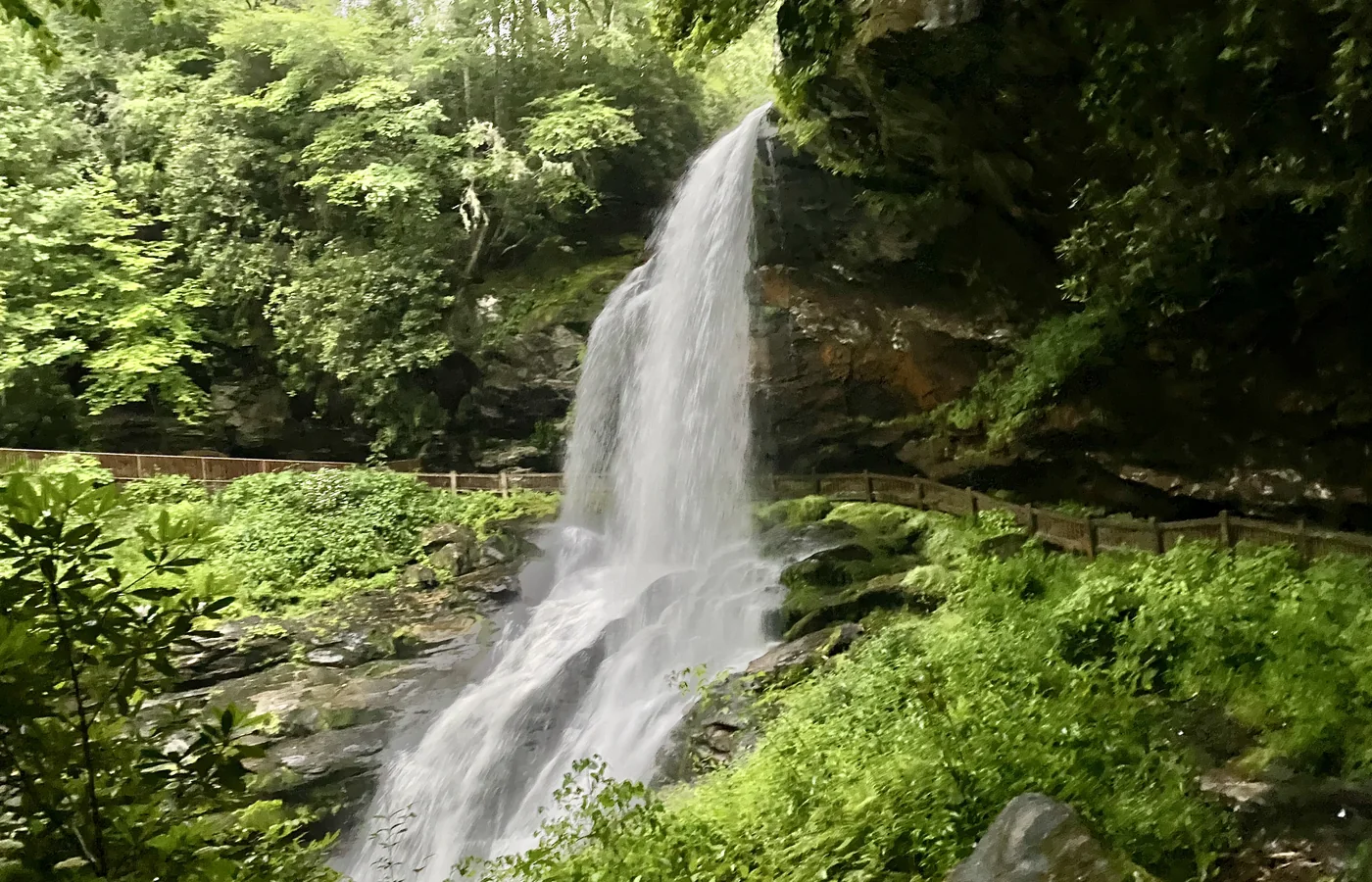
Dry Falls before the buses
Send guests down the Cullasaja Gorge early — you walk behind the waterfall, the spray catches the morning light, and the lot is empty before nine. The plateau's signature photo, earned with an alarm clock.
Expert short-term rental marketing for the Highlands–Cashiers plateau — mountain estates, golf cottages and waterfall-country cabins at 4,000 feet.
Sixteen services, one team. Everything below is built in-house and scoped to your property and market. Most owners start with the 12-Step System.
Every engagement is quoted to your portfolio. These are the ready-made scopes owners pick most — Summer Promo pricing shown, discount already applied. A clear proposal within 48 hours.
The work is public. Selected engagements and what changed — and reviews from the owners and managers behind them.
* Market averages. Properties marketed by Cavmir typically exceed these figures by 25–45%. Data sourced from AirDNA, STR market reports, and Cavmir internal analytics.
Highlands sits at 4,118 feet — one of the highest incorporated towns east of the Mississippi — on a plateau where the summer air runs fifteen degrees cooler than Atlanta and the streets are lined with the kind of shops and restaurants that follow money rather than tourists. Ten miles east, Cashiers gathers around its crossroads and Village Green with an even quieter version of the same proposition. Together they form the Southeast's most understated luxury market: a place wealthy Southern families have summered for over a century, now layered with a short-term rental economy that serves the same demographic when the family house is full or the club cottage is spoken for. If you own a rental here, your guest is affluent, loyal and specific — and generic mountain-cabin marketing wastes the asset.
The plateau is a collection of micro-markets that behave differently. In-town Highlands — walkable to Main Street, Old Edwards and the restaurants — commands a premium and books couples and small groups who want to stroll to dinner. The estate roads off Highway 64 and around Whiteside Mountain carry large family homes with long views, where multigenerational groups gather for a week. Cashiers pulls the Lake Glenville crowd — one of the highest-elevation lakes in the East, with boat days and mountain views — plus the golf families orbiting the plateau's famously private clubs. Sapphire and Glenville extend the value tier. A listing that names its micro-market and its use-case outperforms 'mountain getaway near Highlands' in every season.
What makes the plateau unusual is who the guest is. This is Atlanta's summer capital — the historic escape of the Southern establishment, joined now by Florida families fleeing heat and humidity for cool July evenings and Charlotte and Nashville money discovering what Atlanta always knew. They book early, return annually, spend seriously in town and treat a good rental like a club they have joined. Reaching them is not a volume game; it is a precision game — search visibility on the exact plateau terms, photography that captures the specific cool-air, long-view, green-light world they are buying, and a direct channel that lets them rebook the same August week for years.
Access explains the economics. The plateau is a two-and-a-half-hour drive from Atlanta, under an hour from Asheville's airport and within weekend range of Charlotte, Greenville, Knoxville and Chattanooga — a drive-market of enormous affluence with no flight required. That makes demand resilient and impulse-friendly: when a July heat wave hits Atlanta, plateau bookings spike within days. Marketing that stays visible year-round to that drive market, rather than waking up in June, captures the early planners and the heat refugees alike.
Cavmir markets plateau rentals as the small luxury brands they are — not as interchangeable cabins in a mountain-town feed. We position your home in front of the exact traveler who books Highlands and Cashiers: the Atlanta family planning their August week in February, the Florida couple fleeing the heat, the repeat guest who wants their view held — wherever they search.
Highlands was founded in 1875 by two developers who drew lines on a map from Chicago to Savannah and New York to New Orleans and planted a town where they crossed, betting the intersection would become a great trading center. It became something better: a climate resort. By the early twentieth century, wealthy families from Atlanta, New Orleans and the Lowcountry were making the long journey up the Cullasaja Gorge to escape summer heat, and the pattern set then — Southern establishment money summering at elevation — still defines the market a hundred and fifty years later.
Cashiers grew in parallel around High Hampton, the historic Hampton family retreat that became an inn and, in recent years, a comprehensively restored resort with a redesigned golf course. The second half of the twentieth century added the plateau's extraordinary constellation of private clubs — golf communities routinely ranked among the nation's best — which pulled in a membership demographic whose visiting children, wedding guests and overflow friends became the seed of the modern rental market. When the clubs are full, the plateau rents.
The short-term rental economy professionalized late and fast. Until the 2010s the market was dominated by long-standing local agencies renting the same houses to the same families by phone and habit. The platform era opened the plateau to a wider audience — Florida heat refugees, remote workers discovering 70-degree Julys, leaf-season travelers — and the pandemic years supercharged it, as drive-to mountain markets across the Southeast absorbed a wave of demand and new owners. Prices for plateau homes rose sharply, and the rental pool grew more competitive and more professional simultaneously.
Today the market is high-rate, deeply seasonal and relationship-driven. The best houses earn most of their year between Memorial Day and Thanksgiving; the guest base is unusually loyal; and the marketing sophistication of the average listing still lags the asset quality badly — dim photos of extraordinary views, titles that say 'cozy cabin' about a two-million-dollar house, no direct channel at all. On a plateau where the same families return every year, that gap is the whole opportunity.
Plateau pricing tiers by micro-market and view before bedroom count. Walkable in-town Highlands homes and cottages command a premium per square foot; big-view estate homes off the ridge roads anchor the top tier, with peak-summer and October weeks at the best houses clearing several thousand a night; Lake Glenville waterfront prices on dock access and sunset orientation; Sapphire and Glenville offer the value tier that wins families comparison-shopping the plateau. State the view, the elevation and the drive time to Main Street precisely — they are the price justifiers.
The calendar has two peaks. Summer — June through August — is the historic heart: cool air, full town, Saturday turnovers, weeks booked by loyal repeaters months ahead. October is the second and often higher peak, when leaf season fills every house on the plateau at rates that can exceed July's; the color window is short, predictable and chronically underpriced by owners who treat fall as shoulder. Between them, September is a quiet premium month for couples, and May shoulder weeks convert well with honest 'spring on the plateau' positioning.
Winter is the honesty test. The plateau quiets from January through March — some restaurants shorten hours, some houses winterize — but the fireplace-and-fog product is real for couples and remote workers, and monthly winter stays at reduced rates beat dark houses. Owners who photograph and price for winter deliberately, rather than leaving summer photos and summer rates up, are the ones who fill it.
High seasonality with two peaks: June–August (families, heat refugees) and October (leaf season, the plateau's highest single month at many houses). September is a quiet premium window; May converts with spring positioning; January–March is the soft season, best addressed with monthly stays and fireplace-season marketing.
The revenue most owners miss sits in October pricing and September couples. Leaf-season demand is a near-certainty every year yet many houses run July rates through the color window; and September — warm days, cool nights, empty roads — is under-marketed to the couples market entirely. Getting visible for both before Labor Day captures money the plateau's casual operators never see.
Regulation on the plateau is a tale of jurisdictions. The Town of Highlands has actively wrestled with short-term rentals — zoning limits in residential districts have been debated, litigated and revised in recent years, and where the lines sit matters enormously to what a given house may do. Outside town limits, Macon County (Highlands side) and Jackson County (Cashiers side) are lighter-touch, with Cashiers itself unincorporated. The same house a mile inside or outside a boundary can face genuinely different rules, so verify the parcel's jurisdiction before anything else.
The tax stack is straightforward North Carolina: state sales tax plus county occupancy tax on short stays, collected partly by platforms depending on configuration, with owners responsible for registration and any remainder. Homeowner associations and gated communities add the private layer — several plateau communities restrict or prohibit rentals outright, and club communities have their own guest rules — so covenant review belongs in every purchase decision.
None of this is prohibitive for a properly sited house, but the Highlands zoning story in particular is still evolving. Treat this section as orientation rather than legal advice: confirm the parcel's current status with the town or county planning office and a local attorney before you list. Cavmir handles the marketing; compliance sits with you and your local professionals.
First, photograph the temperature. The plateau's product is 70-degree July air, fog lifting off the ridges at dawn, sweaters on an August evening — and almost every listing shows dim interiors instead. Morning fog from the deck, long views in afternoon light, the firepit at dusk: that is what an Atlanta family is buying in February, and the listing that shows it wins the booking before the others load.
Second, name the drive times honestly and precisely. Plateau roads are mountain roads; 'minutes from Highlands' covering a 25-minute drive on switchbacks earns bad reviews from guests who planned to walk to dinner. State the minutes to Main Street, to the Cashiers crossroads, to Lake Glenville's docks — precision converts the right guest and repels the wrong one, which is what protects the review base.
Third, build for the week and the return. Plateau guests settle in: a serious kitchen, a stocked game shelf, firewood that is actually dry, a hot tub or firepit with a view, and a welcome book that reads like resident knowledge — which waterfall to hit before the tour buses, which market makes the picnic. Then engineer the rebook: the same families return every summer and every October, and a past-guest list with first refusal on their week beats any acquisition campaign the platforms can sell you.
Fourth, court the events layer. The plateau runs on weddings, club member-guest weeks, festivals and holiday gatherings that fill large homes with overflow guests — often booked by a planner, not a platform search. A house with an advisor-ready media kit, accurate sleeping charts and fast responses gets on the short lists that fill those weekends at premium rates.
The plateau's challenges are operational before they are commercial. Mountain access roads test guests in rain and the occasional ice; winter weather can close steep drives entirely; and cell coverage remains genuinely patchy in the coves — so accurate arrival instructions, all-wheel-drive guidance and reliable Wi-Fi are review-protection, not amenities. Septic and well systems limit occupancy in ways city owners underestimate, and overloading them is the fastest route to a five-figure problem.
Seasonality concentrates risk. Many houses earn most of their year in five months, which makes each peak week precious — a lost July Saturday or a mispriced October is not recoverable in February. That argues for professional revenue management, vendor redundancy for turnovers in a market with a thin labor pool, and a deliberate winter product rather than a dark house.
And the market's gentility hides its competitiveness. The plateau's inventory has professionalized quickly — new owners arrived with capital, local agencies raised their game, and the loyal guest base means the best houses lock in their families years ahead. A casually marketed house does not merely underperform here; it slowly loses its repeat base to the house down the ridge that treats presentation seriously. The moat is brand plus loyalty, and both are built deliberately.
Mountain-home coverage is standard homeowner/landlord product plus the plateau's specifics: wildfire scoring affects some ridge parcels, slope and access can raise rebuild costs, and short-term rental use must be disclosed and endorsed. Wood construction, remote access and hot tubs all touch premiums. A regional broker who knows the plateau beats a national call center on both price and claims.
North Carolina levies state sales tax and county occupancy tax on short stays — platforms collect part depending on setup; owners register and remit the rest. Out-of-state owners file NC nonresident returns on rental income, and property-tax assessments have moved sharply upward with plateau values. Coordinate with a North Carolina accountant on the full stack.
Second-home and investment financing is conventional but jumbo-heavy at plateau price points, and lenders discount deeply seasonal revenue projections. Model debt service on the five strong months honestly rather than a flat annual average, and stress-test the carry through a quiet winter.
The plateau's trajectory is steady appreciation on constrained supply. Buildable land at elevation is genuinely scarce, the towns guard their character, and the wealth demographics of the Southeast — Atlanta, Charlotte, Nashville, Florida — keep compounding in the plateau's favor. Climate is the quiet tailwind: every hotter Southern summer makes 4,118 feet more valuable, and the plateau is the closest serious elevation to the region's biggest money.
Watch the regulatory line and the labor pool. Highlands' zoning debates will continue to define what in-town houses may do, and the plateau's operational labor — cleaners, maintenance, caretakers — is thin and expensive, which favors owners who lock in reliable teams and treat them well. On the demand side, the leaf-season and heat-refugee windows are strengthening structurally, and the winter remote-work product is slowly turning the plateau toward a longer year.
The discovery shift matters here too. The plateau's guest increasingly asks an AI assistant or a direct search for 'where to stay in Highlands NC' rather than scrolling a platform, and houses that publish clear, structured, genuinely local information — real micro-market detail, honest drive times, seasonal truth — surface in those answers. Most plateau listings still market the old way; the ones that position for the new way first will own the demographic that adopts it first, and this demographic is exactly that.
The plateau is the rare market where the product is air. Seventy degrees in July, fog in the hemlocks at dawn, a sweater at the firepit in August — you cannot photograph a temperature, but you can photograph everything it does, and when a listing captures that world the right guest recognizes it instantly. This is marketing at its most honest: the place sells itself to the person it was always for, and our job is to make the introduction.
What I love about working here is the loyalty. Plateau families return like migratory birds — same week, same house, same table at the same restaurant — and a house that earns a family keeps it for a decade. The lifetime value of one August family is worth more than a season of strangers, and the marketing that wins it is not louder advertising but better memory: the rebooking note in January, the welcome book that knows which waterfall to visit before nine, the photograph of the view they thought about all winter.
And the raw material is absurdly good. Waterfalls you can walk behind, cliffs that hold the evening light, a lake at three thousand feet, two towns that punch far above their size at the table — the stories write themselves when the marketing simply tells the truth well. The plateau does not need invention. It needs noticing, and that is the best kind of work there is.
The picks Cavmir puts in a Highlands–Cashiers welcome book — the details that make a stay feel like resident knowledge instead of a printed concierge script, and that quietly earn the five-star reviews.
Send guests down the Cullasaja Gorge early — you walk behind the waterfall, the spray catches the morning light, and the lot is empty before nine. The plateau's signature photo, earned with an alarm clock.
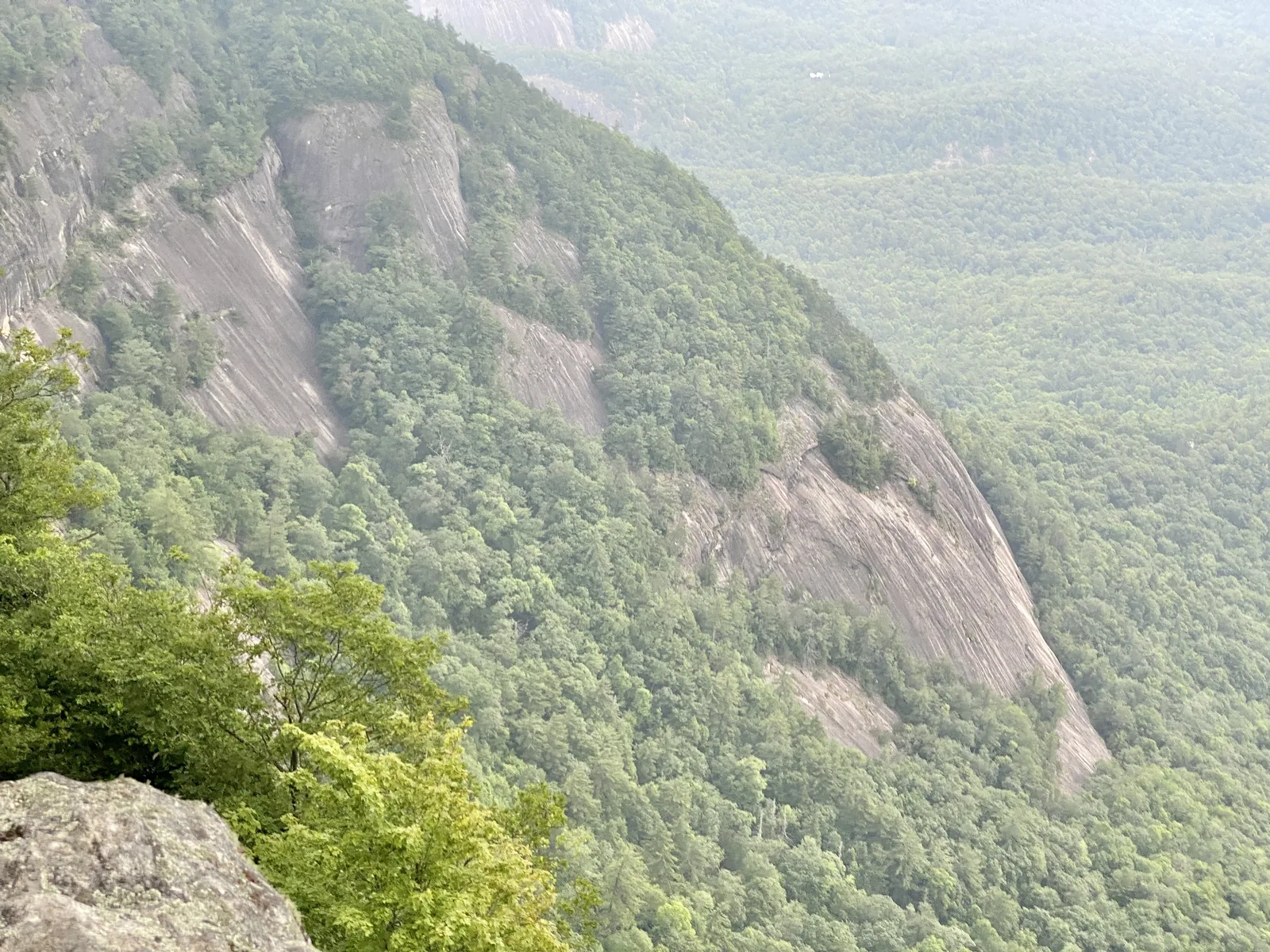
Two miles, sheer 700-foot cliffs, views into two states. The one hike every guest should do, and the reason to pack the good camera. Golden hour on the cliffs is the week's keeper image.
Boat rentals, waterfall coves and mountain views at 3,500 feet. Point guests to a pontoon morning and the swim spot below Norton Falls — the lake day they didn't know the mountains offered.
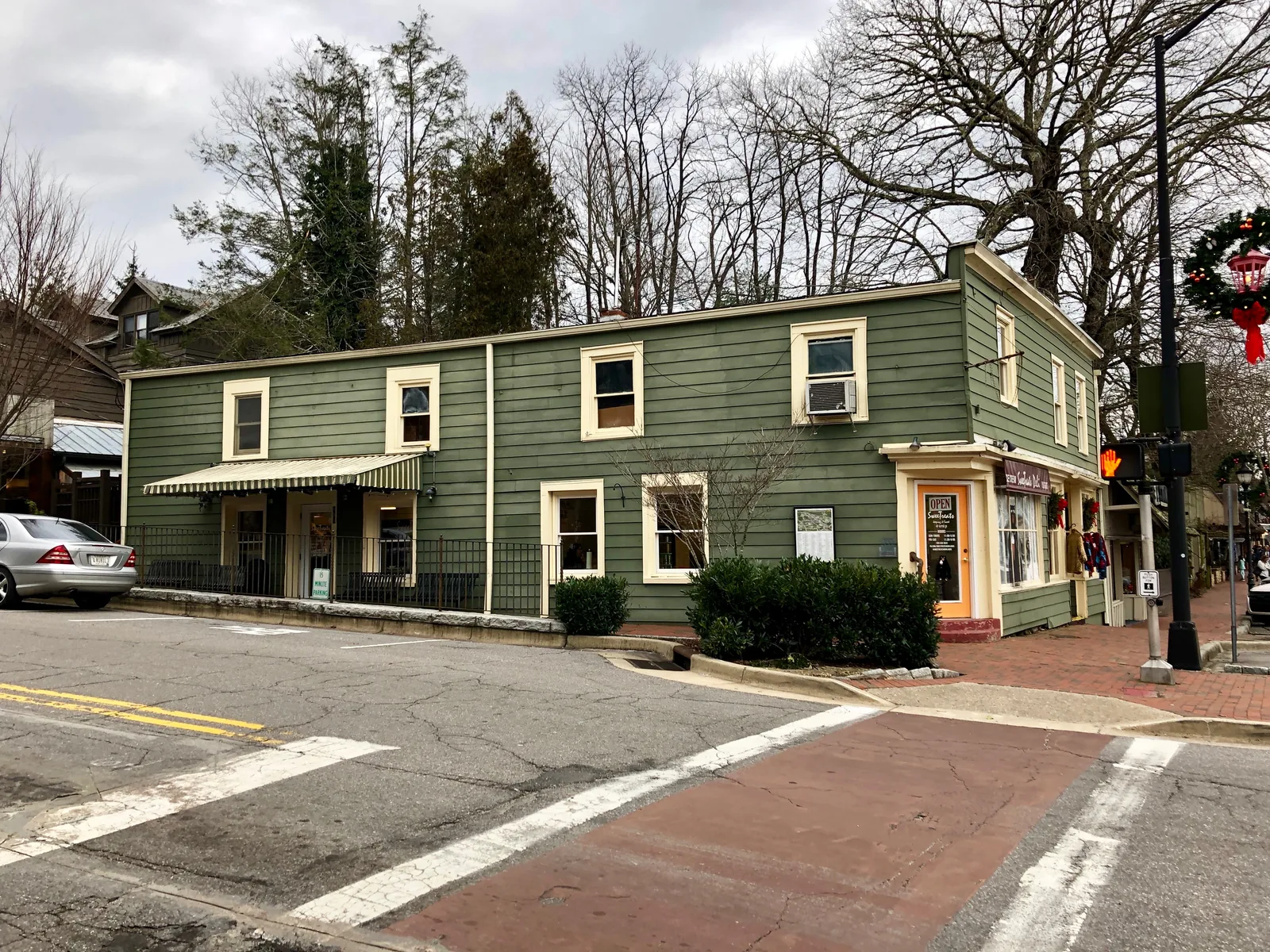
The plateau's polished table, garden-to-plate in the middle of Main Street Highlands. Book ahead in season; a host who has the reservation waiting looks heroic.
Dinner at the foot of granite walls in a box canyon — one of the South's great restaurant settings. The special-occasion answer on the Cashiers side.
Where the plateau actually gathers — the Ugly Dog in Highlands, Whiteside Brewing in Cashiers. Burgers, beers, dogs on the patio. Guests come home talking about the town, not just the house.
A ten-minute walk from downtown Highlands to a granite ledge above the town as the ridges go blue. The evening ritual locals never skip and most visitors never learn.
A serious visual-arts center on a six-acre campus — exhibitions, studios and a covered bridge entrance. The plateau's best wet-afternoon answer, and better than it has any right to be.
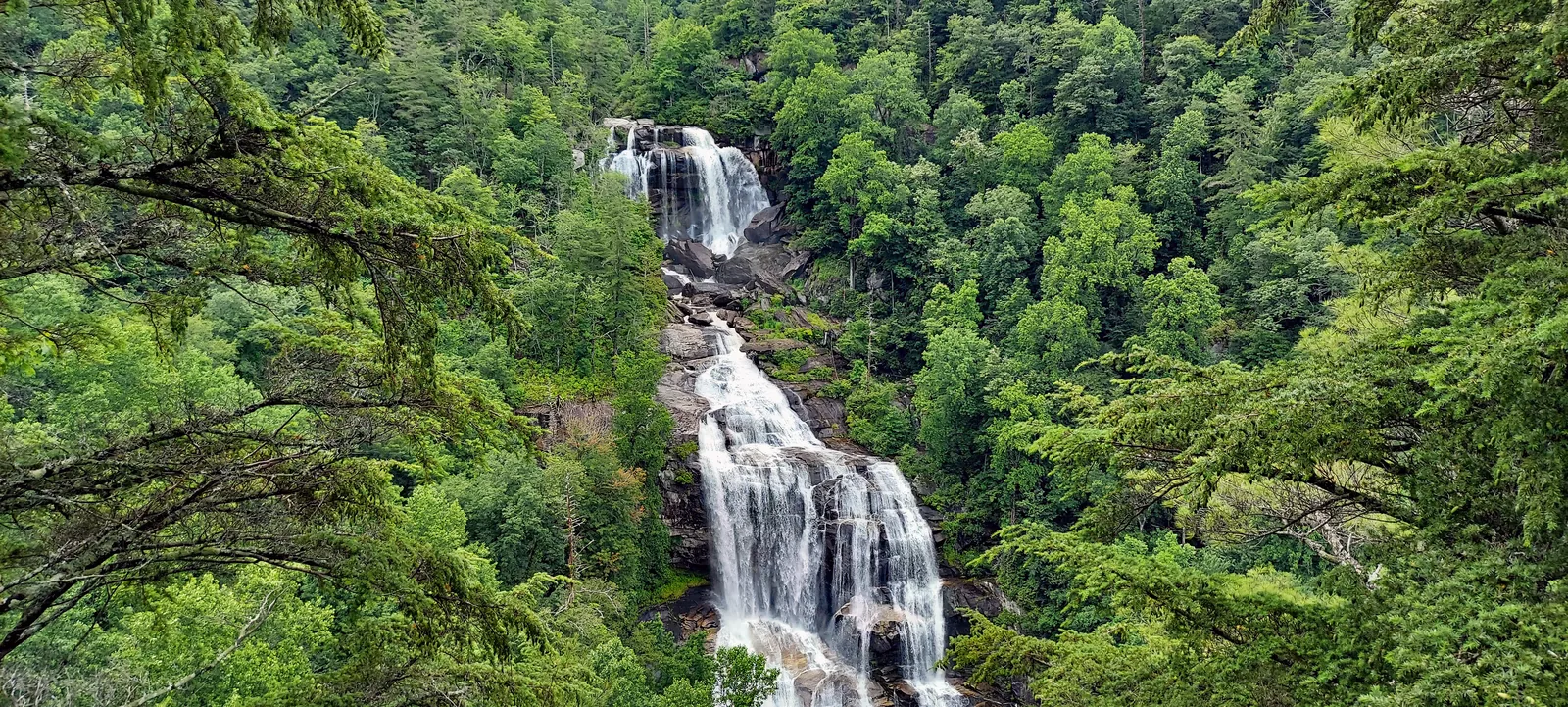
Twenty minutes from Cashiers to the highest waterfall in the eastern US, 411 feet of it, viewed from an easy paved overlook trail. Pair with Silver Run Falls for a waterfall day without a hard hike.
Answer the mountain-road question before it is asked: which approach roads are steep, when ice matters, where cell service drops. Precision here prevents the plateau's most common arrival stress.
Send guests to Mountain Fresh in Highlands for the serious shop — butcher, bakery, wood-fired pizza for the first night — and the Cashiers Farmers Market for tomatoes and peaches in season. One good note saves two trips down the mountain.
Representative Cavmir engagements in Highlands & Cashiers. Property identifiers redacted; figures composited from internal analytics and market benchmarks.
A ridge house with a fifty-mile view earning mid-market rates behind dim photography, a 'cozy cabin' title and no visibility beyond one platform.
Rebuilt the brand around the view and the air — dawn-fog and golden-hour photography, a named house identity, precise drive times, and search content targeting plateau-specific queries — plus a direct-booking page with a past-guest rebooking offer.
ADR rose by roughly a third, October sold out at rates above July, and repeat families now hold four summer weeks a year ahead.
A walkable cottage two blocks off Main Street renting like a generic cabin, its single greatest asset — walk-to-dinner location — buried in the amenity list.
Repositioned entirely around the stroll: walk-time map to every restaurant and shop, couples-weekend itineraries, September and leaf-season packages, and photography built around evenings in town.
The cottage moved from family-overflow bookings to a premium couples product, occupancy stabilized above 70% May through November, and the owner retired the winter discount entirely.
A dock-front house on Lake Glenville invisible under 'Cashiers area' positioning, competing against view homes it could not beat on their terms.
Made the lake the brand — pontoon-morning photography, waterfall-cove guides, a boat-rental partnership, and copy that sold the only mountain lake day on the plateau — with search visibility on Glenville-specific terms.
Summer weeks filled at rates the house had never reached, the July calendar closed by March, and lake-specific search traffic became its largest booking source.
Yes. Cavmir works with owners across the plateau — in-town Highlands cottages, ridge and view estates, Lake Glenville waterfront and Sapphire-side homes — on branding, listing optimization, photography direction, direct-booking websites, SEO and paid campaigns. Properties near Whiteside Mountain, Dry Falls and the Village Green are exactly the kind of stays we market.
The snapshot on this page shows average nightly rates around $520 with occupancy near 58%, but the plateau tiers sharply — an in-town walkable cottage, a big-view estate and a lake house are different products at different rates. Treat these as directional averages, not guarantees; the gap between well-marketed and poorly-marketed houses on the same ridge is wide.
Two peaks: summer (June–August, the historic Atlanta-season heart) and October, when leaf season often produces the year's highest rates. September is a premium couples window, Thanksgiving and Christmas pull family gatherings, and January–March is the quiet season, best served with monthly stays and fireplace-season marketing.
It depends on the parcel. The Town of Highlands has debated and revised STR zoning in residential districts in recent years; unincorporated Macon and Jackson County areas (including Cashiers) are lighter-touch; and several communities restrict rentals by covenant. NC occupancy and sales taxes apply everywhere. Verify your parcel's jurisdiction and current rules with the planning office and a local attorney. Cavmir handles marketing; we don't provide legal advice.
Yes — and we position them differently, because guests choose them differently. In-town Highlands sells the walk-to-dinner premium; Cashiers sells quiet, the Village Green and the lake; Glenville sells docks and water; Sapphire wins the value comparison. Naming the micro-market honestly is the first thing we fix on most plateau listings.
Give your repeat families a way to book without a platform in the middle: a fast direct-booking website, a complete Google Business Profile, and a January first-refusal note to last summer's guests. Plateau loyalty is exceptional — see vacation rental SEO — and most houses still leave it entirely to the platforms.
Yes, if you build the product honestly: fireplace-and-fog photography, winterized access guidance, monthly-stay pricing for remote workers and couples. A dark house from January to March is a choice, not a fate — and the plateau's quiet winter is exactly what a certain guest is searching for.
It depends on scope. Current plans and one-time project pricing are on the pricing page — most owners start with a listing overhaul or the 12-step system. A conversation about your property costs nothing: contact Cavmir.
Send us the listing and we'll tell you what we'd change. Not a pitch deck — a straight read on your photos, your title, your rates against the Highlands & Cashiers comp set, and whether a direct-booking site would pay for itself.
You'll hear back from a person, usually inside one business day. If we don't think we can move your numbers, we'll say so. Cavmir is a short-term rental marketing agency — we position and market properties, we don't manage them.
Talk to Cavmir today. We'll show you exactly what your Highlands & Cashiers property is leaving on the table — and how fast we can change that.
Book a Free Strategy Call