Start here Work with Cavmir in The Lake District
Get a Proposal (786) 751-3426
£165
Avg. Nightly Rate
62%
Avg. Occupancy Rate
£3,050
Avg. Monthly Revenue
4-6%
Est. Cash-on-Cash ROI
MEDIUM
Seasonality
MEDIUM
Regulatory Burden

* Market averages. Properties marketed by Cavmir typically exceed these figures by 25–45%. Data sourced from AirDNA, STR market reports, and Cavmir internal analytics.

The Market

Why The Lake District is One of the World's Premier STR Markets

The Lake District is the closest thing England has to a year-round rental market, and the reason is that people come here to walk rather than to sunbathe. UNESCO inscribed it in 2017 as a cultural landscape — the farming, the fells, the Herdwick sheep and the picturesque tradition that produced modern conservation — and that is a useful description of the product too, because it works in November. What changed for owners was tax rather than licensing. England's national short-term-let register is still not live in mid-2026 and the C5 use class has not been laid before Parliament, so there is no Lakeland letting licence. But Westmorland and Furness Council applied a 100% council tax premium on second homes from 1 April 2025, a policy that generated £11.05 million in additional income in its first year, and six days later the Furnished Holiday Lettings tax regime ended nationally. There is a structural point most guides miss: since April 2023 the national park has straddled two unitary authorities, Westmorland and Furness in the south and Cumberland in the north, which set council tax policy separately, while planning belongs to neither of them — the Lake District National Park Authority is the planning authority. Knowing which of those three bodies governs your address is the first practical step in operating here.

Lakeland demand is unusually well spread, which is the commercial gift of this market. Walkers, fell runners, climbers and cyclists come all year and actively prefer the weeks families avoid; couples come for fires, food and lake views; families fill the school holidays around Windermere, Coniston and Keswick; and a serious food economy — Cartmel among the best-known dining destinations in Britain — pulls its own weekend traffic in months nobody would associate with the Lakes. Geography splits the market roughly north and south. The southern lakes around Windermere, Bowness, Ambleside and Grasmere carry the volume, the visitor infrastructure and the highest rates; the northern lakes around Keswick, Borrowdale and Buttermere trade on serious fell walking, quieter valleys and a slightly younger outdoor audience; Ullswater sits between the two with the steamers and Helvellyn. Blended nightly rates run near £165 with occupancy around 62% — noticeably better than the West Country because the shoulder is real here — across a very large listing base. Inns with rooms, small hotels and walker-focused B&Bs are a substantial part of supply and compete for exactly the same guests.

Top Attractions & Landmarks

  • Scafell Pike and the Wasdale valley
  • Lake Windermere and the Bowness waterfront
  • Derwentwater and the Borrowdale valley
  • Ullswater and Aira Force
  • Dove Cottage and the Wordsworth Grasmere museum
  • Hill Top, Beatrix Potter's farmhouse at Near Sawrey
  • Honister Pass and the Buttermere round

Nearby Markets: York  |  Liverpool  |  Isle of Skye

Airbnb marketing services in The Lake District, England, United Kingdom, Europe
Postcards

The Lake District through the lens

A few of the visual fingerprints we lean into when we shoot, brand and market a The Lake District property — courtesy of the open Wikimedia Commons archive.

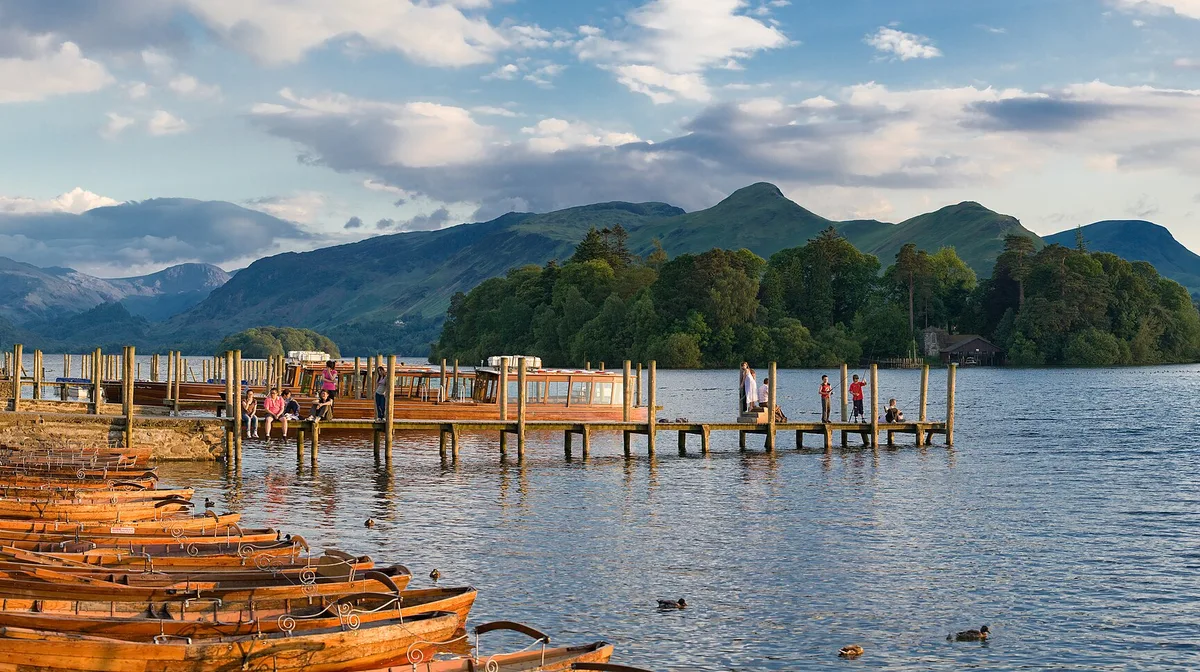
Derwent Water, Keswick June — The Lake District airbnb marketing
Local Color
Derwent Water, Keswick June
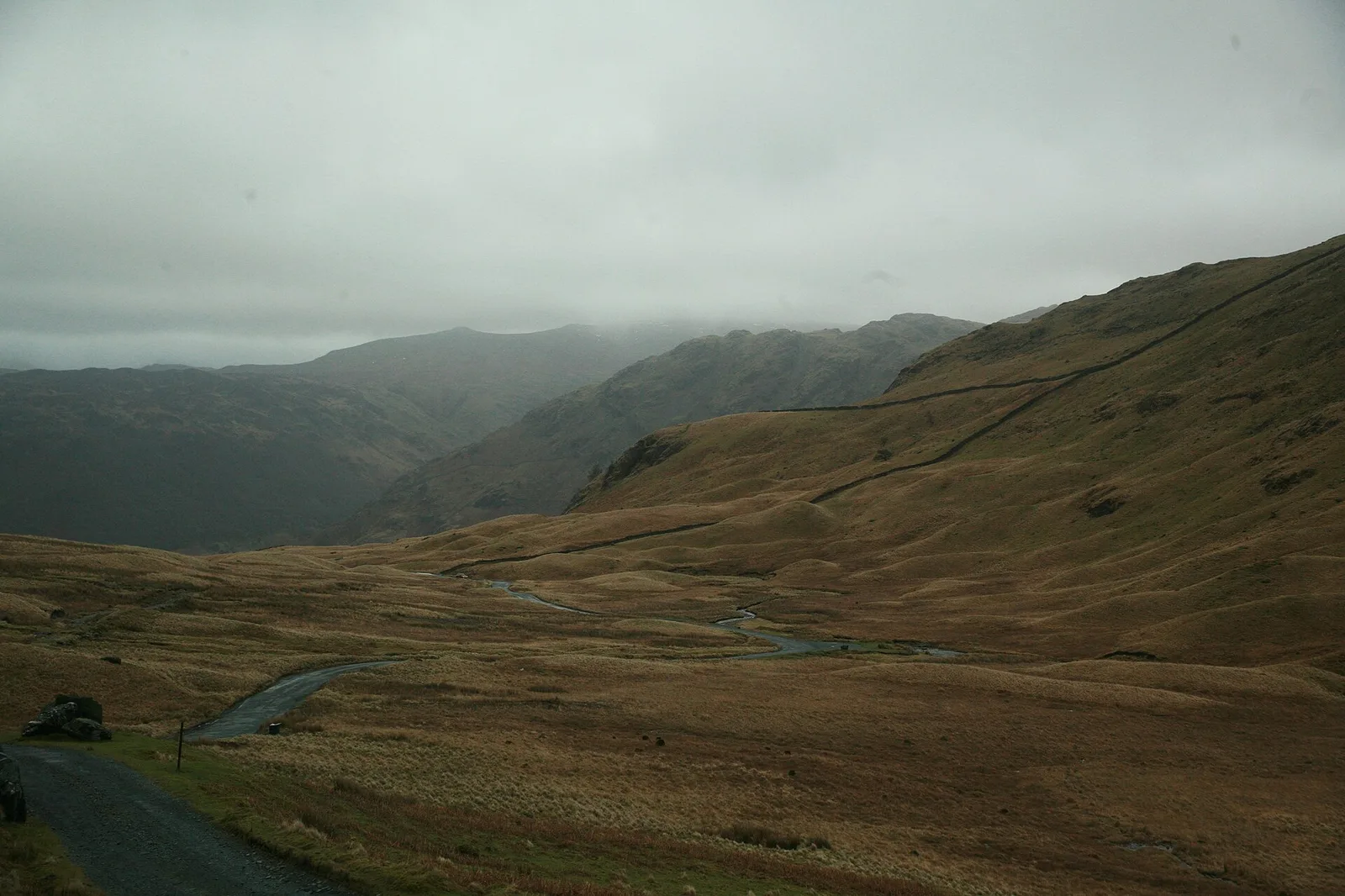
Trail near Buttermere — The Lake District airbnb marketing
Local Color
Trail near Buttermere
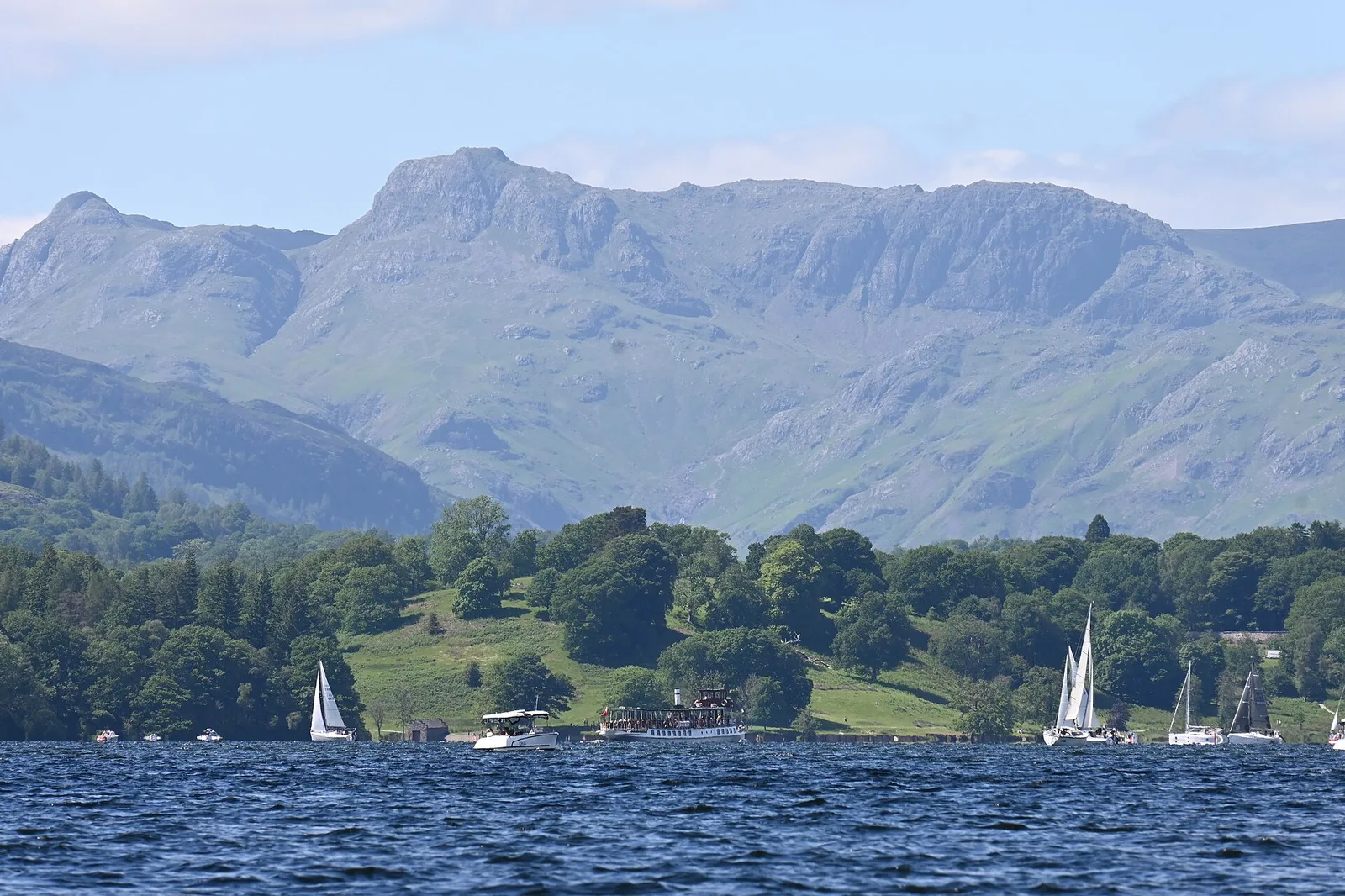
Windermere and the Pikes — The Lake District airbnb marketing
Local Color
Windermere and the Pikes
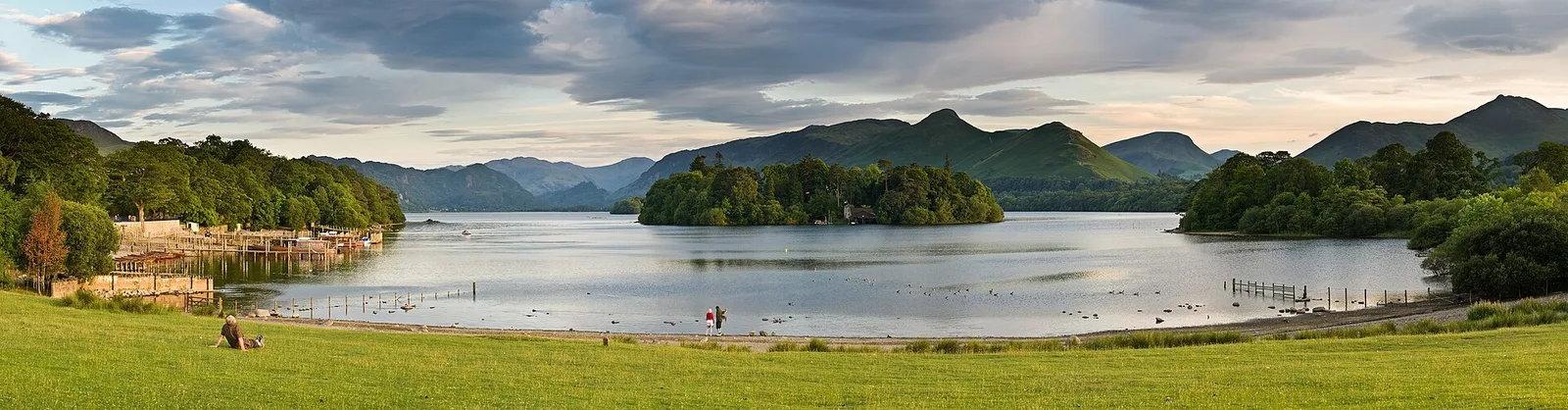
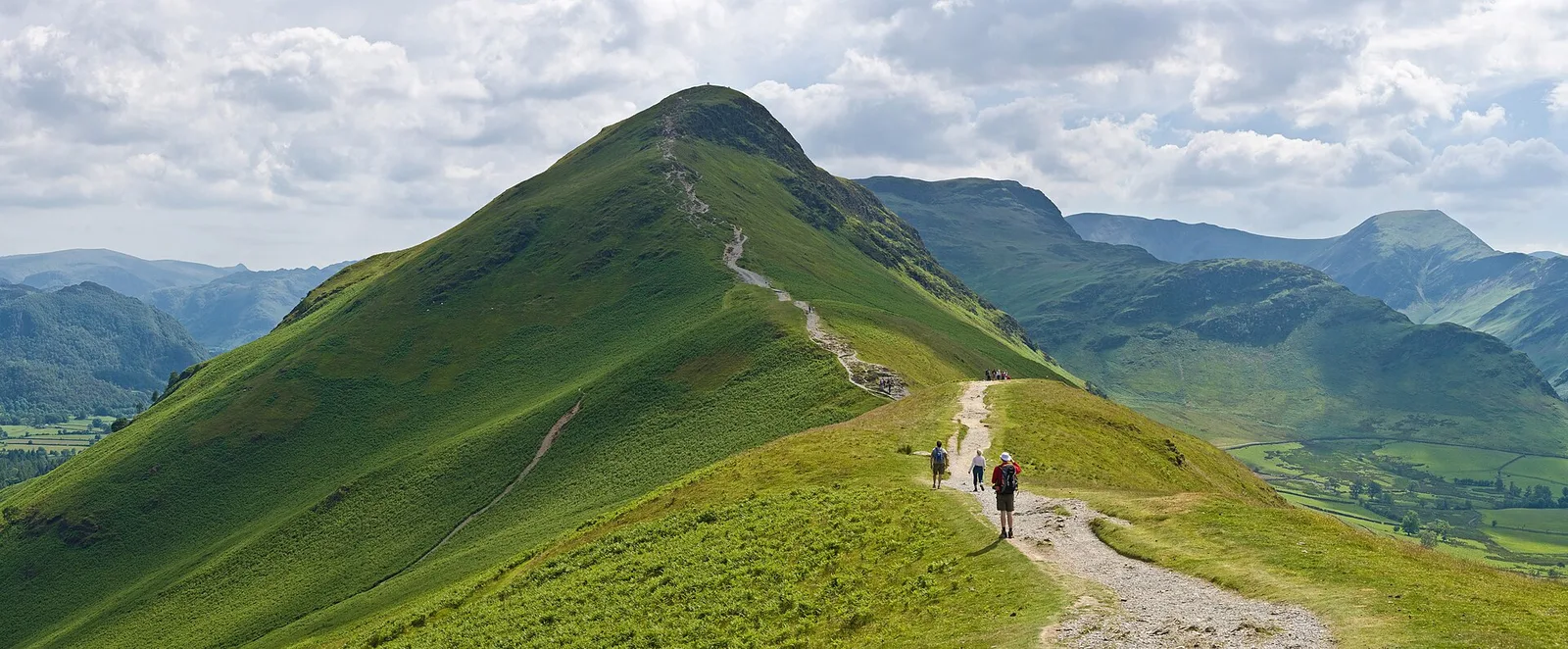
Catbells Northern Ascent, Lake District June — The Lake District airbnb marketing
Local Color
Catbells Northern Ascent, Lake District
Why Cavmir

The Cavmir Advantage
in The Lake District

Cavmir wins in the Lake District because this market is decided by weather honesty and walking specifics, and most listings avoid both. We write which fells you can reach from the door, how long the walk to the lake actually takes, whether the lane holds in snow, where wet boots and coats go to dry, and what the property is like on a wet Tuesday — because the guest booking November already knows it will rain and is choosing the property that has clearly thought about it. We photograph the Lakes in weather rather than waiting for the one blue day a year: low cloud on the fell behind, a fire lit at four in the afternoon, steam on the windows, the lake flat and grey and beautiful. We price the calendar the park publishes: Grasmere Sports in late August, Keswick Mountain Festival in May, the Great North Swim on Windermere in June, and Kendal Mountain Festival in November, which is the single best shoulder-filler in the north of England. For the Lakes' inns, coaching houses and small hotels we build direct-booking websites and repeat-guest programs, because a walking couple who have come back every October for eight years should not still be routed through a platform. We help position and market your property. We never manage it or touch your keys.

State of the Industry · History

The The Lake District STR Market — Past & Present

The Lake District was industrial before it was beautiful. Slate came out of Honister and Coniston, graphite from Borrowdale made the first pencils in Keswick, copper was worked in the fells by German miners brought over in the sixteenth century, and Herdwick sheep were farmed on common land under a system of hefted grazing that still runs today. What turned it into a destination was a change in taste. The picturesque movement of the late eighteenth century taught British travellers to find mountains sublime rather than horrifying, Thomas West published a guide to the lakes in 1778 telling visitors where to stand, and William Wordsworth — born in Cockermouth, living at Dove Cottage in Grasmere from 1799 — wrote the landscape into the national imagination and then published a guide of his own. When the railway reached Windermere in 1847, Wordsworth wrote furiously against it, which did not stop it arriving.

What followed was the birth of conservation as we understand it. Canon Hardwicke Rawnsley, vicar of Crosthwaite near Keswick, co-founded the National Trust in 1895 specifically to hold Lakeland land against development; Beatrix Potter used the money from her books to buy fell farms and left fifteen of them and four thousand acres to the Trust on her death in 1943; the Lake District became a national park in 1951, and Alfred Wainwright's seven hand-drawn guides, published between 1955 and 1966, gave the fells a canon of 214 summits that people still work through a lifetime at a time. UNESCO inscribed the whole thing in 2017 — not as wilderness, but as a cultural landscape shaped by farming, industry and the ideas that came out of it. The rental economy grew inside a park that has always had strict planning and a housing market under real pressure, with some valley communities carrying very high proportions of second and holiday homes. Local government reorganisation in April 2023 split Cumbria into two unitary authorities, and the newer of them, Westmorland and Furness, applied a 100% council tax premium on second homes from 1 April 2025 that raised £11.05 million in its first year. That, plus the end of the Furnished Holiday Lettings regime the same month, is the framework operators now work inside.

Pricing Strategy & Seasonality

Pricing, Seasonality & When to Capture ROI

Pricing Strategy

The Lakeland rate map is a view-and-access map. Windermere, Bowness and Ambleside carry the volume and the highest rates: lake views, restaurants, boat hire and the shortest drive from the M6, which makes them the default for first-time visitors and the easiest weeks to sell. Grasmere and the central valleys command a literary and scenic premium with a walking audience that fills the shoulders. Keswick, Borrowdale and the north trade slightly lower on rate but higher on year-round consistency, because serious fell walkers do not stop in February. Ullswater and Glenridding price on the steamer, Helvellyn and a quieter, higher-spending couples market. Coniston, Eskdale, Wasdale and the western valleys are the value and character tier — remoter, harder to reach, and where a genuine dark sky, a wood burner and a drying room out-earn a lake glimpse. Blended, the Lakes run near £165 a night at about 62% occupancy, and the operators at the top of that range are almost always the ones who have marketed October to March as deliberately as July.

Seasonality & ROI Windows

The Lakes have the flattest demand curve of any UK holiday market, which is exactly why they reward professional operation. Summer peaks on families and volume, and August is the rate ceiling. Spring is genuinely strong from Easter through May, with daffodils in Grasmere and the best walking weather of the year. Autumn is arguably the best season here — bracken turning, low light on the fells, October half-term busy and November carried by Kendal Mountain Festival. Winter never empties: Christmas and New Year book from the previous summer, and January and February bring walkers, climbers and couples who want a fire and an empty valley. Rain is not the off-season; it is the weather the market was built on.

Regulation & Licensing · 2026

What the Law Requires in The Lake District

The Lake District is a medium-regulation market with an unusual governance split that catches out new owners. There is no Lakeland short-term-let licence. England's national registration scheme was legislated for in 2023 but has slipped repeatedly and is still not live in mid-2026; it is expected to run voluntary before becoming mandatory. The C5 short-term-let use class has not been implemented in England, so anything describing either as a live requirement is describing an intention rather than the law. What matters locally is which body governs what. Planning is the Lake District National Park Authority's job, not the councils' — conversions, extensions, change of use, signage and anything affecting the landscape go to the park, whose policies are notably strict and whose local plan prioritises housing for local occupation in several valleys. Council tax is the councils' job, and since April 2023 there are two of them: Westmorland and Furness covers Windermere, Ambleside, Grasmere, Coniston and the southern park, while Cumberland covers Keswick, Borrowdale, Buttermere and the north. Westmorland and Furness applied a 100% premium on second homes from 1 April 2025 — doubling the bill on furnished properties that are not somebody's main residence — and it raised £11.05 million in the first year. Its long-term empty premiums are steeper still: 100% on top after one year, 200% on top after five. Cumberland sets its own policy, so confirm which authority bills your address rather than assuming the park is one jurisdiction. As elsewhere in England, a genuine holiday let can be rated for business rates instead if it was available 140 days and actually let 70 days in the previous year.

Market-Specific Tips & Challenges

Local Tips & Unique Market Challenges

Tips That Actually Move Revenue in The Lake District

Sell the weather instead of apologising for it. Photograph the property with low cloud on the fell and a fire lit, because the guest booking a February week has already accepted rain and is choosing whoever looks warmest. Name the walks from the door — the actual fells, with the time and the ascent — because Lakeland guests plan by route, not by postcode. Publish a drying arrangement: boot rack, radiator space, somewhere for wet coats that is not the bedroom. Say plainly whether the lane is passable in snow and what the parking looks like on an August Saturday in Bowness. Put Kendal Mountain Festival in your November rate calendar and treat it as a peak rather than an afterthought. If you take dogs, mean it — the Lakes are the most dog-heavy holiday market in England and half the listings that say dog-friendly provide nothing. Package the food economy in the quiet months, because a table at a well-known kitchen sells a January weekend better than any discount. And build the email list from day one: walking guests return annually for decades.

Unique The Lake District Challenges

The park's planning regime is strict by design, which limits what you can build, convert or alter and slows every project. Access is a genuine constraint — narrow lanes, seasonal congestion around Windermere and Ambleside, and winter conditions that occasionally strand arrivals. Rainfall is real and the western valleys are among the wettest inhabited places in England, so a property that has not solved drying, heating and indoor evenings will collect poor reviews. Staffing and changeover cover are difficult in valleys where housing for workers is scarce, which is the same pressure that produced the council tax premium. Flood risk is concentrated in specific, well-documented places. And the market is competitive at the top end, with professional inns and small hotels that have been marketing to walkers for generations.

Only One Actual Lake
For all the name suggests, the Lake District contains exactly one body of water officially called a lake: Bassenthwaite Lake, in the north near Keswick. Every other one is a mere, a water or a tarn — Windermere, Derwentwater, Buttermere, Wastwater, Grasmere. The distinction is a quirk of local naming rather than any rule of geography, but it is the fastest way to be corrected by a Cumbrian, and it is the sort of detail that makes a welcome book memorable rather than generic.
Finance Essentials — The Lake District
🛡️

Insurance

Lakeland underwriting is about water and remoteness. Escape of water in empty winter weeks is the classic claim, and several valleys carry genuine flood history that insurers price accordingly — check the flood map before you buy, not just before you insure. You need holiday-let or commercial cover with public liability, loss of rent and accidental damage by guests, and an unoccupancy clause that reflects how long the property really sits empty between winter bookings. Hot tubs must be declared with the water-testing regime. If the property is stone-built, slate-roofed or listed, the reinstatement figure will be well above what the purchase price suggests.

🧾

Property & Income Tax

Spring 2025 changed the arithmetic twice. From 1 April the Westmorland and Furness second home premium doubled council tax on furnished properties that are not a main residence, and from 6 April the Furnished Holiday Lettings regime ended nationally, so income is taxed as ordinary UK property income — mortgage interest relieved only at basic rate, capital allowances on new spend replaced by replacement of domestic items relief, and no Business Asset Disposal Relief on sale. The alternative to the premium for a genuine business is business rates under the 140/70 test, with small business rate relief often following, which makes 70 let nights the single number to track from January rather than to discover in April. VAT arrives at the registration threshold. Put an accountant on your specific structure before the next return.

🏦

Mortgages & Financing

Holiday-let lending in the UK sits on a narrower panel than buy-to-let, generally requires 25-30% deposit, and assesses affordability on projected seasonal income evidenced by a letting agent's letter. The April 2025 tax change hits geared purchases hardest now that interest is relieved only at basic rate. Lakeland entry prices vary sharply — Windermere and Ambleside trade well above the county average while the western valleys are far more accessible — and national park location, listed status and off-grid services all narrow the lender panel. Model it with a broker who has actually placed a national park holiday let.

Future Outlook · 2027 & Beyond

Where The Lake District is Headed Next

The Lake District's direction is more visibility and steadier professionalisation rather than restriction. If the national register finally launches, the park will be one of the first places where the true number of lets becomes public, and the housing debate here is old enough and organised enough that a C5 use class would be looked at seriously if it were ever laid. The council tax premium is already doing work: marginal second-home owners are selling or converting to genuine businesses, which slowly improves the quality of what remains. Demand fundamentals are the strongest in this portfolio. Walking, running, climbing, open-water swimming and cycling are all growing participation sports with year-round seasons; the food economy in the southern lakes keeps drawing weekend traffic in February; and World Heritage status has broadened the international audience beyond the traditional domestic base. The constraint is access rather than appetite — the M6 corridor and a rail spur into Windermere carry an enormous number of people into a small number of valleys, and the park's own transport pressure is a live issue. The operators who will be doing well in 2028 are the ones already selling October to March as a product in its own right and owning their guest relationships.

From the Desk of Sofie Sinag

Why We Love Marketing in The Lake District

We love the Lake District because it is the rare British destination that is better in bad weather. A wet Wednesday in Borrowdale, with cloud sitting halfway down the fell and the beck loud enough to hear from the kitchen, is not a ruined day — it is the day people describe afterwards. The place has an unusual density of good things in a small area: 214 fells that people spend a lifetime working through, lakes you can swim in before breakfast, slate villages where the pub is genuinely the centre of things, farms still run on hefted grazing by families who have been on the same land for centuries, and a food scene in the south that would be remarkable in a city. It is also where the idea of protecting landscape was more or less invented, which gives the whole park a seriousness that the prettier parts of England lack. For marketers, the Lakes are the best year-round rental market in Britain and the one where craft matters most, because the difference between a full October and an empty one is entirely a matter of what the listing says and shows. Our job is to make sure yours is the one that looks warm in November.

Why It Matters

A great property in The Lake District doesn't just want a listing — it wants a point of view, an audience, and a brand the city itself would recognise.

Cavmir's The Lake District Cheat Sheet

The Picks We Recommend for Your Welcome Book

The picks we send Lake District guests — chosen for the months when the valleys are quiet, the light is low and the fells are at their best.

Coffee & First Light

Grasmere before nine

The village empties of coaches overnight and fills again by ten, so the hour in between belongs to whoever gets up. Send guests for a walk around the lake with a flask and a bag of gingerbread from the shop by the churchyard; it is the cheapest way to make a two-night stay feel longer than it was.

The Splurge Table

L'Enclume, Cartmel

Simon Rogan's dining room in a converted smithy in a small village on the southern edge of the park, cooking largely from its own farm. It is the reason people drive to Cumbria in February, and a confirmed booking there will sell a winter weekend faster than any photograph of your living room.

Local Obsession

Grasmere gingerbread

Made to a nineteenth-century recipe in a tiny former schoolroom beside St Oswald's church, sold in the same paper wrapper it always was, and somewhere between a biscuit and a cake in a way nobody has successfully copied. A packet left in the welcome basket does more work than a bottle of supermarket prosecco.

Shoulder Season Secret

Buttermere on a November weekday

A four-and-a-half-mile flat circuit around one of the most beautiful valleys in England, with almost nobody on it once the clocks change. Bracken gold, water like glass and a pub at the end. This is the walk to put in your listing to sell the months everyone else has given up on.

Weekend Escape

The Ullswater Steamer and Aira Force

Take the boat from Glenridding to Howtown and walk the shoreline path back — about seven miles of the best low-level walking in the park, with Aira Force's waterfall a short drive away. It works in nearly any weather and requires no fell-walking experience, which makes it the best recommendation for mixed-ability groups.

What Guests Ask For

Drying, dogs and the walks from the door

Lakeland enquiries repeat the same questions: where do wet boots and coats go, is the dog genuinely welcome, which fells can we reach on foot, and does the lane hold in snow. Answer all four in the listing and you will convert bookings that your neighbours are still exchanging messages about.

Local Work · Composite Case Vignettes

What Cavmir Has Done for The Lake District Properties

A few composite engagements drawn from how Cavmir typically works in this market. The details are illustrative and consistent with the Lake District, not pulled from a single named client.

Stone cottage · Borrowdale
The Brief

A well-restored two-bedroom in a northern valley filled July and August and then dropped to occasional weekends. Every photograph had been taken on a blue day in June, the wood burner appeared in none of them, and the listing never mentioned where wet gear could go.

What We Did

Cavmir reshot the property in autumn weather with the fire lit and boots drying, wrote the fell routes from the door with times and ascent, published the drying arrangement and the snow position on the lane, and priced November around Kendal Mountain Festival.

The Result

Autumn and winter weekends began booking from walkers rather than sitting empty, November stopped being the worst month of the year, and repeat guests started asking for the same week the following October before they left.

Eleven-room inn · near Ambleside
The Brief

A walkers' inn with rooms above the bar was taking most of its accommodation revenue through platforms, paying commission on guests who had been coming for fifteen years, and running a website that could not take a booking on a phone or show a room properly.

What We Did

Cavmir built a direct-booking site with honest room photography and route guides from the door, packaged walking and food breaks for the quiet months, put the festival calendar into the rates, and set up a post-stay email that invites returning walkers to book direct next time.

The Result

Direct bookings began carrying the shoulder months, midweek walking breaks filled weeks previously sold as discounted platform inventory, and the owners had, for the first time, a guest list they controlled rather than rented.

Lakeside apartment · Bowness
The Brief

A one-bedroom with a lake glimpse competed against dozens of near-identical listings on price alone, took a lot of one-night summer bookings that cost more in changeover than they earned, and had no distinct proposition outside the school holidays.

What We Did

Cavmir repositioned it for couples on two- and three-night breaks, set minimum stays, wrote and photographed a winter identity around the food economy and the steamers, and built a rate strategy for January and February rather than discounting into them.

The Result

The average stay lengthened and the changeover burden fell, the winter months began covering their own costs instead of being subsidised by August, and the property stopped competing purely on price with everything else on the waterfront.

Market Intelligence · Seasonality

Airbnb seasonality in The Lake District, month by month

Demand in The Lake District peaks around July through August and runs quietest around January through February. Here is how the year actually books — and what to do about each stretch of the calendar.

Peak demandSteadyQuiet

Peak season

The August school holidays are the volume and rate peak, concentrated around Windermere, Bowness, Ambleside, Coniston and Keswick. Boat hire, easy low-level walks and the visitor infrastructure of the southern lakes carry families who are not fell walkers, and the market runs close to full. It is a hold-your-rate window rather than a chase-the-vacancy one, and Saturday changeovers with firm minimum stays protect the margin against a punishing turnaround schedule.

The shoulders

Spring and autumn are the best-quality weeks in the park and often the most profitable per unit of effort. Easter through May brings the finest walking weather of the year and the Keswick Mountain Festival. Autumn is arguably better still: bracken turning gold, low light on the fells, a busy October half-term and a November propped up by Kendal Mountain Festival, which draws a national outdoor audience to a month most owners have already written off.

The quiet stretch

The Lakes never really empty, which is what separates them from every other UK holiday market. January and February bring walkers, climbers, fell runners and couples who specifically want an empty valley, a fire and a long dinner. The southern food economy pulls weekend traffic in the coldest months. Christmas and New Year are a genuine spike for large valley houses. The properties that go dark in winter are the ones that never photographed themselves in weather.

Dates that fill first

Kendal Mountain FestivalNovember
The best shoulder-filler in northern England, drawing a national outdoor and film audience to Kendal and the southern lakes for a long weekend in the month most owners treat as unsellable. Price it as a peak, not an afterthought.
Grasmere Sports and ShowLate August
Fell running, hound trailing and Cumberland and Westmorland wrestling at a gathering that has run since 1852. The central valleys fill for the weekend and it sits right at the end of the school-holiday peak.
Keswick Mountain FestivalMay
A long weekend of trail running, paddling and talks that fills the northern lakes with exactly the audience most likely to return in October — worth capturing on an email list rather than treating as a one-off booking.
The Great North Swim, WindermereJune
Thousands of open-water swimmers plus supporters arriving for a fixed weekend on Windermere. They want hot showers, early breakfasts, drying space and a late checkout, and they book as soon as entries open.
Christmas and New Year in the valleysLate December
Large stone houses that sleep an extended family command a genuine premium for seven to ten nights and are typically booked from the previous summer by groups who return to the same property annually.
Market Intelligence · Guests

Who books The Lake District Airbnbs — and how far ahead

Fell walkers and Wainwright baggers
The year-round backbone of the market, working through 214 summits over years. They plan by route rather than by town, want drying space and an early breakfast, and return to the same base repeatedly.
Dog owners
The Lakes are the most dog-heavy holiday market in England and much of the stock claims to be dog-friendly without providing anything. A secure garden, towels, a hose and honest lead guidance convert this audience immediately.
Food and fireside couples
Two- and three-night breaks built around a restaurant booking and a wood burner, running strongly through January and February. The southern lakes and Cartmel carry most of this demand and it is almost entirely rate-insensitive.
Open-water swimmers and endurance visitors
Swimmers, trail runners and cyclists arriving for events or training, needing hot water, drying space and flexible early starts. A fast-growing audience that fills weekends outside the school holidays.
Inn, guest house and small hotel guests
Walkers' inns and small hotels compete for the same guests as the cottages and often win on breakfast, drying rooms and local knowledge. They also carry the most unused direct-booking upside in the park.

The booking window

August fills from January and February, and Christmas and New Year book from the previous summer. Event weekends — Kendal, Keswick, the Great North Swim — go as soon as dates are published. The rest of the year books late by comparison: walking couples and dog owners commonly book two to five weeks out, and winter weekends inside a fortnight, which makes an open, sensibly priced winter calendar considerably more valuable than a closed one.

Typical stays

Seven nights in August, three and four nights either side, and a strong two-night weekend market through autumn and winter. Midweek breaks perform unusually well here because the walking audience is flexible and often retired. Two-night minimums are defensible year-round; one-night stays rarely cover the changeover once the drive time for cleaners is counted.

Where guests drive from

ManchesterLeedsGlasgowNewcastleBirmingham

Where guests fly from

London (Heathrow and Gatwick)Manchester AirportGlasgowEdinburghDublinAmsterdam
This is a motorway and rail market: the M6 runs along the eastern edge and the branch line into Windermere brings a genuine car-free audience. Manchester, Leeds, Glasgow and Newcastle are all inside three hours, which is why weekend and midweek short breaks work here in a way they do not in Cornwall. Target outdoor, dog-owner and running interest audiences in those cities for the shoulder months.
Market Intelligence · What Wins

The Airbnb that wins in The Lake District

The winning Lakeland property is a stone cottage or converted barn with a wood burner, a genuine drying arrangement, a secure garden for dogs, and fells you can reach on foot from the door. A lake view helps but access to walking helps more, and a property in a quieter western valley with the right kit will out-earn a prettier one in Bowness that has never marketed a wet Tuesday.

Amenities that move bookings here

Wood burner or open fire with fuel suppliedBoot rack and a proper drying spaceSecure garden, dog towels and a hoseFast wifi with the speed statedWalks-from-the-door route notesHot tub with a published testing regimeParking that exists on an August SaturdayBlackout blinds for long northern summer light
The single most valuable thing you can do is photograph the property in weather with the fire lit. The guest booking February has already accepted the rain and is choosing whoever looks warmest — and almost every competing listing is still showing one blue day in June.
Straight Answers

The Lake District Airbnb marketing questions, answered

How do I market my Airbnb in the Lake District?

Sell the weather rather than avoiding it. The guest booking a November week knows it will rain and is choosing the property that has clearly thought about it, so photograph the fire lit, the boots drying and the cloud on the fell behind. Name the actual walks from the door with times and ascent, because Lakeland guests plan by route rather than by postcode. Publish the drying arrangement, the dog policy and whether the lane holds in snow. Then price the year properly — Kendal Mountain Festival in November is a peak, not a dead month — and build an email list, because walking guests return to the same base for decades.

When is peak season in the Lake District?

August is the rate and volume peak, concentrated around Windermere, Ambleside and Keswick. But the Lakes have the flattest demand curve of any UK holiday market, and that is the commercial point: Easter to May brings the best walking weather of the year, autumn is arguably the finest season with October half-term busy and Kendal Mountain Festival carrying November, and even January and February hold walkers, climbers and food-and-fireside couples. Christmas and New Year are a genuine spike for large valley houses. Nothing here needs to go dark.

How far in advance do guests book in the Lake District?

It splits sharply. August fills from January and February, and Christmas and New Year are usually booked from the previous summer. Event weekends — Kendal, Keswick Mountain Festival, the Great North Swim — go as soon as the dates are announced. Everything else books late: walking couples and dog owners commonly book two to five weeks ahead and winter weekends inside a fortnight. That means keeping the winter calendar open at a realistic rate is worth considerably more than closing it and assuming nobody is coming.

Where do the Lake District's guests come from?

Mostly from the northern cities by car — Manchester, Leeds, Glasgow and Newcastle are all inside three hours on the M6, with Birmingham and the Midlands not much further. That proximity is why short breaks and midweek stays work here in a way they do not in the West Country. The Windermere rail branch brings a genuine car-free audience, and World Heritage status since 2017 has broadened the international market. For advertising, outdoor, dog-owner and running interest audiences in the northern cities deliver the best return outside the school holidays.

What should I know if I run an inn or guest house in the Lake District?

Your competition is self-catering cottages, and your advantages are breakfast, a drying room and knowing which route suits the weather. Most Lakeland inns still route a large share of accommodation revenue through platforms, including guests who have been coming for a decade. A direct-booking website that works properly on a phone, walking and food packages built for the quiet months, the festival calendar priced into your rates, and a post-stay email inviting repeat guests to book direct will typically pay for themselves within a single shoulder season.

Free Tools · Websites That Book

See what your listing in the Lake District is leaving on the table

Run your Airbnb, Vrbo, or website through Cavmir's free grader. It checks the things that decide whether guests book in the Lake District — photos, listing copy, page speed, local search — and shows you where bookings leak. Takes about a minute, and there's no sales call attached.

If the report says your booking engine is the weak link, that's fixable: a direct-booking website of your own means repeat guests stop paying platform fees to come back to you. That's the work Cavmir does — see Airbnb website design in the Lake District.

What the grader measures

  • Photos and the first-impression frame
  • Listing title and copy
  • Your direct-booking website (or the lack of one)
  • Page speed and mobile experience
  • Local search and Google visibility
Grade My Listing — Free
Ready to Grow in The Lake District?

Let's Put Your The Lake District
Property on the Map

Talk to Cavmir today. We'll show you exactly what your The Lake District property is leaving on the table — and how fast we can change that.

Book a Free Strategy Call