Start here Work with Cavmir in Liverpool
Get a Proposal (786) 751-3426
£118
Avg. Nightly Rate
72%
Avg. Occupancy Rate
£2,550
Avg. Monthly Revenue
7-9%
Est. Cash-on-Cash ROI
LOW
Seasonality
LOW
Regulatory Burden

* Market averages. Properties marketed by Cavmir typically exceed these figures by 25–45%. Data sourced from AirDNA, STR market reports, and Cavmir internal analytics.

The Market

Why Liverpool is One of the World's Premier STR Markets

Liverpool is the best yield story in this batch and the least regulated city market in it. Entry prices are a fraction of Bath's or Brighton's, occupancy runs around seventy per cent, and there is no Liverpool short-term-let licence to hold: England's national register is still not live in mid-2026, the C5 use class has not been laid before Parliament, and the council has not made an Article 4 direction for short lets. The one local rule that genuinely catches people out is different from what they expect — selective landlord licensing operates in designated wards under the Housing Act 2004, and whether it touches your property depends on the ward and how the property is actually used, which is a question worth asking the council rather than a forum. What has changed for everyone is national: the Furnished Holiday Lettings tax regime ended on 6 April 2025, so mortgage interest is now relieved only at the basic rate and the old capital gains treatment is gone. Set against that, Liverpool's demand is unusually resilient — two Premier League grounds, the Grand National, a cruise terminal, two cathedrals, a conference centre and the most consequential music heritage in Britain — and it barely moves with the seasons.

Liverpool's demand is event-led, year-round and remarkably flat, which is exactly what a short-let operator wants. Football is the engine: Anfield and Everton's new stadium at Bramley-Moore Dock between them fill dozens of weekends and midweek European nights a season, and away support travels and stays. The Grand National at Aintree in April is the single biggest accommodation weekend of the year and prices like it. On top sits a genuine city-break market built on the Beatles, the Royal Albert Dock, the museums and a nightlife economy with real pull; a conference and exhibition trade at the waterfront that fills Tuesday to Thursday; three universities; and a cruise terminal in the middle of the city. Geography splits the market cleanly. The waterfront and Ropewalks carry the weekend and event demand at the highest rates; the Baltic Triangle and Georgian Quarter trade on character and a younger audience; the business district fills midweek. Blended nightly rates run near £118 with occupancy around 72% across a large and fast-growing listing base — low rates, high occupancy, low entry prices, which is why gross yields here look better than almost anywhere in England.

Top Attractions & Landmarks

  • The Royal Albert Dock and the waterfront
  • The Cavern Club and Mathew Street
  • Liverpool Cathedral and the Metropolitan Cathedral on Hope Street
  • The Museum of Liverpool and the Maritime Museum
  • Anfield and the Bramley-Moore Dock stadium
  • Aintree Racecourse
  • The Chinese Arch on Nelson Street

Nearby Markets: The Lake District  |  York  |  Snowdonia

Airbnb marketing services in Liverpool, England, United Kingdom, Europe
Postcards

Liverpool through the lens

A few of the visual fingerprints we lean into when we shoot, brand and market a Liverpool property — courtesy of the open Wikimedia Commons archive.

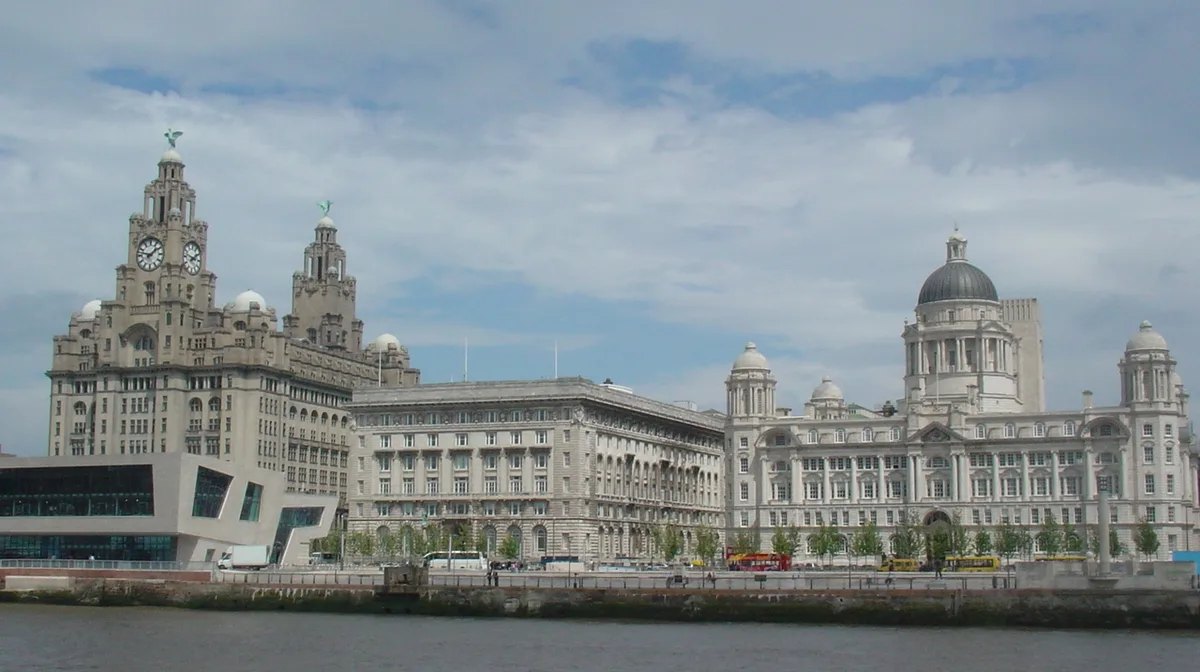
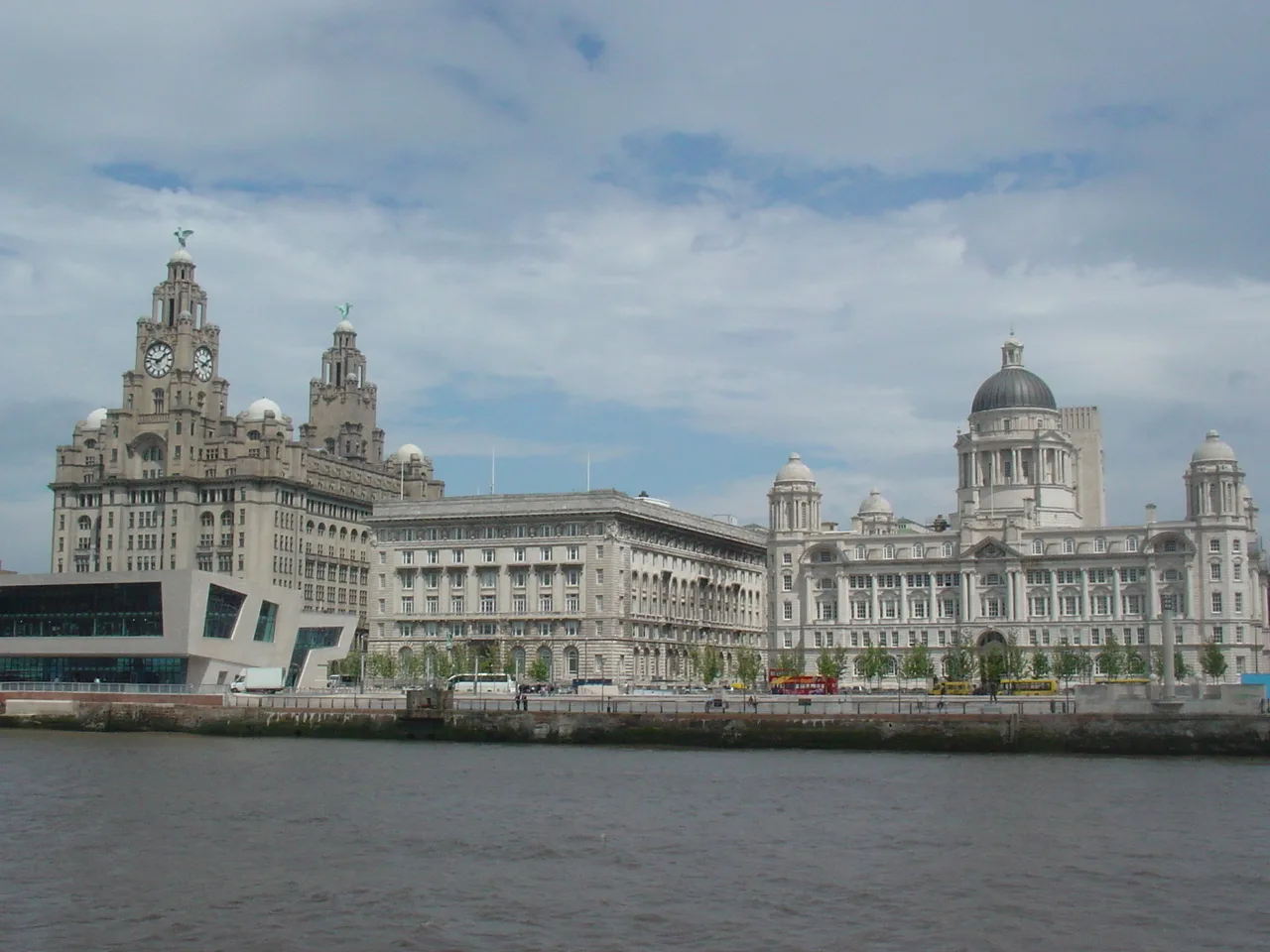
The Three Graces, Liverpool DSC00557 — Liverpool airbnb marketing
Local Color
The Three Graces, Liverpool
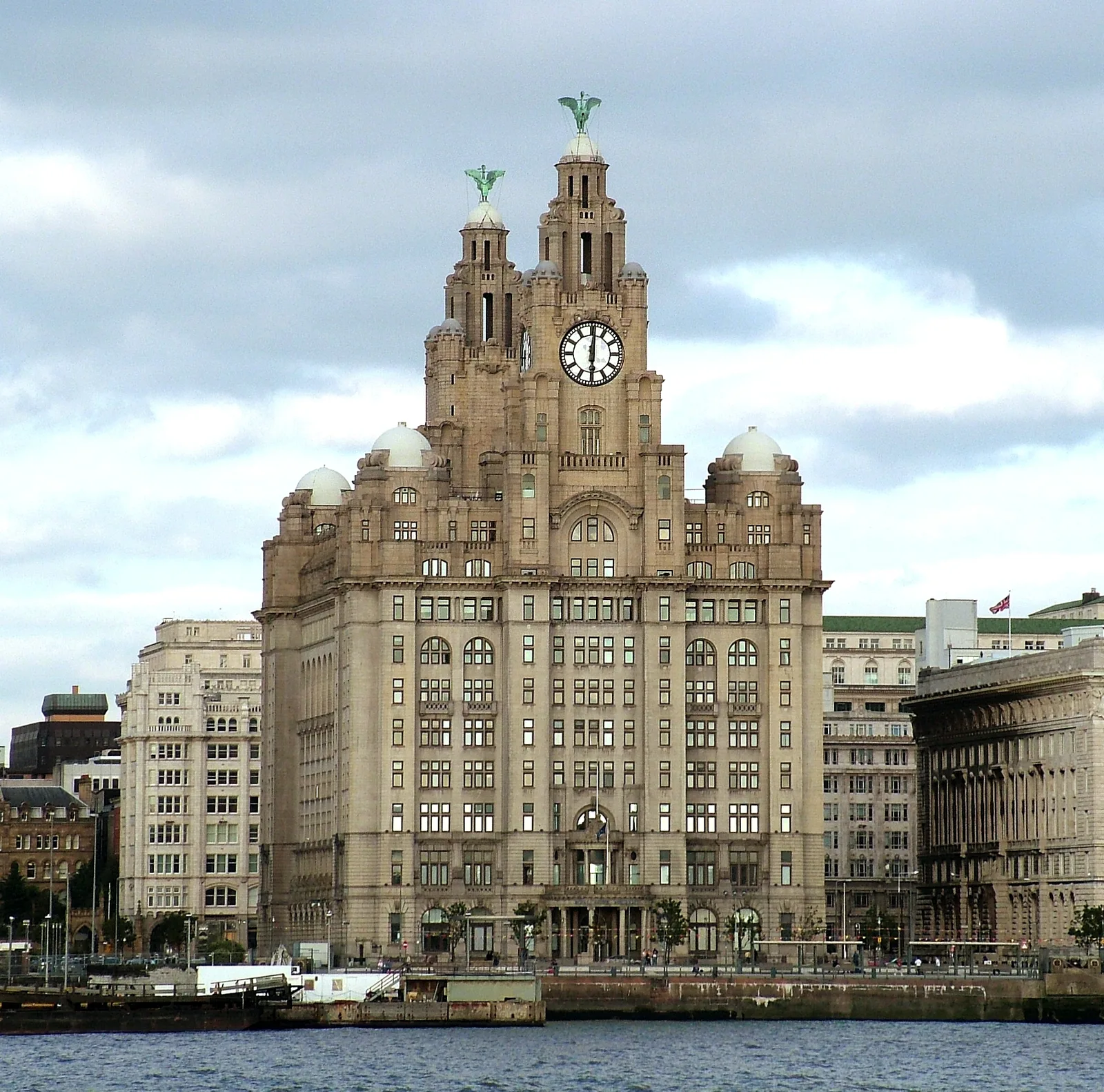
Royal Liver Building — Liverpool airbnb marketing
Local Color
Royal Liver Building
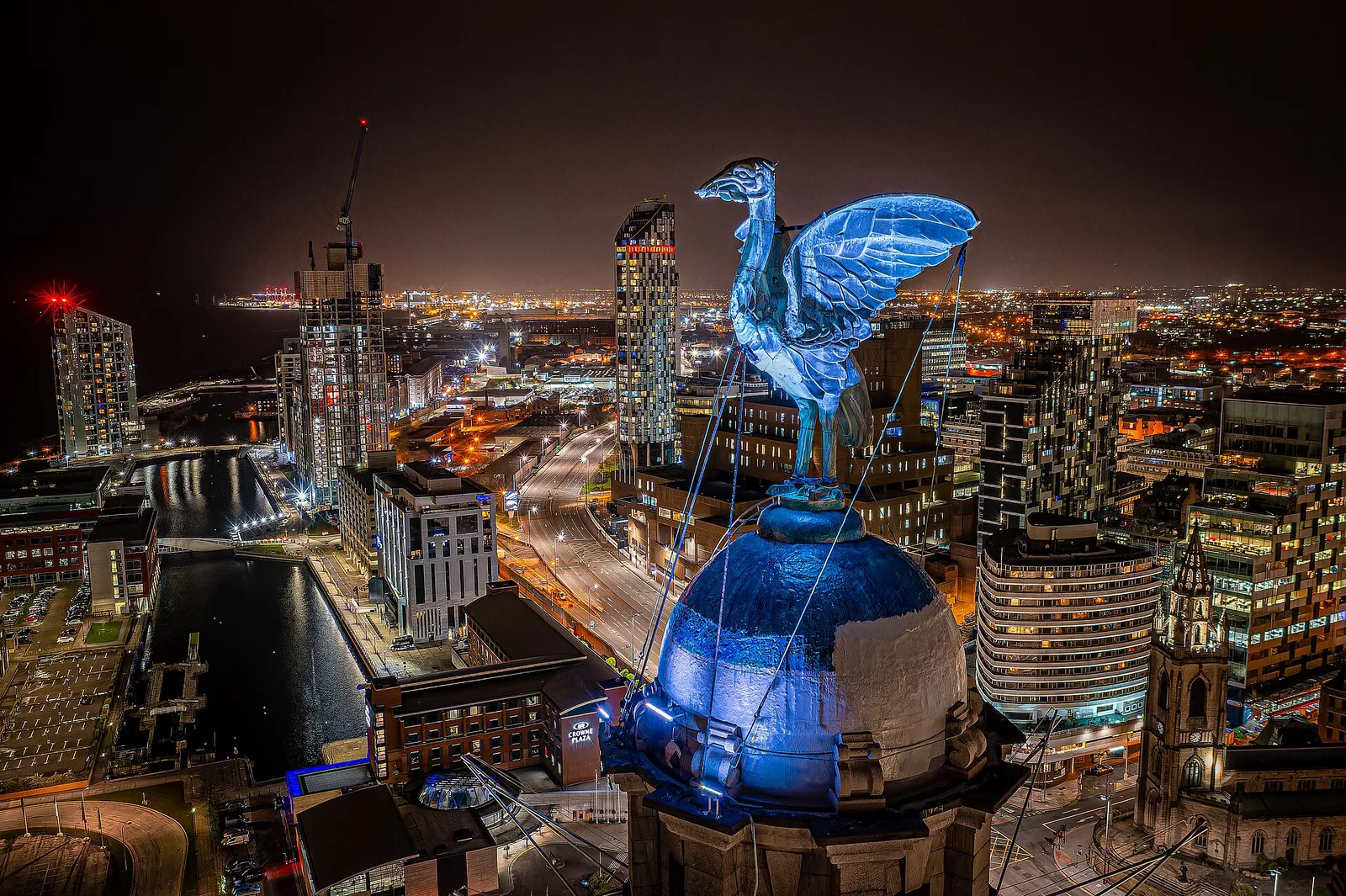
Liverbird Drone Photo — Liverpool airbnb marketing
Local Color
Liverbird Drone Photo
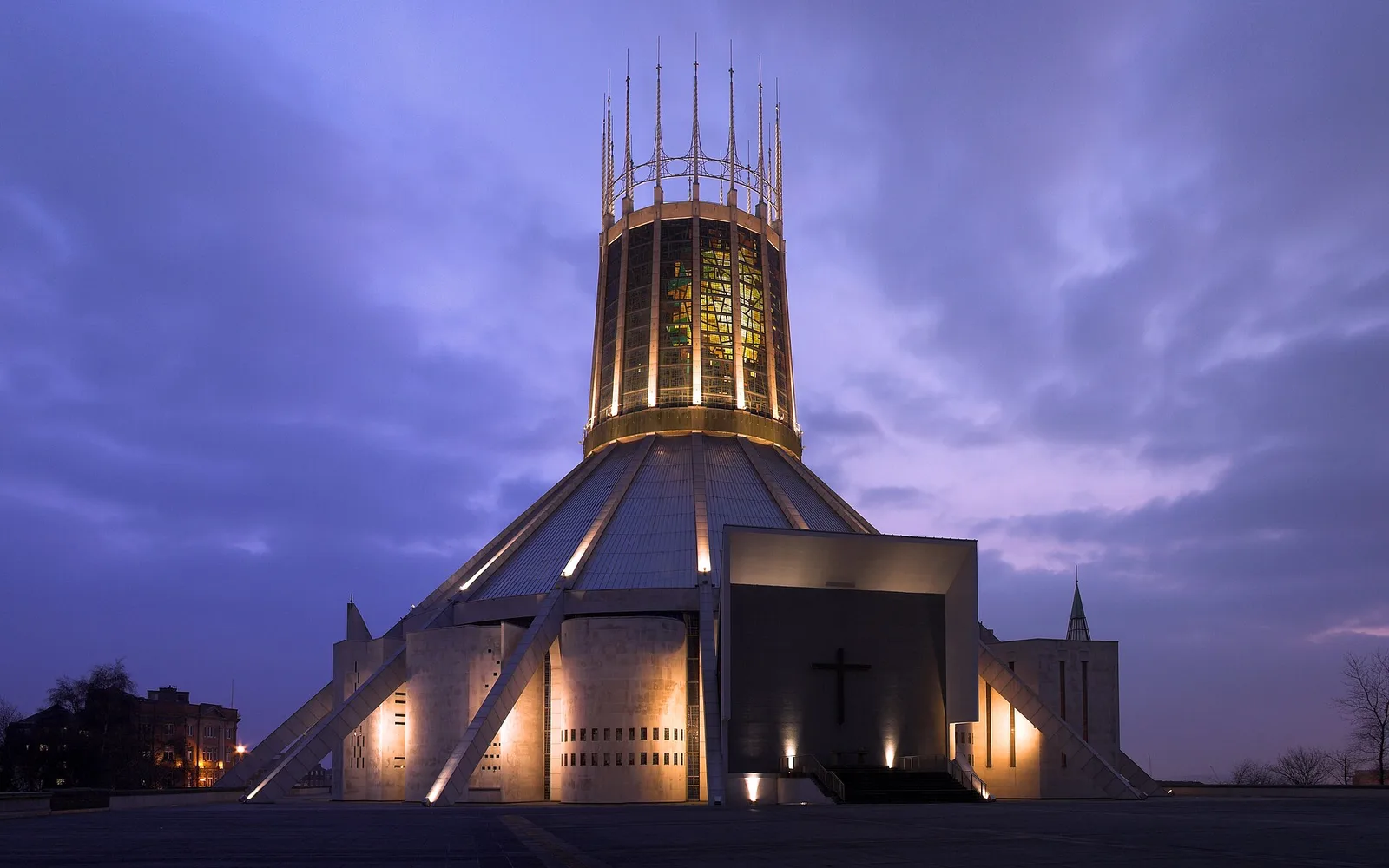
Liverpool Metropolitan Cathedral at dusk new version — Liverpool airbnb marketing
Local Color
Liverpool Metropolitan Cathedral at dusk
Why Cavmir

The Cavmir Advantage
in Liverpool

Cavmir wins in Liverpool because this is a calendar city where almost nobody prices the calendar. Two Premier League fixture lists, European nights, the Grand National, concert dates at the arena and the stadiums, the cruise schedule and the conference diary are all published months ahead, and most listings run one weekday price and one weekend price all year. We build that calendar first and then we make the listing specific in the way Liverpool guests choose: minutes on foot to Lime Street, minutes to the docks, whether the street is a stag-night route, whether the building has a concierge, and honestly how loud a Saturday gets. We shoot the city properly — the waterfront at dusk, the Georgian Quarter's streets, the cathedrals at either end of Hope Street — rather than another set of stock apartment interiors that could be anywhere. And because Liverpool's aparthotel and small hotel sector is growing fast, we build direct-booking websites and repeat-guest programs for operators who are currently paying commission on away fans, conference delegates and hen weekends who come back four times a year. We help position and market your property. We never manage it or touch your keys.

State of the Industry · History

The Liverpool STR Market — Past & Present

Liverpool was a fishing creek until the Atlantic made it rich. King John granted it a charter in 1207 but nothing much happened for five centuries; what changed everything was the world's first commercial wet dock, opened in 1715, and the trade that followed. That trade included sugar, cotton, tobacco and, for decades, a central role in the transatlantic slave trade — a history the city now confronts directly in the International Slavery Museum on the dock rather than skirting. By the nineteenth century Liverpool handled a vast share of British commerce, and the buildings went up to match: the Albert Dock in 1846, the first structure in Britain built entirely of cast iron, brick and stone with no structural timber; the Royal Liver Building in 1911; a skyline that was meant to be seen from the water. Nine million emigrants left for the New World through this port. The Anglican cathedral, begun in 1904 and finished in 1978, is the longest cathedral in the world, and the Metropolitan Cathedral at the other end of Hope Street answers it in concrete and stained glass from 1967.

The twentieth century took the trade away and left the city with something else. Four musicians from Liverpool changed popular music between 1962 and 1970, and the Cavern Club on Mathew Street has been a pilgrimage site ever since. The docks emptied, the population halved, and the 1980s were genuinely bleak. The recovery was slow and then fast: European Capital of Culture in 2008, a regenerated waterfront, a cruise terminal, three universities, a museum sector that is free at the point of entry, and Eurovision in 2023. In July 2021 UNESCO removed Liverpool Maritime Mercantile City from the World Heritage List over the Liverpool Waters development — only the third site ever delisted — which is part of the honest story of a city that chose development over designation. Everton left Goodison Park for a new stadium at Bramley-Moore Dock for the 2025-26 season, putting a second Premier League ground on the waterfront. The short-let market grew inside all of that, fast and largely unregulated, and it remains one of the least restricted and highest-yielding city markets in England.

Pricing Strategy & Seasonality

Pricing, Seasonality & When to Capture ROI

Pricing Strategy

Liverpool's rate map is drawn by walking distance to the docks and to the grounds. The waterfront and Royal Albert Dock carry the top rates and the strongest event demand, with views and a five-minute walk to the arena and the museums. Ropewalks and the Cavern Quarter price on nightlife and proximity, filling weekends hard and requiring honest noise disclosure. The Baltic Triangle trades on character, independent venues and a younger audience, at slightly lower rates with strong Friday and Saturday performance. The Georgian Quarter and Hope Street are the quality tier for couples and longer stays — Georgian terraces, two cathedrals, the best restaurants in the city — and they hold rate better midweek than the party districts. The business district and Liverpool ONE fringe fill Tuesday to Thursday on conference and corporate demand and should be priced as a separate product. Blended, Liverpool runs near £118 a night at about 72% occupancy: modest rates, excellent occupancy and low entry prices, which is why the yield arithmetic here works better than anywhere else in this batch.

Seasonality & ROI Windows

Liverpool has the flattest demand curve in this portfolio, and that is its structural advantage. The football season runs August to May and fills weekends and midweek European nights across nine months. The Grand National in April is the single hottest weekend of the year. Summer brings city-break and cruise traffic, festivals and the international Beatles audience. Autumn carries conferences, concerts and the return of student families. December runs on Christmas markets, parties and shopping. The genuinely quiet weeks are a narrow window in early January and parts of February, and even those are propped up by fixtures and conferences. A property that goes dark in Liverpool has been badly marketed rather than badly located.

Regulation & Licensing · 2026

What the Law Requires in Liverpool

Liverpool is the lowest-regulation market in this batch, and the trap is the rule people do not expect. There is no Liverpool short-term-let licensing scheme, no Article 4 direction removing permitted development rights for short lets, no live national register — England's scheme was legislated for in 2023 but is still not live in mid-2026 — and no C5 use class, which has not been implemented. What does exist locally is selective landlord licensing, which operates in designated wards under the Housing Act 2004 and is aimed at the private rented sector rather than at holiday letting. Whether it reaches a given property depends on the ward and on how the property is genuinely used, and the honest answer is that this is an address-specific question for Liverpool City Council rather than one to settle from a blog post. Planning can still bite: converting a whole dwelling to commercial short-term letting can amount to a material change of use in principle, and purpose-built blocks frequently restrict it at lease level. In Liverpool that lease question is more important than in most English cities, because so much of the short-let stock sits in modern apartment buildings where the freeholder, the management company and the block insurance all have a view. Read the lease and the management company's rules before the listing goes live. Council tax and business rates work as they do across England: a second home premium may apply depending on the council's current policy, and a genuine holiday let can be rated for business rates under the 140-day available and 70-day let test. Confirm the council's current position directly.

Market-Specific Tips & Challenges

Local Tips & Unique Market Challenges

Tips That Actually Move Revenue in Liverpool

Price the fixture lists. Both clubs publish in June, European draws land through the autumn, concerts announce months ahead and the cruise schedule is public — putting all of it into the calendar in one afternoon is the highest-return day's work available in this city. Price the Grand National as its own event twelve months out, not as an April weekend. Be honest about noise: Ropewalks and the Cavern Quarter are loud on a Saturday and a guest who was warned leaves a different review from one who was not. Put minutes to Lime Street in the opening line, because a large share of guests arrive by train. Sell the Georgian Quarter as a different product from the waterfront rather than as a cheaper version of it. Build a midweek proposition — desk, fast wifi, quiet room, late checkout — because the conference and business trade is genuinely there and almost nobody in the short-let market is asking for it. And build the email list: away fans, hen groups and conference delegates return several times a year, and every one of those repeats should be direct.

Unique Liverpool Challenges

Supply is the real risk. Liverpool has added short-let and aparthotel inventory quickly and a lot of it is interchangeable, which pushes undifferentiated listings into price competition in a market where rates are already modest. Lease restrictions in apartment blocks are the most common reason a Liverpool short let has to stop trading, and they are frequently discovered after purchase rather than before. Selective licensing is misunderstood by most owners and is an address-specific question. The party trade is lucrative and genuinely damaging to buildings that cannot absorb it. Regulation is light today and the direction of travel across England is one way. And with the Furnished Holiday Lettings regime gone, the geared purchases that this market runs on need their numbers redone.

The Biggest Arch Outside China
The Chinese Arch on Nelson Street, at the entrance to Liverpool's Chinatown, is the largest arch of its kind anywhere outside China. It was built in Shanghai, shipped over in pieces and raised in 2000 by craftsmen who came with it, standing about fifteen metres high and carrying two hundred dragons. Liverpool has the oldest Chinese community in Europe, dating from the shipping lines that ran to Shanghai from the 1860s, and the arch is the city being characteristically unsubtle about a thing it is proud of.
Finance Essentials — Liverpool
🛡️

Insurance

Liverpool underwriting is dominated by the building rather than the unit. Most short-let stock is in apartment blocks, so you need to know exactly where the block policy ends and yours begins, and whether the management company's cover contemplates short letting at all. You need short-let or commercial cover with public liability, loss of rent and accidental damage by guests. Party and noise damage is a genuine category here given the hen, stag and match-day trade — either exclude those bookings by policy or insure honestly for them. Escape of water is the common claim in modern blocks. Keep the fire risk assessment current and aligned with the building's own fire strategy.

🧾

Property & Income Tax

The national change is the one that matters here. From 6 April 2025 the Furnished Holiday Lettings regime ended, so short-let income is taxed as ordinary UK property income — mortgage interest relieved only at a basic-rate credit, capital allowances on new expenditure replaced by replacement of domestic items relief, and no Business Asset Disposal Relief on sale. Because Liverpool is a high-gearing market where investors have historically bought with mortgages against strong yields, that change bites harder here than in a cash-buyer heritage town. Council tax treatment depends on the council's current second home policy, and a genuine holiday let can move to business rates under the 140/70 test with small business rate relief often following. VAT arrives at the registration threshold, which multi-unit operators reach quickly. Model it with an accountant before the next return.

🏦

Mortgages & Financing

Liverpool is one of the few English cities where the yield arithmetic still works on a mortgage. Entry prices are well below the national average while occupancy runs high, which is why lenders see plenty of applications here — but they will ask hard questions about lease restrictions, block management rules and whether the property is genuinely a holiday let or a disguised buy-to-let. Expect a specialist panel, 25-30% deposit, and affordability assessed on projected income. The April 2025 tax change hits geared purchases hardest, so rerun any model built before then. Use a broker who understands both short-let lending and Liverpool's leasehold apartment stock.

Future Outlook · 2027 & Beyond

Where Liverpool is Headed Next

Liverpool is the market in this batch most likely to see new rules, precisely because it currently has so few. The city's short-let supply has grown quickly, the housing pressure is real, and the tools already exist in principle — a selective licensing regime that could be extended, an Article 4 direction that has not been made, and a national register that will eventually arrive. Plan for registration and more visibility rather than for a ban. Everything else points up. Everton's move to Bramley-Moore Dock puts a second Premier League ground on the waterfront and extends the visitor economy northward along the docks; the cruise terminal keeps growing; the conference trade is well established; and the Beatles economy shows no sign of ageing out. The city's own regeneration pipeline along the northern docks is the largest in the north of England. The risk to watch is oversupply rather than regulation: a lot of new aparthotel and short-let inventory has come on, and in a market of modest rates and abundant identical apartments the operators who survive a supply shock will be the ones with direct bookings, repeat guests and a reason to be chosen beyond price.

From the Desk of Sofie Sinag

Why We Love Marketing in Liverpool

We love Liverpool because it is the most self-assured city in England and it did not get that way easily. The waterfront still looks like it was built to be seen from a ship, the two cathedrals stare at each other down Hope Street with a road called Hope between them, and the humour is relentless and mostly at your expense. It is a city where the museums are free, the football is a religion practised at two competing churches, and the music heritage is not a marketing exercise — the Cavern is a basement on a street where it actually happened. What makes it work commercially is that almost none of the demand depends on weather or season: fixtures, conferences, concerts, cruises and the Grand National fill a calendar that runs all year. And it is still cheap enough to buy into, which is not true of anywhere else in this batch. For marketers, Liverpool is a discipline market rather than a craft one: the demand is published, the supply is large and similar, and the operators who load the calendar and build a direct-booking base will beat the ones competing on price with an identical apartment three floors up.

Why It Matters

A great property in Liverpool doesn't just want a listing — it wants a point of view, an audience, and a brand the city itself would recognise.

Cavmir's Liverpool Cheat Sheet

The Picks We Recommend for Your Welcome Book

The picks we send Liverpool guests — chosen so a wet Tuesday works as well as a match Saturday, which in this city is not a difficult brief.

Coffee & First Light

The waterfront before eight

Walk from the Pier Head past the Three Graces to the Albert Dock while the city is still asleep and the light is coming off the Mersey. Ferries start early, the dock water is flat, and it is the one time the most photographed stretch in the north of England belongs to whoever turned up.

The Splurge Table

Röski, Rodney Street

A small Michelin-starred dining room in the Georgian Quarter run by a chef who trained in some serious kitchens and came home. It is the reservation Liverpool residents make for their own big nights, and it sells a weekend better than any photograph of a kitchen island.

Local Obsession

Scouse, in a pub that still makes it

The lamb or beef stew the city is named after, served with pickled red cabbage and crusty bread, and best found in an old pub rather than anywhere with a concept. Send guests to eat a bowl of it on a cold day and they will understand the place faster than any museum can explain it.

Shoulder Season Secret

A midweek European night at Anfield

The atmosphere on a continental Tuesday is different from a league Saturday and everyone who has been to both will tell you so. Midweek fixtures fill your calendar at weekend rates in months nobody thinks of as peak, and they are published far enough ahead to price properly.

Weekend Escape

The Mersey Ferry to Seacombe and back

Half an hour across the water for the view back at the skyline that made the city, with the commentary that has become a local institution. It costs very little, works in most weather, and is the single easiest recommendation to put in a welcome book.

What Guests Ask For

Lime Street, the ground and the noise

Liverpool enquiries repeat four things: how long to Lime Street on foot, how to get to Anfield or Bramley-Moore Dock, whether the street is loud on a Saturday night, and where a car goes. Answer all four honestly and you will avoid the reviews that cost you most.

Local Work · Composite Case Vignettes

What Cavmir Has Done for Liverpool Properties

A few composite engagements drawn from how Cavmir typically works in this market. The details are illustrative and consistent with Liverpool, not pulled from a single named client.

Two-bedroom apartment · Ropewalks
The Brief

A city-centre flat ran one weekday rate and one weekend rate all year, had never priced a single fixture or concert, took frequent one-night party bookings, and was collecting reviews complaining about noise the listing had never mentioned.

What We Did

Cavmir loaded both clubs' fixture lists, European nights, arena announcements, the cruise schedule and the Grand National into the calendar, set minimum stays and a clear group policy, and rewrote the listing to disclose the Saturday-night noise honestly up front.

The Result

Event nights stopped selling at ordinary rates, the noise complaints largely disappeared because expectations were set before arrival, and the property moved from competing on price to competing on being the obvious choice for match weekends.

Twenty-two-unit aparthotel · waterfront
The Brief

A new aparthotel was filling through platforms at heavy commission, had no direct channel worth the name, and was invisible to the conference and away-support market that made up most of its actual guests.

What We Did

Cavmir built a direct-booking website with proper photography, room categories and a best-rate guarantee, packaged match-day and conference stays, priced the published event calendar, and set up a post-stay sequence targeting repeat corporate and football bookers.

The Result

Direct bookings began carrying a meaningful share of midweek occupancy, the conference weeks sold earlier and better, and the operator built a guest database of returning delegates and away fans rather than renting the same guests back from a platform four times a year.

Georgian townhouse flat · Hope Street
The Brief

A characterful flat in the Georgian Quarter was being marketed as a cheaper city-centre option, lost every comparison on walking distance to the docks, and sat quiet midweek despite sitting between two cathedrals and the city's best restaurants.

What We Did

Cavmir repositioned it away from the waterfront comparison entirely — architecture, the two cathedrals, the restaurant street, a quiet night's sleep — and built a midweek proposition for couples, visiting academics and business guests with a desk and a late checkout.

The Result

The flat stopped competing on a distance comparison it could never win, midweek occupancy rose materially, and the average stay lengthened as the guest mix shifted from one-night weekenders to two- and three-night couples.

Market Intelligence · Seasonality

Airbnb seasonality in Liverpool, month by month

Demand in Liverpool peaks around April and July and runs quietest around January through February. Here is how the year actually books — and what to do about each stretch of the calendar.

Peak demandSteadyQuiet

Peak season

The Grand National weekend at Aintree in April is the single hottest block of the Liverpool year, filling every bed in the city and well out into the suburbs at rates nothing else matches. Summer is the second peak, carried by city-break traffic, the international Beatles audience, festivals and cruise calls. Neither peak is weather-dependent in the way a coastal market is, which is why Liverpool's ceiling is set by supply and pricing discipline rather than by sunshine.

The shoulders

There is barely a shoulder here in the usual sense, because the football season runs from August to May and fills weekends and midweek European nights across nine months. Autumn adds the conference and exhibition trade at the waterfront, arena concerts and returning students with their families. Spring brings the Grand National and the run-in to the end of the season. What most operators call shoulder is simply the weeks they forgot to price.

The quiet stretch

A narrow window in early January and parts of February are the only genuinely soft weeks, and even those carry league fixtures, conferences and a city that keeps working. December runs strongly on Christmas markets, office parties and shopping. Liverpool has the flattest demand curve in this portfolio, and a property that goes dark here has been badly marketed rather than badly located — the calendar is published and free to read.

Dates that fill first

The Grand National, AintreeApril
Three days of the world's most famous steeplechase that fill the entire city and its suburbs. The single biggest rate opportunity of the Liverpool year, and one worth pricing twelve months ahead rather than three weeks.
Premier League home fixturesAugust to May
Two top-flight clubs now play in the city, with Everton at Bramley-Moore Dock since the 2025-26 season. Fixture lists publish in June; away support stays overnight and books as soon as dates are confirmed.
European football nightsAutumn to spring, midweek
Continental fixtures fill Tuesday and Wednesday nights at weekend rates, with travelling support booking the moment draws are made. Most local listings never react to them at all.
Waterfront arena and stadium concertsYear-round
Major arena shows on the dock plus stadium concerts in summer. Announcements move rates across the city centre immediately, and the lead time between announcement and event is where the money is made.
Cruise calls at the Liverpool terminalSpring to autumn
A published schedule of calls and turnarounds in the middle of the city, generating pre- and post-cruise night demand that the short-let market almost entirely ignores in favour of the hotels.
Market Intelligence · Guests

Who books Liverpool Airbnbs — and how far ahead

Football supporters and away fans
The backbone of the calendar across nine months, including European nights. They book on fixture publication, want walking or transport clarity to the ground, and return several times a season, which makes them ideal direct-booking candidates.
Conference and business midweek
Waterfront convention and exhibition traffic filling Tuesday to Thursday. They want a desk, fast wifi, a quiet room and a late checkout, and they are almost entirely unaddressed by the short-let market.
Beatles and music heritage travellers
International visitors working through the Cavern, Mathew Street, Penny Lane and Strawberry Field. Longer lead times, longer stays, and far less price-sensitive than the domestic weekend market.
Hen, stag and celebration groups
A large and lucrative part of Liverpool weekend demand that also causes most of the complaints. Either build for it with the right building and clear rules, or exclude it deliberately — the middle ground is where reviews go wrong.
Aparthotel and small hotel guests
Liverpool's fast-growing aparthotel sector competes directly with whole-flat lets and serves the same away fans and delegates. These operators have the largest unused direct-booking upside in the city.

The booking window

Fixture-driven demand books on publication — the June fixture release and European draws produce immediate booking waves. The Grand National fills months ahead. Conference and concert demand follows announcements. Ordinary weekends book two to four weeks out and midweek business often inside a week. The pattern rewards releasing rates the moment a date is public rather than waiting for demand to show up in the calendar.

Typical stays

Two nights on weekends, one to two nights around midweek fixtures, three to four nights for conferences and international visitors. One-night stays are more viable here than in most markets because of fixture demand, but they carry the highest complaint risk, so minimum stays over big event weekends are worth holding even when a single night would fill.

Where guests drive from

ManchesterBirminghamLeedsChesterPreston

Where guests fly from

DublinLondon (Heathrow and Gatwick)Liverpool John LennonBelfastAmsterdamNew York
Liverpool draws heavily from the north west and the Midlands by road and rail, with Lime Street two hours from London Euston. Dublin and Belfast are short, cheap flights and supply a large weekend market. The international Beatles audience is genuinely global. For paid media, football and music interest audiences in the UK and Ireland are cheap and convert well against published fixture and concert dates.
Market Intelligence · What Wins

The Airbnb that wins in Liverpool

The winning Liverpool property is a well-finished apartment within a ten-minute walk of Lime Street or the waterfront, in a block whose lease and management company actually permit short letting, with genuine sound insulation and a clear position on group bookings. Because supply is large and similar, the differentiators are legitimacy, noise control and a calendar that is priced — not another set of grey interior photographs.

Amenities that move bookings here

Walking time to Lime Street publishedReal sound insulation and blackout blindsFast wifi with the speed stated, plus a deskSecure parking or a named car park with costClear transport directions to both groundsLate checkout on match SundaysLuggage storage for early train arrivalsWritten house rules on noise and group size
The single most valuable thing you can do is spend one afternoon loading both clubs' fixture lists, the European calendar, concert announcements, the cruise schedule and the Grand National into your rates. In a city where most listings run two prices all year, that afternoon is worth more than any renovation.
Straight Answers

Liverpool Airbnb marketing questions, answered

How do I market my Airbnb in Liverpool?

Price the published calendar, because almost nobody here does. Both Premier League fixture lists come out in June, European draws land through the autumn, arena and stadium concerts announce months ahead, the cruise schedule is public and the Grand National is fixed — loading all of it into your rates is the highest-return afternoon available in this market. Then differentiate on legitimacy and honesty: confirm your lease permits short letting, disclose Saturday-night noise up front, publish minutes to Lime Street and clear directions to both grounds, and build a midweek proposition for the conference trade nobody else is targeting.

When is peak season in Liverpool?

Liverpool barely has a season, which is its structural advantage. The Grand National weekend in April is the single hottest block of the year. Summer is the second peak on city breaks, cruises and the international Beatles audience. But the football season runs August to May and fills weekends and midweek European nights across nine months, the conference trade fills autumn and spring midweek, and December runs on markets and parties. Only a narrow window in early January and parts of February are genuinely soft, and even those carry fixtures.

How far in advance do guests book in Liverpool?

It is driven by announcements rather than seasons. Fixture publication in June produces an immediate booking wave, European draws do the same through the autumn, and concert announcements move rates the day they land. The Grand National fills months ahead. Ordinary weekends book two to four weeks out, and midweek business demand often books inside a week. The practical rule is to have your rates live and correct the moment a date becomes public, because in this city the money is made between announcement and event.

Where do Liverpool's guests come from?

The north west and the Midlands supply the drive market, and Lime Street is two hours from London Euston by rail. Dublin and Belfast are short, inexpensive flights and send a large weekend audience. The Beatles market is genuinely international and books long leads. Away football support arrives from across the UK and Europe on fixture dates. For advertising, football and music interest audiences across the UK and Ireland are inexpensive and convert well when targeted against specific published fixtures and concert dates rather than generic city-break messaging.

Do I need a licence to run a short let in Liverpool?

There is no Liverpool short-term-let licensing scheme, no Article 4 direction for short lets, no live national register as of mid-2026 and no C5 use class. The rule that actually catches people out is different: selective landlord licensing operates in designated Liverpool wards under the Housing Act 2004, and whether it reaches your property depends on the ward and how the property is genuinely used — that is an address-specific question for the council. More often, the binding constraint is your lease, because a great deal of Liverpool short-let stock sits in apartment blocks that prohibit it outright.

Free Tools · Websites That Book

See what your listing in Liverpool is leaving on the table

Run your Airbnb, Vrbo, or website through Cavmir's free grader. It checks the things that decide whether guests book in Liverpool — photos, listing copy, page speed, local search — and shows you where bookings leak. Takes about a minute, and there's no sales call attached.

If the report says your booking engine is the weak link, that's fixable: a direct-booking website of your own means repeat guests stop paying platform fees to come back to you. That's the work Cavmir does — see Airbnb website design in Liverpool.

What the grader measures

  • Photos and the first-impression frame
  • Listing title and copy
  • Your direct-booking website (or the lack of one)
  • Page speed and mobile experience
  • Local search and Google visibility
Grade My Listing — Free
Ready to Grow in Liverpool?

Let's Put Your Liverpool
Property on the Map

Talk to Cavmir today. We'll show you exactly what your Liverpool property is leaving on the table — and how fast we can change that.

Book a Free Strategy Call