Start here Work with Cavmir in York
Get a Proposal (786) 751-3426
£146
Avg. Nightly Rate
70%
Avg. Occupancy Rate
£3,060
Avg. Monthly Revenue
5-7%
Est. Cash-on-Cash ROI
MEDIUM
Seasonality
LOW
Regulatory Burden

* Market averages. Properties marketed by Cavmir typically exceed these figures by 25–45%. Data sourced from AirDNA, STR market reports, and Cavmir internal analytics.

The Market

Why York is One of the World's Premier STR Markets

York is one of the easiest cities in England to operate a short let in and one of the hardest to stand out in, which is exactly the sort of market that rewards marketing. There is no York licensing scheme. England's national short-term-let register has slipped repeatedly and is still not live in mid-2026, and the C5 use class has not been laid before Parliament, so anything describing either as a live requirement in York is describing an intention. The friction here is council tax: City of York Council has charged a 100% premium on second homes since 1 April 2025, doubling the bill on any furnished property that is nobody's main home, and councillors have said publicly that they want further powers over owners who move properties onto business rates through the seventy-day holiday-let test. Six days after that premium began, the Furnished Holiday Lettings tax regime ended nationally. What all of that leaves is a compact walled city with a genuinely year-round demand calendar — a February Viking festival, a racecourse that moves the whole market on fixture days, a Christmas market that runs for six weeks — and several thousand listings competing largely on price because most of them have never bothered to price the calendar at all.

York's demand is broad, urban and unusually resistant to weather, because almost nothing here depends on the sun. The Minster, the Shambles, the walls, the Jorvik Viking Centre, the National Railway Museum and a very good food and pub scene are all indoor or short-walk propositions, and the city sits two hours from London and inside an hour of Leeds, Manchester and Newcastle, which makes it a genuine two-night break market rather than a week-long one. Racing is the swing factor most owners underuse: York Racecourse on the Knavesmire runs a season of fixtures including the Dante meeting in May and the Ebor Festival in August, and on those days the whole city's rates should move. The Christmas market runs for around six weeks from mid-November and is one of the strongest sustained demand blocks of any UK city its size. Blended nightly rates sit near £146 with occupancy around 70% across several thousand listings — high occupancy, moderate rates, which tells you exactly where the opportunity is. Guest houses, small hotels and Georgian townhouse B&Bs are a substantial part of supply and have been marketing to the same weekend couples for generations.

Top Attractions & Landmarks

  • York Minster and the Great East Window
  • The York city walls
  • The Shambles and the snickelways
  • Jorvik Viking Centre
  • The National Railway Museum
  • York Racecourse on the Knavesmire
  • Clifford's Tower and the York Castle Museum

Nearby Markets: The Lake District  |  Liverpool  |  Bath

Airbnb marketing services in York, England, United Kingdom, Europe
Postcards

York through the lens

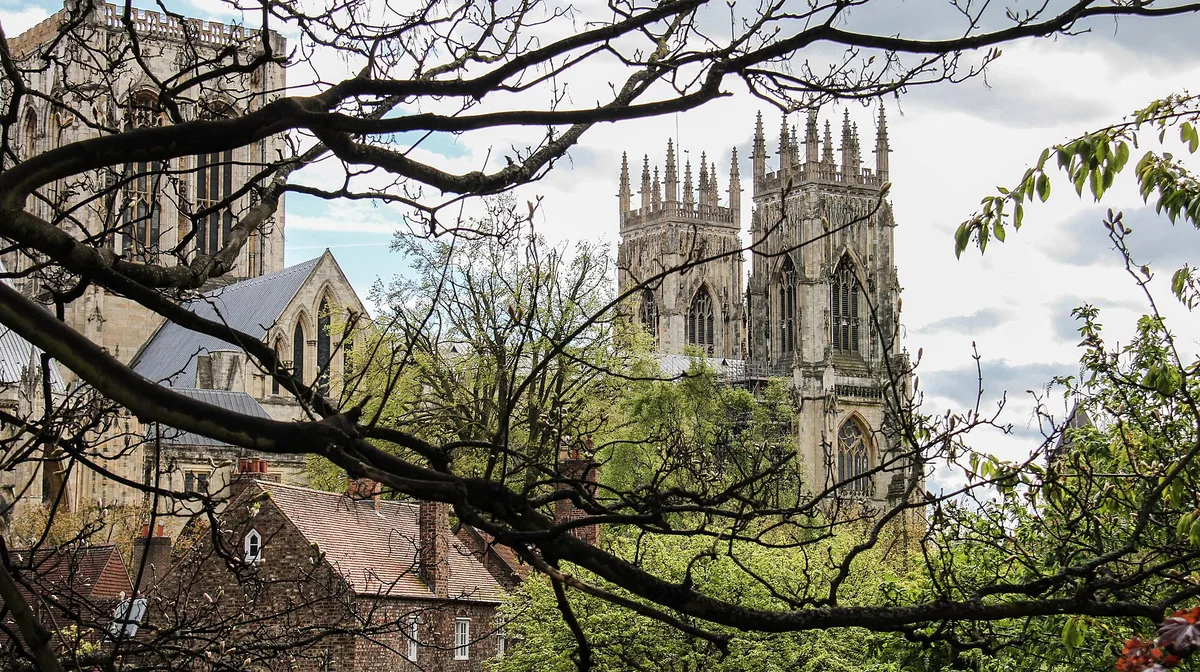
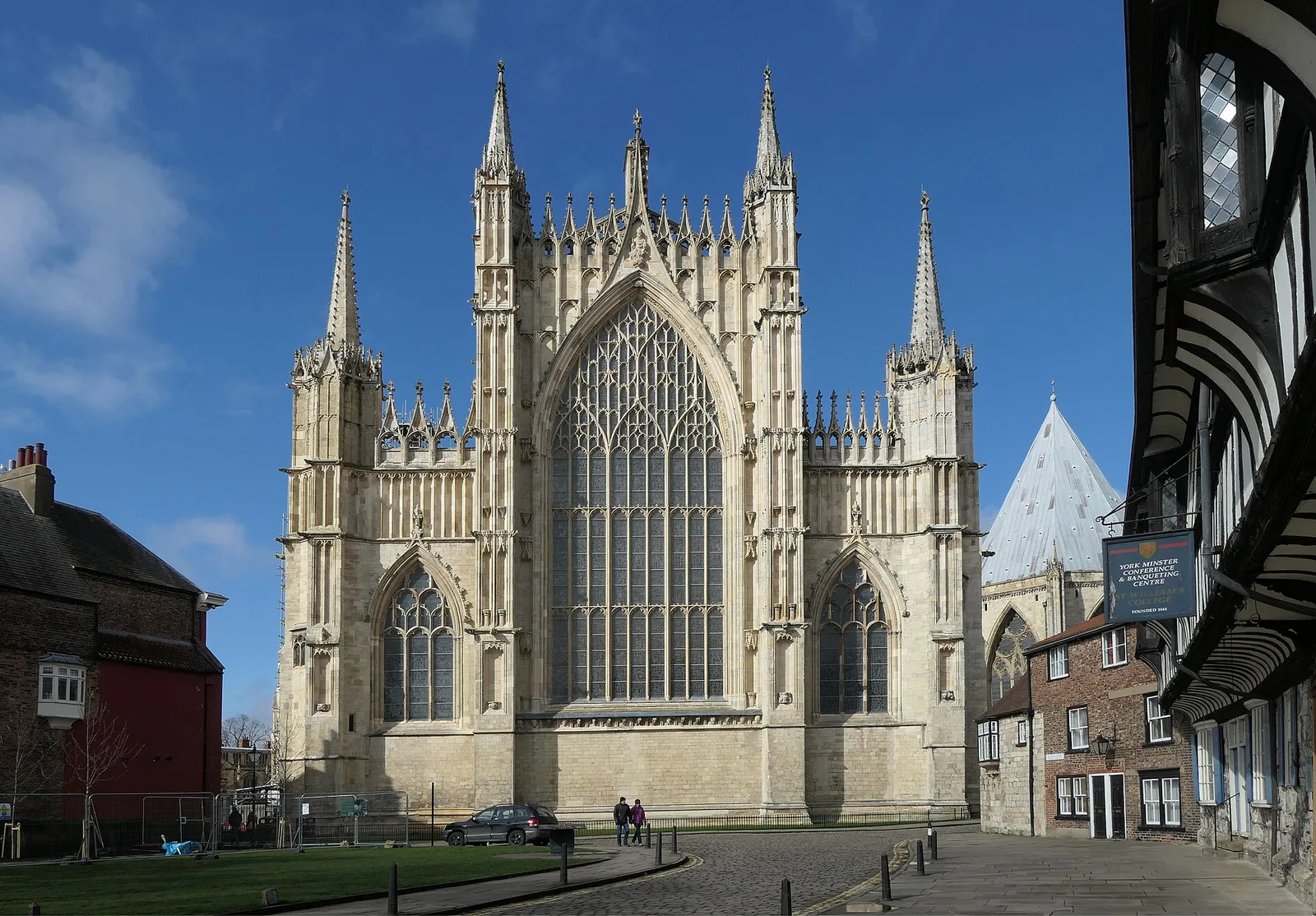
A few of the visual fingerprints we lean into when we shoot, brand and market a York property — courtesy of the open Wikimedia Commons archive.

York Minster exterior, — York airbnb marketing
Local Color
York Minster exterior,
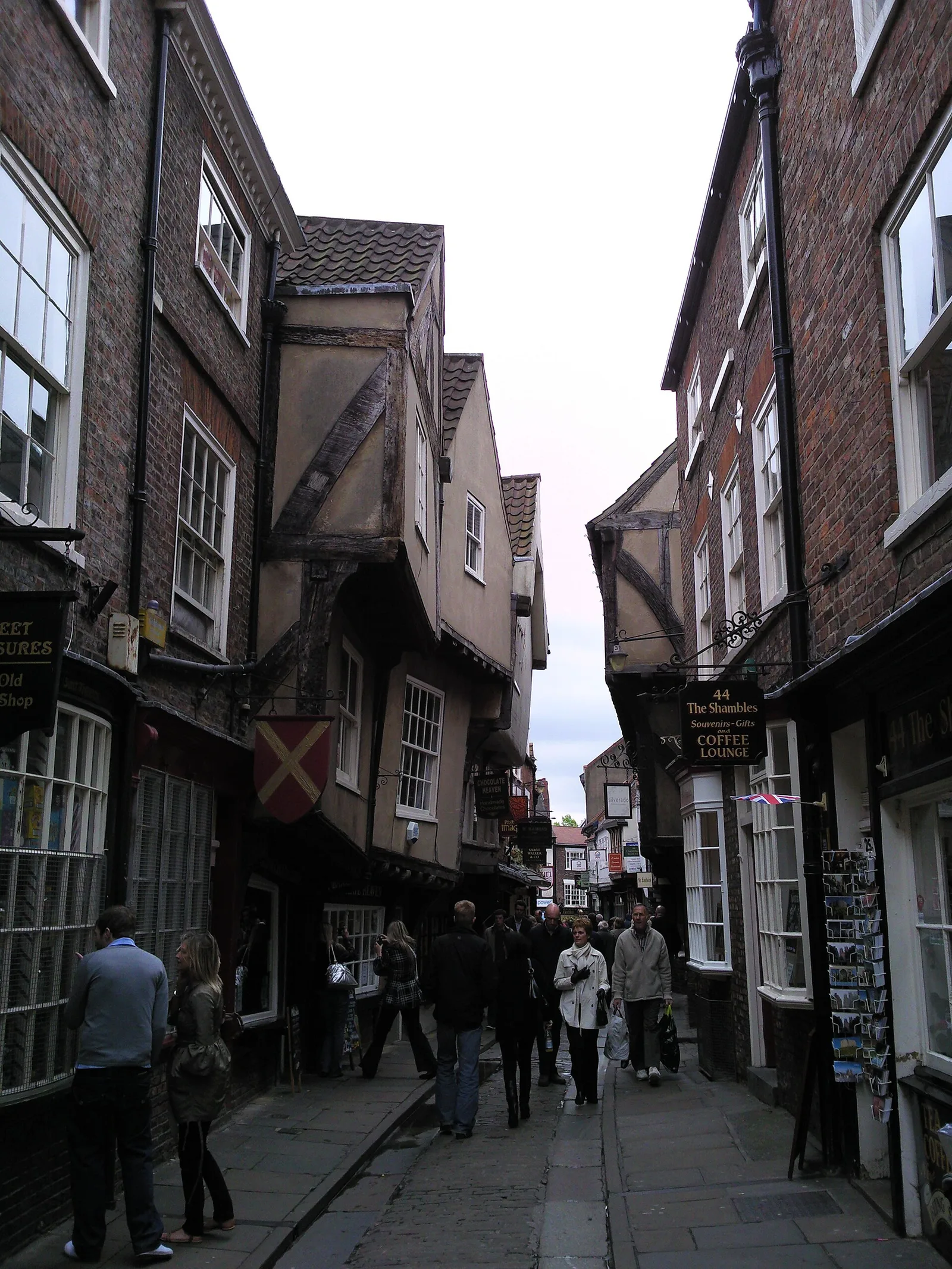
The Shambles Overhangs — York airbnb marketing
Local Color
The Shambles Overhangs
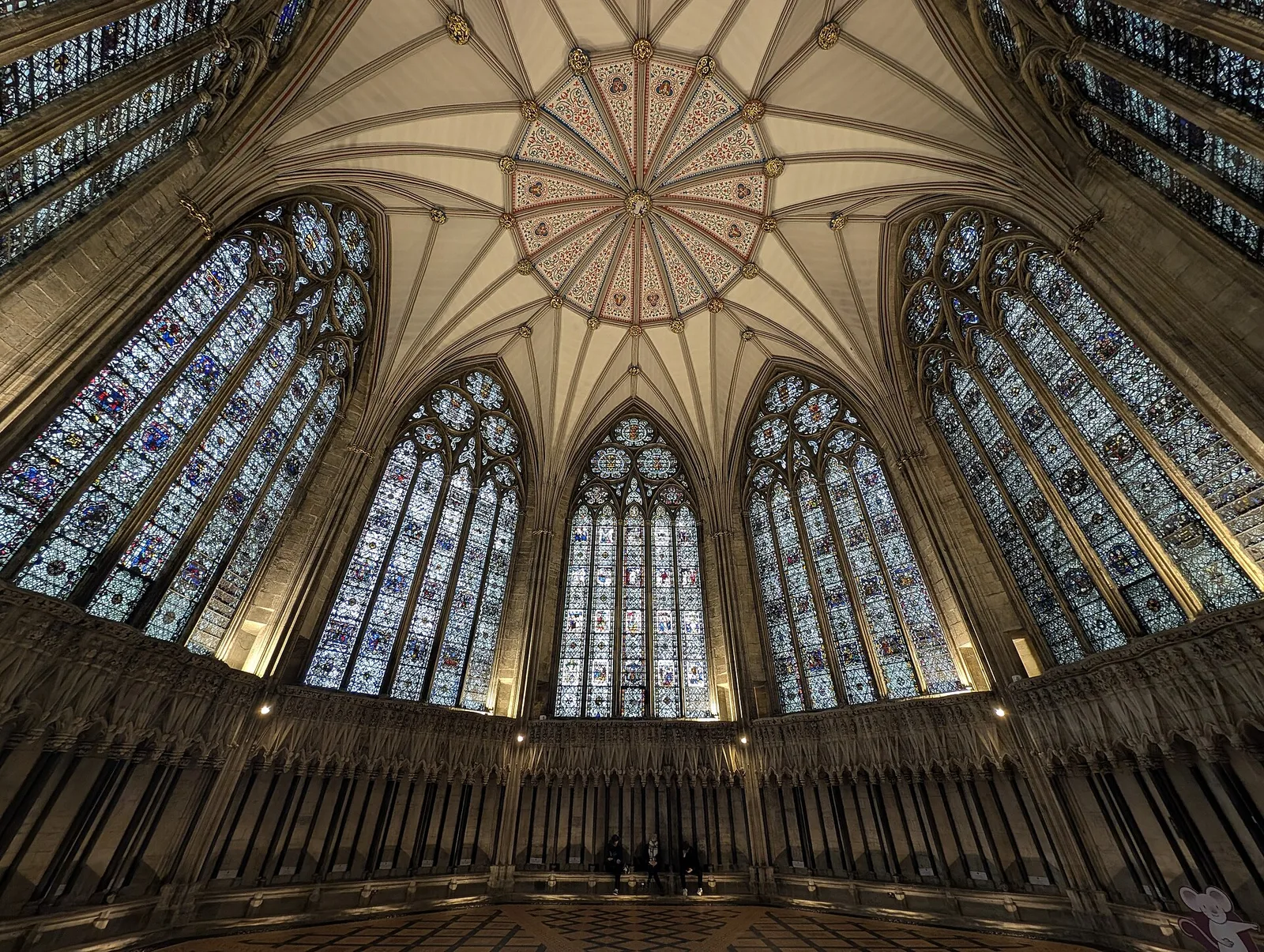
York York Minster 2025 09 19 19 11 44 007 — York airbnb marketing
Local Color
York York Minster
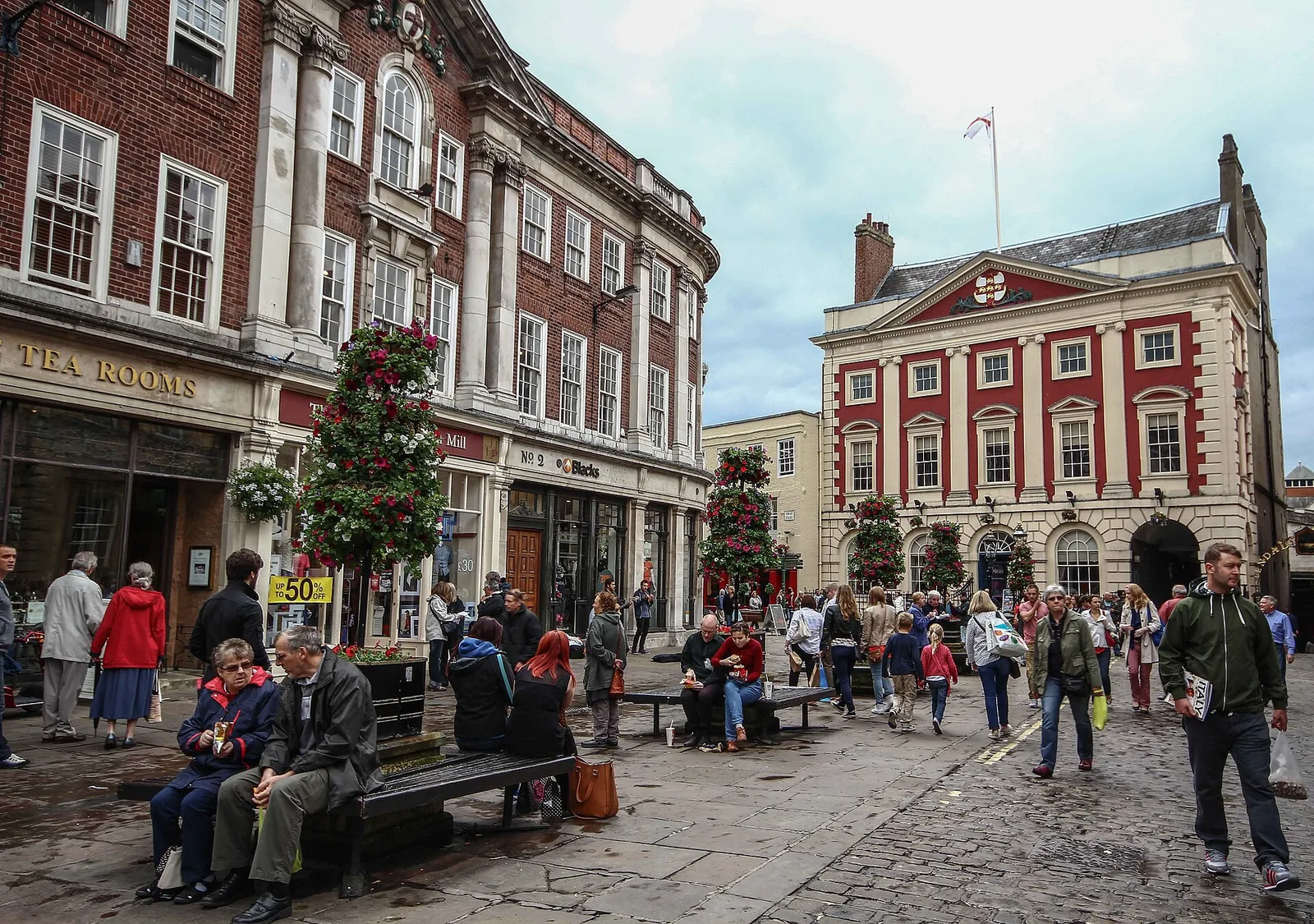
St Helen's Square, York — York airbnb marketing
Local Color
St Helen's Square, York
Why Cavmir

The Cavmir Advantage
in York

Cavmir wins in York because the city has a published calendar and most listings behave as though it does not exist. Race days, the Ebor Festival, the Jorvik Viking Festival in February half-term, the Christmas market's six weeks, the food festival in September, university graduation weekends: all of it is announced in advance and almost all of it is sold at ordinary rates by owners who set a price in January and forget it. We build the rate calendar first. Then we make the listing specific in the way York guests actually choose — minutes on foot to the Minster, to the station, to the walls, whether the street is on a pub-crawl route, whether the flat is above a bar, and where a car can legally go inside a city built for carts. We photograph York in the two windows that flatter it: early morning before the Shambles fills, and late afternoon in autumn when the stone goes gold. And for York's guest houses, small hotels and townhouse B&Bs we build direct-booking websites and repeat-guest programs, because a couple who have come back for the Christmas market four years running should not be routed through a platform for the fifth. We help position and market your property. We never manage it or touch your keys.

State of the Industry · History

The York STR Market — Past & Present

York has been the most important city in the north of England for most of two thousand years, and it has the layers to prove it. The Romans founded Eboracum in AD 71 as a legionary fortress at the meeting of the Ouse and the Foss; Constantine was proclaimed emperor here in 306, and there is a statue of him sitting outside the Minster to say so. The Anglo-Saxons made it Eoforwic and a centre of learning. In 866 the Vikings took it, renamed it Jorvik, and turned it into a trading city whose streets — Coppergate, Micklegate, Goodramgate — still carry the Old Norse gata for street. The Coppergate excavation between 1976 and 1981 pulled the waterlogged remains of that city out of the ground in extraordinary condition and produced the Jorvik Viking Centre, which is why York now has a Viking festival every February.

The medieval city built the walls that still ring it — the most complete circuit in England, walkable in about two miles — and the Minster, begun in 1220 and finished in 1472, the largest Gothic cathedral in northern Europe, with a Great East Window completed in 1408 that remains the largest single expanse of medieval stained glass in the world. Wool and later chocolate paid the bills; Rowntree's and Terry's made York a confectionery town well into the twentieth century, and the railway made it a junction, which is why the National Railway Museum is here. Tourism arrived properly in the twentieth century and never left, and the city's compactness — everything inside the walls is a fifteen-minute walk — made it one of the earliest and densest short-let markets outside London. The pressure that produced policy elsewhere arrived here later and more mildly: no licensing scheme, no Article 4 for holiday lets, but a 100% council tax premium on second homes from 1 April 2025 and a council openly asking for more powers over owners who shift onto business rates. Add the abolition of the Furnished Holiday Lettings tax regime the same month and you have a market that is still easy to enter and considerably harder to make money in casually than it was two years ago.

Pricing Strategy & Seasonality

Pricing, Seasonality & When to Capture ROI

Pricing Strategy

York's rate map is almost entirely about the walls. Inside the walls — the Minster quarter, Goodramgate, the streets off Stonegate and Petergate — is the premium tier, where a small apartment with a two-minute walk to the Minster out-earns a much larger property outside, and where race weekends and the Christmas market produce the year's top rates. Micklegate and the Bishophill side trade slightly lower with a strong race-day advantage, since the Knavesmire is a walk rather than a taxi. Bootham and Clifton to the north are the quieter, higher-quality residential tier, good for families and longer stays, with parking that actually exists. Fulford, Fishergate and the riverside south are the value tier, honest about a fifteen-to-twenty-minute walk and competing on space. The Groves and Layerthorpe sit close in at lower rates and reward listings that are precise about the walk. Blended, York runs near £146 a night at about 70% occupancy — strong occupancy at moderate rates, which means the money here is made by moving rate on the days the city is full, not by chasing volume.

Seasonality & ROI Windows

York's year is more even than almost any English tourist city, and the reason is that its attractions are indoor. Spring builds from Easter through the Dante meeting in May. Summer is the volume peak on families and international visitors, with the Ebor Festival in August the single strongest racing block. September holds up on the food and drink festival and returning students. The Christmas market from mid-November for around six weeks is a sustained peak that rivals summer. January and February would be the quiet months in most cities, but the Jorvik Viking Festival lands in February half-term and gives York a demand spike almost nowhere else in England has at that time of year.

Regulation & Licensing · 2026

What the Law Requires in York

York is the lowest-friction market in this batch on paper, and the risk is assuming that means no rules at all. There is no York short-term-let licensing scheme. England's national register was legislated for in the Levelling Up and Regeneration Act 2023 but is still not live in mid-2026 and is expected to begin voluntary; the C5 short-term-let use class has not been implemented and no statutory instrument has been laid. City of York Council has not made an Article 4 direction removing permitted development rights for short lets. What does apply is council tax and heritage. Since 1 April 2025 the council charges a 100% premium on second homes — furnished properties that are nobody's main home — which doubles the bill. There are published exceptions, including properties with an occupancy restriction that prevents year-round use and furnished properties genuinely let long-term to a residential tenant. A property run as a real holiday let can instead be assessed for business rates under the England-wide test of being available to let 140 days and actually let 70 days in the previous year, and small business rate relief often follows; York councillors have said publicly they consider this route a gap they would like more power over, so treat the 70-day evidence trail as something to document properly rather than assert. Heritage is the other live layer. Much of the city inside the walls is listed or in a conservation area, and external alterations, signage and window replacements need consent. If your property is a flat, read the lease: many York leases restrict short letting, and the freeholder can enforce regardless of what the council does.

Market-Specific Tips & Challenges

Local Tips & Unique Market Challenges

Tips That Actually Move Revenue in York

Build the rate calendar before you touch anything else. York publishes its demand — the full racing fixture list, the Ebor Festival, the Christmas market dates, the Jorvik festival, the food festival, graduation weekends — and most of your competitors are still running one weekend price all year. Put the walk to the Minster and the walk to the station in the opening lines, in minutes, because in a walled city that fits in a fifteen-minute radius those two numbers decide the booking. Say honestly whether the street is on a stag-night route and whether the flat sits above a pub, because the review you avoid is worth more than the booking you win. Solve parking properly: name the car park, give the cost, and explain the city-centre restrictions rather than leaving a guest circling Bootham Bar. Photograph the Shambles at seven in the morning when it is empty, not at noon when it is a crowd. Sell February as a real season on the back of the Viking festival. And build the email list from the first booking — York's Christmas market audience returns annually and should not cost you commission twice.

Unique York Challenges

The competition is dense and largely undifferentiated, which pushes vague listings straight into price competition. Rates are moderate compared with southern heritage cities, so margin comes from occupancy discipline and event pricing rather than headline price. Parking inside the walls is genuinely difficult and is the most common cause of a bad arrival. Flood risk is real, well documented and concentrated in identifiable streets. Stag and hen traffic is a meaningful part of weekend demand and a meaningful source of complaints, so a property with thin walls needs a policy rather than optimism. The council tax premium has doubled a fixed cost, and the council has signalled it wants to look harder at the business-rates route. And with the Furnished Holiday Lettings regime gone, geared owners need to redo their numbers.

A Word Invented for York's Alleys
York's tiny medieval passages have their own word, and it is younger than most of the people using it. In 1983 a local author, Mark W. Jones, published a book about walking them and coined snickelway by welding together snicket, ginnel and alleyway — three regional words for the same thing. The word caught on so completely that visitors now assume it is medieval. There are around fifty of them threaded between the main streets, and sending guests to find a few is the best free afternoon in the city.
Finance Essentials — York
🛡️

Insurance

York's specific underwriting question is flooding. The Ouse and the Foss have a long and well-documented flood history, the Foss Barrier protects a defined area, and insurers price accordingly — check the flood map before you buy, not just before you renew. Beyond that you need short-let or commercial cover with public liability, loss of rent and accidental damage by guests. In converted historic buildings, escape of water from old pipework is the common claim and reinstatement costs sit well above what the purchase price implies. If you take race-weekend and stag or hen bookings, be honest with your insurer about it rather than discovering the exclusion afterwards.

🧾

Property & Income Tax

The two changes that matter both landed in spring 2025. From 1 April the 100% second home premium doubled council tax on furnished properties that are nobody's main home in York. From 6 April the Furnished Holiday Lettings regime ended nationally, so short-let income is taxed as ordinary UK property income — mortgage interest relieved only at basic rate, capital allowances on new expenditure replaced by replacement of domestic items relief, and no Business Asset Disposal Relief on sale. The route out of the premium for a genuine business is business rates under the 140/70 test, with small business rate relief often following, but keep proper records: York has said publicly it regards that route as a gap. VAT applies once turnover passes the registration threshold. Ask an accountant to model your own structure.

🏦

Mortgages & Financing

Short-let lending in a heritage city sits on a narrower panel than standard buy-to-let, typically wants 25-30% deposit, and will ask about lease restrictions and listed status. The April 2025 tax change matters most to geared buyers now that interest is relieved only at basic rate. York's advantage is arithmetic: entry prices are far below Bath or Brighton while occupancy runs comparably high, which is why gross yields here look better than in the southern heritage cities. Flood-zone addresses will narrow the panel considerably. Use a broker who has placed York short lets before.

Future Outlook · 2027 & Beyond

Where York is Headed Next

York's direction is more tax pressure and better data rather than restriction. The council has already taken the second home premium and has said it wants further powers over the business-rates route, so expect scrutiny of the 70-day evidence trail to tighten before any licensing regime appears. If the national register launches, York will be an early beneficiary of the data, and the political appetite for an Article 4 or a C5 designation would depend on how the housing debate develops — the pressure here is real but nothing like Cornwall's. Demand fundamentals are unusually solid. The city's attractions are indoor and weather-proof, the racecourse and the Christmas market give it two peaks that have nothing to do with summer, the Jorvik festival gives it a February that no comparable city has, and York sits inside an hour of three large northern cities and two hours of London by rail. Add a university that keeps growing and a food scene that has improved sharply, and the demand curve looks likely to stay flat and high. The operators who will be doing well in 2028 are the ones pricing the published calendar with discipline and owning their repeat guests rather than renting them.

From the Desk of Sofie Sinag

Why We Love Marketing in York

We love York because the whole city is a fifteen-minute walk and every one of those minutes has something in it. You can start on top of the walls, drop into a Roman column, be under the largest expanse of medieval stained glass in the world twenty minutes later, and end up in a pub that has been serving since before the Civil War. It is dense in a way that almost nothing else in England is, and it works in the rain, which for a British market is worth more than any amount of scenery. There is a proper city underneath the tourism too — a university, a racecourse that the whole place turns out for, a food scene that has quietly got very good, and a Yorkshire directness that keeps the heritage from tipping into theme park. And it has the best February in England, because a Viking festival lands in half-term and the streets fill up in a month when the rest of the country is empty. For marketers, York is a calendar market: the demand is published, most operators ignore it, and that gap is the whole opportunity.

Why It Matters

A great property in York doesn't just want a listing — it wants a point of view, an audience, and a brand the city itself would recognise.

Cavmir's York Cheat Sheet

The Picks We Recommend for Your Welcome Book

The picks we send York guests — chosen for the hours when the city belongs to residents rather than day trippers, which is most of the time if you know when to go.

Coffee & First Light

The city walls at sunrise

The full circuit is about two miles and takes an hour with stops, and at seven in the morning you will have Monk Bar to Bootham Bar almost to yourself with the Minster lit sideways. Send guests up with a coffee; it is the single best free thing in the city and it makes a two-night stay feel earned.

The Splurge Table

Skosh, Micklegate

A small, ambitious kitchen on Micklegate doing sharing plates with a global reach that has become the reservation York residents make for their own occasions. Book weeks ahead, especially in race weeks, and treat a confirmed table as part of the reason someone chooses your property.

Local Obsession

A proper Yorkshire pub, no music

The Blue Bell on Fossgate is one of the smallest and most intact Edwardian pub interiors in the country; the Golden Fleece claims to be the most haunted building in York. Send guests to a pub with no television and no playlist and let them discover what a Yorkshire bar sounds like.

Shoulder Season Secret

The Jorvik Viking Festival in February

Combat displays, longship processions and a city full of people in wool in the deadest week of the English calendar. It is the reason York has a February that Bath, Chester and Canterbury do not, and it is the easiest shoulder-season sell in this portfolio.

Weekend Escape

A race day on the Knavesmire

York Racecourse is a walk from Micklegate rather than a drive, the Ebor Festival in August is genuinely world-class flat racing, and the whole city dresses up for it. Put the fixture list in your welcome book and in your rate calendar on the same afternoon.

What Guests Ask For

The Minster walk, parking and the pub-route question

York enquiries repeat the same things: how many minutes to the Minster, how many to the station, where a car can go, and whether the street gets noisy at the weekend. Answer all four honestly in the listing and you will convert bookings your neighbours are still exchanging messages about.

Local Work · Composite Case Vignettes

What Cavmir Has Done for York Properties

A few composite engagements drawn from how Cavmir typically works in this market. The details are illustrative and consistent with York, not pulled from a single named client.

Two-bedroom apartment · inside the walls
The Brief

A well-finished flat three minutes from the Minster ran the same weekend rate in February and in Ebor week, took frequent one-night bookings that cost more in changeover than they earned, and had never mentioned the racecourse in its listing.

What We Did

Cavmir loaded the published calendar — the full racing fixture list, the Christmas market's six weeks, the Jorvik festival and graduation weekends — set minimum stays, rewrote the opening lines around walking times, and reshot the Shambles and the walls at first light.

The Result

The event weekends stopped selling at ordinary prices, the changeover burden fell as stays lengthened, and February went from the worst month of the year to a properly booked one on the back of the Viking festival.

Ten-room guest house · Bootham
The Brief

A family-run guest house north of the walls took most of its bookings through platforms, paid commission on couples who had returned for the Christmas market four years running, and had a website that could not take a booking on a phone.

What We Did

Cavmir built a direct-booking site with proper room photography and honest walking distances, packaged Christmas market and race-day stays, priced the fixture list into the rates, and set up a post-stay email inviting returning guests to book direct next time.

The Result

Repeat guests began arriving through the guest house's own site, the Christmas market weeks sold earlier and at better rates than the previous year, and the owners finally had a mailing list they controlled rather than rented.

Riverside flat · Fishergate
The Brief

A modern two-bedroom outside the walls was marketed as central York, lost every comparison to properties genuinely inside them, competed on price alone, and sat empty midweek through the winter.

What We Did

Cavmir stopped pretending it was central and started selling it on what it actually had — space, secure parking, a quiet street and a fifteen-minute riverside walk — targeting families, visiting parents and longer midweek stays rather than weekend couples.

The Result

The property stopped competing on a comparison it could not win, average stay length rose, and the empty winter midweek nights began filling with university and business guests who valued the parking more than the postcode.

Market Intelligence · Seasonality

Airbnb seasonality in York, month by month

Demand in York peaks around July, August and November and runs quietest around January. Here is how the year actually books — and what to do about each stretch of the calendar.

Peak demandSteadyQuiet

Peak season

York has three peaks and only one of them is summer. July and August carry the volume, with the Ebor Festival at the racecourse in August producing the strongest single rate opportunity of the year. The Christmas market, running around six weeks from mid-November, is a sustained peak that fills midweek as well as weekends and can rival summer for total revenue. February half-term is the third, driven entirely by the Jorvik Viking Festival, which gives York a peak almost no comparable English city has.

The shoulders

Spring is genuinely strong. Easter fills the walled city, and the Dante meeting at the racecourse in May opens the flat season and books out the Micklegate side. September is an excellent month, holding warmth, carrying the Food and Drink Festival across ten days and bringing returning students and their families back into the city. October softens gently rather than dropping away, with half-term, the Aesthetica film festival and the first Christmas market bookings already arriving.

The quiet stretch

January is the only genuinely soft month, and even it is propped up by a city whose attractions are almost entirely indoor — the Minster, Jorvik, the Railway Museum, the Castle Museum and a pub scene that does not care about the weather. February would normally be quiet and is not, because the Viking festival lands in half-term. The properties that struggle in winter here are the ones that never priced a calendar; York's demand does not disappear, it just stops being obvious.

Dates that fill first

The Ebor Festival, York RacecourseAugust
Four days of top-tier flat racing on the Knavesmire that fill the entire city and dress it up. The strongest single rate opportunity in the York year and one that a surprising number of local listings still sell at ordinary summer prices.
York Christmas MarketMid-November to just before Christmas
Around six weeks of St Nicholas Fair stalls through the streets inside the walls. A sustained block that fills midweek as well as weekends and rewards a whole-season rate strategy rather than weekend-by-weekend reaction.
Jorvik Viking FestivalFebruary half-term
Combat displays, longship processions and a week of programming built on the Coppergate excavation. It gives York a genuine February peak in the deadest week of the English calendar and is the easiest shoulder sell in the city.
The Dante Festival, York RacecourseMay
The spring meeting that opens York's flat season across three days on published dates, filling the Micklegate and Bishophill side where the Knavesmire is a walk rather than a taxi ride.
York Food and Drink FestivalSeptember
Ten days that stretch the summer into autumn and pull a strongly regional audience which will return annually if you capture their details rather than letting the platform keep them.
Market Intelligence · Guests

Who books York Airbnbs — and how far ahead

Two-night city-break couples
The core of the market, arriving by train from London, Leeds, Manchester or Newcastle and choosing almost entirely on minutes to the Minster and minutes to the station. High repeat rate around anniversaries and the Christmas market.
Race-day groups
Fixture-driven demand that books as soon as the calendar is published and wants walking distance to the Knavesmire, a late checkout and somewhere to get ready. They will pay well and they are entirely predictable.
Christmas market families
Six weeks of sustained demand from families and multi-generation groups, often booking the same week every year. The single best audience in York to move onto direct booking because the loyalty already exists.
History and heritage travellers
Domestic and international visitors working through the Minster, Jorvik, the walls and the Railway Museum on foot. They book longer leads, care about the address, and ask detailed questions about stairs and access.
Guest house and small hotel guests
York's Georgian townhouse B&Bs and small hotels compete for the same weekend couples as whole-flat lets, win on breakfast and knowledge, and carry the most unused direct-booking upside in the city.

The booking window

Sharply split by event. Race weekends and the Ebor Festival book as soon as fixtures are published; the Christmas market fills from September; the Jorvik festival goes early because it lands in half-term. Ordinary weekends book two to five weeks out and midweek books late, sometimes inside a week. That mix rewards releasing rates early for the known dates and keeping the rest of the calendar live and actively priced.

Typical stays

Two nights is the York standard, three over bank holidays, race weekends and the Christmas market. One-night stays are common and rarely profitable once changeover is counted, so minimum stays are the most effective single policy lever. Family and heritage visitors take three and four nights in summer, and midweek university traffic runs longer still.

Where guests drive from

LeedsManchesterNewcastleSheffieldHull

Where guests fly from

London (Heathrow and Gatwick)Manchester AirportLeeds BradfordDublinAmsterdamEdinburgh
York is a rail market first — two hours from London King's Cross and inside an hour of Leeds, Manchester and Newcastle — which is why walking distance to the station converts better than a parking space for most bookings. For paid media, northern city postcodes carry weekends and race days at low cost, while London and international heritage audiences justify longer-lead campaigns for summer and the Christmas market.
Market Intelligence · What Wins

The Airbnb that wins in York

The winning York property is a one- or two-bedroom inside the walls, within a ten-minute walk of both the Minster and the station, on a street that is quiet after eleven, in a building whose lease permits short letting. Location beats space decisively here: a compact central flat with the right paperwork and honest noise disclosure will out-earn a much larger property fifteen minutes out.

Amenities that move bookings here

Walking times to the Minster and station publishedA named car park with the cost statedBlackout blinds and real sound insulationFast wifi with the speed statedLate checkout on race SundaysLuggage storage for early train arrivalsStair count and access detail publishedClear house rules on noise and group size
The single most valuable thing you can do is build the rate calendar from York's published diary — the full racing fixture list, the Christmas market dates, the Jorvik festival and graduation weekends — before you touch the photography. Most of your competitors set one weekend price in January and never look at it again.
Straight Answers

York Airbnb marketing questions, answered

How do I market my Airbnb in York?

Start with the calendar, because York publishes its own demand and most listings ignore it. Load the full York Racecourse fixture list, the Ebor Festival, the Christmas market's six weeks, the Jorvik Viking Festival in February half-term, the September food festival and university graduation weekends before you do anything else. Then make the listing specific: minutes on foot to the Minster and to the station, whether the street is on a weekend pub route, whether the flat sits above a bar, and exactly where a car can go. Photograph the Shambles and the walls at first light, and start collecting guest emails immediately — the Christmas market audience returns every year.

When is peak season in York?

There are three peaks and only one is summer. July and August carry the volume, with the Ebor Festival in August the strongest rate window of the year. The Christmas market runs around six weeks from mid-November and fills midweek as well as weekends, rivalling summer for total revenue. February half-term is the third, driven by the Jorvik Viking Festival — a genuine February peak that Bath, Chester and Canterbury simply do not have. Easter and the May Dante meeting are strong shoulders, September holds up well, and January is the only genuinely soft month.

How far in advance do guests book in York?

It depends on the date. Race weekends and the Ebor Festival book as soon as the fixture list is published, which is why your rates need to be out early or you will sell the best nights of the year at ordinary prices. The Christmas market fills from September and the Jorvik festival goes early because it sits in half-term. Ordinary weekends book two to five weeks out and midweek books late, sometimes inside a week. Keep the known dates priced far ahead and the rest of the calendar live and actively managed.

Where do York's guests come from?

Mostly by rail. London King's Cross is two hours away, and Leeds, Manchester, Sheffield and Newcastle are all inside about an hour, which makes York a genuine two-night break market and means walking distance to the station converts better than parking for most bookings. There is a strong international heritage layer in summer, and a large regional drive market for race days and the Christmas market. For advertising, northern city postcodes are cheap and effective for weekends, with longer-lead London and international campaigns for summer and December.

Do I need a licence to run a short let in York?

No. There is no York short-term-let licensing scheme, City of York Council has not made an Article 4 direction for short lets, England's national register is still not live as of mid-2026 and the C5 use class has not been implemented. What does apply is council tax: York has charged a 100% premium on second homes since 1 April 2025, doubling the bill on furnished properties that are nobody's main home. A genuine holiday let can be rated for business rates instead under the 140-day available and 70-day let test — keep proper evidence, because the council has publicly said it wants more powers over that route.

Free Tools · Websites That Book

See what your listing in York is leaving on the table

Run your Airbnb, Vrbo, or website through Cavmir's free grader. It checks the things that decide whether guests book in York — photos, listing copy, page speed, local search — and shows you where bookings leak. Takes about a minute, and there's no sales call attached.

If the report says your booking engine is the weak link, that's fixable: a direct-booking website of your own means repeat guests stop paying platform fees to come back to you. That's the work Cavmir does — see Airbnb website design in York.

What the grader measures

  • Photos and the first-impression frame
  • Listing title and copy
  • Your direct-booking website (or the lack of one)
  • Page speed and mobile experience
  • Local search and Google visibility
Grade My Listing — Free
Ready to Grow in York?

Let's Put Your York
Property on the Map

Talk to Cavmir today. We'll show you exactly what your York property is leaving on the table — and how fast we can change that.

Book a Free Strategy Call