The Market
Why Brighton is One of the World's Premier STR Markets
Brighton is the most heavily regulated short-let market on England's south coast, and it is also one of the highest-occupancy ones, which is not a coincidence. Fifty minutes from London Victoria, with a university population, a conference trade, the South Downs at its back and a genuine year-round events calendar, the city runs at occupancy in the low seventies — well above the national average — and it has responded to that pressure with rules. Brighton and Hove requires change-of-use planning permission for an entire home let short-term beyond roughly ninety days a year where it is not the host's main home, which is a real and enforceable constraint rather than a formality. In March 2026 the council was pressing central government for powers to trial a short-term-let licensing scheme in the city. Meanwhile the national picture stayed vague: England's short-term-let register is still not live in mid-2026 and the C5 use class has not been laid before Parliament. What did land was tax. From 1 April 2025 the city charges a 100% council tax premium on second homes and furnished empty properties — on the council's own published figures a Band D second home pays £5,161.08 instead of £2,580.54 — and from 6 April 2025 the Furnished Holiday Lettings tax regime ended nationally. Brighton now belongs to operators who can prove they are operating properly.
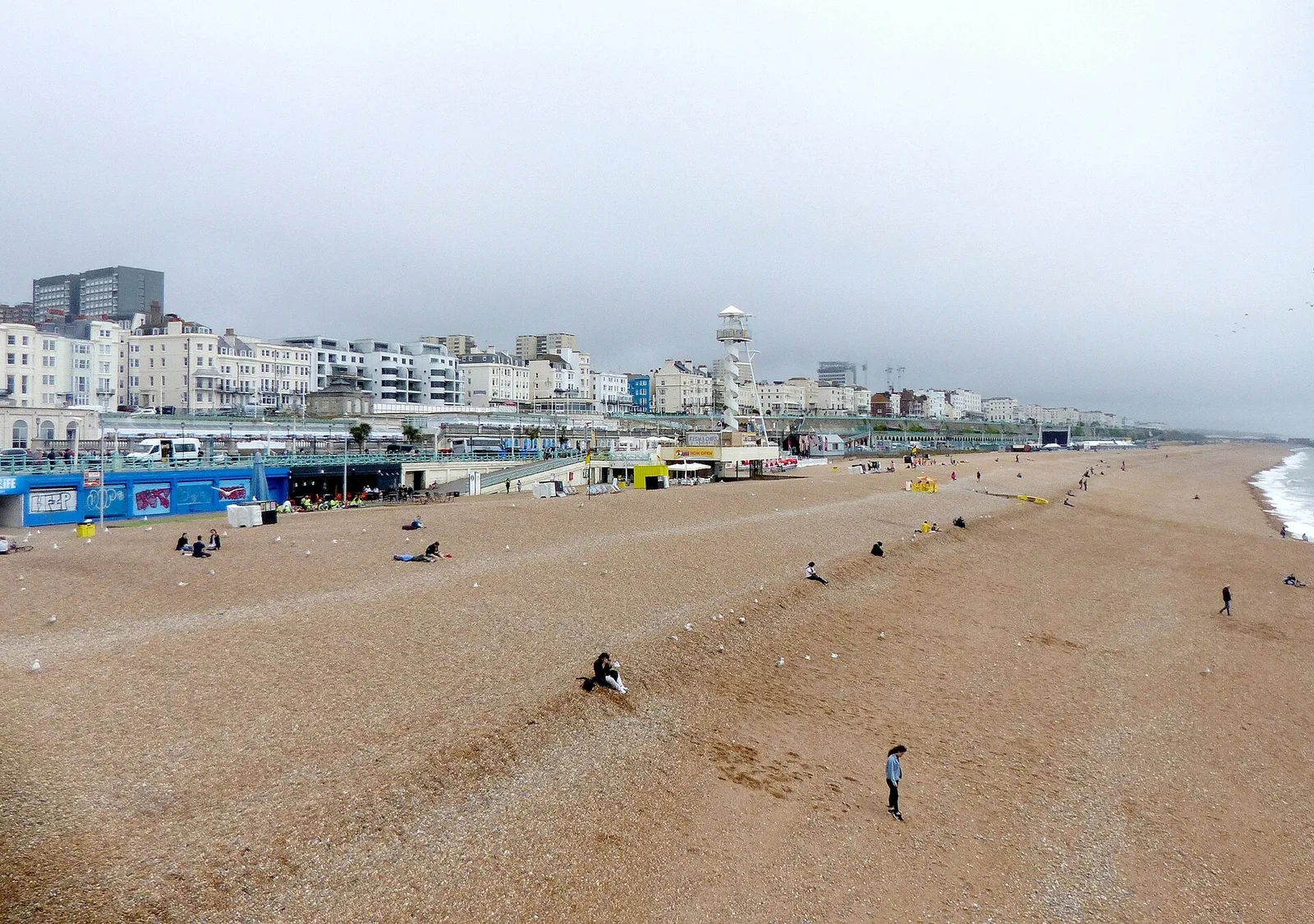
Brighton's demand is broad, urban and unusually well distributed across the week, which is what produces the occupancy. Weekends are the obvious peak — London couples, hen and stag groups, birthday parties, festival crowds — but the city also carries genuine midweek business from conferences at the Brighton Centre and the seafront hotels, two universities with a heavy visiting-parent calendar, and a steady flow of people coming down for a day at the Amex and staying over. The seasonal shape is gentler than any coastal market in the West Country because so little of the demand depends on swimming: the beach is pebble, everybody knows it, and people come for the Lanes, the food, the music and the Downs. Blended nightly rates run near £158 with occupancy around 71% across several thousand active listings, and the spread is driven by walkability and noise. A one-bedroom in the North Laine with a five-minute walk to the station earns a different year than a two-bedroom in Hove that photographs identically. Small hotels, seafront guest houses and Regency townhouse B&Bs are a large part of supply here and have been competing for the same weekend for a century.
Top Attractions & Landmarks
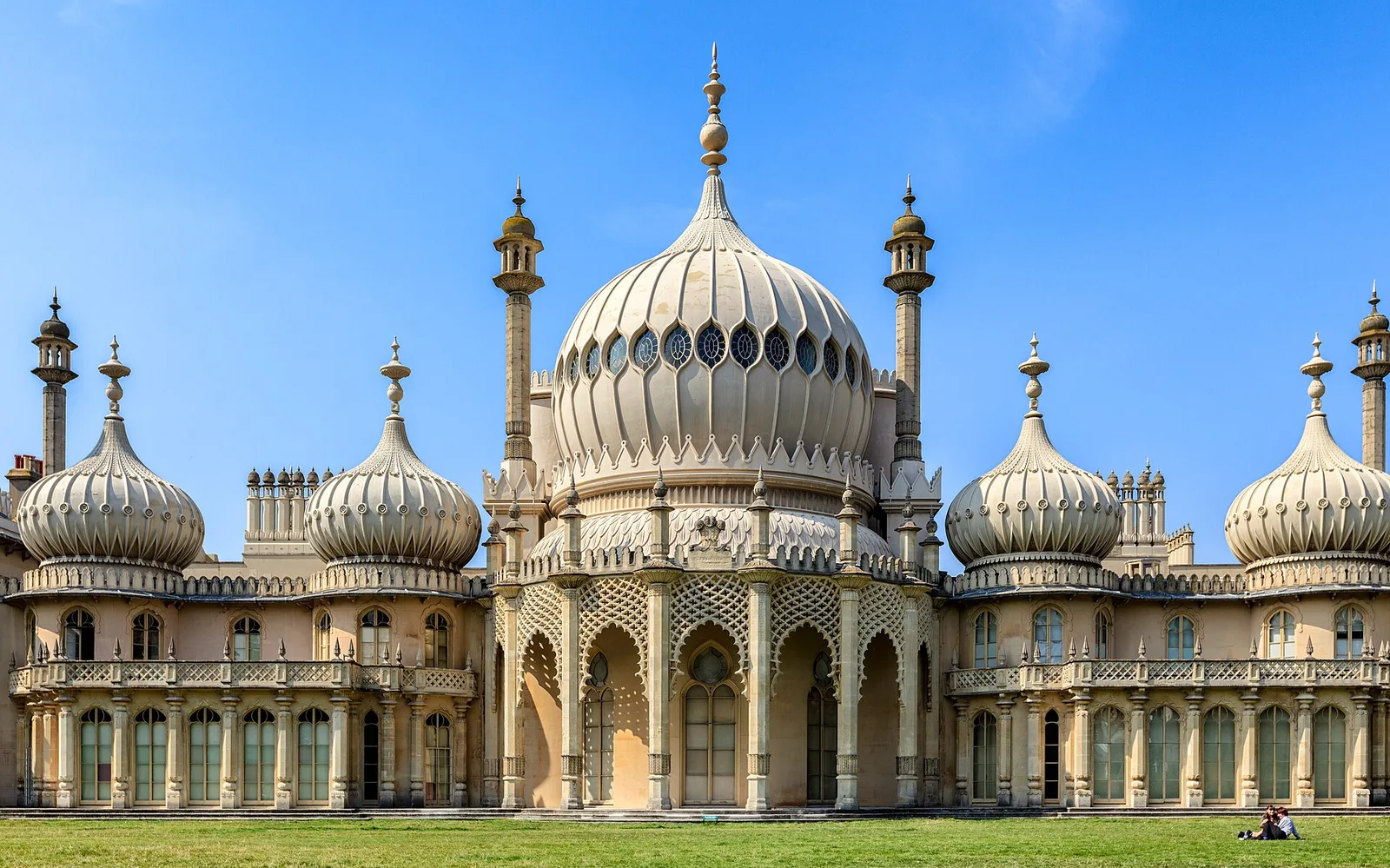
- The Royal Pavilion
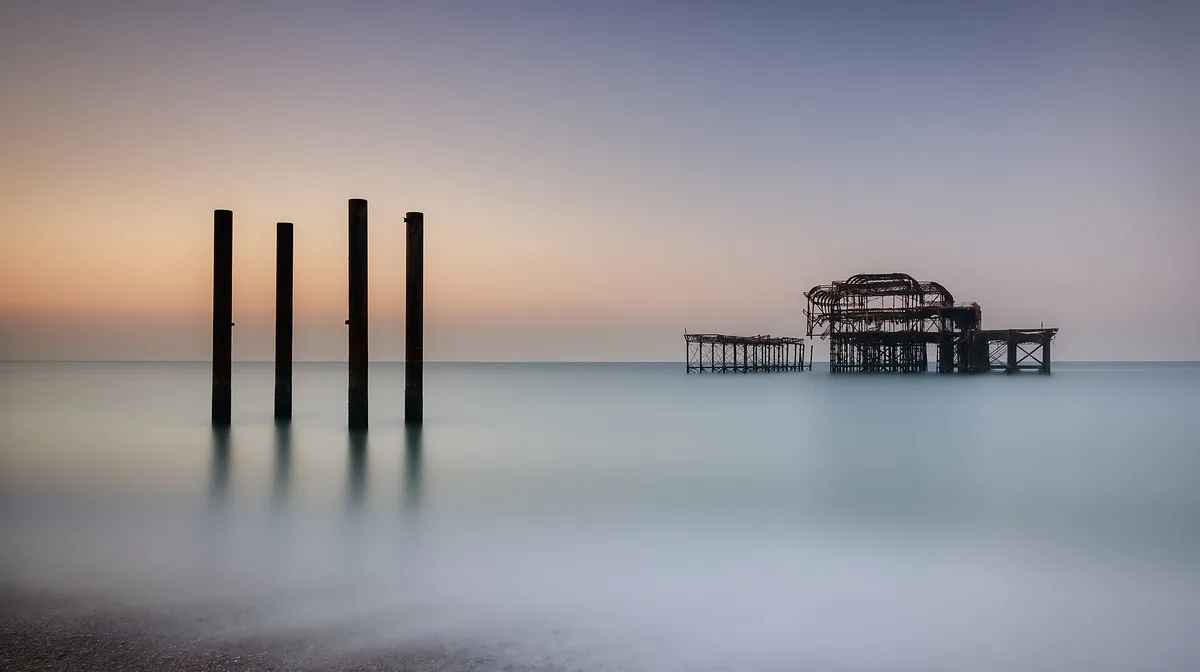
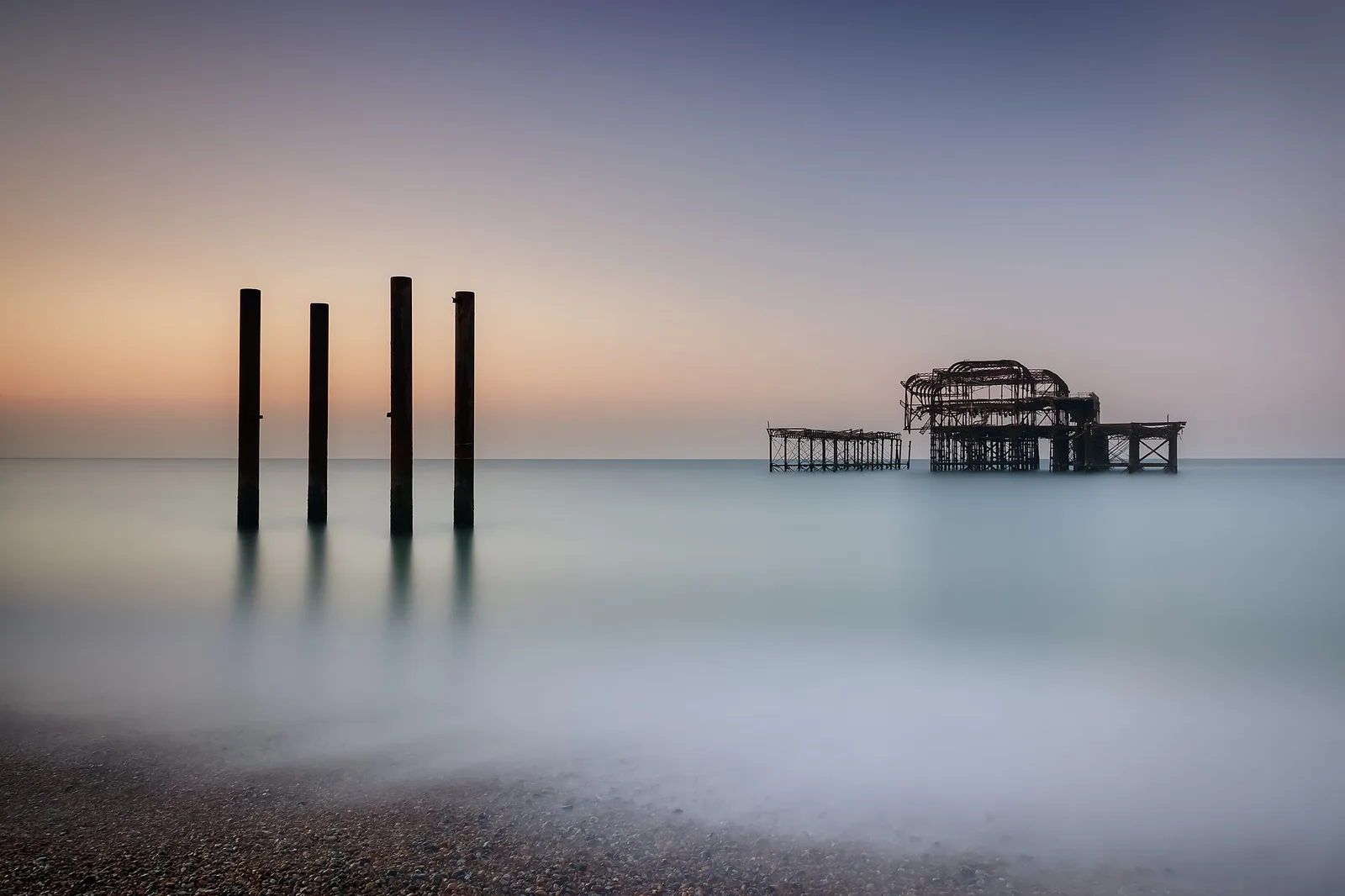
- Brighton Palace Pier and the West Pier remains
- The Lanes and the North Laine
- Volk's Electric Railway
- Brighton seafront and the beach huts at Hove
- The South Downs National Park at Devil's Dyke
- Brighton Marina
Nearby Markets: Bath | Devon | Cornwall