Start here Work with Cavmir in The New Forest
Get a Proposal +1 (786) 751-3426
£213
Avg. Nightly Rate
46%
Avg. Occupancy Rate
£2,290
Avg. Monthly Revenue
68 days
Avg. Booking Lead Time
MODERATE
Seasonality
MODERATE
Regulatory Burden

* Market averages in pounds from AirROI data for the New Forest, October 2025 to September 2026; the lead time is the average number of days between booking and arrival. A single home's numbers depend on its size, its location and how it is marketed.

The Market

Why the New Forest Works as a Holiday Let Market

Cavmir is a holiday let marketing agency. We build the brand, the direct-booking website and the marketing for holiday lets in the New Forest.

This page covers the New Forest National Park and the district around it, from Fordingbridge and Ringwood in the west to Beaulieu and Buckler's Hard in the east, and down to Lymington and Milford on Sea on the coast. The National Park was designated in March 2005 and covers 220 square miles, and its planning rules treat the four Defined Villages, Ashurst, Brockenhurst, Lyndhurst and Sway, differently from the open forest around them. Lymington sits just outside the park boundary, which matters more than it sounds, because the planning authority changes at that line. A Brockenhurst family wants a garden, a shed for the bikes and a pub within walking distance; one couple heading for Lymington wants the water, and another wants a quiet cottage near Burley. Those are three different listings.

The numbers are strong for England. In the year to September 2026 AirROI counted 1,087 active listings in its New Forest market, an area its guide draws from Lyndhurst, Brockenhurst and Beaulieu out to Ringwood, Lymington and Fordingbridge. Each listing averaged £213 a night with 46% of nights booked, for £27,503 of bookings, roughly 41% above the £19,455 an English listing made on average at £180 a night and 40%. By listings, that makes the New Forest the 25th-largest of the English markets AirROI tracks, and it's a market that is thinning out while it earns more: active listings fell 9% over the year while revenue per listing rose 14%. AirROI also tracks Milford on Sea as a separate small market of 24 listings, at about £250 a night and 49% occupancy. AirROI publishes these figures in pounds, converted at the period's typical exchange rate, and every money figure on this page is in pounds.

Nine in ten guests are British. In AirROI's review data, 91% of the guests who left a review live in the United Kingdom, and London alone accounts for about 15%, far ahead of Bristol, Portsmouth and Brighton at about 1% each; of the 9% from abroad, the largest groups come from the United States and Australia. The forest is also unusually easy to reach by train: the National Park Authority counts four stations inside the park, Ashurst, Brockenhurst, Beaulieu Road and Sway, on the line from London Waterloo. Lymington, just outside the park, adds the ferry to the Isle of Wight.

The rules are lighter than in Scotland or Wales, but they're real. England has no licensing for holiday lets yet. A national register is coming, but GOV.UK's owner guidance, last updated on 2 October 2026, only says it's expected to start in March 2027. What applies already is planning, tax and safety. Inside the National Park, the New Forest National Park Authority decides planning applications under a Local Plan that caps extensions and limits how far small and new homes can grow; New Forest District Council applied the 100% council tax premium to second homes in 2025–26; and a let that passes the 140-night and 70-night tests pays business rates instead of council tax. Fire safety law applies to every paying guest, even for a single night.

Those facts shape the marketing. A forest where the ponies belong to commoners, the unfenced roads have a 40 mph limit and feeding the ponies is against the byelaws needs listings that say so, and an owner who can show a fire risk assessment, a gas safety record and a total price with every fee included looks like the safer booking. Cavmir's share of the work is the selling: brand, listing, photo brief, a booking site of the owner's own, search and AI visibility, and campaigns to London and the south of England. Planning applications, tax returns and the safety paperwork remain the owner's, with their accountant, solicitor or letting agent. Below are the market, the rules, a calendar that runs from the rhododendrons at Exbury to Christmas at Beaulieu, and the plans Cavmir would build for a cottage near Brockenhurst station, a large house for groups and a garden studio near Lymington.

Top Attractions & Landmarks

  • The Open Forest and the commoners' ponies
  • National Motor Museum and Palace House, Beaulieu
  • Buckler's Hard on the Beaulieu River
  • Exbury Gardens and Steam Railway
  • Bolderwood Ornamental Drive and forest trails
  • Breamore House, completed in 1583
  • The New Forest and Hampshire County Show
  • Lymington and the Isle of Wight ferry

Nearby Markets: Bath  |  Brighton  |  Cotswolds

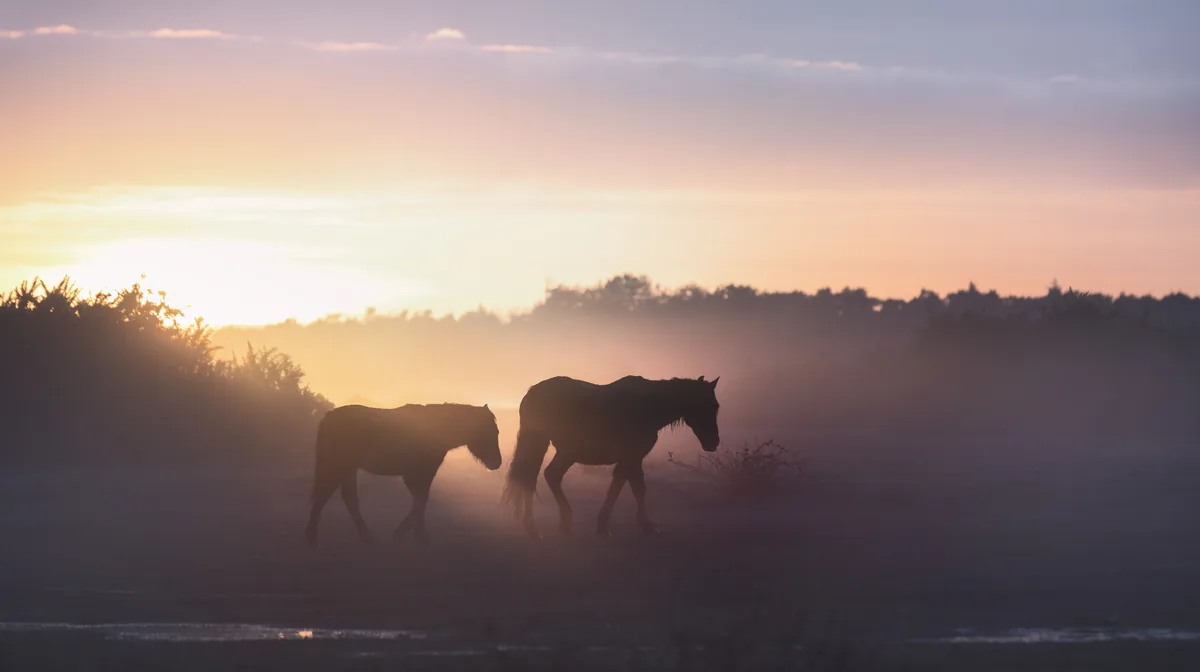
Two New Forest ponies walking through mist at sunrise near Ocknell, in the New Forest

Photo: Joana Kruse · CC BY-SA 4.0 · via Wikimedia Commons

Why Cavmir

The Cavmir Advantage
in the New Forest

Cavmir sells each New Forest property for what it is and where it stands. A cottage a short walk from Brockenhurst station leads with the train from London Waterloo and the bike ride into the forest, a large house on the edge of the park sells Christmas, birthdays and family reunions, and a garden studio near Lymington goes to couples who want the coast and a ferry day on the Isle of Wight. A London family sorting out August, a Bristol couple after a winter weekend and an American adding the forest to a London trip each look in different places, which is why we work across Google, AI assistants, Instagram and a yearly email that brings families back to their cottage. We're a marketing agency only. We don't manage lets: no keys, no cleaners, no guest messages. Every booking and enquiry from the direct site belongs to the owner or their letting agent and goes to them.

State of the Industry · History

The New Forest Holiday Let Market — Past & Present

The forest is older than most English towns. The National Park Authority dates it to 1079, when William the Conqueror made it his royal hunting ground, and the Authority's guide to the ponies explains the bargain behind it: the King imposed strict laws on the people who lived there, and in return they were allowed to graze their animals on the common. Commoning itself goes back before the Norman Conquest of 1066, and it still runs the place. The Verderers' Court, based in Lyndhurst, meets every month to hear commoners and others who live in the forest, and the agisters it employs supervise the animals on the forest day to day.

The buildings carry the rest of the story. Buckler's Hard on the Beaulieu River was owned by Cistercian monks in the 13th century and became an 18th-century shipbuilding village, where boats for Nelson's navy were built. Breamore House, near Fordingbridge, was completed in 1583, and the Montagu Arms in Beaulieu started out as a coaching inn in the 16th century.

The animals are the forest's working staff. The Verderers count roughly 4,800 ponies, 2,600 cattle, 130 donkeys, 390 pigs and 110 sheep on the forest, owned by about 655 commoners, each of whom pays an annual marking fee for every animal turned out. The National Park Authority puts the commoners at about 700 and the ponies at about 5,000, looked after with the help of five agisters. Their grazing keeps the heath and the forest lawns open.

The National Park came in March 2005, and its Local Plan, adopted in August 2019, controls what can be built. Outside the four Defined Villages an extension can't add more than 30% to a home's floorspace, and a small home or a newly permitted one can't be extended beyond 100 square metres of habitable space, so in most cases the cottage you buy here is the cottage you'll be letting for years.

AirROI's figures show the market that grew up inside those limits. Houses make up 56% of the 1,087 active listings, cabins and other outdoor stays 12%, hotel and boutique rooms 10% and flats 9%, and about one listing in nine rents out a single room. One-bedroom homes are the most common size, a third of entire homes, and 35% have three bedrooms or more. Most hosts run their own places: only 11% of listings are professionally managed, 62% are run by Superhosts and 24% are co-hosted, and the ten biggest hosts run just 9% of the market. The cottage agencies are here too, with cottages.com the largest at 34 listings, followed by Holidaycottages.co.uk, HostUplift, Hinton Admiral Escapes and Sykes Holiday Cottages. Guests rate the forest highly, 4.88 on average across about 122 reviews per listing, and 62% of listings carry Airbnb's Guest Favourite badge.

When we audit a New Forest listing, the misses that cost bookings are usually the same. The first photo is the kitchen when the selling point is the heath at the end of the lane, the walk to the station isn't in the first lines, the welcome book still sends guests to a deer feeding station that Forestry England says no longer exists at Bolderwood, and nothing explains the ponies. The rules are moving too: the government's registration scheme is expected in March 2027, the government intends to legislate this session for an overnight visitor levy, and the National Park Authority has closed its consultation on the submission draft of a new Local Plan and intends to send it for examination in December 2026. Guests and buyers will ask about each of these, so the listing and the house guide should have the answers ready.

Pricing Strategy & Seasonality

Pricing, Seasonality & When to Capture ROI

Pricing Strategy

AirROI's New Forest figures describe a market that pays for space. The middle listing in the forest charged about £150 a night in the year to September 2026; the dearest quarter asked £235 or more, the dearest tenth £430 or more, and the cheapest quarter £105 or less. Size moves the price more than anything else: a one-bedroom home, the most common size, earned a median of £20,000 a year at £136 a night and 51% occupancy; a two-bedroom home £27,300 at £174 and 50%; a three-bedroom home £29,600 at £257 and 44%; a four-bedroom home £41,500 at £463 and 37%; and a home with five or more bedrooms £74,200 at £677 and 42%. AirROI's best earner was an eight-bedroom house that took about £222,000 in the year, and none of its six top earners has fewer than five bedrooms.

The monthly figures run above the £2,290 in the box for a reason. Measured over the months a listing actually traded, the middle listing made about £2,320 a month, the busiest quarter at least £3,650 and the busiest tenth at least £5,760. The box spreads the average listing's year, £27,503, across all twelve months, and about a third of listings were open to guests for 180 days or fewer, so closed months pull the average down. By AirROI's sums, ten extra nights a year at the forest's median rate are worth about £1,490, and a 10% rise on the nights an average cottage already sells is worth about £2,540. After Airbnb's fee, about 15.5% for the 95% of listings on its Simplified Pricing, plus utilities, supplies, upkeep and insurance, with the cleaning fee paying for the cleaning, AirROI's model leaves the average listing about £18,100 a year towards the mortgage, council tax or business rates and other housing costs.

Fees and stay rules shape the total. About seven in ten New Forest listings add a cleaning fee; the median is £48 and the average £129, which on the typical 4.3-night stay adds roughly £11 a night, and cleaning fees make up about 7.7% of gross revenue. Two-night minimums are the norm, used by 47% of listings, while 24% accept one night, 22% ask for three and only about 7% ask for four nights or more. The most common cancellation policy is Firm, used by 34% of listings, and 54% use Firm or stricter terms. Of all the review scores, value comes lowest, 4.77 against 4.88 overall, a sign that guests weigh the whole bill as well as the nightly rate.

Show the full price. The Digital Markets, Competition and Consumers Act has, since 6 April 2025, made any advertised price that invites a booking include every mandatory fee, tax and charge, and the CMA's guidance bans drip pricing, where compulsory extras are added as the guest moves through the booking. A cleaning fee every guest must pay belongs in the total, and so does any booking fee on your own website. Since 95% of the forest's Airbnb listings use Simplified Pricing, guests are used to one all-in figure; give them the same on your own site, with nights, cleaning and extras in a single total before payment, and the value score has less to catch.

Seasonality & ROI Windows

The New Forest calendar is moderate by English standards. AirROI's typical year runs from about 35% occupancy in January to 68% in August; August earns the average listing about £4,650 and February about £1,860, and the best three months together bring 35% of the year's takings, against 25% if every month were equal. High season runs from May to August at about £3,760 a month, 58% occupancy and £230 a night; the shoulder, April, September and October, runs at £2,740, 52% and £198; and the low season, November to March, at £2,090, 39% and £193. Guests plan the summer early: stays in July 2026 were booked about 91 days ahead and in August about 86, while February stays come about 44 days out in a typical year.

The shoulder months hold up well. September 2025 ran at 55% occupancy and £210 a night, October 2025 at 51%, and April 2026 at 49% before May and June both reached 53%, at £233 and £241 a night. The calendar helps. Exbury's rhododendrons and azaleas bring garden lovers to the Beaulieu River in spring, Beaulieu's International Autojumble held its 59th edition on 12 and 13 September 2026, and the October half-term brings families back, with Beaulieu running its half-term programme from 24 October to 1 November 2026. Autumn is also the season of the pony drifts, about 40 round-ups from mid-August to early November, and of pannage, when commoners' pigs are turned out for at least 60 days to eat the fallen acorns.

Winter is quieter but not empty. January 2026 ran at 34% occupancy, yet January stays were the longest of the year at about 5.5 nights, and December's bookings came about 82 days ahead, a sign that families book Christmas and New Year early. This year Beaulieu dresses Palace House as Alice's Christmas Wonderland, from 21 November 2026 to 3 January 2027, and the forest walks, pubs and fireplaces carry the rest of the season. A winter listing should sell what still works in the rain: the National Motor Museum, a pub lunch at Monty's Inn in Beaulieu, a walk from Bolderwood with a fire waiting at the cottage. January to March is the time for the photographer, the decorator and an early-booking note to last summer's families.

Regulation & Licensing · 2026

What the Law Requires in the New Forest

Start with what England requires today, which is less than Scotland or Wales. England has no licensing scheme for holiday lets. Parliament gave ministers the power to create a register in the Levelling-up and Regeneration Act 2023, and the government's self-catering guidance, revised on 2 October 2026, now puts the expected start of the mandatory national scheme at March 2027; until it opens there's no number to display, and AirROI finds that none of the 1,087 active New Forest listings shows one. When it announced the register in February 2024, the government said hotels, hostels and B&Bs would be left out, and proposed a new planning use class for short-term lets that would let people rent out their own main or sole home for up to 90 nights a year; that use class was a proposal, and the current owners' guidance doesn't mention it. For now, whether a let needs planning permission is for the local planning authority to judge, looking at how the property is used and what that does to neighbours and the area.

Planning is where the New Forest is strict. Inside the National Park, the New Forest National Park Authority is the planning authority; outside it, including Lymington, which sits just outside the boundary, New Forest District Council decides. The Authority's Local Plan 2016–2036, adopted on 29 August 2019, says an extension outside the four Defined Villages, Ashurst, Brockenhurst, Lyndhurst and Sway, must not increase floorspace by more than 30%, and that a small home, or a new one permitted under the plan, can't be extended beyond 100 square metres of habitable floorspace. A second unit, a barn conversion or a new holiday cabin is a question to put to the Authority's planning team before you spend anything. The plan is under review: consultation on the submission draft has closed, the Authority intends to submit it for examination in December 2026, and the revised plan covers 2024 to 2043.

Council tax and business rates come next. Business rates replace council tax on an English holiday let only when four things hold: it's let commercially in stays of 28 nights or fewer, it was available for at least 140 nights over the past 12 months, it was actually let for at least 70 nights, and you intend to offer it for 140 nights again in the coming 12. A form arrives every year to check, and a let that falls short is moved back to council tax. Where it's your only business property, small business rate relief removes the bill entirely up to a rateable value of £12,000 and tapers to nothing at £15,000. A furnished house that isn't anyone's main home and doesn't meet the business rates test pays council tax, and New Forest District Council charged the 100% second homes premium in 2025–26, according to its return in MHCLG's council taxbase statistics.

Income tax and VAT have changed recently. With the Furnished Holiday Lettings regime abolished on 6 April 2025, a cottage's profits from the 2025–26 tax year onwards are taxed like any residential landlord's. VAT registration is required once taxable turnover in any 12 months passes £90,000, or when the next 30 days alone are expected to take it over. There's no visitor levy in England today. The government's consultation response of 10 September 2026 says that, once Parliament passes the law, every mayoral and foundation strategic authority would be able to set an overnight visitor levy as a percentage of the accommodation cost, paid by the accommodation provider, with one rate whatever the season or type of stay. Ministers aim to legislate in this session of Parliament and expect local leaders to be able to say how they'd spend the money by March 2028. Any levy here would have to come from a strategic authority that consults locally first, so it's one to watch rather than one to budget for.

Safety rules apply from the first paying guest. Even for a single night the Regulatory Reform (Fire Safety) Order 2005 applies, and the government's guide for small paying guest accommodation (updated 20 January 2025) requires a fire risk assessment with a written record of what it found. For a small cottage, the guide expects interlinked, mains-powered smoke alarms with battery backup in hallways, staircases, living rooms and bedrooms, a heat alarm in the kitchen, carbon monoxide detectors where there's a gas or solid fuel appliance, exit doors that open from inside without a key, and 30-minute fire doors in place of hollow-core ones where needed. The guide also asks for the fixed wiring to be inspected and tested at least once every five years. HSE treats holiday cottages, flats, chalets and caravans as rented accommodation for its landlord gas rules, so a Gas Safe registered engineer must check the gas appliances every year, and you keep each record for two years. Use all this as orientation, not legal advice: the Park Authority or the district council, your local fire and rescue service, a solicitor and your accountant decide the detail, and Cavmir looks after the marketing.

Market-Specific Tips & Challenges

Local Tips & Unique Market Challenges

Tips That Actually Move Revenue in the New Forest

Put the forest's rules in the listing. Guests come for the ponies, and the questions they ask are always the same: can we feed them, can we stroke them, why are they on the road? The National Park Authority's answer is plain. Every pony, donkey, cow and pig belongs to a commoner, the animals are happier left alone and can react suddenly if they feel threatened, and feeding ponies or donkeys is against the local byelaws and can bring a fine. All unfenced forest roads have a 40 mph limit, and accidents involving forest animals must be reported to the police on 999. A listing that says this kindly, with a photograph of ponies on the lane taken from a respectful distance, shows a host who knows the forest, and the welcome book can repeat it beside the 999 rule for accidents.

Write for London, by train and by car. London sends about 15% of the market's reviewed guests, far more than any other city, and unlike many national parks the forest has a main-line railway running through it: Ashurst, Brockenhurst, Sway and Beaulieu Road stations are on the line from London Waterloo. A cottage within walking distance of a station should say so in the first lines, with the walk in minutes and where guests can store bikes. For drivers, say where the car goes: 89% of listings offer free parking on site, and forest car parks such as Bolderwood charge through the RingGo app with no cash, from £1.50 for an hour to £8 for more than four hours.

Price the summer and the dated events as their own weeks. August stays book about three months ahead, so set summer rates and minimum stays by early spring, and treat the New Forest Show in late July, the Autojumble weekend in September and the October half-term as events rather than ordinary nights. Two-night minimums suit most of the year, but the bigger houses earn their money on longer summer stays, and a three- or four-night minimum with a fixed changeover day in August matches how families plan the school holidays. From November to March, keep the calendar open, add a weekday rate and give the season its own photographs and copy.

Sell the fire and the tub in winter. In AirROI's data, listings with an indoor fireplace, 38% of the market, averaged about £36,000 a year against £22,200 for those without, and the 11% with a hot tub averaged £46,300 against £25,100. AirROI points out that bigger, professionally run homes carry more amenities, so the gap reflects the kind of house as much as the feature. Even so, the fireplace or the tub belongs in the first photographs from November to March, along with the boot rack, somewhere to dry coats and the dog rules if you accept dogs. Gardens matter here too: 69% of listings have one, and those that do averaged about £31,100 a year against £19,500 for those without.

Give returning guests a direct way back. Repeat guests are the forest's best customers: the London family with the same August week, grandparents who come back for the county show, a couple who return when the pigs are out for pannage. None of them should have to find you through a platform again. What brings them back direct is a fast direct-booking website with the full price, every compulsory fee, the pony rules and the house rules on it, and a mailing list that offers past guests next summer before it goes public. Value is already the forest's weakest review score, so a clear, fair direct price keeps more families than a voucher.

Unique New Forest Challenges

The house you buy is mostly the house you'll let. Inside the National Park, extensions outside the four Defined Villages are capped at 30% more floorspace, and small or newly built homes at 100 square metres in all. That protects the forest and limits owners who planned to add a bedroom or turn a barn into a second cottage, so buyers should check the planning history and talk to the Authority's planning team before exchange, not after. The Local Plan review adds a moving part: the draft has been through consultation and goes to examination next, so ask how the new policies would treat your plans.

The tax line is thin for part-time lets. A holiday home that doesn't reach 70 let nights a year stays in council tax and, if nobody lives there as a main home, pays the district's 100% second homes premium, while one that passes the test may pay no business rates at all under small business rate relief. In AirROI's data, about a third of New Forest listings were booked or blocked for 90 days or fewer over the year, which is where that test starts to bite. The gap between the two outcomes is large, so the marketing plan and the accountant's plan should be the same plan: the shoulder and winter nights that keep a cottage above the 70-night line are worth pursuing for that reason alone.

The bar is high and the agencies are in the market. Guests rate the forest 4.88 on average, 62% of listings hold Guest Favourite status, listings carry about 122 reviews each, and the top quarter of listings fill 68% or more of their open nights against 47% for the median listing, so a new or tired listing starts well behind. Agencies such as cottages.com, Holidaycottages.co.uk and Sykes Holiday Cottages compete for the same guests, and an owner living in London or abroad has a further handicap: pictures age, answers come late and winter dates never get opened. Up-to-date marketing, same-day replies and a nearby contact on the phone take care of most of it.

A Curious The New Forest Fact
Ponies rounded up at the autumn drifts leave with a haircut. The agisters cut a tail mark into each pony they gather, and each agister has his own pattern, so all the ponies from one area carry the same cut; the Verderers then check the drift records against the marking fees the commoners pay for every animal. The pigs keep their own calendar: in autumn they're turned out for pannage, for at least 60 days, to eat the fallen acorns that can be poisonous to the other stock in large quantities.
Finance Essentials — New Forest
🛡️

Insurance

The government's self-catering guidance recommends three covers: dedicated holiday let insurance, public liability, and buildings and contents insurance written for short-term letting; confirm all three cover paying guests before anyone arrives. Tell the insurer about every building guests use, the hot tub, any bikes you lend and any wood-burner, and keep the fire risk assessment, the gas safety record and the electrical test certificate with the policy papers. If the cottage is low-lying, near a river or close to the coast, ask about flood cover too. A broker who writes holiday lets in Hampshire is the right person to price it.

🧾

Property & Income Tax

Before the season, put three questions to your accountant. First, income tax: the Furnished Holiday Lettings rules went on 6 April 2025, and the cottage's profits now fall under ordinary residential landlord rules, so find out what that changes in your case. Second, VAT: the £90,000 registration threshold counts your whole taxable turnover, so ask how direct bookings and any other business income add up against it. Third, rates or council tax: log every night the cottage was open and every night it was let, since the 140-night and 70-night tests decide which bill arrives, and small business rate relief can take a rateable value of £12,000 or less to nothing. Get that log set up in spring, not when the yearly form arrives.

🏦

Mortgages & Financing

Land Registry's August 2026 figures put the average New Forest home at £384,564, down 0.2% on a year before; detached houses averaged about £584,200, semis £370,100, terraces £301,100 and flats £195,800. Set those against AirROI's average of £27,503 in bookings before any costs, and remember that the bigger houses that earn most also cost most to buy. Underwrite the specific property, model only the weeks you can sell, and ask a broker about holiday-let mortgages, which lenders assess on their own criteria.

UK and US Compared

The New Forest and Chincoteague Compared

Two places on opposite sides of the Atlantic sell the same picture: ponies loose on open ground, and guests who arrive hoping to see them. In the New Forest the ponies belong to local commoners and graze a National Park of 220 square miles; on Chincoteague, an island on Virginia's Eastern Shore, the herd belongs to the Chincoteague Volunteer Fire Company and lives on neighbouring Assateague, in the Chincoteague National Wildlife Refuge, which was set up in 1943 to protect migratory birds. The animals shape both calendars and both sets of rules, but the way a holiday let is run, taxed and priced is very different on each side.

The figures below compare AirROI's New Forest and Chincoteague markets over the same twelve months, October 2025 to September 2026, with the rules on each side as they stood in October 2026. Pounds are used for British figures and US dollars for American ones.

New Forest and Chincoteague, Virginia, side by side
TopicNew ForestChincoteague
The poniesAbout 4,800 ponies, with cattle, donkeys, pigs and sheep, belong to roughly 655 commoners and graze the Open Forest under rights the Verderers' Court in Lyndhurst protects. Feeding ponies or donkeys is against the local byelaws.The Chincoteague Volunteer Fire Company owns the herd on Assateague, which can't exceed 150 ponies. Most of the 70-plus foals born each year are sold, and the money supports the fire company.
The big datesNo single week dominates. August is the busiest month, at 67% occupancy and £254 a night in 2026, and the county show at Brockenhurst fills late July.Pony Penning Week, in its 101st year: the swim was on 29 July 2026 at slack tide, the auction on 30 July and the swim back on 31 July. July is the island's top revenue month.
Market size and priceAirROI counts 1,087 listings averaging £213 a night at 46% occupancy and £27,503 a year.AirROI counts 487 listings averaging US$310 a night at 35% occupancy and US$23,686 a year.
Who runs the letsMostly the owners: only 11% of listings are professionally managed, 62% are run by Superhosts, and the largest agency, cottages.com, has 34 listings.Mostly agencies: 62% of listings are professionally managed, Seaside Vacations & Sales alone runs 136 and Coastal Shore Vacations 86.
Stays and minimumsStays average 4.3 nights and two nights is the most common minimum, set by 47% of listings; 54% use Firm or stricter cancellation terms.Stays average 4.8 nights and three nights is the most common minimum, set by 51%; 86% use Firm or stricter cancellation terms.
Cleaning feesAbout 70% of listings charge one. The median is £48, and cleaning fees make up about 8% of gross revenue.About 96% of listings charge one. The median is US$273, and cleaning fees make up about 17% of gross revenue.
Licence or registrationEngland has no licensing scheme for holiday lets. GOV.UK expects the mandatory national registration scheme to start in March 2027.Businesses pay the town's business licence tax: US$0.13 per US$100 of the previous year's gross receipts, between US$50 and US$500 a year, due 30 April. In June 2026 the council rejected a ban on new short-term rentals in ten R-1 neighbourhoods and a rise in their licence fee from US$50 to US$500, and kept its plans for housing studies.
Tax on the stayNothing is charged today. The government plans to let mayoral and foundation strategic authorities set a percentage levy on overnight stays once Parliament passes a bill. VAT registration is required above £90,000 of taxable turnover.Stays of less than 30 days pay the town's 5% transient occupancy tax and Accomack County's 2% within the town, plus Virginia sales tax, 5.3% in most of the state. Booking platforms collect the sales tax on the whole charge.
The owner's income taxA cottage's profits are taxed like other residential lettings now that the special Furnished Holiday Lettings treatment was abolished in April 2025. Ask your accountant.Owners report rent on Schedule E (Form 1040); a residence let for under 15 days in the year doesn't need reporting. Ask an accountant.
Price displaySince 6 April 2025 the DMCC Act has required mandatory fees in the headline price, and the CMA treats drip pricing as prohibited.From 12 May 2025, the FTC's fees rule has required lodging hosts to show the total price first, though government taxes can be left out of it.
Where guests come from91% of reviewing guests live in the UK, and London sends about 15%. Americans are about 2%.98% are from the United States and no city dominates: Washington sends about 4%, Baltimore 3% and Philadelphia 3%.
Booking window68 days on average, with August stays booked about 85 days ahead.71 days on average, with July stays booked about 118 days ahead and February stays only 17.

The comparison shows two different kinds of market. Chincoteague is an agency island built around one famous week: most listings are professionally managed, three-night minimums are the norm, cleaning fees take about a sixth of revenue, and July is booked about four months out. The New Forest is an owner's market spread across the year: most listings are run by the people who own them, two-night stays are normal, fees are small, and the shoulder months run at 52% occupancy against 58% in high season. For a New Forest owner, that means marketing several reasons to come, from the county show to the October half-term and Christmas, rather than staking the year on one week.

Taxes and rules run the other way. A Chincoteague guest pays a town and a county occupancy tax plus Virginia sales tax on every stay, and the booking platform collects the sales tax. A New Forest guest pays no visitor levy, and VAT only comes in once an owner is registered. In return, the New Forest's controls sit in planning, council tax and safety law: the National Park's 30% cap on extensions, New Forest District Council's 100% second homes premium and the written fire risk assessment, with England's registration scheme expected in March 2027. Both countries now require the price a guest sees first to be close to the price they pay, so in either place the listing should show the total.

American visitors deserve a line in every New Forest listing. The USA sent the UK more visitors, and more spending, than any other country in 2025 by VisitBritain's count, yet Americans make up only about 2% of the forest's reviewing guests. A guest who knows Chincoteague's ponies will understand the forest at once, but needs the practical differences spelled out: driving on the left, animals with the right to cross the road, parking paid by app, and prices that already include the fees.

What American guests expect in the New Forest

  • The ponies aren't a park attraction: they belong to commoners, feeding them is against the local byelaws, and they have the right to cross the road, so drive at 40 mph or less on unfenced forest roads.
  • Britain drives on the left and many forest lanes are narrow; say whether there's parking on site and how car parks charge (Bolderwood takes payment through the RingGo app only, with no cash).
  • The train is a real option: Ashurst, Brockenhurst, Sway and Beaulieu Road stations are on the line from London Waterloo, so give the walk from the nearest station in minutes.
  • Give bed sizes in centimetres and inches; a British king-size bed is close to an American queen.
  • Say whether there's air-conditioning, since most British homes have none, and what you provide instead on warm nights.
  • Barbecues and campfires aren't allowed in Forestry England's car parks or anywhere else it manages in the forest, Bolderwood included, so say where guests can cook outdoors at the cottage.
  • Sockets take British three-pin plugs, and a kettle is standard; mention adapters, USB chargers and the coffee machine if you provide them.

The American side in more detail: vacation rental marketing in Chincoteague, Virginia.

Future Outlook · 2027 & Beyond

Where the New Forest is Headed Next

Three changes are coming, and none has a firm local date yet. England's national registration scheme is expected in March 2027, and owners should expect a registration number to become part of every listing once it starts. The government plans to legislate for an overnight visitor levy that mayoral and foundation strategic authorities could charge as a percentage of the accommodation cost, after a local consultation. And the National Park Authority intends to submit its new Local Plan, which runs to 2043, for examination in December 2026. Plan around today's rules, and keep the listing and the direct site ready to add a number or a levy line when they arrive.

Overseas guests are a small share and a real opportunity. In AirROI's data, 9% of New Forest guests come from abroad, led by the United States and Australia, then France and Germany, and about 10% of guests speak French, the most common language after English. VisitBritain's figures for 2025 count 40.8 million visits to the UK and £29.8 billion of spending, with the USA the top market for both, so a listing that explains the train from London, the ponies and the total price in pounds can catch visitors adding the forest to a week in London. A short French version of the house guide is a low-cost way to serve the next largest group.

Guests are also changing where they start. Ask an AI assistant for a dog-friendly cottage near Brockenhurst station with a garden and room for six, and it will suggest places before you've opened a booking site. It can only suggest what's been written down somewhere, so a cottage whose own site gives the minutes to the station, who sleeps where, the garden, the pony rules and the show dates is far likelier to come up. Our article on generative engine optimisation for holiday lets covers the method; building the direct site and the AI-search work in one team is the point of it.

From the Desk of Sofie Sinag

Why We Love Marketing in the New Forest

What I love about the New Forest is that its rules are part of its character. Every pony has an owner, the Verderers still sit in Lyndhurst each month, and the commoners' pigs go out for the acorns every autumn. Explain those plainly and a listing sounds as if someone who lives here wrote it, and each claim holds up if a guest checks.

I also like how many ways in there are. A family can arrive by train at Brockenhurst and leave the car at home all week, a couple can drive down from London for two nights and a pub supper in Beaulieu, and a walker can spend January between the heath and a fireplace. They want three different houses, and putting the right cottage in front of each is the part of the job I enjoy most in the forest.

And the forest rewards good writing. The best photographs here are rarely of the kitchen: they're the gate at the end of the lane with the heath beyond it, the bike shed, the window seat on a wet afternoon. An owner who shows those and writes the walk times down gives a guest what they need to say yes.

Cavmir's New Forest Cheat Sheet

The Picks We Recommend for Your Welcome Book

The picks we would put in a New Forest welcome book: the places guests ask about between Fordingbridge and the Solent, plus the first page that keeps a let in the National Park running smoothly.

Rainy Afternoon

National Motor Museum and Palace House, Beaulieu

Beaulieu brings the National Motor Museum, Palace House and its gardens, Little Beaulieu and Beaulieu Abbey together on one site, open from 10am to 5pm on its listed days. Christmas has its own programme: in 2026 Palace House becomes Alice's Christmas Wonderland from 21 November to 3 January. Check the opening calendar before promising guests a date.

Village History

Buckler's Hard

An 18th-century shipbuilding village on the Beaulieu River where boats for Nelson's navy were built, owned by Cistercian monks back in the 13th century. The museum has reconstructed cottage displays, the Beaulieu River at War exhibition opened in 2026, and river cruises run from the village; the Captain's Table Café closes at the end of 1 November 2026, so suggest a picnic instead.

Gardens

Exbury Gardens and Steam Railway

Known for its collection of rhododendrons and azaleas, at their best in spring, with a steam train ride and a walk down to the Beaulieu River. October 2026 brought a Nerine exhibition and a Halloween ghost train. Check the opening times before you send guests, especially late in the season.

Country Show

The New Forest and Hampshire County Show

Founded in 1920 as a one-day agricultural show at Netley Marsh, it now runs for three days at New Park, Brockenhurst, with an average attendance of 85,000. The 2027 show is on 27, 28 and 29 July, so put the dates in front of anyone booking next summer now.

Forest Walk

Bolderwood

Walking trails, a picnic area and the Bolderwood cycle trail, reached by the Bolderwood Ornamental Drive. Forestry England says there's no longer a deer sanctuary or feeding station here, so update any old guide that promises one. Parking runs from 4am to 11pm and is paid through RingGo only, from £1.50 for an hour to £8 for more than four hours, and barbecues and campfires aren't allowed.

Stately Home

Breamore House, near Fordingbridge

An Elizabethan mansion completed in 1583, reached past a yew tree the estate says is 1,000 years old. House and garden tours run at 2, 3 and 4pm on Tuesdays and Sundays, the Countryside Museum and farm shop open from 11am to 4pm Tuesday to Sunday, and the café is open every day.

Dinner Out

The Montagu Arms, Beaulieu

A country house hotel that started out as a coaching inn in the 16th century, with 33 rooms, the Terrace Restaurant and Monty's Inn, its pub. It suits an anniversary dinner or a pub lunch after the Motor Museum; book ahead for weekends and Christmas.

The Ponies

Look, don't feed

Every pony, donkey, cow and pig on the forest belongs to a commoner. Feeding ponies or donkeys is against the local byelaws and can bring a fine, the animals can react suddenly if they feel threatened, and they have the right to cross the road. Drive at 40 mph or less on unfenced roads and report any accident involving a forest animal to the police on 999.

Autumn

Drifts and pannage

From mid-August to early November the agisters and commoners hold about 40 drifts to round up the ponies, and the Verderers don't encourage the public to attend; anyone caught up in one should stand still at the side of the track. In autumn, pigs are turned out for pannage, at least 60 days, to eat the fallen acorns.

Car-Free Arrival

Trains into the forest

Ashurst, Brockenhurst, Beaulieu Road and Sway stations sit inside the park on the line from London Waterloo. Tell guests the walk from the nearest one in minutes, where the bikes are kept, and which pub or shop they can reach on foot.

First Page

Safety, rules and a local number

Start the house guide with the fire action notice and the way out, when the gas was last checked, the pony and road rules, how many guests the house takes, the house rules and a local number that gets answered. Guests then find the same facts they saw in the listing, and the first-night phone calls mostly stop.

Website Design · New Forest

A Website for a Holiday Let in the New Forest

Guests who find a holiday let in the New Forest on Airbnb or Booking.com often search its name afterwards, and the page they should land on is the owner’s own site. Cavmir builds holiday let websites of 40 to 125 pages in the owner’s brand. For a home that only lists on Airbnb, that is a website for your Airbnb listing: your name and domain, your photos, your area guides and your reviews, with a button that sends guests to the listing. For homes on Hostaway, Guesty or Hospitable it is a direct booking website: live availability and prices from the PMS, the whole stay priced before checkout, and the booking completed in the PMS. Both start from the same holiday let website design, run the TrollBuster™ compliance scan before launch, and are yours at launch: domain, code, content and photos.

The guide pages of your site can start with the picks on this page: National Motor Museum and Palace House, Beaulieu, Buckler's Hard and Exbury Gardens and Steam Railway. Each one is a search a guest makes before choosing where to stay, and each becomes a page that leads to the booking button.

Packages start at about £1,100 (US$1,475) for the Starter Website (40 pages, two to three weeks) and run to about £2,780 (US$3,732) for Full with Direct Booking (125 pages, booking synced with your PMS). Cavmir bills in US dollars; the pound figures use the Bank of England’s average rate for October 2025 to September 2026 (about US$1.34 to the pound), and the current prices are on the pricing page.

Local Playbook · Three Property Types

How Cavmir Markets New Forest Properties

Three property types that do well in the New Forest, a common starting point for each, and the plan Cavmir builds for it.

Three-Bedroom Cottage · Brockenhurst
The Situation

A cottage a short walk from Brockenhurst station, used by the owner's family for a few weekends a year and let for the rest. Its listing charges the same for two nights in February as in August, opens on the kitchen, says nothing about the train or the ponies, and the owner can't say whether last year's lets reached the 70 nights the business rates test asks for.

The Plan

Cavmir first checks with the owner and their accountant where the cottage stands on the 140-night and 70-night tests, since that decides between business rates and the second homes premium. Once that's clear, August and show week get their own prices and a three-night minimum, the photographer starts at the lane, the bike shed and the station path, and the booking site shows the full price, the pony rules and a sign-up that lets past families choose next summer's weeks first.

What It Targets

A calendar priced for the summer and the show, a listing that sells car-free arrival from London, and enough shoulder nights to keep the business rates position clear. Watch the August price, the spring and autumn calendar, how many families come back and how many book direct.

Large Group House · Edge of the Forest
The Situation

A six-bedroom house on the edge of the National Park with a hot tub and a big garden, booked for summer weekends and empty midweek from November to March. The listing shows twenty photos of bedrooms and nothing of the fireplace or the forest, and the welcome book has no fire action notice or gas safety date.

The Plan

Cavmir starts with the paperwork guests and insurers expect: the fire risk assessment, the gas safety record and house rules for groups, summarised in the listing and the welcome book. The new copy sells Christmas and New Year, milestone birthdays and family reunions, the photo brief leads with the hot tub, the fireplace and the garden, and campaigns aimed at London and Bristol go out in late summer and early autumn, when families plan Christmas.

What It Targets

Designed to sell the house as a winter and celebration product as well as a summer one, with the safety paperwork in plain view. Track December and New Year rates, midweek winter nights, group enquiries and bookings taken direct.

Garden Studio · Near Lymington
The Situation

A one-bedroom studio in the garden of the owner's house just outside Lymington, the most common size of let in the forest. It's described as if it were a whole house, says nothing about the trains, the coast or the Isle of Wight ferry, and goes quiet after the October half-term.

The Plan

Cavmir confirms the planning position with New Forest District Council and the council tax or business rates position with the owner's accountant first, then repositions the studio for couples: the trip into town, a ferry day on the Isle of Wight, the coast and a pub supper in Beaulieu. We set a weekday rate for the shoulder and winter, write search content for Lymington weekends and add a simple direct-booking page.

What It Targets

Designed to sell the studio on the coast and the seasons instead of on price, with a shoulder and a winter of its own. Track weekday nights, weekend rates, review scores and bookings taken direct.

FAQ

New Forest Holiday Let Marketing:
Questions, Answered

Does Cavmir offer holiday let marketing services in the New Forest?

Yes. Cavmir markets cottages, lodges, family houses, flats, guest houses and B&B rooms across the New Forest, from Fordingbridge and Ringwood through Lyndhurst, Brockenhurst and Burley to Beaulieu, Lymington and Milford on Sea. We cover brand, listing work, the photo brief, a direct-booking website, visibility in Google and AI tools, and paid campaigns, and large country houses can join Cavmir's estates and private collections tier. The cottage, the keys and the guests remain yours or your letting agent's; we only do the marketing.

What can a holiday let earn in the New Forest?

In AirROI's twelve months to September 2026, the average New Forest listing took about £213 a night at 46% occupancy, or £27,503 of bookings before any costs. That's the £2,290 a month in the box, lower than the open-month figures because many listings trade for only part of the year. Size matters most: the median one-bedroom home grossed about £20,000 and the median home with five or more bedrooms about £74,200. After the Airbnb fee, cleaning, utilities and upkeep, AirROI's model leaves the average listing about £18,100 before the mortgage, council tax or business rates and any management fee. Treat these as market averages, not a forecast for your cottage.

When is the busiest season for holiday lets in the New Forest?

May to August. In AirROI's data, August 2026 ran at 67% occupancy and £254 a night and July at 59% and £251, and summer stays were booked about three months ahead. Late July brings the New Forest and Hampshire County Show at Brockenhurst, September the International Autojumble at Beaulieu, and the October half-term the last family week of the year. The low season runs from November to March at about 39% occupancy, though Christmas books early and January stays are the longest of the year.

Is there a licence or register for New Forest holiday lets?

Not yet. There's no holiday let licence in England, and the national register isn't open; the government expects it to start in March 2027. Today the rules that bite are planning, decided by the New Forest National Park Authority inside the park and New Forest District Council outside it; fire safety law, which needs a written fire risk assessment; a yearly gas check by a Gas Safe registered engineer; and business rates or council tax. Check your own case before listing; Cavmir does the marketing and doesn't give legal or planning advice.

Will my New Forest holiday let pay council tax or business rates?

It depends on the nights. Business rates apply when the cottage is let commercially in stays of up to 28 nights, was available for 140 nights or more and let for 70 or more over the past year, and will be offered for 140 again. As your only business property, a rateable value of £12,000 or less pays nothing under small business rate relief, with partial relief up to £15,000. If it doesn't qualify, it pays council tax, and New Forest District Council applied the 100% second homes premium in 2025–26 to furnished homes that are nobody's main home. Your accountant should check which side of the line you're on.

Can I extend my cottage or add a holiday let in the National Park?

Only within tight limits. The New Forest National Park Authority's Local Plan caps extensions outside the four Defined Villages (Ashurst, Brockenhurst, Lyndhurst and Sway) at 30% more floorspace, and small or newly permitted homes can't grow past 100 square metres of habitable space. A second unit or a holiday cabin is a planning application in its own right. The plan is under review, with submission for examination intended in December 2026, so speak to the Authority's planning team before you buy or build.

What should my listing tell guests about the ponies?

The rules, kindly. The ponies, donkeys, cattle and pigs all belong to commoners, the National Park Authority says feeding ponies or donkeys is against the local byelaws and can bring a fine, and the animals can react suddenly when they feel threatened. Unfenced roads have a 40 mph limit, and accidents involving forest animals must be reported to the police on 999. In autumn the drifts round the ponies up and the pigs are out for pannage. A listing and welcome book that say this plainly answer the first questions guests ask and show that you're a local host.

What does Cavmir charge for New Forest holiday let marketing?

It depends on the cottage. Monthly plans and one-off projects are priced on our pricing page; forest owners often begin with the 12-step system or a new listing, then add holiday let SEO for the direct site. Contact us and we'll look over your current listing free of charge.

Free Property Review

What is your The New Forest property actually worth per night?

Send us the listing and we'll tell you what we'd change. Not a pitch deck — a straight read on your photos, your title, your rates against the The New Forest comparable lets, and whether a direct-booking site would pay for itself.

You'll hear back from a person, usually inside one business day. If we don't think we can move your numbers, we'll say so. Cavmir is a holiday let marketing agency — we position and market properties, we don't manage them.

  • No obligation, and no automated call sequence
  • We market and position — we never manage your property or hold keys
  • Works whether you let through Airbnb, Booking.com, Vrbo, a letting agency or direct

Market Intelligence · Seasonality

Holiday let seasonality in the New Forest, month by month

Demand in New Forest peaks around July through August and runs quietest around January, February and March. Here is how the year actually books — and what to do about each stretch of the calendar.

Peak demandSteadyQuiet

Peak season

Summer runs from May to August and peaks in August, when families on the school holidays fill cottages with gardens, bikes and room for the car. Late July brings the New Forest and Hampshire County Show at Brockenhurst, and summer stays book around three months ahead, so set rates, minimum stays and a fixed changeover day by early spring. Hold the busiest weeks for longer stays rather than discounting them.

The shoulders

April, September and October keep the calendar moving. Spring brings the rhododendrons and azaleas at Exbury, September brings the International Autojumble to Beaulieu and quieter walking weather, and the October half-term brings families back for one more week. Sell weekdays to couples and walkers, and send last summer's guests a shoulder offer before they check out.

The quiet stretch

November to March is the quiet stretch, though it is never empty: Christmas and New Year book early, and January stays run longer than in any other month. Market fireplaces, hot tubs, boot racks and pub suppers to London and Bristol couples who book at short notice, keep a weekday rate live, and use the gaps for new photographs and repairs.

Dates that fill first

Exbury Gardens rhododendron and azalea seasonSpring
The gardens on the Beaulieu River are known for their rhododendrons and azaleas, so spring weekends sell well to garden lovers; give the drive time to Exbury and mention the steam railway in the listing.
New Forest and Hampshire County ShowLate July
Three days at New Park, Brockenhurst, drawing tens of thousands of visitors; houses within reach of the showground should price the week on its own and offer it first to last year's guests.
Beaulieu International AutojumbleSeptember
A long-running classic car parts weekend at Beaulieu, now in its sixth decade; offer two-night stays with parking for a car or a van and an early check-in for the Saturday.
October half-termLate October
The last family holiday week of the year, with Beaulieu and Exbury both running half-term programmes; price it like a short summer week and say how far the cottage is from each.
Pannage seasonAutumn
Commoners turn their pigs out on the forest to eat the fallen acorns, which guests love to spot; mention it in autumn copy along with the pony round-ups and a kind reminder not to feed the animals.
Market Intelligence · Guests

Who books holiday lets in the New Forest — and how far ahead

London families on the school holidays
The biggest single group, booking summer weeks and half-terms in cottages with gardens, bikes and parking, and coming back to the same house year after year when it is easy to book direct.
Couples on short breaks
Two or three nights for walks, pubs and a dinner in Beaulieu or Lymington, often midweek in the shoulder and winter; they care about the fireplace, the bath and a quiet lane.
Multi-generation groups
Large houses for birthdays, Christmas and reunions, where the biggest homes earn the most over a year; they want a clear sleeping plan, ground-floor bedrooms and plain house rules.
Walkers, cyclists and dog owners
Guests who come for the heath and the forest tracks in every season; they want a boot rack, bike storage, somewhere to dry coats and clear dog rules.
Overseas visitors adding the forest to London
A smaller group led by Americans and Australians, arriving by train or hire car; they need the drive, the ponies and the total price in pounds explained before they book.

The booking window

Summer books furthest ahead, with August stays usually booked around three months out, and Christmas and New Year are booked early too. February and the other winter months fill much closer to arrival, so keep the calendar open with a weekday rate rather than closing the winter.

Typical stays

Stays average around four nights, with two-night minimums the most common setting outside the school holidays. Summer families take longer stays, January visitors stay longest of all, and October brings the shortest breaks.

Where guests drive from

LondonBristolPortsmouthBrighton

Where guests fly from

United StatesAustraliaFranceGermany
London is by far the largest source of guests, and much of it can arrive by train from Waterloo to Brockenhurst, Sway, Ashurst or Beaulieu Road, so target London postcodes for summer weeks and short breaks. Overseas guests are a small group led by the United States and Australia; reach them with longer-lead campaigns that explain the train from London and the forest rules.
Market Intelligence · What Wins

The holiday let that wins in the New Forest

The winning New Forest property is a two- or three-bedroom cottage with a garden, parking or a short walk to a station, and the open forest close enough to walk to. Larger houses that sleep a whole family group earn the most over a year, and small studios win couples on price and location. Character counts: a quiet lane, a fireplace and a view of the heath sell better than an extra bedroom on a busy road.

Amenities that move bookings here

a gardenan indoor fireplace or wood-burnera hot tubfree parking on sitebike storagefast wifiboot rack and drying spacedog rules stated plainly
The highest-value move is to photograph and describe what guests do outside the door: the walk to the heath, the cycle trail, the station and the pub, with times in minutes, and the pony rules written kindly.
FAQ

New Forest holiday let marketing questions, answered

How do I market my holiday let in the New Forest?

Lead with what guests are choosing between: the walk to the open forest, the station, the pub and the parking, with times in minutes in the first lines. Photograph the garden, the lane and the heath in good light rather than starting with the kitchen, and write the pony rules into the listing kindly, since every guest asks. Price the dated events, from the summer holidays and the county show to the October half-term and Christmas, instead of running one rate all year. Then a direct-booking website and an email list of past guests turn summer families into repeat bookings without a platform in the middle.

When is peak season for holiday lets in the New Forest?

May to August, peaking in August, when families on the school holidays book cottages with gardens and bikes. Late July brings the New Forest and Hampshire County Show at Brockenhurst. April, September and October are a steady shoulder with Exbury's spring flowers, the Beaulieu autojumble and the October half-term, while November to March is quieter, apart from Christmas and New Year.

How early do New Forest guests book?

Summer books furthest ahead, with August stays usually reserved around three months out, so summer rates and minimum stays should be set by early spring. Christmas and New Year also book early. Winter weekends and February breaks come much closer to arrival, which is a reason to keep the calendar open with a sensible weekday rate.

Where do the New Forest's holiday guests come from?

Mostly from Britain, and London above all, followed at a distance by Bristol, Portsmouth and Brighton. Much of the London market can arrive by train from Waterloo, which makes a short walk to a station a real selling point. Overseas guests are a small group led by the United States and Australia, often adding the forest to a London trip.

What do New Forest guests look for in a cottage?

A garden, parking and space for bikes come first, because guests come for the forest outside the door. For autumn and winter, a fireplace or wood-burner and a hot tub help a cottage stand out, along with a boot rack and somewhere to dry coats. If you take dogs, say so with clear rules, and state the wifi speed for guests who work while they stay.

Free Tools · Websites That Book

See what your listing in the New Forest is leaving on the table

Run your listing on Airbnb, Booking.com or Vrbo, or your own website, through Cavmir's free grader. It checks the things that decide whether guests book in the New Forest — photos, listing copy, page speed, local search — and shows you where bookings leak. Takes about a minute, and there's no sales call attached.

If the report says your booking engine is the weak link, that's fixable: a direct-booking website of your own means repeat guests stop paying platform fees to come back to you. That's the work Cavmir does — see holiday let website design in the New Forest.

What the grader measures

  • ✓Photos and the first-impression frame
  • ✓Listing title and copy
  • ✓Your direct-booking website (or the lack of one)
  • ✓Page speed and mobile experience
  • ✓Local search and Google visibility
Grade My Listing — Free
Ready to Grow in the New Forest?

Let's Put Your New Forest
Property on the Map

Talk to Cavmir today. We'll show you exactly what your New Forest property is leaving on the table — and how fast we can change that.

Book a Free Strategy Call