Start here Work with Cavmir in Bath
Get a Proposal (786) 751-3426
£168
Avg. Nightly Rate
68%
Avg. Occupancy Rate
£3,250
Avg. Monthly Revenue
4-5%
Est. Cash-on-Cash ROI
MEDIUM
Seasonality
MEDIUM
Regulatory Burden

* Market averages. Properties marketed by Cavmir typically exceed these figures by 25–45%. Data sourced from AirDNA, STR market reports, and Cavmir internal analytics.

The Market

Why Bath is One of the World's Premier STR Markets

Bath is the only English city that carries two UNESCO World Heritage inscriptions, and both of them are the reason your listing exists. The City of Bath was inscribed in 1987 for the Georgian streets that John Wood the Elder and his son laid across the hills above the River Avon; in 2021 Bath joined the transnational Great Spa Towns of Europe for the thermal water that has been rising here at around 46 degrees since long before the Romans built over it. What that produces for an operator is a compact, walkable, year-round market where the guest is buying a specific address rather than a bed. There is no Bath-specific short-term-let licence to hold. The national register that England legislated for in 2023 has slipped repeatedly and is still not live as of mid-2026, and the C5 use class that would let councils control conversions has not been laid before Parliament, so guides that describe either as a live requirement are ahead of the law. What has changed is the money. The Furnished Holiday Lettings tax regime ended on 6 April 2025, which reset the arithmetic for every mortgaged owner in the city, and Bath and North East Somerset has charged a 100% council tax premium on second homes since April 2025 — roughly 858 properties in the district, on the council's own numbers. Bath now rewards operators who run a real business: priced properly, photographed properly, and booked increasingly direct.

Bath's demand is unusually steady for a British city, which is the whole commercial point. The Roman Baths draw over a million visitors a year, Thermae Bath Spa gives the city a genuine wet-weather anchor, and the Abbey, the Royal Crescent, the Circus and Pulteney Bridge sit within a fifteen-minute walk of each other, so a rainy Tuesday in February still sells. London Paddington is about ninety minutes away by train and Bristol is fifteen, which means a large share of the market arrives without a car and books on walkability rather than parking. Couples on two- and three-night breaks are the core, layered with hen and birthday groups, Bath Rugby matchdays at the Recreation Ground in the middle of town, spa weekends, and an American and European heritage market that plans months out. Blended nightly rates sit around £168 with occupancy near 68% across a few thousand active listings, and the spread inside that average is wide: a Georgian apartment on a named crescent with a step-free walk to the Abbey earns a different year than a two-bedroom in a suburb that photographs identically on a phone. Small hotels, guest houses and townhouse B&Bs are a serious part of the supply here, and they compete for the same guest as the whole-home lets.

Top Attractions & Landmarks

  • The Roman Baths and the Sacred Spring
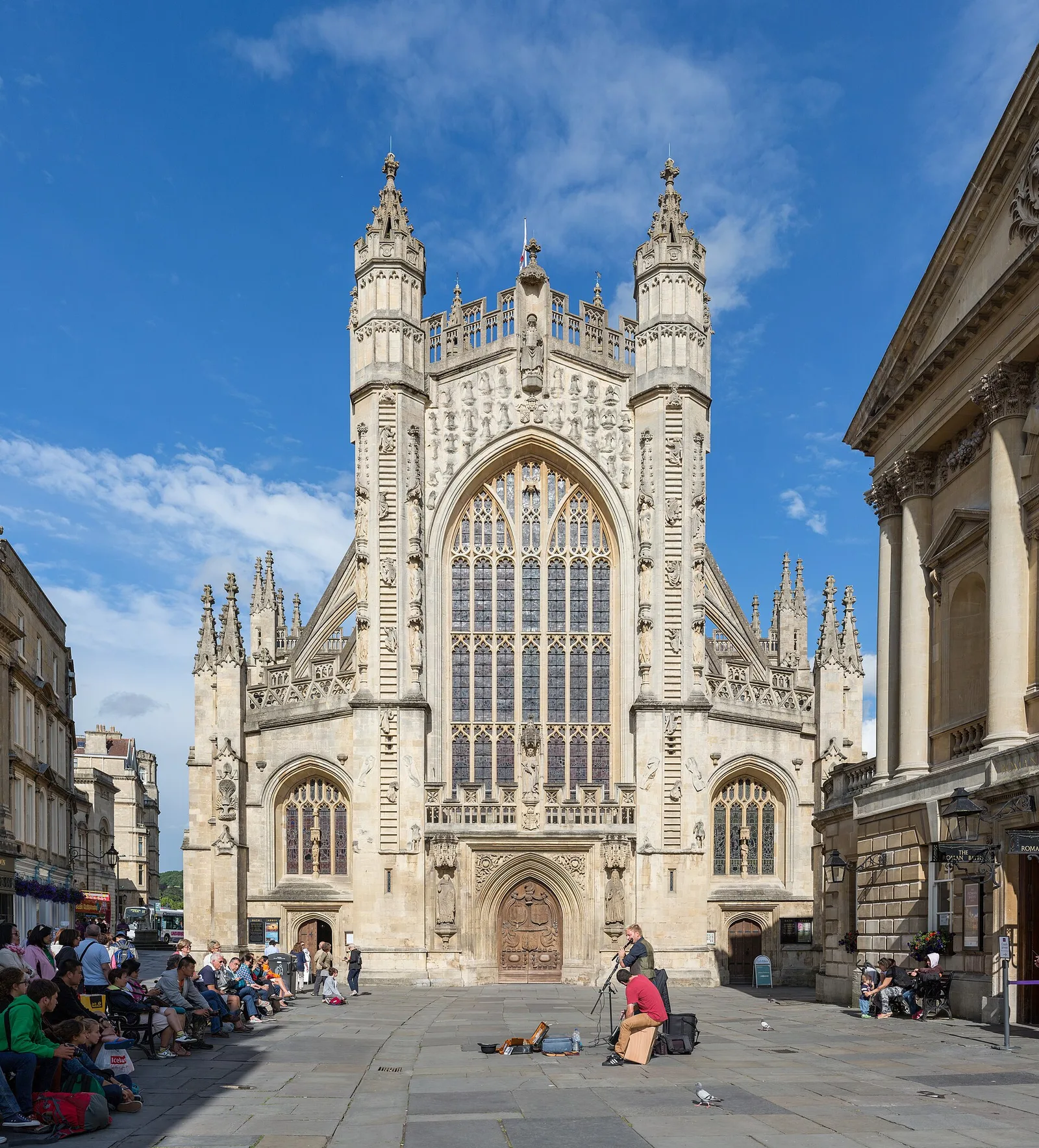
  • Bath Abbey
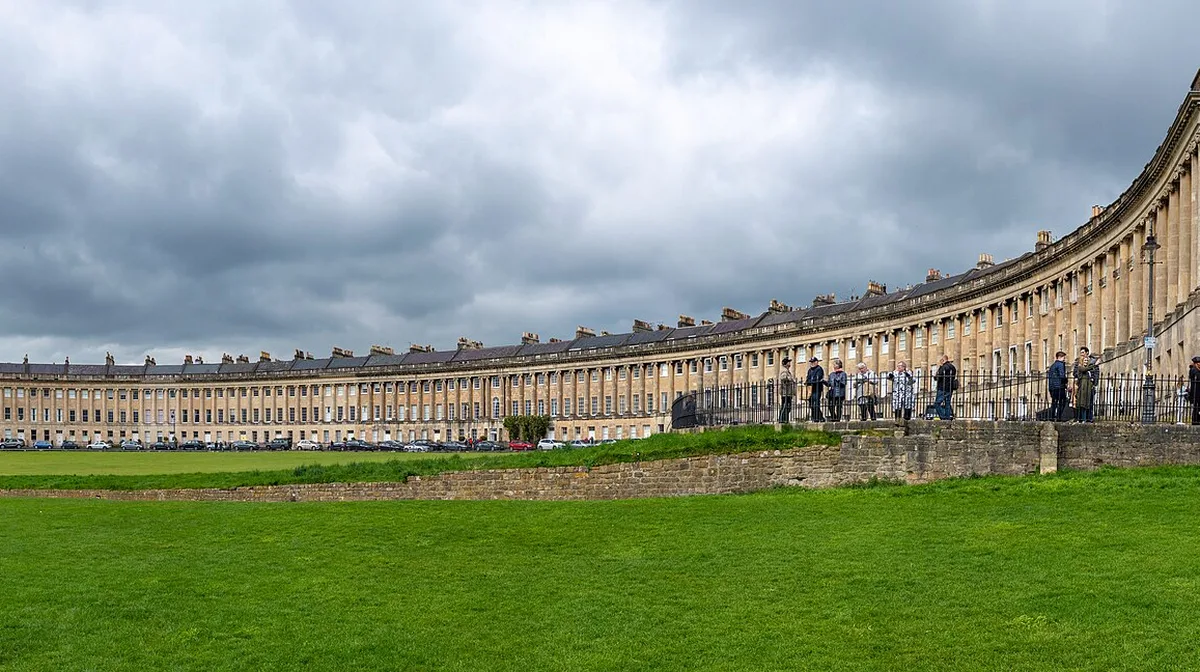
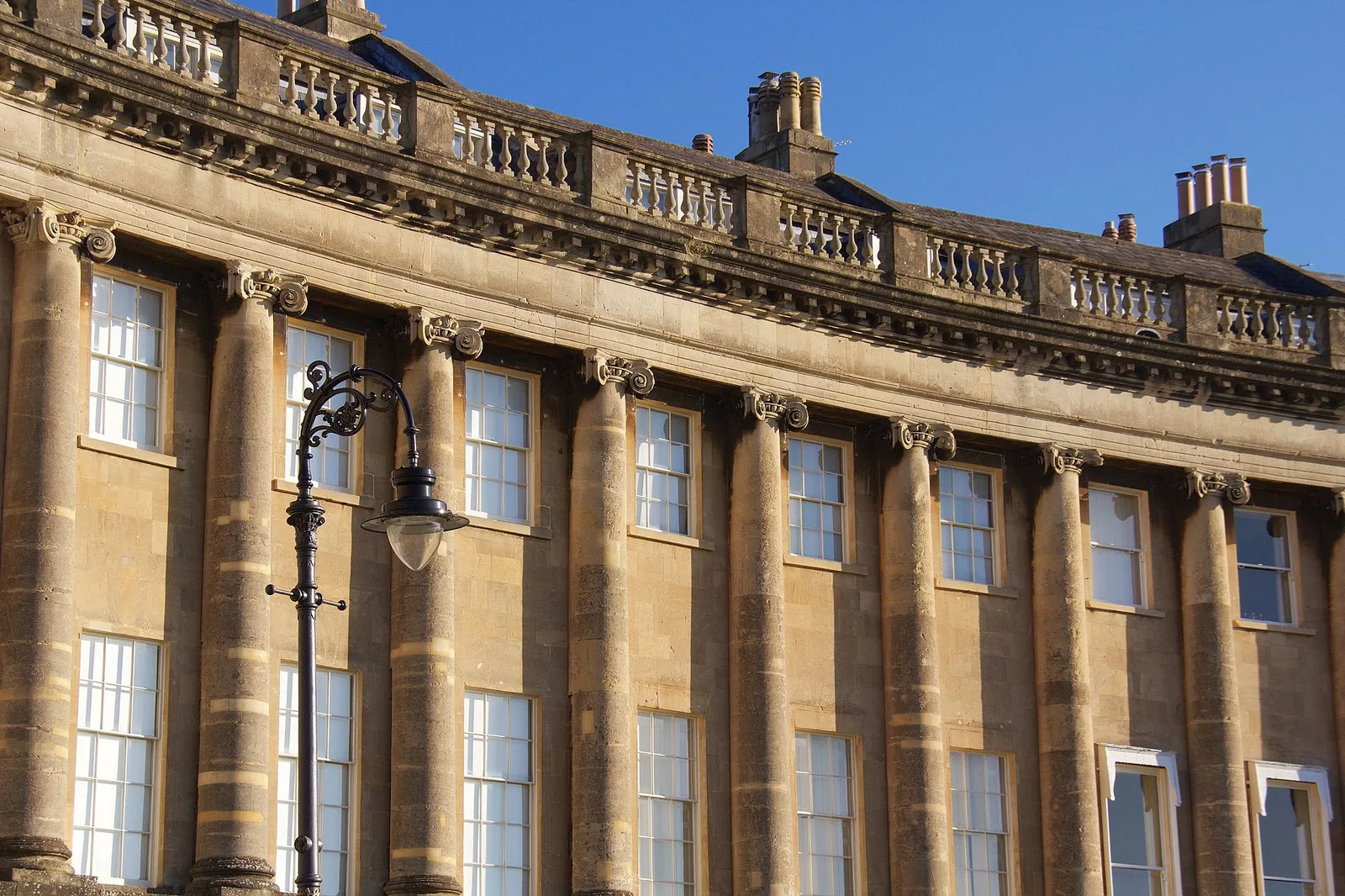
  • The Royal Crescent and No. 1 Royal Crescent
  • The Circus
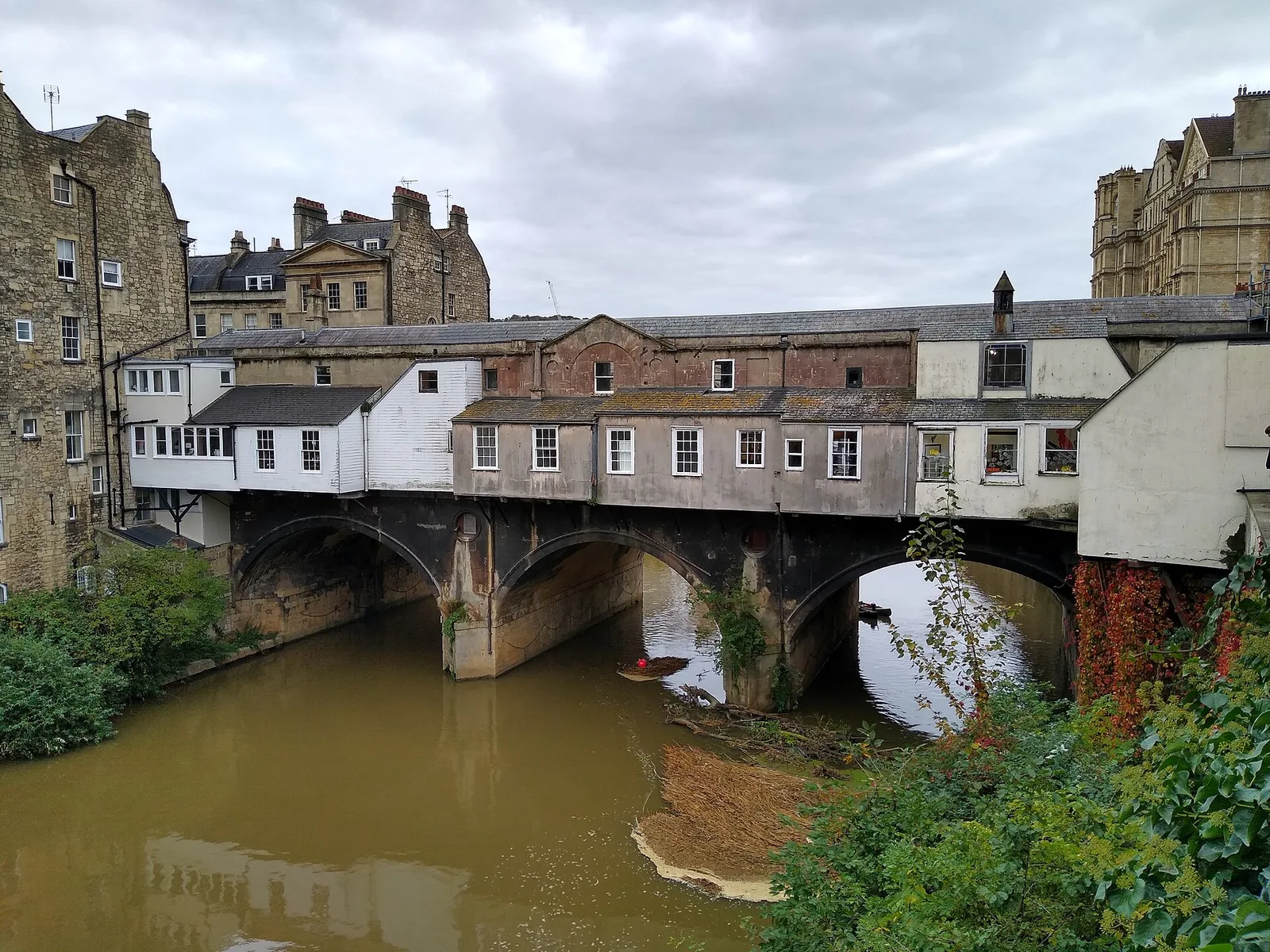
  • Pulteney Bridge and Pulteney Weir
  • Thermae Bath Spa
  • Prior Park Landscape Garden and the Bath Skyline

Nearby Markets: Cornwall  |  Devon  |  Brighton

Airbnb marketing services in Bath, England, United Kingdom, Europe
Postcards

Bath through the lens

A few of the visual fingerprints we lean into when we shoot, brand and market a Bath property — courtesy of the open Wikimedia Commons archive.

Royal Crescent, Bath 2014 07 — Bath airbnb marketing
Local Color
Royal Crescent, Bath
Pulteney Bridge — Bath airbnb marketing
Local Color
Pulteney Bridge
Sulis Minerva Roman Baths 2025 07 24 — Bath airbnb marketing
Local Color
Sulis Minerva Roman Baths
Bath Abbey Exterior, Somerset, UK Diliff — Bath airbnb marketing
Local Color
Bath Abbey Exterior, Somerset, UK
Why Cavmir

The Cavmir Advantage
in Bath

Cavmir wins in Bath because the city sells on address, architecture and walking distance, and most listings describe none of the three precisely. We write the walk in minutes — to the Abbey, to Thermae, to the Rec, to Bath Spa station — because that is the filter guests actually apply, and we photograph Bath stone the way it deserves: late light on a crescent, sash windows and shutters, the honey colour that no phone camera finds on its own. We price the year the city publishes: the Christmas Market's eighteen days around the Abbey, the Jane Austen Festival in September, Bath Half in March, rugby weekends, and the long shoulder that spa demand keeps alive when other heritage cities go quiet. We put the practical answers where they convert — parking or Park and Ride, whether the Clean Air Zone touches a private car (it does not), how many stairs a listed building really has — because an unanswered logistics question is a lost booking in a city where half the stock is over two hundred years old. For Bath's guest houses, townhouse hotels and B&Bs we build direct-booking websites and repeat-guest programs, since a returning spa couple should not pay a platform commission to come back to the same room. We help position and market your property. We never manage it or touch your keys.

State of the Industry · History

The Bath STR Market — Past & Present

Bath begins with water. Around a quarter of a million litres a day rise here at roughly 46 degrees, and the Celts dedicated the spring to Sulis long before the Romans arrived, built a temple and bathing complex over it in the first century and called the place Aquae Sulis. The Romans left, the baths silted up, and for a thousand years Bath was a wool town with an abbey — the present Abbey church begun in 1499, the last great medieval church raised in England. The city we sell today is essentially an eighteenth-century property development. Ralph Allen owned the Combe Down quarries and needed a market for Bath stone; John Wood the Elder had a vision of a Roman city in Somerset; Beau Nash, Master of Ceremonies from 1704, made the place fashionable and gave it rules. Between them they produced Queen Square, the Circus and — finished by John Wood the Younger in 1774 — the Royal Crescent, thirty houses behind a single sweeping façade of 114 columns. Jane Austen lived here from 1801 to 1806 and set two novels in the city, mostly while disliking it.

The Georgian boom ended, the Victorians largely left the stock alone, and the Bath Blitz of 1942 destroyed enough to make preservation a civic religion. UNESCO inscribed the City of Bath in 1987 for the whole ensemble — Roman remains, Georgian town planning, the setting in its bowl of hills — and in 2021 Bath was inscribed a second time as part of the Great Spa Towns of Europe, an unusual distinction that recognises the water rather than the architecture. Bathing itself only returned to the public in August 2006, when Thermae Bath Spa opened after a long and expensive rebuild and gave the city back the thing it was named for. The rental economy grew inside that heritage frame: thousands of listed buildings, a conservation area covering most of the centre, and a planning culture that is careful about what owners may change. There is still no Bath-specific letting licence. What arrived instead, in 2025, was tax — the end of the Furnished Holiday Lettings regime in April and a 100% council tax premium on second homes in the same month — and that, rather than any licence, is what reshaped who operates here.

Pricing Strategy & Seasonality

Pricing, Seasonality & When to Capture ROI

Pricing Strategy

Bath's rate map is a walk-time map with a heritage premium stacked on top. The Royal Crescent, the Circus and Brock Street are the top of the market — a named address on a Grade I façade sells itself and books earliest for Christmas Market weekends and the Austen Festival. Great Pulteney Street and Bathwick trade close behind: wide Georgian frontages, the Holburne at the end of the street, and a five-minute walk over Pulteney Bridge into the centre. The city centre proper — Abbey Green, the streets behind Milsom Street, Kingsmead — earns on convenience, with matchday and hen-weekend demand that pays for noise tolerance and step-free access. Lansdown and the northern slopes command a view premium and lose some of it back on the walk home uphill, which is worth saying honestly in the listing. Widcombe, Oldfield Park and the outer suburbs are the value tier, where the honest sell is space, parking and a ten-to-twenty-minute walk rather than a pretence of being central. Blended, Bath runs near £168 a night at roughly 68% occupancy, and the gap between an event-priced calendar and a flat one is the largest single controllable number in the market.

Seasonality & ROI Windows

Bath's year has no true dead season, which is rare in England. Spring builds from the Bath Half in March through Easter and into a strong May. Summer is the peak on volume — long light on the crescents, festival programming, international heritage travel — and August prices accordingly. September is the connoisseur's month: warm stone, thinner crowds and the Jane Austen Festival filling the streets with Regency costume. October and November soften, then the Christmas Market rebuilds the calendar for eighteen days around the Abbey. January and February are the only genuinely quiet weeks, and even those hold a floor because the spa, the museums and the rugby do not care about the weather.

Regulation & Licensing · 2026

What the Law Requires in Bath

Bath is a medium-regulation market, and the pressure comes from heritage and tax rather than from licensing. There is no Bath-specific short-term-let licence. England's national registration scheme was legislated for in the Levelling Up and Regeneration Act 2023, but the portal has slipped from 2024 to spring 2026 to a vaguer later in 2026, and it is expected to start voluntary before it becomes mandatory. The proposed C5 short-term-let use class, which would let councils require planning permission to convert a home into a holiday let, has not been implemented in England — the consultation outcome has not been formally published and no statutory instrument has been laid. Any guide telling you that you must already hold a registration number or sit in use class C5 in England is describing an intention, not the law as it stands in mid-2026. Confirm the current position before you rely on it either way. What does bite is the local layer. Bath and North East Somerset charges a 100% council tax premium on second homes from April 2025, doubling the bill on a furnished property that is not somebody's main residence — reported at 858 properties across the district. A genuine holiday let can instead be assessed for business rates if it was available to let for at least 140 days and actually let for at least 70 days in the previous year, and small business rate relief may then apply, so the 70-day threshold is a number worth tracking from January rather than discovering in April. Most of central Bath sits in a conservation area and much of the housing stock is listed, so external alterations, signage, replacement windows and anything visible from the street may need listed building consent. Planning change of use is a live question for whole dwellings run commercially — the safe move is to ask B&NES about your specific address rather than assume.

Market-Specific Tips & Challenges

Local Tips & Unique Market Challenges

Tips That Actually Move Revenue in Bath

Lead with the walk. Bath guests filter on minutes to the Abbey and minutes to Bath Spa station, so put both in the first two lines and stop making people guess. Photograph the stone in late afternoon light — Bath's colour is the product, and midday shots flatten it into grey. Answer the stairs question in the listing, not in a message: how many flights, how narrow, whether there is a landing to rest on, because a large share of the heritage market is over sixty. Say plainly whether you have parking, and if you do not, name the nearest Park and Ride and the walking route; also say that the Clean Air Zone does not charge private cars, because a surprising number of guests believe it does. Hold rate through the Christmas Market rather than discounting midweek — those eighteen days are the strongest demand of the year. Package the spa: a booking reference for Thermae and a robe in the wardrobe converts couples better than another photo of the kitchen. Put a Bath Rugby home fixture list in your pricing calendar. And build the email list from day one — Bath's repeat rate on anniversary and birthday trips is high, and the second visit should be direct.

Unique Bath Challenges

The heritage that sells the city also constrains it. Listed status limits what you can change, which slows refurbishment and rules out some of the amenities that move rates elsewhere — external hot tubs are rarely a Bath answer. Stairs are the recurring operational complaint, and step-free stock is scarce and priced accordingly. Parking is genuinely hard in the centre and is the single most common cause of a bad first hour. Entry prices are high relative to income, so yields are moderate and the case leans on steady occupancy rather than peak rates. Competition is professional — the guest houses and townhouse hotels here have been marketing to the same couples for decades. And the tax picture has tightened twice in one year, which means the business needs to be run on real numbers rather than optimism.

The Abbey Heated by Roman Water
When Bath Abbey rebuilt its collapsing floor in the Footprint project completed in 2021, it solved its heating problem with the same water the Romans came for. Warm spring water that had been running to waste through the drain beside the building now passes through heat exchangers and warms the Abbey floor. A church begun in 1499 is heated by a spring that has been rising at around 46 degrees since before anyone thought to write the date down, and the congregation sits on underfloor heating that costs the city nothing to generate.
Finance Essentials — Bath
🛡️

Insurance

A standard home policy does not cover paying guests, and in Bath the underwriting has heritage wrinkles: listed buildings, sash windows, original staircases and period roofs all cost more to reinstate than their modern equivalents, and insurers will ask. You need holiday-let or commercial cover with public liability, loss of rent and accidental damage by guests, plus an escape-of-water position that reflects old plumbing in cold January weeks. Keep the fire risk assessment, gas safety certificate and electrical report current and filed — after an incident they are the difference between a paid claim and an argument.

🧾

Property & Income Tax

The big change is behind you and it was not local. From 6 April 2025 the Furnished Holiday Lettings regime ended for income tax and capital gains tax, so a Bath holiday let is now taxed as ordinary UK property income: mortgage interest relief is restricted to a basic-rate credit, capital allowances on new expenditure are gone in favour of replacement of domestic items relief, and the 10% Business Asset Disposal Relief rate on sale no longer applies. On top of that sit VAT once turnover passes the registration threshold, council tax at a 100% second home premium or business rates if you clear the 140/70 test, and ordinary income tax on profit. None of this is advice — the numbers move with your structure, your mortgage and whether you own personally or through a company, so put an accountant on it before the next return rather than after.

🏦

Mortgages & Financing

UK lenders treat holiday lets as a specialist product rather than a buy-to-let variant. Expect a smaller lender panel, typically 25-30% deposit, and affordability assessed on projected seasonal income from a letting agent's letter rather than a single long-term rent figure. The April 2025 tax change matters here: with mortgage interest now relieved only at the basic rate, highly geared purchases stress-test far worse than they did two years ago. Bath's entry prices sit well above the regional average, and listed status can narrow the lender panel further. Model it with a broker who has actually placed a listed Georgian holiday let.

Future Outlook · 2027 & Beyond

Where Bath is Headed Next

Bath's next few years are about tax and supply rather than dramatic new rules. The national registration scheme will eventually arrive, and when it does the likely effect in Bath is visibility rather than restriction — a register makes it obvious how many lets exist and gives the council a basis for whatever comes next. The C5 use class, if it is ever laid, would give B&NES a lever it does not currently have; whether the council uses it will depend on how the housing debate runs locally, and Bath's second-home count is small compared with the coastal markets, so the political heat is lower here than in Cornwall or the Lakes. The economics are already doing the sorting. The end of the Furnished Holiday Lettings regime plus a doubled council tax bill on second homes has pushed marginal owners toward selling or toward running properly as a business, which thins the amateur end of the supply and helps everyone who stays. Demand looks structurally sound: two World Heritage inscriptions, a spa that works in February, a rugby club in the city centre, a ninety-minute train from London, and a university population that keeps the restaurants honest year-round. The operators who will be doing well in 2028 are the ones treating direct booking as the core channel now, while acquisition is still cheap.

From the Desk of Sofie Sinag

Why We Love Marketing in Bath

We love Bath because it is one of the few places where the postcard is also the daily reality. You walk out of a front door on a Georgian terrace and the street is still doing what it was built to do in 1774 — people going to the baths, to dinner, to the theatre, past façades that were designed to be looked at. The scale is the gift: everything is fifteen minutes on foot, so a two-night stay actually feels like a stay rather than a logistics exercise, and the city keeps working in the rain, which no other English heritage market can honestly claim. There is a real town underneath the World Heritage badge too — a rugby ground in the middle of it all, a university, a Saturday market, pubs where nobody is performing. For marketers, Bath is the honest version of a heritage market: the demand is year-round, the guest is educated and specific, and the difference between a good listing and a great one is almost entirely craft rather than budget. Our job is to make sure the address, the light and the walk are doing the selling — and that the couple who came for an anniversary comes back direct.

Why It Matters

A great property in Bath doesn't just want a listing — it wants a point of view, an audience, and a brand the city itself would recognise.

Cavmir's Bath Cheat Sheet

The Picks We Recommend for Your Welcome Book

The picks we send Bath guests — where locals actually eat, bathe and escape the coach parties, tested across winter weekends and one very warm September.

Coffee & First Light

Colonna & Small's, Chapel Row

A small room that takes coffee more seriously than almost anywhere in Britain, run by people who have competed at it. Send guests before ten, tell them to ask what is on filter, and warn them there are not many seats. It sets the tone for a city that does small things carefully.

The Splurge Table

The Olive Tree, Russell Street

Bath's long-standing fine dining room in the basement of the Queensberry, holding a Michelin star and doing it without ceremony. Book it well ahead for the trip's big night; the tasting menu is the reason people extend a two-night stay to three.

Local Obsession

Sally Lunn's bun, North Parade Passage

A brioche the size of a side plate, served in one of the oldest houses in the city, with a cellar museum showing the medieval kitchen underneath. It is unashamedly a tourist ritual and it is also genuinely good — the trick is going at four in the afternoon rather than one.

Shoulder Season Secret

The Thermae rooftop pool at dusk in February

Steam coming off the water, the Abbey lit behind you and the temperature outside doing the work. The twilight session is the single best argument for a winter Bath booking, and it is the thing to put in your listing gallery instead of another shot of the sofa.

Weekend Escape

The Bath Skyline walk and Prior Park

A National Trust circular of roughly six miles that loops the hills above the city through woods and meadows, with Prior Park's Palladian bridge on the southern side. Two hours, no car, and the view that explains why the Georgians built where they did.

What Guests Ask For

Stairs, parking and the walk to the Abbey

Bath enquiries repeat the same three questions and a fourth about the Clean Air Zone. Answer all four in the listing — flights of stairs, parking or the nearest Park and Ride, minutes to the Abbey, and the fact that private cars are not charged — and most bookings arrive without a single message.

Local Work · Composite Case Vignettes

What Cavmir Has Done for Bath Properties

A few composite engagements drawn from how Cavmir typically works in this market. The details are illustrative and consistent with Bath, not pulled from a single named client.

Georgian apartment · Great Pulteney Street
The Brief

A two-bedroom on a wide Georgian street ran one flat rate all year, eight midday photographs that turned honey-coloured stone into grey, and no mention of the four flights of stairs — so it collected cancellations from older couples and missed the Christmas Market entirely.

What We Did

Cavmir reshot the property in late afternoon light, wrote the stairs and the walk times into the opening lines, priced the calendar against the Christmas Market, the Austen Festival, Bath Half and the rugby fixture list, and added a Thermae booking guide to the welcome pack.

The Result

The awkward messages stopped because the listing answered the questions first, the December weekends filled at proper rates instead of drifting, and the anniversary couples who came once began asking to rebook the same weekend a year out.

Nine-room guest house · Lansdown
The Brief

A family-run guest house was taking almost every booking through platforms, paying commission on guests who had stayed four times, and had a website that had not been touched since before the spa reopened — no direct rate, no packages, no way to book a room from a phone.

What We Did

Cavmir built a direct-booking website with real photography and a best-rate guarantee, packaged spa and Christmas Market stays, put the walk into town and the parking situation on the room pages, and set up a post-stay email sequence that invites returning guests to book direct.

The Result

Repeat guests started arriving through the site rather than the platform, the December calendar filled earlier than the previous year, and the owners had, for the first time, a guest list they actually controlled.

City-centre studio · behind Milsom Street
The Brief

A compact central studio competed on price against a hundred similar listings, attracted one-night hen-weekend bookings that generated noise complaints from the building, and sat empty midweek through the whole of a Bath winter.

What We Did

Cavmir repositioned it for midweek couples and solo business travellers, set a two-night minimum on weekends with a clear house policy, photographed the walk to the Abbey and the station, and built a February and January rate strategy around spa and museum demand rather than discounting.

The Result

The mix shifted toward quieter, longer midweek stays, the complaints stopped, and the two months the owner had written off as dead began covering their own costs instead of being subsidised by summer.

Market Intelligence · Seasonality

Airbnb seasonality in Bath, month by month

Demand in Bath peaks around July through August and runs quietest around January through February. Here is how the year actually books — and what to do about each stretch of the calendar.

Peak demandSteadyQuiet

Peak season

July and August are the volume peak, carried by international heritage travel and families working through the Roman Baths, the Abbey and the Royal Crescent on foot. Rates hold through both months and midweek is nearly as strong as weekends, which is unusual for an English city. The other peak is compressed and local: the eighteen days of the Christmas Market around the Abbey, when central addresses sell out weekends first and the whole city trades at summer rates in December darkness.

The shoulders

Spring and autumn are Bath's most profitable weeks per unit of effort. March brings the Bath Half and its thousands of runners, April and May carry Easter and two bank holidays, and September is arguably the best month in the city — warm stone, thinner crowds and the Jane Austen Festival filling the streets with Regency costume. October softens gently rather than falling off a cliff, held up by half-term, rugby weekends and a spa that works better as the air gets colder.

The quiet stretch

January and February are the only genuinely quiet weeks, and even they hold a floor that most English heritage cities would envy. Thermae Bath Spa, the Roman Baths, the Holburne and the Victoria Art Gallery are all indoor propositions, Bath Rugby plays through the winter at a ground in the middle of town, and the restaurant scene is supported by residents and students rather than visitors. The properties that go dark in January are the ones that never wrote a winter offer, not the ones without a market.

Dates that fill first

Bath Christmas MarketLate November to mid-December
Around eighteen days of wooden chalets filling the streets around the Abbey and Bath Street. The strongest demand block of the year for central addresses; weekends sell first and minimum stays are worth holding rather than discounting.
Jane Austen FestivalSeptember
Ten days of Regency programming culminating in the costumed promenade through the city. Draws an international audience that books months ahead and pays a premium for period addresses within walking distance of the Assembly Rooms.
Bath Half MarathonMarch
Thousands of runners plus supporters arriving for a single Sunday morning through the city centre. Early check-in, a proper bath and a late Sunday checkout convert this audience better than any amount of interior styling.
Bath Rugby home fixturesAutumn through spring
The Recreation Ground sits in the middle of Bath, so home matches move rates on ordinary weekends the rest of the market prices flat. Put the fixture list into your pricing calendar at the start of each season.
The Bath FestivalMay
Music and literature programming across venues in the city over roughly ten days in late spring, pulling a domestic audience into a month that already carries two bank holidays and the first genuinely warm light on the crescents.
Market Intelligence · Guests

Who books Bath Airbnbs — and how far ahead

Anniversary and birthday couples
The core of the market. Two or three nights, a spa session, one expensive dinner, and a strong tendency to repeat the same weekend annually — which makes them the highest-value audience to convert to direct booking.
International heritage travellers
American, European and Australian visitors combining Bath with London, Stonehenge and the Cotswolds. Book months ahead, arrive by train, care about the address and the architecture, and ask detailed questions about stairs.
Spa weekenders
Groups of two to four booking around a Thermae session, often in the winter months when the rooftop pool is at its best. Price-aware on the room, not on the experience, and reliably fill weeks nobody else is marketing.
Rugby and event visitors
Matchday and half-marathon traffic arriving for a fixed date on a published calendar. They want walking distance and a late checkout more than they want a second bedroom, and they book once the fixture is announced.
Small hotel and guest house guests
Bath's townhouse hotels and B&Bs compete for the same couples as the whole-home lets, and often win on breakfast and concierge knowledge. Operators here have the strongest direct-booking upside in the city.

The booking window

Split sharply by audience. International heritage travel books three to eight months ahead, the Christmas Market fills from September, and the Jane Austen Festival goes early. Domestic couples and spa weekenders book two to six weeks out, and January and February attract genuine last-minute demand that rewards keeping rates live rather than closing the calendar.

Typical stays

Two and three nights dominate, with a meaningful block of four-night stays around bank holidays and the Christmas Market. Week-long stays are rare and usually international. Weekend minimums of two nights are standard and defensible; three nights over the Christmas Market weekends is achievable if the listing justifies it properly.

Where guests drive from

BristolCardiffSwindonGloucesterSouthampton

Where guests fly from

London (Heathrow and Gatwick)Bristol AirportNew YorkDublinAmsterdamSydney
A large share of Bath's guests arrive by train from London Paddington in about ninety minutes, which is why walking distance to Bath Spa station converts better than parking. For paid social and search, target London and Bristol postcodes for the two-night couples market and North American heritage-travel interest audiences for the longer-lead international bookings.
Market Intelligence · What Wins

The Airbnb that wins in Bath

The winning Bath property is a one- or two-bedroom period apartment within a ten-minute walk of the Abbey, in a building with an address worth naming, with genuinely good beds, a bath as well as a shower, blackout in the bedroom and an honest description of the stairs. Character beats square footage here; a Georgian sash window and original shutters will out-earn an extra bedroom in a suburb.

Amenities that move bookings here

A proper bath, not just a showerBlackout blinds or shuttersFast wifi with the speed statedA named parking space or Park and Ride guidanceRobes and towels for the spaA real coffee setupStep count and stair detail publishedLate checkout on event Sundays
The single most valuable thing you can do is publish the walk times and the stair count in the first three lines of the listing. In a city where most stock is over two hundred years old and half the guests are over sixty, removing that uncertainty converts better than any renovation you could afford this year.
Straight Answers

Bath Airbnb marketing questions, answered

How do I market my Airbnb in Bath?

Lead with the address and the walk. Bath guests choose on how many minutes it takes to reach the Abbey, Thermae and Bath Spa station, so put those numbers in the opening lines rather than burying them. Photograph the stone in late afternoon light, because midday flattens Bath's colour into grey. Be explicit about stairs, parking and the fact that the Clean Air Zone does not charge private cars. Then price the published calendar — the Christmas Market, the Jane Austen Festival, Bath Half and the rugby fixtures — instead of running a single rate, and start collecting guest emails from the first booking so anniversary couples return direct.

When is peak season in Bath?

There are two peaks and they look nothing alike. July and August are the volume peak, driven by international heritage travel and families, with midweek trading nearly as well as weekends. The second peak is the Christmas Market — roughly eighteen days from late November when the streets around the Abbey fill with chalets and central properties sell at summer rates in the dark. September is the quality month: warm stone, thinner crowds and the Jane Austen Festival. January and February are the only genuinely quiet weeks, and the spa keeps a floor under even those.

How far in advance do guests book in Bath?

It depends entirely on who they are. International heritage travellers book three to eight months out and are the reason to open your calendar early. The Christmas Market fills from September and the Jane Austen Festival goes earlier still. Domestic couples on anniversary and spa weekends book two to six weeks ahead, and the winter months attract genuine last-minute demand — which is an argument for keeping January and February live at a sensible rate rather than closing the calendar and assuming nobody is coming.

Where do Bath's guests come from?

London is the single biggest feeder and most of it arrives by train — about ninety minutes from Paddington — which is why walking distance to Bath Spa station matters more than a parking space for a large share of bookings. Bristol, Cardiff, Swindon and the wider South West supply the drive market for weekends and rugby. The international layer is substantial and long-lead: American, European and Australian visitors combining Bath with London, Stonehenge and the Cotswolds. Target London postcodes for the short-lead couples and North American heritage-travel audiences for the long-lead bookings.

What should I know if I run a small hotel or B&B in Bath?

You are competing with whole-home lets for the same couples, and your advantages are breakfast, knowledge and the ability to take a booking directly. Most Bath guest houses hand a large share of their revenue to platforms on guests who have already stayed several times, which is the easiest margin in the city to win back. A direct-booking website that works properly on a phone, a best-rate guarantee, spa and Christmas Market packages, and a post-stay email sequence that invites repeat guests to book direct will usually pay for themselves within a season.

Free Tools · Websites That Book

See what your listing in Bath is leaving on the table

Run your Airbnb, Vrbo, or website through Cavmir's free grader. It checks the things that decide whether guests book in Bath — photos, listing copy, page speed, local search — and shows you where bookings leak. Takes about a minute, and there's no sales call attached.

If the report says your booking engine is the weak link, that's fixable: a direct-booking website of your own means repeat guests stop paying platform fees to come back to you. That's the work Cavmir does — see Airbnb website design in Bath.

What the grader measures

  • Photos and the first-impression frame
  • Listing title and copy
  • Your direct-booking website (or the lack of one)
  • Page speed and mobile experience
  • Local search and Google visibility
Grade My Listing — Free
Ready to Grow in Bath?

Let's Put Your Bath
Property on the Map

Talk to Cavmir today. We'll show you exactly what your Bath property is leaving on the table — and how fast we can change that.

Book a Free Strategy Call