Start here Work with Cavmir in Devon
Get a Proposal (786) 751-3426
£172
Avg. Nightly Rate
55%
Avg. Occupancy Rate
£2,840
Avg. Monthly Revenue
4-6%
Est. Cash-on-Cash ROI
HIGH
Seasonality
MEDIUM
Regulatory Burden

* Market averages. Properties marketed by Cavmir typically exceed these figures by 25–45%. Data sourced from AirDNA, STR market reports, and Cavmir internal analytics.

The Market

Why Devon is One of the World's Premier STR Markets

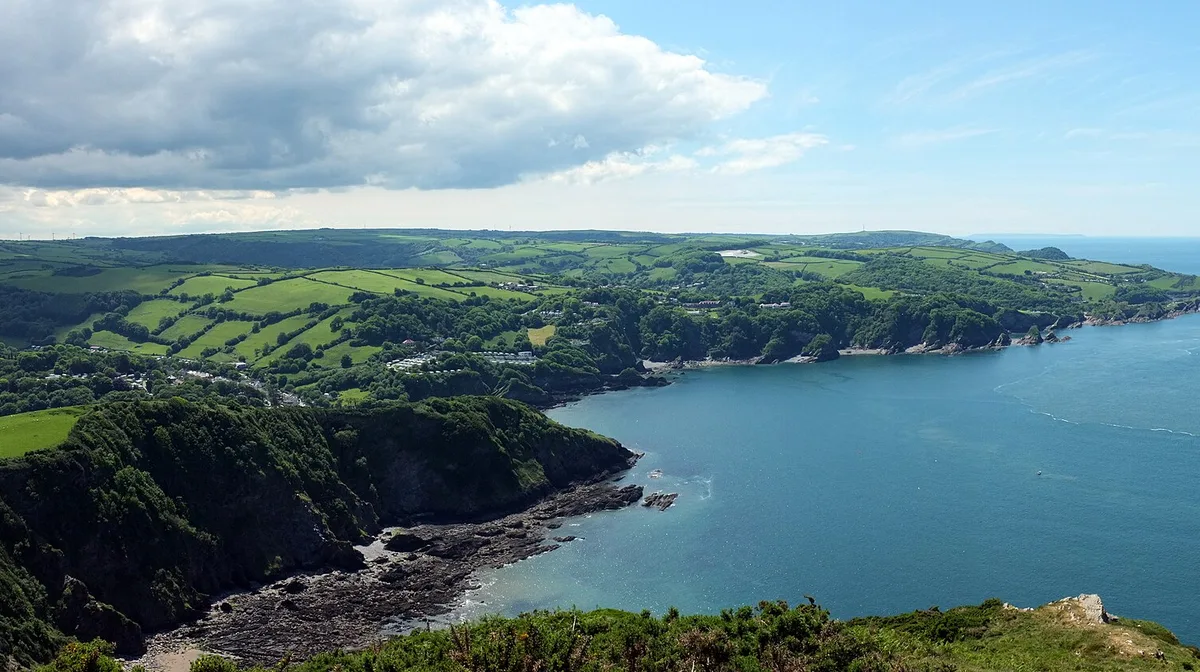
Devon is the only English county with two separate coastlines and two national parks, and that geography is the whole commercial argument. The north coast at Woolacombe and Croyde runs Atlantic surf and big skies; the south coast from Salcombe through Dartmouth to Sidmouth runs sheltered estuaries, sailing and the western end of the Jurassic Coast, which begins at Orcombe Point in Exmouth. Dartmoor and Exmoor sit behind both, and in May 2025 the Supreme Court confirmed that the public right of access over the Dartmoor commons includes wild camping — the only place in England where that right exists. What has changed for owners is money rather than licensing. England's national short-term-let register is still not live in mid-2026 and the C5 use class has not been laid before Parliament, so there is no Devon letting licence to hold. What did land, all in the same spring, was the abolition of the Furnished Holiday Lettings tax regime on 6 April 2025 and a 100% council tax premium on second homes from 1 April 2025 across the county's holiday districts — South Hams voted for it in February 2024, North Devon and Torridge applied it on the same date. Devon in 2026 rewards owners who run a genuine, well-marketed business and quietly punishes everyone still treating a cottage as a lightly-let second home.

Devon runs two distinct rental markets that happen to share a county boundary. The north — Woolacombe, Croyde, Ilfracombe, Lynmouth and the Exmoor edge — is a surf and family market with a fierce August peak, a genuine year-round surf audience most owners ignore, and lower entry prices than the south. The south — Salcombe, Dartmouth, Bigbury, Torbay and the East Devon coast at Sidmouth and Budleigh — is older money, sailing weeks, estuary views and some of the highest second-home concentrations in England, with rates to match and a longer, gentler season. Inland, Dartmoor and the Exe valley trade on walking, riding, dark skies and dog holidays, and Exeter adds a small but reliable city market on business, university and cathedral traffic. Blended nightly rates sit near £172 with occupancy around 55% across a very large listing base, and as in Cornwall the average conceals a wide gap: an estuary house in Salcombe with a mooring story and a north Devon bungalow ten minutes from the sand are not the same business. Country inns, coaching houses and farm B&Bs are a serious part of the supply and compete for exactly the same guests.

Top Attractions & Landmarks

  • Dartmoor National Park
  • Exmoor National Park and the Valley of Rocks
  • The Jurassic Coast from Orcombe Point, Exmouth
  • Salcombe and the Kingsbridge Estuary
  • Woolacombe and Croyde beaches
  • Burgh Island and its sea tractor
  • Exeter Cathedral

Nearby Markets: Cornwall  |  Bath  |  Brighton

Airbnb marketing services in Devon, England, United Kingdom, Europe
Postcards

Devon through the lens

A few of the visual fingerprints we lean into when we shoot, brand and market a Devon property — courtesy of the open Wikimedia Commons archive.

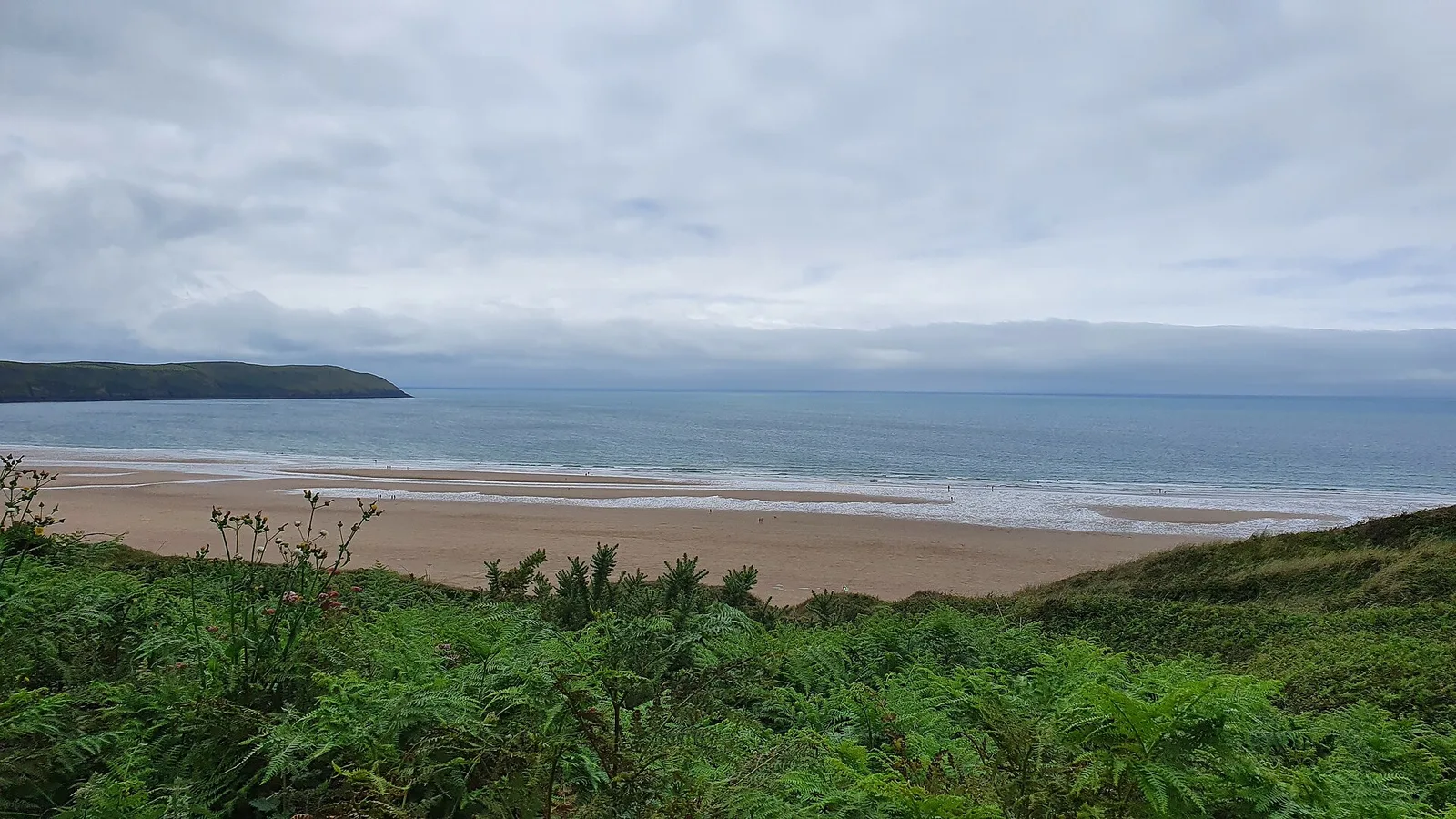
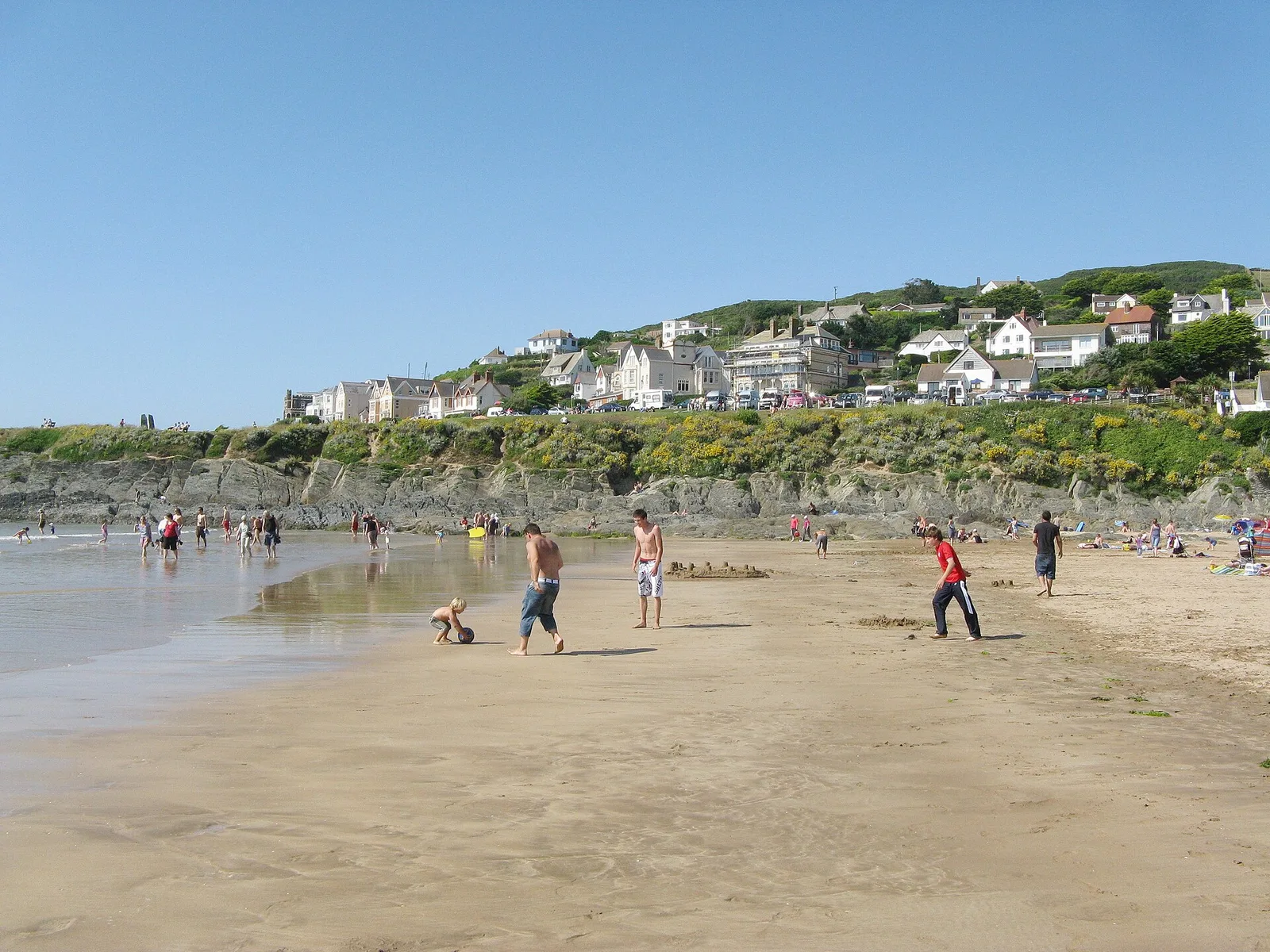
Woolacombe Beach July — Devon airbnb marketing
Local Color
Woolacombe Beach July
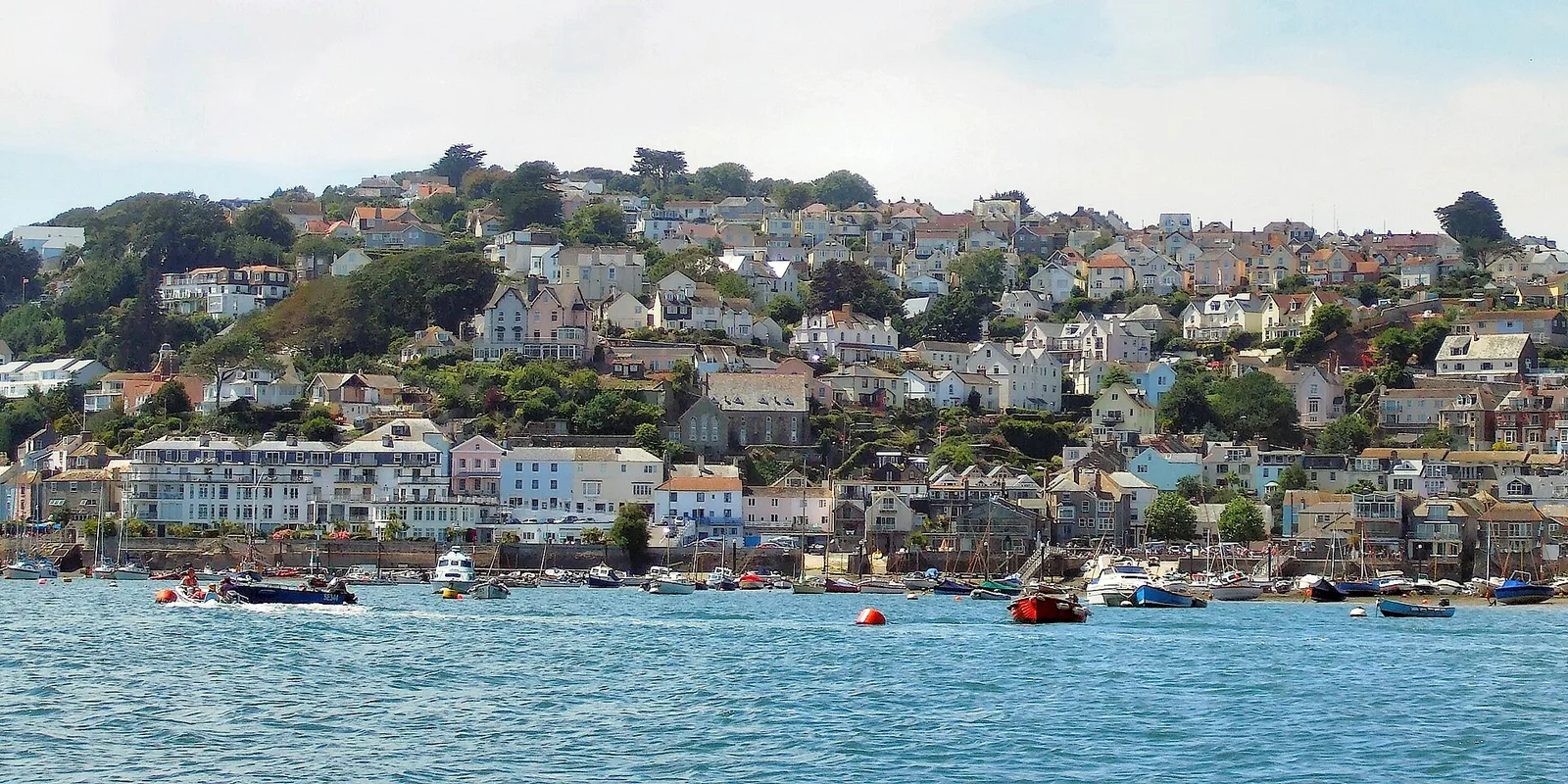
Salcombewaterfront — Devon airbnb marketing
Local Color
Devon Local Landmark
Woolacombe village, North Devon, England arp — Devon airbnb marketing
Local Color
Woolacombe village, North Devon, England
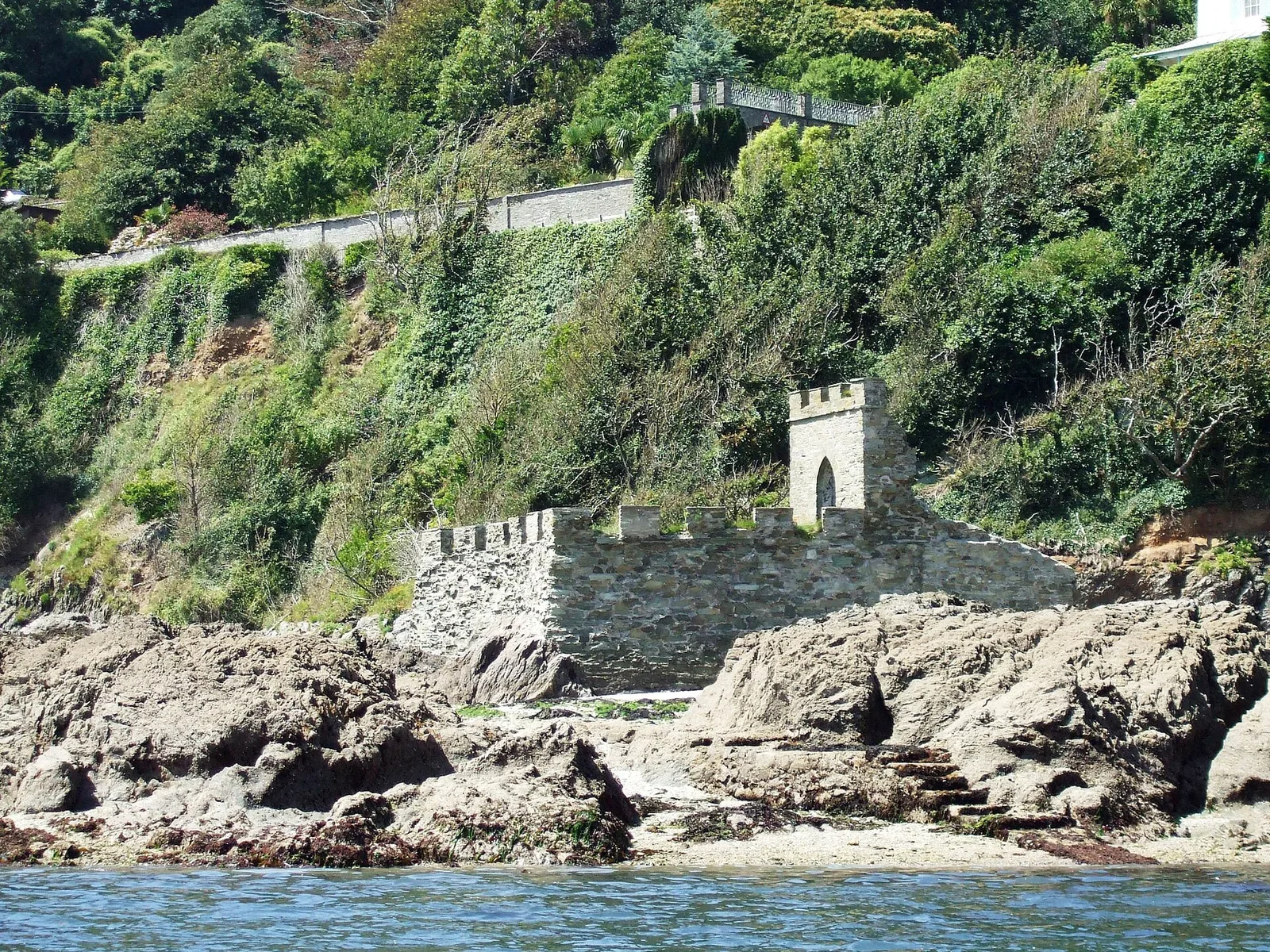
Salcombefakegunbattery — Devon airbnb marketing
Local Color
Devon Local Landmark
Why Cavmir

The Cavmir Advantage
in Devon

Cavmir wins in Devon because the county's variety is its best asset and almost nobody sells it properly. Most listings say Devon and a beach; the ones that book say which coast, which beach, how many minutes on foot, whether it is lifeguarded in shoulder season, and what happens when the wind swings. We write that level of specificity into the listing because it is exactly what a family comparing forty near-identical thumbnails is looking for. We shoot both Devons — Atlantic light and surf on the north, estuary mornings and sailing on the south, moorland weather that reads as atmosphere rather than a warning — and we price the calendar the county publishes: Sidmouth Folk Festival in early August, the Dartmouth Royal Regatta in late August, the Devon County Show in May, and the half-terms that carry the shoulder. Then we build the second business most owners never start: autumn and winter, sold on fires, dogs, dark skies and moorland walks rather than on beaches nobody is swimming from. For Devon's country inns, coaching houses and farm B&Bs we build direct-booking websites and repeat-guest programs, because a family that has stayed six summers running should not be routed through a platform to book the seventh. We help position and market your property. We never manage it or touch your keys.

State of the Industry · History

The Devon STR Market — Past & Present

Devon's shape was set by water on three sides and granite in the middle. Dartmoor's tors are the eroded roof of a granite mass pushed up nearly three hundred million years ago, and people have been living on it for at least four thousand years — the moor carries one of the densest concentrations of Bronze Age remains in Europe, hut circles and stone rows sitting in open grazing that has never been ploughed. The coasts made the money. Dartmouth sent ships to the Crusades and later to Newfoundland; Plymouth sent Drake, the Mayflower and, for three centuries, the Royal Navy; Bideford and Barnstaple traded with the Americas until their rivers silted. Wool and tin funded the churches, and the wool towns of the south — Totnes, Ashburton, Modbury — still carry the stone that money bought.

Tourism arrived with the Victorians and the railway. Torquay marketed itself as the English Riviera with palm trees and a mild winter, Ilfracombe drew paddle steamers across the Bristol Channel from South Wales, Sidmouth's Regency terraces filled with visitors taking the sea air, and the Great Western pushed excursion traffic down both coasts. In the twentieth century Devon became the archetypal British family holiday: caravans on the north coast, boats on the south, cream teas everywhere, and Agatha Christie writing at Greenway on the Dart. Surfing arrived at Croyde and Woolacombe in the 1960s and stuck. The rental economy grew steadily inside that, and by the 2020s the same pressure visible in Cornwall had arrived here: Salcombe and the South Hams among the highest second-home concentrations in England, local wages that did not track house prices, and councils looking for the only lever they controlled. South Hams District Council voted in February 2024 to apply a 100% council tax premium on second homes from 1 April 2025; North Devon and Torridge did the same on the same date. Six days later the national Furnished Holiday Lettings tax regime ended. Then in May 2025 the Supreme Court settled a different Devon argument entirely, ruling that the public right of open-air recreation on the Dartmoor commons includes wild camping — a right that exists nowhere else in England, and one that says something about how this county thinks about access.

Pricing Strategy & Seasonality

Pricing, Seasonality & When to Capture ROI

Pricing Strategy

Devon's rate map splits cleanly by coast. Salcombe and the Kingsbridge estuary sit at the top of the county — estuary views, sailing weeks and a second-home base that has been established for generations, with August rates among the highest in the South West. Dartmouth and the Dart valley follow closely on regatta demand, food and the river itself, holding rates deeper into September than the north coast manages. Woolacombe, Croyde and the north coast run higher volume at lower rates, with a sharp family peak, a real surf audience in autumn and winter, and the best value entry prices in the county. Sidmouth, Budleigh and East Devon trade on Regency seafronts, the Jurassic Coast and an older, longer-staying market that is far less August-dependent than anywhere else in Devon. Dartmoor, Exmoor and the inland valleys are the year-round tier — walking, riding, dark skies and dogs — where a fire and a drying room matter more than a sea view. Blended, Devon runs near £172 a night at roughly 55% occupancy, with the whole spread explained by how well the shoulder has been marketed.

Seasonality & ROI Windows

Devon's curve is steep but slightly kinder than Cornwall's, because the county is closer to the motorway and has more year-round inland demand. August is the peak and it is emphatic. Easter, the May half-term and the late-May bank holiday build strongly, and June is genuinely good. September is the best month on the south coast — warm water, empty estuaries and regatta afterglow — while the north coast holds surf demand into October and beyond. Half-term in October is a real week. November through February belongs to fires, dogs, moorland walking and dark skies; properties that market those trade all winter and the ones that do not simply close.

Regulation & Licensing · 2026

What the Law Requires in Devon

Devon is a medium-regulation market where the pressure comes from council tax and planning rather than licensing. There is no Devon holiday-let licence. England's national short-term-let register was legislated for in the Levelling Up and Regeneration Act 2023 but has slipped repeatedly and is still not live in mid-2026, and it is expected to begin voluntary before becoming mandatory. The proposed C5 short-term-let use class, which would let councils require planning permission for conversions, has not been implemented in England — no statutory instrument has been laid. Treat anything describing either as a current legal requirement with suspicion, and check the position yourself before relying on it. The real local layer is council tax. Devon is not a single billing authority, so the rules follow the district: South Hams resolved in February 2024 to charge a 100% council tax premium on second homes from 1 April 2025, and North Devon and Torridge applied the same premium from the same date. Others across the county took the power at the same time. A genuine holiday let can be assessed for business rates instead of council tax if it was available to let at least 140 days and actually let at least 70 days in the previous year, and small business rate relief often follows — so the 70-day test is the number that decides which bill you receive. Within the national parks a further layer applies: Dartmoor and Exmoor are their own planning authorities with their own policies on new development, conversions and change of use, and their answers are not the district council's answers. Confirm which authority covers your address before you assume anything.

Market-Specific Tips & Challenges

Local Tips & Unique Market Challenges

Tips That Actually Move Revenue in Devon

Say which Devon you are. North coast and south coast are different holidays for different people, and a listing that just says Devon is competing with everything. Name the beach, give the walk in minutes, and say whether it is lifeguarded outside August, because that question decides bookings for families with small children. On the north coast, sell surf properly: board and wetsuit storage, a rinse point, the walk to the break, and honest guidance about what the swell does in October. On the south, sell the water — moorings, ferries, the estuary at high tide, and the regatta week. Inland, sell the fire, the drying room, the dogs and the dark skies, and photograph the moor in weather rather than waiting for a blue day that will not sell winter anyway. Put the Devon County Show, the Sidmouth Folk Festival and the Dartmouth Regatta into your pricing calendar. And start the email list with your first booking — Devon's returning families are the most reliable revenue in the county and they should not cost commission by the fourth visit.

Unique Devon Challenges

The season is concentrated and the county is large, which means marketing has to be specific to work at all. Distance is a real constraint — most of Devon is three to five hours from the major population centres, favouring week-long stays over weekends and thinning out last-minute demand. Supply is enormous and much of it photographs identically. Changeover logistics on peak Saturdays are a genuine operational problem, and cleaner availability in August is the bottleneck that decides whether you can run a tight turnaround. Coastal parking and lanes that were built for carts create bad first hours if the arrival instructions are vague. Local sentiment on second homes has hardened, and the council tax premium is the visible result. And the tax arithmetic that worked before April 2025 needs redoing from scratch.

The Only Place in England You May Wild Camp
On 21 May 2025 the Supreme Court unanimously dismissed an appeal by a Dartmoor landowner and confirmed that the public right of access for open-air recreation over the Dartmoor commons, granted by the Dartmoor Commons Act 1985, includes wild camping. Nowhere else in England carries that right — everywhere else you need the landowner's permission. The code of conduct is modest: your kit must fit in a backpack you can carry, and no more than six people camp together. Your guests can legally sleep under the stars on Dartmoor, and they cannot do that in the Lake District.
Finance Essentials — Devon
🛡️

Insurance

Devon underwriting turns on exposure and vacancy. Coastal properties carry salt, storm and in places flood risk; moorland properties carry burst-pipe risk in empty winter weeks and, increasingly, questions about access in bad weather. You need holiday-let or commercial cover with public liability, loss of rent and accidental damage by guests, plus an escape-of-water position that reflects unoccupied months. Hot tubs must be declared with their water-testing regime attached. If you are in a thatched or listed property — and Devon has a great many — expect specialist underwriting and a materially higher reinstatement figure than the purchase price suggests.

🧾

Property & Income Tax

Two things changed within a week of each other in spring 2025. From 1 April 2025 the 100% second home council tax premium applied across Devon's holiday districts, doubling the bill on a furnished property that is not somebody's main residence. From 6 April 2025 the Furnished Holiday Lettings regime ended nationally, so holiday-let income is taxed as ordinary UK property income: mortgage interest relief restricted to a basic-rate credit, capital allowances on new expenditure replaced by replacement of domestic items relief, and no Business Asset Disposal Relief on sale. The route out of the council tax premium for a genuine business is business rates under the 140/70 test, where small business rate relief can cut the liability substantially. VAT arrives at the registration threshold, which catches owners of multiple cottages sooner than they expect. Model your own structure with an accountant.

🏦

Mortgages & Financing

Holiday-let mortgages come from a narrower lender panel than buy-to-let, generally want 25-30% deposit, and assess affordability on projected seasonal income evidenced by a letting agent's letter. The April 2025 tax change bites hardest on geared purchases, because interest is now relieved only at basic rate. Devon's spread matters here: the north coast still offers entry prices that make the arithmetic work, while Salcombe and the South Hams trade at levels where the case rests on capital and personal use rather than yield. Thatch, listed status and national park location all narrow the panel further. Use a broker who has placed Devon holiday lets before.

Future Outlook · 2027 & Beyond

Where Devon is Headed Next

Devon's next few years look like a slower version of Cornwall's. The second home premium and the end of the Furnished Holiday Lettings regime are pushing marginal owners toward either selling or professionalising, which thins the weakest end of supply and helps the operators who remain. If the national register launches it will make the sector's true size visible for the first time, and the South Hams is exactly the sort of district that would look hard at a C5 use class if one were ever laid. Plan for more paperwork and more transparency rather than a ban. Demand looks structurally healthy and is lengthening at both ends: the surf economy on the north coast runs through winter, the Jurassic Coast and the South West Coast Path bring walkers in spring and autumn, Dartmoor's dark skies and the confirmed wild camping right have given the moor a new audience, and Exeter's growth keeps a year-round floor under the inland market. The operators who will be doing well in 2028 are the ones building autumn and winter demand now — properties that work in weather, marketing that says so, and a guest list they own rather than rent.

From the Desk of Sofie Sinag

Why We Love Marketing in Devon

We love Devon because it gives you two completely different holidays and never asks you to choose. In one week you can be watching Atlantic sets stack up at Croyde and then, an hour and a half later, sitting on a pontoon in Salcombe waiting for the tide with a crab line and a bag of chips. The moors sit in between doing something else again — weather moving across open granite, ponies that belong to somebody, a dark sky at night that people drive a long way to see. The county has kept its working self too: cattle markets, boatyards, a naval city, farms that are farms rather than décor, and cream teas served in the correct order, which is cream first. For marketers, Devon is the county where precision pays fastest. There is so much supply and so much similarity that the moment a listing says exactly which beach, exactly how far, and exactly what happens in October, it steps out of the crowd. Our job is to find the specific thing your property is genuinely best at, and to make sure the right family finds it in the right month.

Why It Matters

A great property in Devon doesn't just want a listing — it wants a point of view, an audience, and a brand the city itself would recognise.

Cavmir's Devon Cheat Sheet

The Picks We Recommend for Your Welcome Book

The picks we send Devon guests — weighted toward the shoulder weeks, when both coasts are at their best and the lanes are passable in something wider than a Fiat.

Coffee & First Light

Sandy Cove at first light, Woolacombe

Three miles of west-facing sand that is genuinely empty at seven in the morning even in August. Send guests with a flask before the car parks open; it is the single most reliable way to make a north Devon stay feel like an escape rather than a queue.

The Splurge Table

The Seahorse, Dartmouth

A fish restaurant on the embankment that cooks over charcoal and takes the Dart's day boats seriously. It is the meal people build a Dartmouth trip around, and in regatta week you will need to have booked long before you arrive.

Local Obsession

A cream tea, cream first

Devon puts clotted cream on the scone and jam on top; Cornwall does it the other way and both sides consider the other barbaric. Send your guests to a farmhouse tea room, tell them the local order, and watch a two-pound debate become the story they tell at home.

Shoulder Season Secret

Dartmoor dark skies in November

The moor holds some of the darkest skies in southern England, and November gives you long nights without deep winter cold. A fire, a flask and twenty minutes outside is a genuine reason to book a week nobody else is selling.

Weekend Escape

Burgh Island and the sea tractor

At low tide you walk across the sand to the island; at high tide a sea tractor on stilts carries you over the water. Agatha Christie wrote here, the Art Deco hotel is still there, and it is the most photographed thirty seconds in south Devon for good reason.

What Guests Ask For

Which coast, which beach, and the lane

Devon enquiries repeat four questions: which coast you are on, how far the named beach is on foot, whether the approach lane is passable in a normal car, and what the parking situation is in August. Answer all four in the listing and the messages stop.

Local Work · Composite Case Vignettes

What Cavmir Has Done for Devon Properties

A few composite engagements drawn from how Cavmir typically works in this market. The details are illustrative and consistent with Devon, not pulled from a single named client.

Estuary house · near Salcombe
The Brief

A four-bedroom with a genuine estuary outlook filled August at a strong rate and then sat empty from October. The listing sold a summer sailing holiday and said nothing at all about what the house is like when the water is grey and the fire is lit.

What We Did

Cavmir wrote and photographed a second season into the same property — fire, walks, the estuary in autumn light, dog kit — targeted couples and walkers rather than families, and priced October half-term, November weekends and Christmas as deliberate products instead of leftovers.

The Result

The empty half of the year began covering standing costs, Christmas sold as a ten-night booking made the previous summer, and the owner stopped treating everything outside August as a write-off.

Sixteen-room country inn · Dartmoor edge
The Brief

A moorland inn with rooms above a busy bar took the majority of its accommodation revenue through platforms, paid commission on regulars who had been eating there for a decade, and had a website that could not take a room booking on a phone.

What We Did

Cavmir built a direct-booking site with proper photography of the rooms, the bar and the moor, packaged walking and dark-sky breaks, put the Devon County Show and half-terms into the rate calendar, and set up a post-stay email inviting guests to book direct.

The Result

Direct bookings began carrying the shoulder months, midweek walking breaks filled weeks that used to be discounted platform inventory, and the inn finally had a guest list it owned rather than rented.

Surf cottage · Croyde
The Brief

A two-bedroom cottage ten minutes from the beach was a summer-only business, competed on price with dozens of identical listings, and had never been marketed to the surfers who are actually in north Devon from September to April.

What We Did

Cavmir rebuilt the listing around surf logistics — board storage, hot outside shower, the walk to the break, honest swell and tide guidance — reshot it in autumn light, and set a winter rate strategy aimed at surfers and dog owners rather than discounting for families who were not looking.

The Result

Autumn and winter weekends started booking from an audience nobody else on the street was addressing, the summer rate held because the property no longer looked interchangeable, and repeat surf guests began booking direct.

Market Intelligence · Seasonality

Airbnb seasonality in Devon, month by month

Demand in Devon peaks around July through August and runs quietest around January through February. Here is how the year actually books — and what to do about each stretch of the calendar.

Peak demandSteadyQuiet

Peak season

The six weeks of the English summer holidays fill both coastlines at the highest rates of the year. North Devon runs on beaches and surf schools at Woolacombe and Croyde; south Devon runs on estuaries, ferries and boats around Salcombe and Dartmouth. Changeovers are Saturday to Saturday, families book from January, and the strongest properties rebook their returning guests before they leave. Anything empty in this window has a marketing problem rather than a demand problem.

The shoulders

Easter, the May half-term and the late-May bank holiday build fast, and the Devon County Show gives May a spike most owners never price for. June is genuinely strong. September is the best month on the south coast — warm water, empty estuaries, regatta afterglow — while the north coast holds surf demand right through October. Half-term in October is a real week on the moors, with bracken colour, fires and the darkest skies in southern England.

The quiet stretch

November through February is where Devon separates the businesses from the second homes. Dartmoor and Exmoor carry walking, riding, dog holidays and dark-sky demand all winter; the north coast keeps a genuine surf audience that does not stop when the schools go back. What does not sell is a beach property that has only ever been photographed in July. Christmas and New Year are a strong exception — large houses that can take an extended family book seven to ten nights from the previous summer.

Dates that fill first

Dartmouth Royal RegattaLate August
A regatta that has run since the 1820s and fills the Dart valley for three days at the very end of the peak. Demand spills a long way up the river and along the coast, and the dates are published far enough ahead to price against.
Sidmouth Folk FestivalEarly August
A week of music that has run since 1955 and fills East Devon with an unusually loyal audience. A large share rebook the same accommodation year after year, which makes it the best repeat-guest opportunity in the county.
Devon County Show, ExeterMay
Three days of the county's agricultural show that fill mid-Devon and the Exe valley well beyond the showground, in a month most owners still price as ordinary shoulder season rather than as a genuine spike.
October half-term on the moorsLate October
The strongest single week of the Devon autumn. Walkers, dog owners and families book late for bracken colour, fires and dark skies, and pay properly for properties that have actually photographed themselves in weather.
Christmas and New Year in the countryLate December
Large inland and estuary houses that can take an extended family command a genuine premium for seven to ten nights, and are typically booked from the previous summer by groups who return to the same house annually.
Market Intelligence · Guests

Who books Devon Airbnbs — and how far ahead

Returning summer families
Four to seven people, Saturday to Saturday, often the same week and often the same house for a decade. The highest-value audience to convert to direct booking, because the relationship already exists and the platform is only taking a cut of it.
North coast surfers
A year-round audience at Croyde and Woolacombe that most owners only market to in August. They want board storage, a hot outside shower and honest swell guidance, and they fill weeks nobody else is selling.
Sailing and estuary guests
South coast demand around Salcombe and Dartmouth built on moorings, ferries, day boats and regatta week. Older, higher-spending, longer-staying and far less tied to school holidays than the beach market.
Moorland walkers and dog owners
Dartmoor and Exmoor visitors who travel deliberately in autumn and winter. A fire, a drying room, a secure garden and a genuine dog welcome matter more to them than a sea view or a second bathroom.
Country inn and farm B&B guests
Devon's coaching inns, moorland pubs with rooms and farm B&Bs compete for the same walkers and couples as the cottages, and generally have far more unused direct-booking upside than the whole-home market.

The booking window

August books very early — the best properties fill from January and February and returning families frequently rebook before checkout. Easter and half-terms fill two to four months out, and the Sidmouth and Dartmouth event weeks go earlier still. Autumn and winter demand is late by contrast: walkers, surfers and dog owners book two to six weeks ahead, which is a strong argument for keeping the winter calendar open and priced rather than closed.

Typical stays

Seven nights Saturday to Saturday is the summer standard on both coasts and worth protecting with minimum stays. Outside August the market moves to three and four nights, with midweek breaks performing well inland if they are priced as their own product rather than as a discounted week. Two-night minimums are sensible off-season once changeover costs are counted honestly.

Where guests drive from

BristolBirminghamLondonCardiffSouthampton

Where guests fly from

London (Heathrow and Gatwick)ManchesterExeter AirportDublinEdinburghAmsterdam
Devon is a drive market on the M5, three to five hours for most of England, which favours week-long stays and makes the Midlands and Home Counties the core targeting geography. For paid media, family audiences in those regions carry summer; surf, walking and dog-owner interest audiences carry the shoulder and winter, and they are far cheaper to reach because nobody else is bidding for them in November.
Market Intelligence · What Wins

The Airbnb that wins in Devon

The winning Devon property is one that has decided which Devon it is and then equipped itself properly. On the north coast that means a house within walking distance of a named beach with board storage and a hot outside shower. On the south it means water access, a mooring story or a ferry within walking distance. Inland it means a fire, a drying room, a secure garden and honest dog kit. Deciding is the point; the properties that try to be everything read as nothing.

Amenities that move bookings here

A working fire or wood burnerHot outside shower and board storageDrying room or utility with a rackOff-street parking, described honestlySecure garden and dog kitFast wifi with the speed statedBlackout blinds for long summer lightMooring, ferry or beach walk time published
The single most valuable thing you can do is name the coast, the beach and the walking time in the first two lines. Devon's supply is enormous and most of it is vague; specificity is the cheapest competitive advantage available and it costs a rewrite rather than a renovation.
Straight Answers

Devon Airbnb marketing questions, answered

How do I market my Airbnb in Devon?

Start by saying which Devon you are. North coast and south coast are different holidays for different people, and a listing that only says Devon is competing against the whole county. Name the beach or the estuary, give the walk in minutes, and say whether the beach is lifeguarded outside August — that question decides bookings for families with small children. Then equip and photograph a second season: surf in autumn on the north coast, water and light in September on the south, fires and dark skies inland. Price the published calendar, and start collecting guest emails from your first booking so returning families stop costing you commission.

When is peak season in Devon?

August, emphatically, on both coasts. Easter, the May half-term and the late-May bank holiday build strongly ahead of it, and the Devon County Show gives May a spike most owners never price for. June is genuinely good. September is the best month on the south coast, with warm water and empty estuaries, while the north coast keeps surf demand through October. October half-term is a real week inland. November to February belongs to fires, dogs, moorland walking and dark skies, and only to properties that have marketed them.

How far in advance do guests book in Devon?

August is booked a long way out — the strongest properties fill from January and February, and returning families often rebook their week before they check out. Easter and half-terms fill two to four months ahead, and the Sidmouth Folk Festival and Dartmouth Regatta weeks go earlier still. Autumn and winter are the opposite: surfers, walkers and dog owners book two to six weeks out and sometimes inside a fortnight. That asymmetry means closing the winter calendar costs you more than leaving it open at a realistic rate.

Where do Devon's guests come from?

Mostly by car up and down the M5 — the Midlands, the South East, Bristol, South Wales and the wider South West, three to five hours for most of them. That distance favours week-long stays over weekends and makes last-minute weekend demand thinner than in markets closer to London. Exeter Airport adds a small fly-in layer and the cities of the south west supply genuine short-break traffic to the moors. For advertising, target Midlands and Home Counties families in summer and surf, walking and dog-owner interest audiences in the same regions for the shoulder.

What should I know if I run a country inn or B&B in Devon?

You are competing with self-catering cottages for the same walkers, couples and food travellers, and your real advantage is that you can take a booking directly and build a relationship over dinner. Most Devon inns hand a large share of accommodation revenue to platforms on guests who have been drinking in the bar for years. A direct-booking website that works on a phone, packaged walking and dark-sky breaks, event weeks priced properly in the calendar, and a post-stay email inviting guests to book direct will usually pay for themselves inside one shoulder season.

Free Tools · Websites That Book

See what your listing in Devon is leaving on the table

Run your Airbnb, Vrbo, or website through Cavmir's free grader. It checks the things that decide whether guests book in Devon — photos, listing copy, page speed, local search — and shows you where bookings leak. Takes about a minute, and there's no sales call attached.

If the report says your booking engine is the weak link, that's fixable: a direct-booking website of your own means repeat guests stop paying platform fees to come back to you. That's the work Cavmir does — see Airbnb website design in Devon.

What the grader measures

  • Photos and the first-impression frame
  • Listing title and copy
  • Your direct-booking website (or the lack of one)
  • Page speed and mobile experience
  • Local search and Google visibility
Grade My Listing — Free
Ready to Grow in Devon?

Let's Put Your Devon
Property on the Map

Talk to Cavmir today. We'll show you exactly what your Devon property is leaving on the table — and how fast we can change that.

Book a Free Strategy Call