Pricing Strategy & Seasonality
Pricing, Seasonality & When to Capture ROI
Pricing Strategy
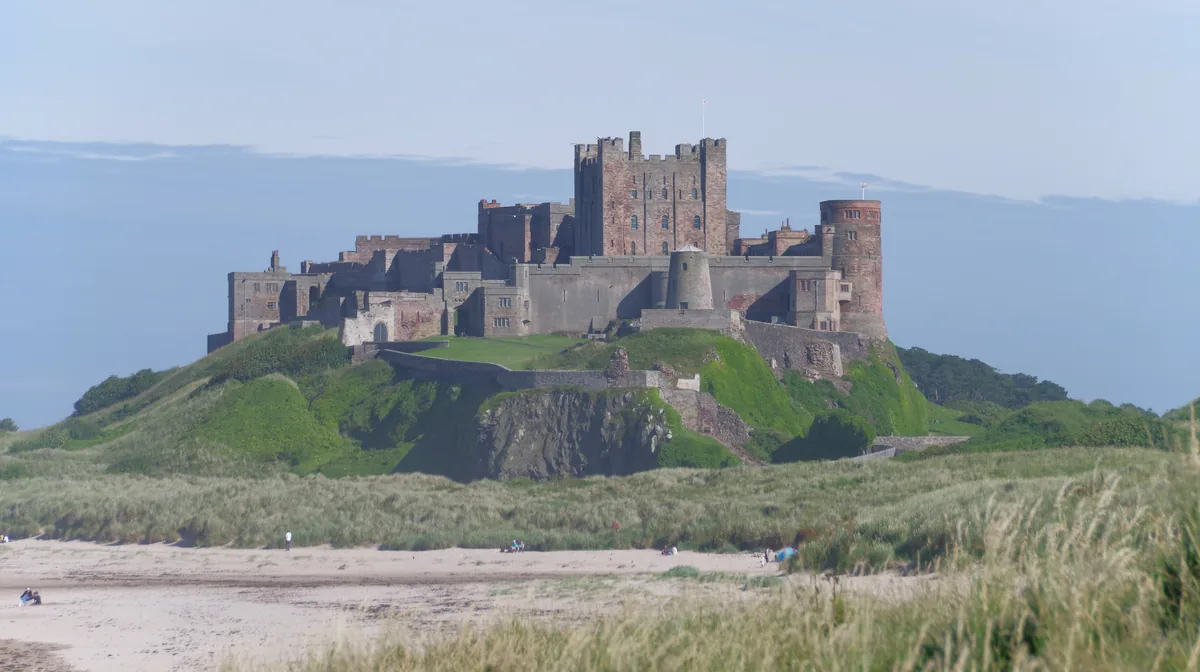
AirROI's figures describe a market where size and position set the rate. Line the county's listings up by nightly rate over the year to September 2026 and the middle one sat at about £140; a quarter charged £100 or less, a quarter £200 or more, and one in ten £345 or more. One-bedroom homes averaged £117 a night at 47% occupancy and about £15,500 a year; two-bedroom homes, the most common size, £169 at 46% and £21,000; three-bedroom homes £192 at 43% and £23,700; and four-bedroom homes £317 at 47% and £43,100. In a typical month the median listing took about £2,120, the top quarter £3,430 or more and the top tenth £5,820 or more. The market's top earner, a three-bedroom house in Bamburgh, grossed about £126,200 at an average of £569 a night, which shows what a well-presented house in the right spot can charge.
The £1,850 a month in the box is the average year spread over twelve months, closed weeks included. AirROI's cost model takes about £8,480 a year off the average listing's £22,254 in gross bookings: about £3,320 in Airbnb fees, £2,600 for cleaning and laundry, £1,110 for utilities and internet, £670 for repairs, £450 for guest supplies, £220 for insurance and £110 it sets aside for permits. Roughly £13,774 is left, near enough £1,150 a month, to cover the mortgage, the rates or council tax bill and anything else. AirROI also works out what two changes would be worth to the average listing here: another ten nights a year sold at the median rate comes to about £1,380, while charging 10% more for the nights it already sells comes to about £1,970. Few houses here shut for the winter: 42% of listings took bookings on 271 days or more and a further 36.8% on 181 to 270, so the dark months are part of the year's income.
Then there are the add-ons and the minimum stays. About two-thirds of listings, 67.8%, add a cleaning fee; the median is £79 and the average £157, which on the average 4.6-night stay adds about £17 a night, and cleaning fees make up 11.7% of gross revenue. On minimum stays, 39% of listings ask for two nights, 30% for three, 25% will take a single night and just 6% insist on four or more. On cancellations, 44% use a firm policy and a third are flexible or moderate. Guests here mark value lowest of the review categories, at 4.77, which is a good reason to make the first figure they see the one they end up paying.
Since 6 April 2025 that has also been the law. The Digital Markets, Competition and Consumers Act 2024 outlawed drip pricing, so any advert that invites a booking has to show a price that already contains the compulsory fees, taxes and charges. For a holiday let, a compulsory cleaning fee belongs inside the price a guest sees on the direct-booking site, not added on the last screen. Pets are the other price lever worth getting right: 66% of AirROI's Northumberland listings allow pets, and they averaged about £26,300 a year against £14,200 for those that don't. AirROI warns that gaps like this partly reflect the kind of property rather than the amenity alone, but on a coast of long beaches and coastal walks, a clear dog policy, any dog fee shown up front and a list of what the house provides are part of the price.
Seasonality & ROI Windows
The year here is a curve rather than a cliff. AirROI's model of a normal Northumberland year has a listing taking about £4,310 in August against £1,550 in January, with its best three months producing 37% of the year's takings, against the 25% a flat year would show. AirROI's high season runs from June to September at about £3,680 a month, 60% occupancy and £194 a night; the shoulder of April, May and October at about £2,660, 47% and £183; and the low season from November to March at about £1,900, 39% and £172. In the twelve months to September 2026, occupancy ran from 26.3% in January to 68.2% in August, and August stays were booked about 86 days ahead on average, against about 40 days for January.
Spring and early summer belong to the wildlife and the walkers. Inner Farne's landing trips run from April to September, the seabirds are present from May to July, and Amble's Puffin Festival, just south of Warkworth, is held over a weekend in late May each year (23 and 24 May in 2026). May 2026 ran 51.7% occupancy at £203 a night, and June 56.1% at the same rate. Late summer brings the shows: the Glendale Show at Wooler was held on the bank holiday Saturday, 29 August, in 2026, and the Lindisfarne Festival, for over-18s only, returns on 2 to 4 September 2027. September 2025 ran 53.7% occupancy at £186 a night, with stays averaging 4.3 nights, so the month after the school holidays is worth pricing as a season of its own.
Winter is quieter but not empty. From November to March, occupancy sat between about 26% and 39% in the latest year, and December stays ran almost as long as July's, at about 4.8 nights, around Christmas and New Year. More than 2,000 grey seal pups are born on the Farne Islands every autumn, Alnwick Castle holds its Christmas Fair on 24 and 25 November 2026, and Bamburgh Castle lists itself as open every day from 10am to 4pm, last admission 3pm, apart from a closure from 9 to 13 November. A winter listing should sell what still runs: Barter Books in Alnwick opens every day except Christmas Day, the Maltings in Berwick runs its cinema all year and shows Berwick's Own Burrell Collection in the Granary Gallery from 31 October 2026 to 21 February 2027, and a wood burner after a beach walk is the picture that sells a February weekend. The emptiest weeks are the time to fix what needs fixing, reshoot the rooms and write to last year's guests about next summer.