$275
Avg. Nightly Rate
43%
Avg. Occupancy Rate
$3,200
Avg. Monthly Revenue
6-8%
Est. Cash-on-Cash ROI
HIGH
Seasonality
MEDIUM
Regulatory Burden

* Market averages. Properties marketed by Cavmir typically exceed these figures by 25–45%. Data sourced from AirDNA, STR market reports, and Cavmir internal analytics.

The Market

Why Packwood is One of the World's Premier STR Markets

Packwood is the cabin town at Mount Rainier's back door — a few hundred year-round residents strung along U.S. Highway 12 in the upper Cowlitz River valley, with the national park's quiet southeast entrance twelve miles up the road, White Pass's chairlifts twenty minutes east, and the Goat Rocks Wilderness filling the skyline to the south. Elk wander the streets in the cold months like they hold title. Seattle and Portland both sit about two and a half hours away, which explains the twice-a-year spectacle that defines the calendar: the Packwood Flea Market, hundreds of vendors and crowds in the tens of thousands taking over the whole town every Memorial Day and Labor Day weekend since the 1970s. The short-term-rental story here is dramatic even by mountain-town standards — roughly 350 active listings against a few hundred residents, with supply up more than a fifth in a single year — and Lewis County finally answered in September 2025 with its first real rulebook: an annual operating permit for every rental, insurance minimums, occupancy formulas, and density caps inside the settled centers. For owners, the fundamentals under the noise are excellent: a national park that never stops drawing, a ski hill that raised Olympic champions, entry prices far below the destination-mountain average, no state income tax, and a listing pool where professional photography is still the exception rather than the rule.

Packwood demand moves with the mountain. July and August are the peak — Paradise's wildflower meadows, alpine trailheads and long Northwest daylight put the market's best weeks at the top of the calendar, with market data showing July revenue running well over twice the April floor. June and September are strong shoulders, late September adding fall color, bugling elk and an emptier park for the guests who know. Winter is a genuine second season for the cabins built for it: White Pass ski weekends from December through March, snowshoe traffic toward Paradise, holiday weeks strong, chains-and-woodstove logistics part of the deal. The two flea-market weekends compress the entire town to capacity at rates that reward the owners who planned for them. Blended numbers run about $275 a night with occupancy in the low 40s — but the strategic fact in Packwood is supply: listings grew over 20% in a year while market revenue slipped about 4%, which means more cabins are splitting the same demand and the average listing is losing ground. That is a presentation war, and most of the field is unarmed — phone photos, generic pine-cabin copy, flat pricing across a calendar with wild seasonal swings. The guest base is Seattle, Tacoma, Olympia, Portland and Yakima drive traffic, heavily repeat, booking about two months out in summer and on storm forecasts in winter.

Top Attractions & Landmarks

  • Mount Rainier's Ohanapecosh entrance
  • White Pass Ski Area
  • Goat Rocks Wilderness
  • Packwood Lake Trail
  • The Packwood Flea Market
  • Skate Creek Road
  • High Rock Lookout

Nearby Markets: Leavenworth  |  Lake Chelan  |  Seattle

Airbnb marketing services in Packwood, Washington, USA
Postcards

Packwood through the lens

A few of the visual fingerprints we lean into when we shoot, brand and market a Packwood property — courtesy of the open Wikimedia Commons archive.

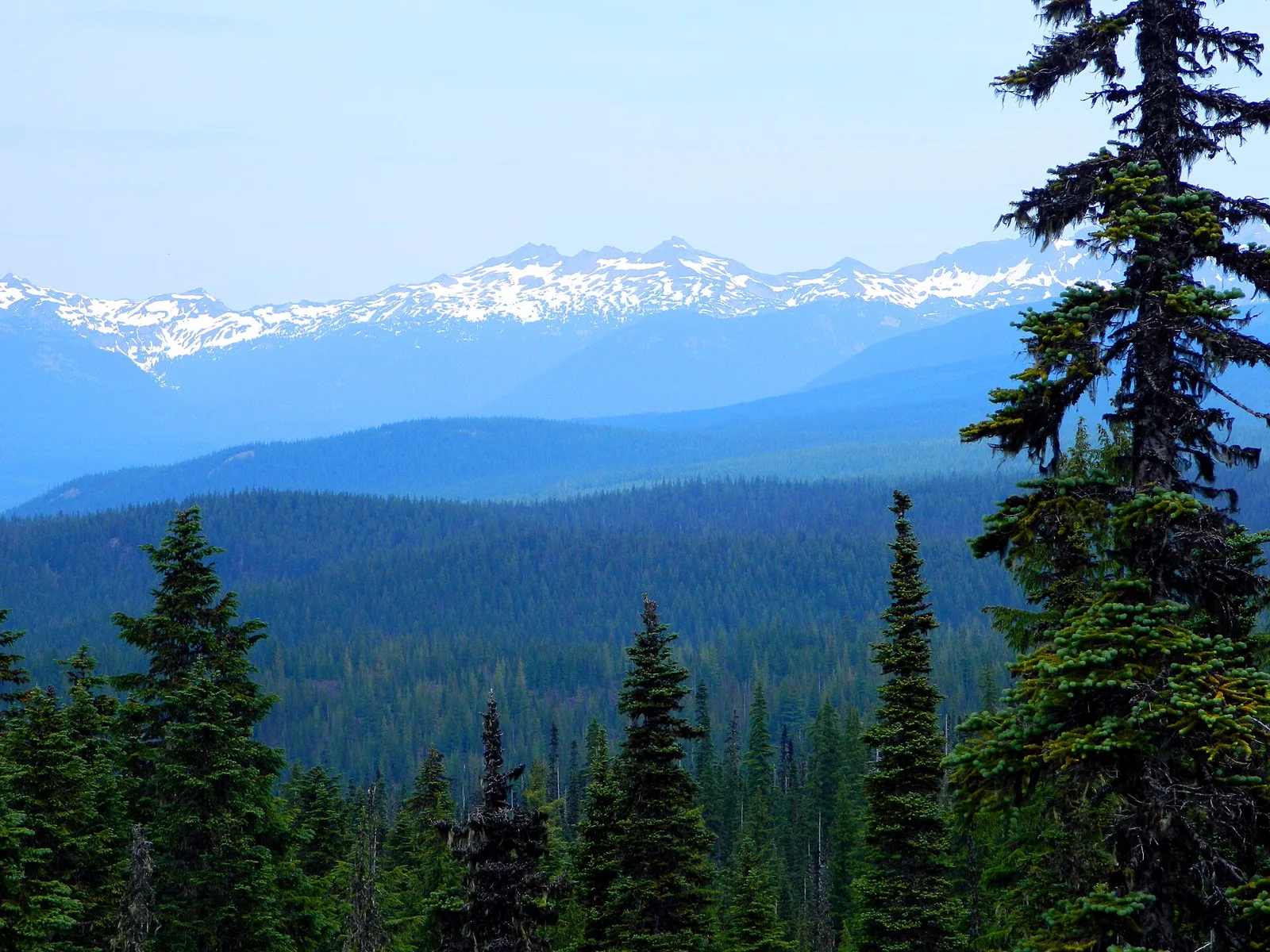
A Goat Rocks View from Takh Takh Lava Flow — Packwood airbnb marketing
Local Color
Goat Rocks View from Takh
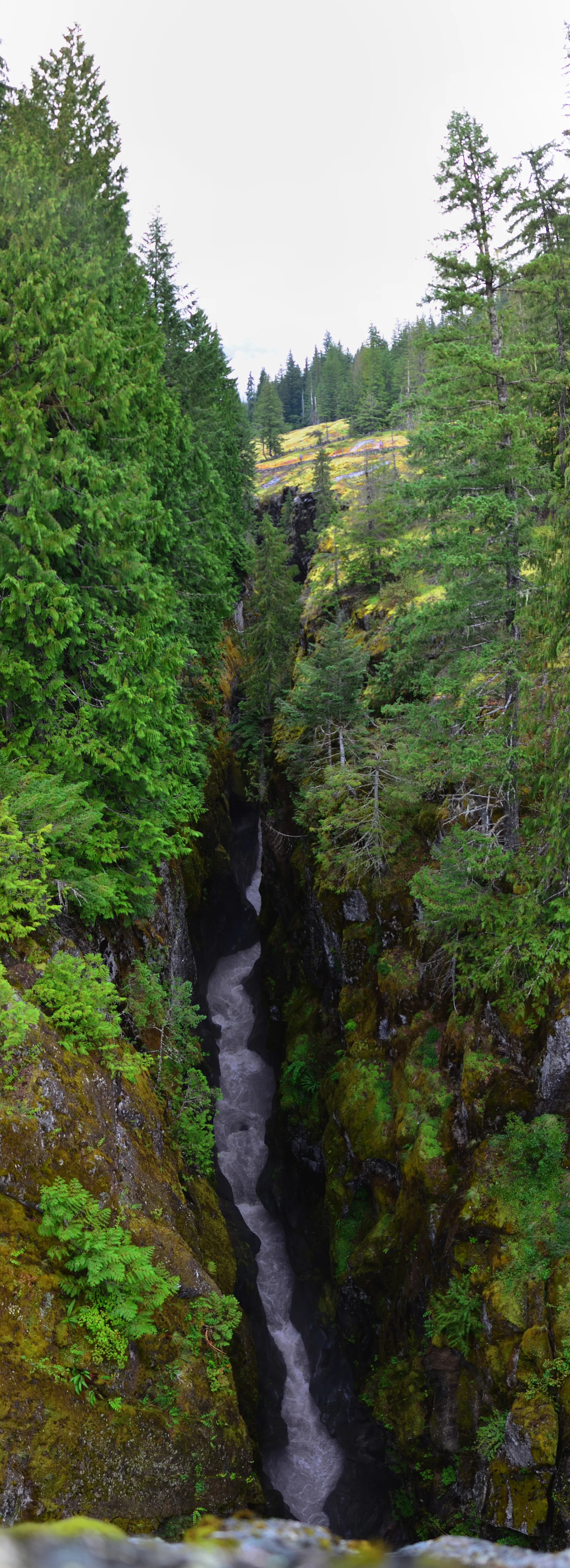
Box Canyon of the Cowlitz, Mount Rainier National Park, Trans Mercator projection pano 01 — Packwood airbnb marketing
Local Color
Box Canyon of the Cowlitz,
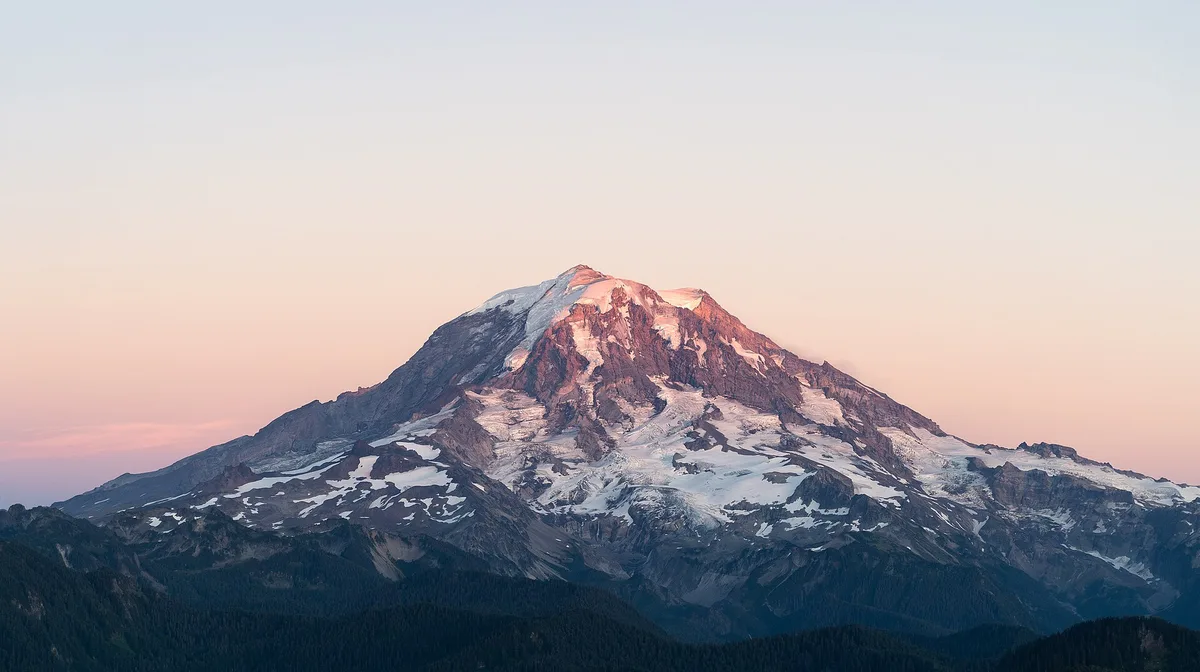
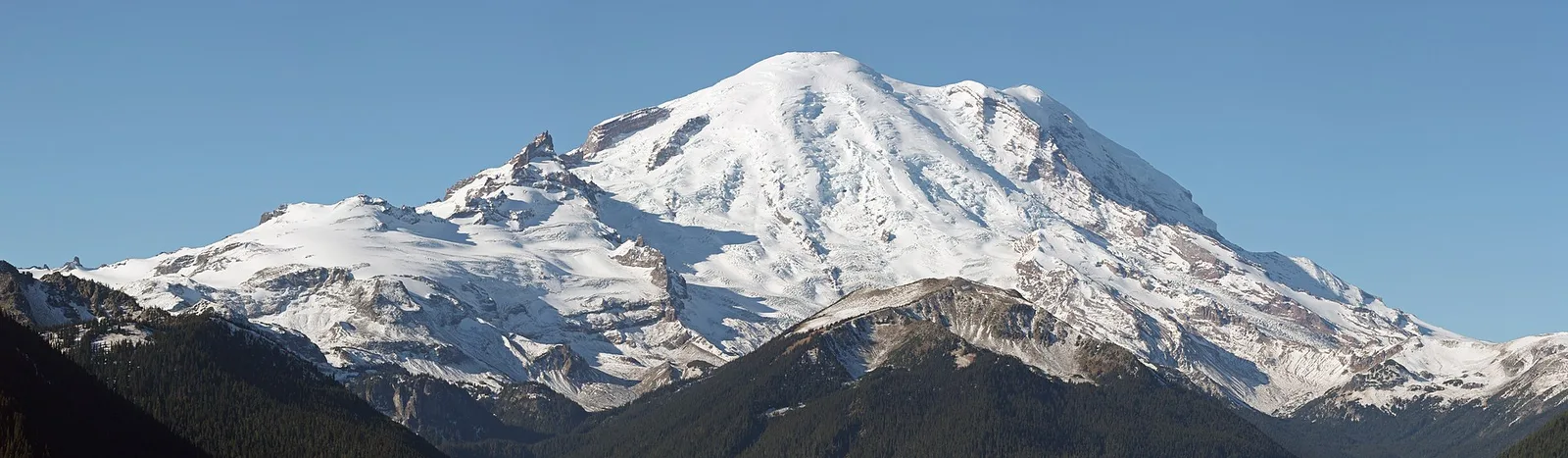
Mount Rainier 5845s — Packwood airbnb marketing
Local Color
Mount Rainier
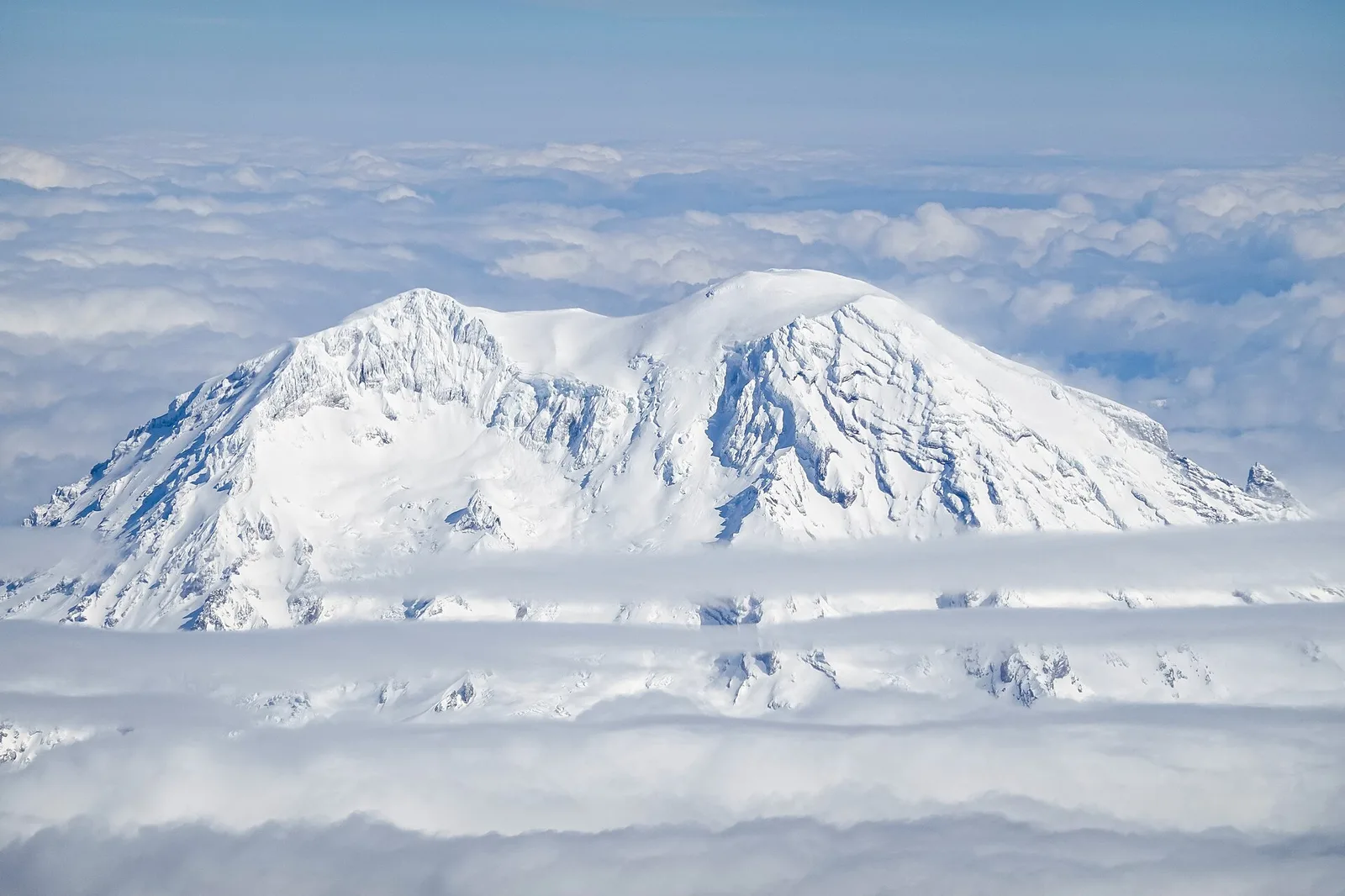
Rainier Aerial West Close Washington Mar23 R16 — Packwood airbnb marketing
Local Color
Rainier Aerial West Close Washington
Why Cavmir

The Cavmir Advantage
in Packwood

Cavmir wins in Packwood because this market's growth outran its craft. Hundreds of new listings arrived in three years and most were listed the same week they closed escrow — flash-lit interiors, a title with cozy cabin in it, one rate for a calendar that swings from wildflower July to silent April. We separate our owners from that pool. We shoot to the mountain's seasons: Rainier filling the windshield on the drive in, the A-frame glowing through falling snow, the fire pit under summer stars. We write the logistics copy this valley's guests actually search on — miles to the Ohanapecosh entrance, chain requirements, what the cell service honestly is and whether the wifi beats it. We price the published calendar: flea-market weekends as the townwide sellouts they are, wildflower weeks premium, White Pass powder weekends real, April honest. We make the new Lewis County permit a selling point, because in a county that now runs a registry, demonstrable compliance converts the careful bookers. And we build direct-booking machinery for the most repeat-prone guest in the Northwest — the Seattle family that does this valley every year — so the second booking stops paying a commission. The fundamentals reward it: the park is forever, the pass is twenty minutes, and the field is still soft. We help position and market your property. We never manage it or touch your keys.

State of the Industry · History

The Packwood STR Market — Past & Present

Packwood sits in Taidnapam and Upper Cowlitz homeland, in the valley where the Cowlitz River gathers itself below the volcano, and took its name from William Packwood, the restless 1850s explorer who surveyed routes through these mountains for a wagon road that took another century to finish. The town that grew here was a timber town, plain and proud of it — mills, log trucks and Forest Service green, supply point for a valley that Mount Rainier National Park, established in 1899 as America's fifth national park, was slowly making famous. The modern era arrived on pavement: U.S. Highway 12 finally crossed White Pass in 1951, connecting the valley east to Yakima, and the ski area followed at the pass in the mid-1950s. In 1964 a new mountain manager moved his family up from Yakima, and his twin sons — Phil and Steve Mahre — grew up walking distance from the lifts, on their way to becoming the most decorated ski racers America had produced. The 1970s added the institution that still defines the calendar twice a year: a community flea market that grew into a Memorial Day and Labor Day colossus of hundreds of vendors and crowds in the tens of thousands, run for the benefit of the local improvement club.

The timber economy thinned through the late twentieth century as harvests fell, and the valley slowly rebalanced toward what surrounded it — the park's quiet Ohanapecosh corner, the Goat Rocks high country, the elk herd that winters on the valley floor and walks through town like it pays taxes. Then the platform era found Packwood hard: cabin tracts and A-frames converted to short-term rentals at one of the highest per-capita rates anywhere in the country, supply jumping more than a fifth in a single recent year, until a town of a few hundred residents hosted several hundred listings. Lewis County answered on September 23, 2025, adopting its first short-term-rental code alongside new Packwood zoning in its comprehensive-plan update — annual permits, insurance minimums, density caps in the settled centers — and a registry that went live January 1, 2026. The story now is a working valley learning to host at scale, with the mountain doing what it has always done above the whole negotiation.

Pricing Strategy & Seasonality

Pricing, Seasonality & When to Capture ROI

Pricing Strategy

Packwood pricing follows the water, the view and the winter plug-ins. Riverfront cabins on the Cowlitz and its side creeks carry a premium that photography multiplies — river light is this market's lake frontage — and anything with a clean Rainier sightline from deck or hot tub joins them at the top of the deck. The established cabin tracts around High Valley run the dependable family middle: A-frames and chalets with community amenities, predictable comps and the market's steadiest bookings. In-town addresses near the brewery, burgers and the flea-market grounds sell walkability for event weekends, and the dispersed cabins up Skate Creek Road and the forest edges are the value entry — magical in photos, but priced honestly for gravel access and winter logistics. Blended, the market runs about $275 a night at low-40s occupancy, with July revenue better than double the April floor, so calendar shape is most of the earning: wildflower-season weeks and the two flea-market weekends price at real premiums, White Pass powder weekends carry winter, and April should be priced to move or blocked for maintenance. The supply wave is the discipline check — with listings up over 20% in a year, racing the new arrivals to the bottom on rate is the losing play; holding value on presentation while pricing the troughs honestly is the winning one.

Seasonality & ROI Windows

July and August lead — Paradise's wildflowers, alpine trails and long daylight — with June and September strong shoulders and late September the connoisseur's window: fall color, bugling elk, empty park roads. The flea market spikes Memorial Day and Labor Day weekends to townwide capacity. Winter is a real second season for winterized cabins: White Pass ski weekends and Paradise snowshoe traffic from December through March, holiday weeks strongest. The trough is honest — April and early May, snowmelt and mud between the seasons — and November runs quiet until the snow guns and holiday lights arrive. Price the peaks early, flex winter weekends to the storm cycle, and let spring rest.

Regulation & Licensing · 2026

What the Law Requires in Packwood

Packwood is unincorporated, so the rulebook is Lewis County's — and the county wrote its first real one on September 23, 2025, adopting short-term-rental regulations (Chapter 17.105 of the county code) alongside new Packwood zoning in its comprehensive-plan update. The essentials: every short-term rental in unincorporated Lewis County needs an annual operating permit from Community Development, including rentals that predate the code — an initial six-month window let existing operators apply without a fee, and permits now carry fees and renew annually. Permits are non-transferable: a sale ends the permit and the new owner reapplies, which buyers should treat as a due-diligence item, not a formality. The operating standards are the good-neighbor stack done formally: occupancy of two guests per bedroom plus three, one on-site parking space per bedroom, posted address and emergency-contact information with maximum occupancy and fire-exit routes inside the unit, secured garbage, no commercial events, and proof of $1 million in liability insurance. A county STR registry took effect January 1, 2026.

The structural piece is the density cap: inside urban growth areas, designated small towns and the rural centers the county calls Type I LAMIRDs — the categories that cover settled communities like Packwood — short-term rentals are capped at 25% of the dwelling units in a neighborhood, while parcels outside those boundaries face no cap. Where a specific property sits relative to those lines is exactly the question to put to Community Development before you buy, because in capped zones an existing permit is a scarce asset and a lapsed one may not come back. Taxes run through the state: a Washington business license, sales tax at Packwood's combined 7.8% rate on short stays, and lodging taxes handled on the same Department of Revenue return — the DOR's rate lookup gives the parcel-exact stack, and the platforms collect as marketplace facilitators on their bookings while direct bookings file through you. The code is barely a year old and enforcement is ramping; verify current requirements with the county before you list.

Market-Specific Tips & Challenges

Local Tips & Unique Market Challenges

Tips That Actually Move Revenue in Packwood

The Packwood strategic tip: sell the mountain's calendar, not a generic cabin. This market's guests are buying a specific week of a specific mountain — wildflowers, larch gold, fresh powder, elk in the yard — and the listing that names what the valley is doing that month beats the one that says cozy retreat under the pines. Seasonal hero photography, swapped four times a year, is the single highest-leverage move here.

Tactically: first, close the photography gap — this market professionalized its supply faster than its presentation, and a real dusk shoot with the woodstove lit and Rainier in the establishing shot clears most of the comp set immediately. Second, write logistics copy like a ranger: miles to the Ohanapecosh entrance and the Paradise road, chain requirements and what winter driving here actually means, the honest state of cell service and whether your wifi beats it — competence converts the careful Seattle planner. Third, price the published calendar: the two flea-market weekends with minimums and event rates, wildflower weeks premium, powder weekends flexed to forecasts, April priced to move. Fourth, make the county permit visible in the listing — in a market with a young registry and neighbors watching the rollout, demonstrable compliance is a conversion asset. Fifth, run the elk properly: window photos, respectful-distance house rules, and a line of copy about the herd that winters through town — it is the most photographed amenity in the valley and it belongs to no one's competitor. Sixth, build the direct channel: Northwest park guests repeat annually, and a fall email with a returning-guest rate rebooks summer before the platforms surge.

Unique Packwood Challenges

The honest trade-offs: supply grew over 20% in a year while market revenue slipped about 4%, so the average listing is losing ground and only differentiated ones gain. The spring trough is deep, and winter operations are real — chains, plow contracts, storm-cycle power outages worth a generator plan. The park dependency cuts both ways: road status, seasonal closures and the park's evolving access policies change guest logistics year to year, so copy must stay current. The new county code adds cost and paperwork, caps constrain settled areas, and permits die at sale — a wrinkle for exit planning. And the labor pool for cleans and maintenance is thin; lock in your people before the flea-market weekends do.

A Curious Packwood Fact
The greatest American ski racer of his era learned to race twenty minutes up the road. In 1964 the Mahre family moved to White Pass when the father took the mountain-manager job, and the twins, Phil and Steve, grew up within walking distance of the chairlift, trading runs on the pass above Packwood's valley. Phil won the World Cup overall title three straight years from 1981 to 1983 — a feat no American man matched for decades — and at the 1984 Sarajevo Olympics the twins finished one-two in the slalom, Phil taking gold and Steve silver within seconds of each other on the same afternoon. The little day-hill on U.S. 12, with its family lift tickets and its school race leagues, out-produced the glamour resorts of two continents — and it still teaches the valley's kids to ski every winter.
Finance Essentials — Packwood
🛡️

Insurance

Write the policy for a river valley under a volcano. The base is a short-term-rental policy with at least $1 million in liability — now also the county's permit requirement, so the certificate does double duty. The valley's specifics: flood diligence first, because the Cowlitz and its tributaries have rearranged this landscape before and riverfront parcels need elevation and flood-zone answers in hand — standard policies exclude flood, so the NFIP or private market fills the gap where maps require it. Wildfire underwriting has arrived in the Cascades too: defensible space, roof class and access now price into premiums, and smoke seasons are a periodic operating reality. Winter adds snow load, ice dams, frozen pipes in cabins that sit empty midweek — leak sensors and documented winterization pay — plus woodstove and chimney records, hot-tub liability, and a plowing contract in writing for anything up a private road. Use a Washington broker who writes east Lewis County cabins routinely.

🧾

Property & Income Tax

Washington's headline is what it doesn't tax: there is no state income tax on your rental profits. What short stays do carry is the sales-and-lodging stack, run through the Department of Revenue on a state business license: retail sales tax at Packwood's combined 7.8% rate applies to stays under 30 days, with county lodging taxes layered per the state's schedule — the DOR's rate-lookup tool gives the exact stack for your parcel, which is worth running rather than guessing, since Washington's lodging-tax layers vary by jurisdiction and some are credited against the state share rather than added. The platforms collect and remit as marketplace facilitators on their bookings; direct bookings file through your own excise return, the small price of commission-free revenue. Property taxes and the federal short-stay rules — including the 14-day exemption and depreciation — round out the file. A Washington-literate accountant closes the loop in an hour.

🏦

Mortgages & Financing

Packwood is one of the last places in the Cascade orbit where the entry math still works on ordinary financing: cabins and A-frames here trade far below Leavenworth or Hood River figures, well inside conforming limits, and both conventional investment loans and DSCR products close routinely — with DSCR files reading well when July and the flea-market weekends are documented. The frictions are backwoods classics: appraisals move slowly where comps are cabins of wildly different vintages, wells, septic systems and gravel or private-road access narrow the lender pool, riverfront parcels need flood determinations priced in, and insurance quotes belong in hand before rate lock now that carriers scrutinize the forest interface. One Packwood-specific wrinkle belongs in every offer: the county STR permit does not transfer on sale, and in capped zones a new permit is not guaranteed — so underwrite the purchase as a cabin first and a rental second, and make the permit pathway a contingency, not an assumption. Regional Washington lenders handle these files best.

Future Outlook · 2027 & Beyond

Where Packwood is Headed Next

Packwood's future is a professionalization story with a fixed anchor. The demand side does not wobble — Mount Rainier is a permanent tenant, White Pass keeps its loyal ski trade, and the Seattle and Portland metros that feed the valley keep growing — while the park has been reinvesting in its quieter southeast corner, which is exactly where Packwood sits. The supply side is where the story turns: the post-2020 listing flood will shake out over the next few seasons under the county's new code, and the operators who professionalized — permitted, insured, photographed, priced to the calendar — will absorb the share the churn releases. Watch three things: how the county administers the density caps as Packwood's neighborhoods approach their limits, because capped-zone permits will become quietly valuable assets; the registry's enforcement posture as it matures past its January 2026 launch; and the park's access policies, which reshape guest logistics whenever they evolve. The durable play through 2027: a winterized cabin with river, view or walkability, bought at Packwood's honest prices, permitted and insured to the letter, photographed to all four seasons, priced to the real calendar — and backed by a direct channel working the Northwest's annual-return habit. Valleys with permanent mountains reward patient operators, and this one is still early.

From the Desk of Sofie Sinag

Why We Love Marketing in Packwood

Packwood is the most honest mountain town we work — a timber valley that never learned to perform for tourists, sitting under the most photographed mountain in America. That contrast is the marketing goldmine. The town gives you elk on the front lawn, a flea market that turns a village of hundreds into a city of tens of thousands twice a year, a ski pass that raised Olympic champions, and Rainier itself filling the windshield on the drive in — and then hands you a listing pool where most of the competition is a flash-lit phone photo and a title that says cozy cabin getaway. When the raw material is this good and the presentation bar is this low, professional craft doesn't inch a property ahead; it laps the field.

We also love markets at exactly this moment in their story. Packwood's supply boom outran its skills — listings up a fifth in a year, average revenue slipping, everyone suddenly discovering that a saturated market punishes sameness — and the county's new rulebook just raised the cost of being casual. That combination clears the field for serious owners: the permit becomes a trust signal, the insurance requirement filters the hobbyists, and the operators who shoot the mountain's four seasons, price the flea-market sellouts properly and build a returning-guest list will consolidate share while the wave shakes out. Underneath it all sits the permanent tenant no market cycle touches: the park never stops drawing, the pass never moves, and the elk show up every winter, on schedule, for free.

Why It Matters

A great property in Packwood doesn't just want a listing — it wants a point of view, an audience, and a brand the city itself would recognise.

Cavmir's Packwood Cheat Sheet

The Picks We Recommend for Your Welcome Book

A few honest, insider picks for Packwood — the kind of specifics that make a listing read like a local wrote it, because one did. Real places, no filler.

Coffee & First Light

Butter Butte, then the Ohanapecosh old growth

Coffee from Packwood's own roaster, then the twelve-mile drive to the park's southeast entrance while the valley is still waking. Thousand-year-old trees in morning fog beat every alarm clock excuse a guest can invent.

The Table Worth Booking

Packwood Brewing Co., burger from Cliff Droppers

The brewery in the old mercantile pours the after-trail pints, and Cliff Droppers builds the burgers the hike earned. Neither takes itself seriously; both are exactly right. Name them in the listing and guests arrive pre-sold on the whole town.

Local Obsession

The elk

The herd winters on the valley floor and strolls through town like it holds the deed — lawns, the school field, the middle of Main Street. Guests lose their minds happily. House rules about respectful distance make the magic sustainable, and an elk-from-the-window photo in the listing outperforms any amenity shot.

Rainy Day

Big trees in the drizzle

The Ohanapecosh river corridor's old growth is better wet — mist in the canopy, moss glowing, waterfalls at full volume, almost nobody on the trail. Send guests there with rain shells and a thermos and the gray day becomes the trip's best story.

Shoulder Season Secret

Late September, when the elk bugle

After Labor Day the park empties, the vine maples turn scarlet, and the bugling of rutting elk echoes down the valley at dusk. It's the finest two weeks on the calendar and most listings sleep straight through it.

Weekend Escape

Skate Creek Road to High Rock Lookout

The forest road out of town winds toward the trail to a 1920s fire lookout perched on a cliff edge with Rainier filling the entire northern sky. Short, steep, unforgettable — the half-day that turns a cabin weekend into a Northwest pilgrimage. Closed by snow in winter, which is its own kind of calendar tip.

The View

Rainier over the hayfields

From the valley pastures at the edge of town, the mountain rises white and absurd above the barns — the classic Packwood photograph and proof the town doesn't need a viewpoint sign. Golden hour turns it pink; guests will find the shot themselves if the listing tells them to look north.

What Guests Ask For

Chains, wifi, dogs, and the park gate

The four eternal questions: do we need chains in winter, does the wifi actually work out here, can the dog come, and how far to the park entrance. Answer all four plainly in the first screen — this valley's bookings are won on logistics honesty.

Local Work · Composite Case Vignettes

What Cavmir Has Done for Packwood Properties

A few composite engagements drawn from how Cavmir typically works in this market. The details are illustrative and consistent with Packwood, not pulled from a single named client.

A-frame · High Valley
The Brief

A classic 1970s A-frame entered the market during the supply boom with phone photos, a generic pine-cabin description and a flat rate — and sank straight to the middle of a hundred near-identical new listings, empty on flea-market weekends it didn't know were sellouts.

What We Did

Cavmir reshot it as the postcard it was — glowing through falling snow, fire pit under summer stars — rebuilt the copy around the drive to the Ohanapecosh gate and honest winter logistics, priced the two flea-market weekends and wildflower weeks as events, and made the new county permit visible in the listing.

The Result

The A-frame pulled out of the pack within a season: event weekends booked early at event rates, winter produced real revenue for the first time, and the listing became the one new Packwood owners were told to study.

Riverfront cabin · Cowlitz bend
The Brief

A winterized cabin with fifty feet of river frontage went dark every October — no winter photography, no White Pass positioning, and an owner convinced the season ended at Labor Day because the calendar always had.

What We Did

Cavmir built the winter file: woodstove-and-snow photography, copy naming the twenty minutes to White Pass and the snowshoe road to Paradise, storm-flexed weekend pricing, holiday weeks held at their value, and a returning-guest email timed to the first forecast dump.

The Result

Winter went from zero to a second season — powder weekends filled on short notice at firm rates, the holidays booked solid, and the cabin's annual number stopped living and dying on ten summer weekends.

Three cabins · in-town walkables
The Brief

A family operation of three cabins near the flea-market grounds had years of returning guests, no website, no guest list, and a permit-and-insurance scramble looming as the county's new code arrived with deadlines the owners hadn't tracked.

What We Did

Cavmir got the compliance file clean and visible — permits, insurance certificates, in-unit postings — then built a small direct-booking site for the trio, organized old booking records into an email list, and set the annual rhythm: a spring email before Memorial Day and a midsummer email before Labor Day.

The Result

The first email refilled both flea-market weekends direct and commission-free, the compliance story converted the careful bookers the platforms sent, and the family entered the regulated era ahead of neighbors still arguing with the paperwork.

Market Intelligence · Seasonality

Airbnb seasonality in Packwood, month by month

Demand in Packwood peaks around July through August and runs quietest around March, April and November. Here is how the year actually books — and what to do about each stretch of the calendar.

Peak demandSteadyQuiet

Peak season

July and August lead the year, when Paradise's wildflower meadows and long Northwest daylight pull park traffic through the valley and cabins run full on weekends. Have summer photography and pricing set by May, hold weekend minimums through the wildflower weeks, and expect bookings to concentrate around the park's best-weather windows.

The shoulders

June and September carry real weight, with late September the connoisseur stretch of fall color, bugling elk and an emptier park. The two flea-market weekends at Memorial Day and Labor Day compress the whole town to capacity and deserve event pricing and minimums. Winter runs a second season for winterized cabins on White Pass ski weekends and Paradise snowshoe trips, strongest around the holidays.

The quiet stretch

April and early May are the honest bottom, snowmelt and mud between the seasons, and November runs quiet until the snow arrives. Use the gap for maintenance, chimney service and a photo refresh, offer midweek and longer-stay value for remote workers who want the quiet, and keep expectations honest rather than discounting the whole calendar.

Dates that fill first

Packwood Flea MarketMemorial Day and Labor Day weekends
Hundreds of vendors and crowds in the tens of thousands take over the entire town twice a year; every bed in the valley sells out and most owners still underprice it.
Paradise wildflower seasonlate July into August
The meadows above the valley hit peak bloom and drive the park's busiest visitation, making these the premium cabin weeks of the year.
White Pass ski seasonDecember through March
The family hill twenty minutes up US 12 keeps winterized cabins earning, with storm cycles producing quick weekend surges from Seattle and Yakima.
Elk bugling weekslate September
Rutting elk echo down the valley at dusk and the herd begins drifting toward town, giving the quiet shoulder its own wildlife draw that listings can honestly sell.
Market Intelligence · Guests

Who books Packwood Airbnbs — and how far ahead

Seattle and Tacoma park families
The core guest: west-side households doing Rainier from the quiet side. They book on drive time, park-gate proximity and a cabin that feels like the trip's second destination.
Winter sports weekenders
White Pass skiers and Paradise snowshoers taking two-night hits on storm cycles. A woodstove, gear-drying space and honest chain guidance decide these bookings.
Flea-market crowds
Twice a year the market fills every bed in the valley with vendors and treasure hunters who book the same weekends annually and care about parking, kitchens and early coffee.
Hikers and backpackers
Goat Rocks and Pacific Crest Trail traffic uses Packwood as basecamp and resupply. They want flexible check-in, laundry and a real shower more than luxury.
Big-group cabin reunions
A-frames and lodges that sleep a crowd host family gatherings spring through fall. Long tables, fire pits and room for several vehicles win the booking.

The booking window

Summer weekends fill roughly two months out, with wildflower weeks and the flea-market weekends going earliest to repeat visitors. Winter is short-fuse, booking days to a couple of weeks ahead on snow forecasts. Price summer and the event weekends early, and leave winter flexible to catch surges.

Typical stays

Weekends rule the calendar, with two- and three-night stays the standard unit and summer stretching to four nights or the occasional week. Flea-market and holiday weekends run long, winter follows the storm cycles, and midweek outside summer is soft.

Where guests drive from

SeattleTacomaOlympiaPortlandYakima

Where guests fly from

San FranciscoLos AngelesPhoenix
This is a pure Northwest drive market: Seattle and Tacoma supply most weekends, Portland matches them from the south, and Yakima crosses the pass. The small fly-in slice lands at Sea-Tac or Portland and drives, so advertising belongs on west-side metro audiences timed to wildflowers, snow and the flea markets.
Market Intelligence · What Wins

The Airbnb that wins in Packwood

The Packwood winner is a true cabin that photographs like the Northwest: an A-frame or timber build with a woodstove, a fire pit under the trees, and either river frontage, a Rainier sightline or walkability to the brewery and the flea-market grounds. Winterization is the earning multiplier, because the cabins that can host ski season out-earn identical summer-only neighbors by a wide margin.

Amenities that move bookings here

hot tubwoodstove or fireplacefire pitdog friendlyreliable wifigear drying spacecovered parkingbunk room
The single highest-leverage move is seasonal hero photography swapped four times a year — wildflower light, fall color, fresh snow, summer dusk — because the market's guests are booking a specific season of the mountain and most listings show one flat summer gallery forever.
Straight Answers

Packwood Airbnb marketing questions, answered

How do I market my Airbnb in Packwood?

Sell the mountain's calendar, not a generic cabin. Photograph the property in its seasons — snow, wildflower light, fall color — write logistics copy that answers the real questions about park gates, chains, cell service and wifi, and price the flea-market weekends and wildflower weeks like the events they are. With supply growing fast here, presentation is what separates full calendars from empty ones, and a direct-booking website captures the Northwest families who return every year. That marketing layer — photography, listing copy, direct site, local SEO — is exactly what Cavmir builds for park-gateway markets.

When is peak season for Packwood Airbnbs?

July and August lead, driven by Paradise's wildflower weeks and summer trail traffic, with June and September strong shoulders. The Memorial Day and Labor Day flea markets sell out the whole town, and winterized cabins earn a real second season from White Pass ski weekends and holiday bookings. April is the quiet bottom.

How far in advance do guests book Packwood Airbnbs?

Summer guests book about two months out, with wildflower weeks and the two flea-market weekends claimed earliest by repeat visitors. Winter bookings ride the snow forecast and often land inside a week or two. Publish summer and event pricing early, and keep winter weekends flexible for the storm surges.

Where do most Packwood Airbnb guests come from?

The west side of Washington dominates — Seattle, Tacoma and Olympia are about two and a half hours away — with Portland matching from the south and Yakima crossing White Pass. Almost everyone drives. Advertising works hardest on Seattle and Portland metro audiences timed to wildflower season, snow and the flea-market weekends.

What amenities matter most for a Packwood Airbnb?

A hot tub and a woodstove lead the file, working summer nights and ski weekends alike. After that: a fire pit under the trees, dog-friendliness for a market that travels with the dog, honest wifi in a valley where cell service is thin, gear-drying space in winter, and parking for the trucks and trailers the flea-market weekends bring.

Free Tools · Websites That Book

See what your listing in Packwood is leaving on the table

Run your Airbnb, Vrbo, or website through Cavmir's free grader. It checks the things that decide whether guests book in Packwood — photos, listing copy, page speed, local search — and shows you where bookings leak. Takes about a minute, and there's no sales call attached.

If the report says your booking engine is the weak link, that's fixable: a direct-booking website of your own means repeat guests stop paying platform fees to come back to you. That's the work Cavmir does — see Airbnb website design in Packwood.

What the grader measures

  • Photos and the first-impression frame
  • Listing title and copy
  • Your direct-booking website (or the lack of one)
  • Page speed and mobile experience
  • Local search and Google visibility
Grade My Listing — Free
Ready to Grow in Packwood?

Let's Put Your Packwood
Property on the Map

Talk to Cavmir today. We'll show you exactly what your Packwood property is leaving on the table — and how fast we can change that.

Book a Free Strategy Call