




Coffee & First Light
Espresso y Poco Mas
The little coffee window in Study Butte pours the desert's best morning cup. Drink it facing the Chisos as the first light hits the rock — the ten-minute ritual that explains the whole region.

Expert short-term rental marketing to grow your bookings and nightly rate in Terlingua, Texas, USA.
Sixteen services, one team. Everything below is built in-house and scoped to your property and market. Most owners start with the 12-Step System.
Every engagement is quoted to your portfolio. These are the ready-made scopes owners pick most — our Fall Special (55% off list or more) is already applied to the website, King Broker, Hotels and à la carte scopes. A clear proposal within 48 hours.
The work is public. Selected engagements and what changed — and reviews from the owners and managers behind them.
* Market averages from AirDNA and STR market reports. A single home's numbers depend on its size, its location and how it is marketed.
Cavmir is an Airbnb marketing agency. We build the brand, the direct-booking website and the marketing for short-term rentals in Terlingua.
Terlingua is the ghost town that came back — a scatter of stone ruins, adobe walls and off-grid casitas in unincorporated Brewster County, at the western doorstep of Big Bend National Park in the most remote corner of Texas. The quicksilver era built it: Howard Perry's Chisos Mining Company opened in 1903 and grew into the largest mercury producer in the country, a town of two thousand with a company store, school and theater — then the ore thinned, the company went bankrupt in 1942, and the desert took the buildings back. The revival came sideways. In 1967 chili obsessives staged a cookoff in the ruins, and the first Saturday of November has belonged to chili ever since; the Starlight Theatre reopened as a restaurant and saloon; and the porch of the Terlingua Trading Company became the town's living room. Today the ruins anchor one of the most distinctive rental markets in America — stone casitas, domes and star-deck builds serving the half-million-visitor gravity of Big Bend, under some of the darkest night skies in the lower 48: the Greater Big Bend International Dark Sky Reserve, certified in 2022, is the largest dark-sky reserve in the world. The calendar runs upside down — October through April is the season, March is the crest, deep summer is the trough — and the rulebook is the lightest in this wave: no county land-use permits, just a 13% hotel tax stack owed on every stay.
Terlingua demand is Big Bend demand, and it runs opposite the Texas norm. The season opens when the heat breaks in October, runs strong through the mild winter, and crests twice: the first-Saturday-of-November chili week, when rival championships fill every bed for miles, and March, when spring break sends Big Bend visitation to its annual peak and the park's lodgings sell out months ahead — overflow that lands directly on Terlingua's casitas. April holds the tail, then summer arrives with hundred-and-ten-degree afternoons and the market goes quiet; some owners close entirely, others price low for the heat-tolerant and lean on air-conditioning honesty. Nightly rates run around $230 with occupancy near 47% across roughly five hundred listings — strong blended numbers for a place this remote, because the demand is national and the supply of finished, habitable stays is genuinely constrained. The guest splits three ways: park pilgrims from Austin, Dallas and Houston on long drives, fly-in hikers landing at Midland or El Paso, and the winter photography-and-stargazing crowd that books the darkest weeks on purpose. What wins is distinctiveness plus honesty — the dome with the outdoor tub out-earns the ordinary trailer by multiples, and the listing that explains its water, solar and road plainly converts the cautious first-timer that vague listings lose. Repeat behavior is strong: Big Bend is a habit, and the owners who capture the relationship rebook it annually.
Nearby Markets: Marfa | San Antonio | Austin
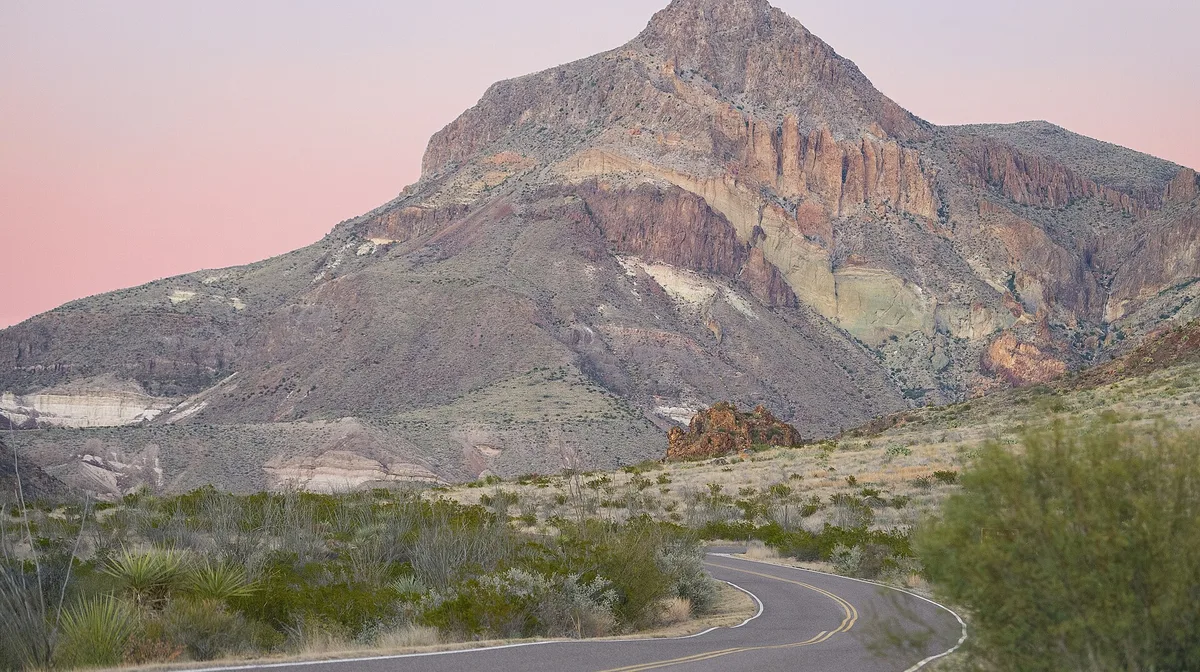
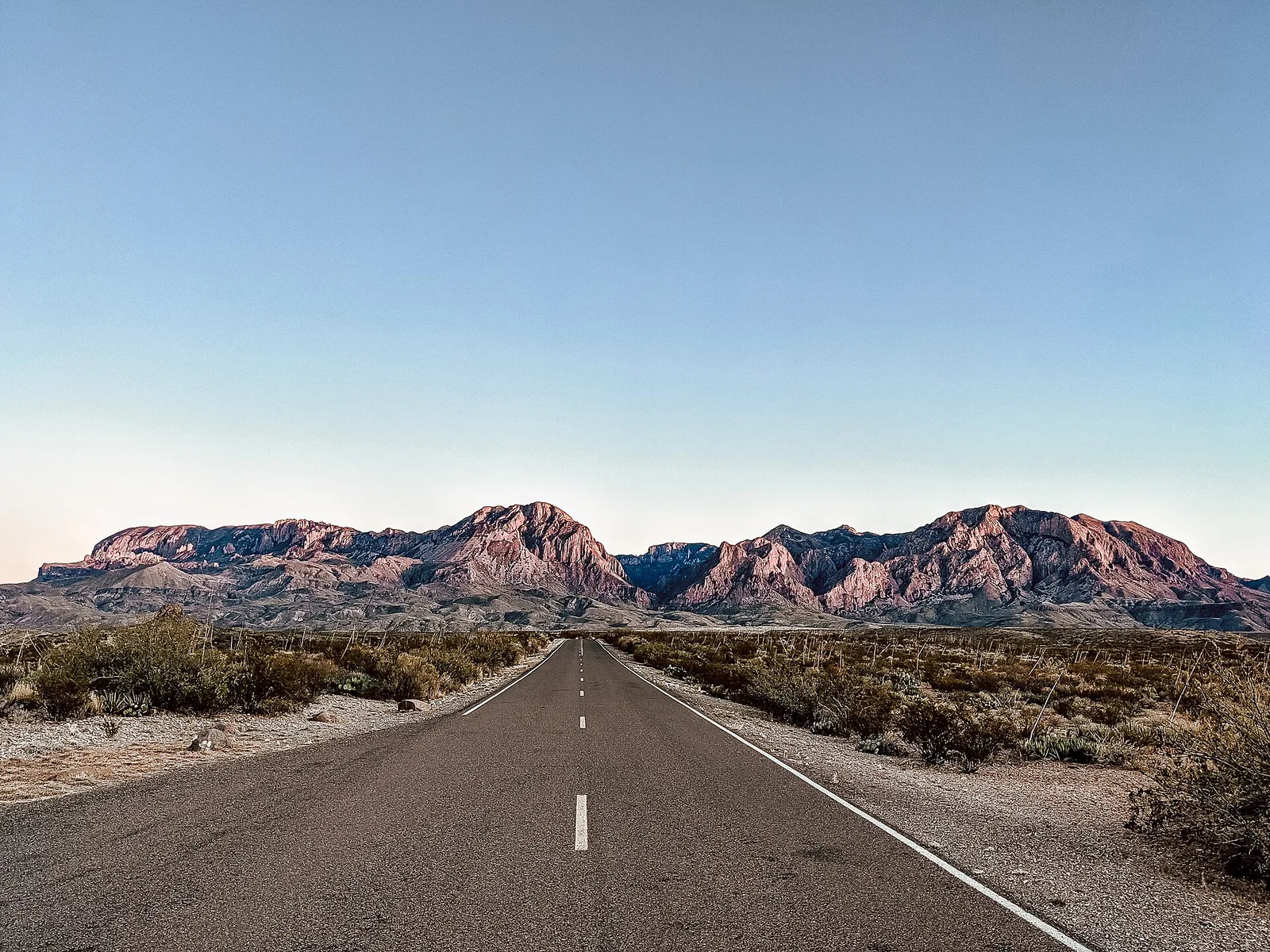
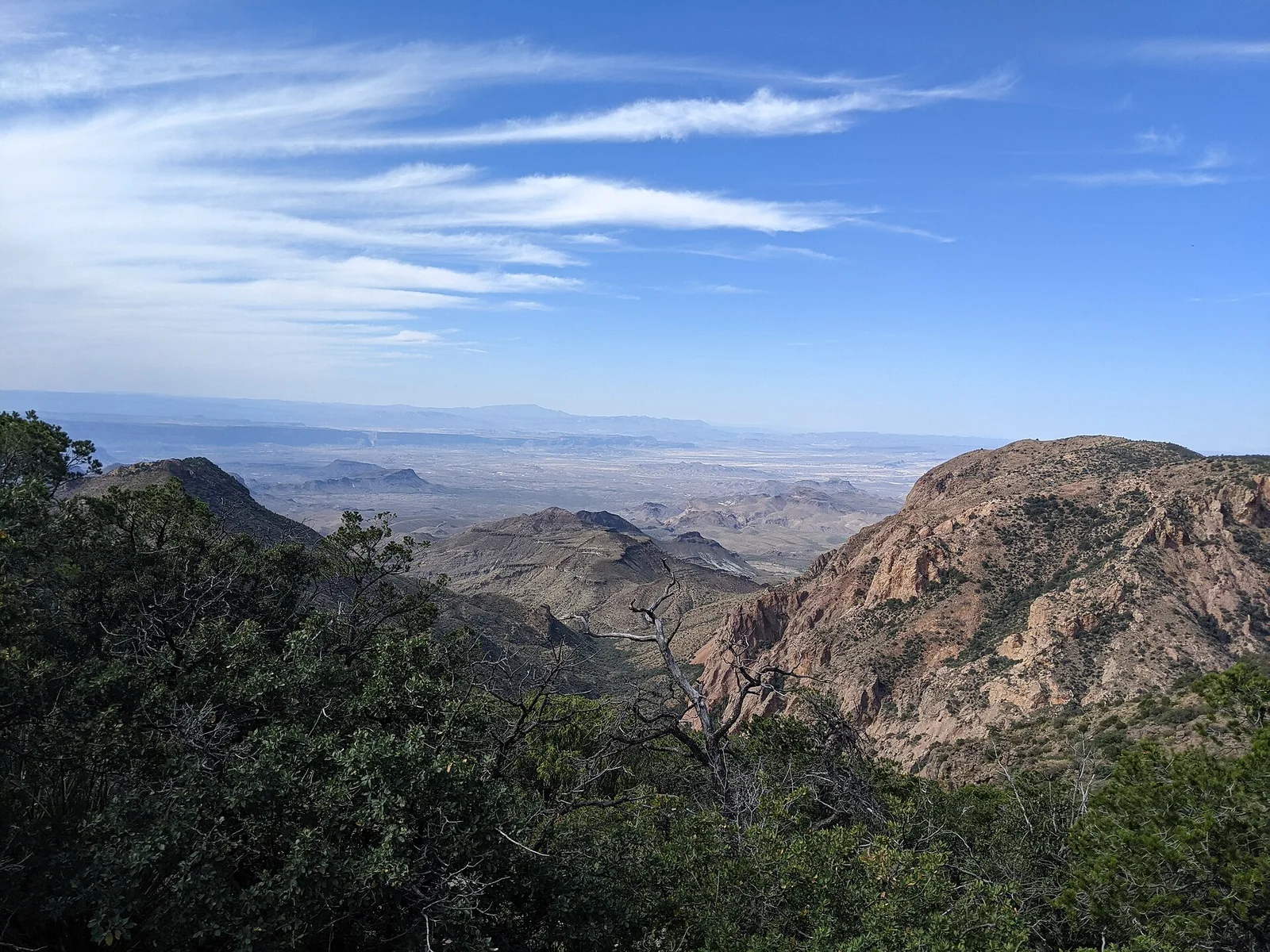
A few of the visual fingerprints we lean into when we shoot, brand and market a Terlingua property — courtesy of the open Wikimedia Commons archive.
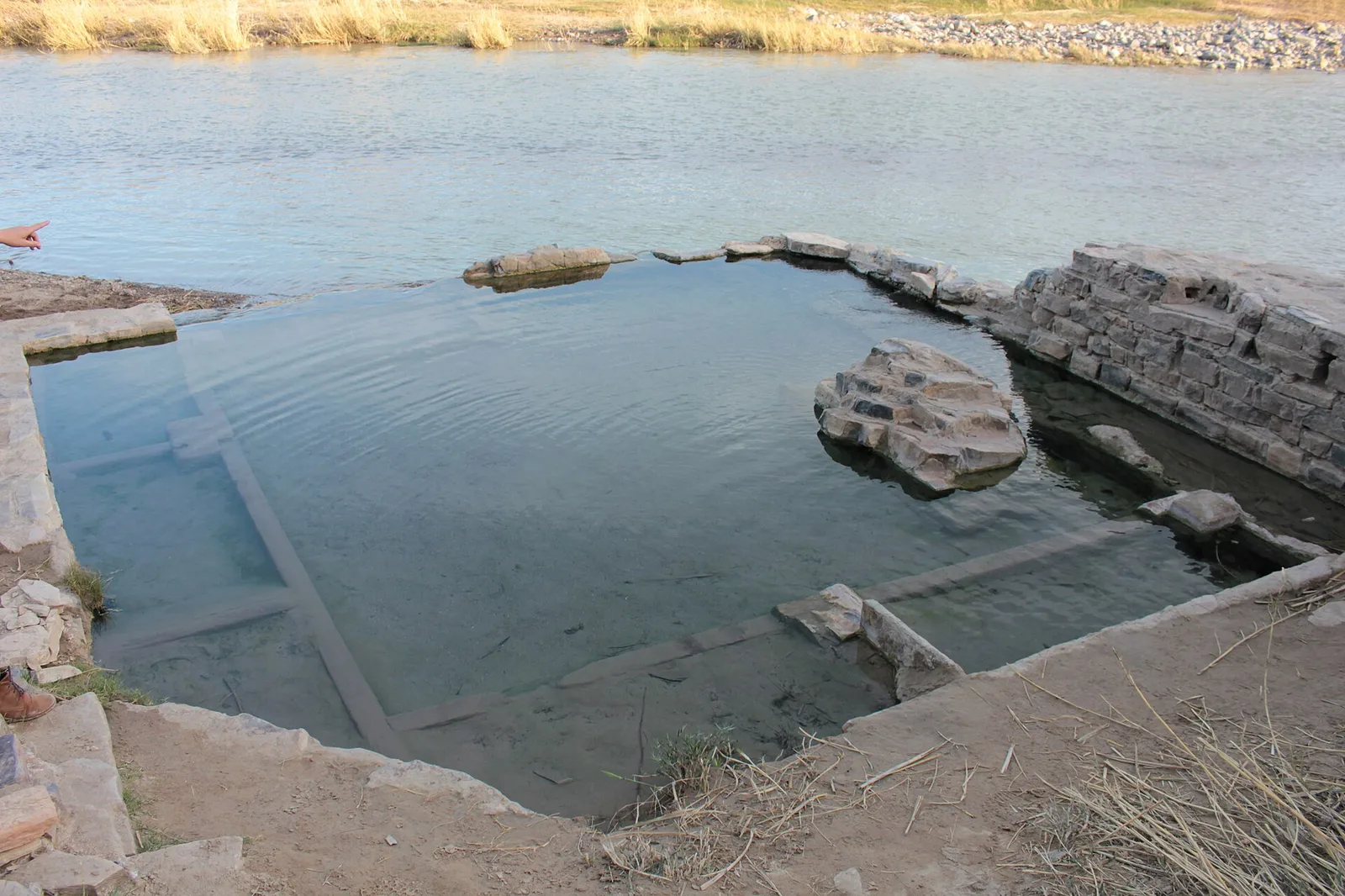
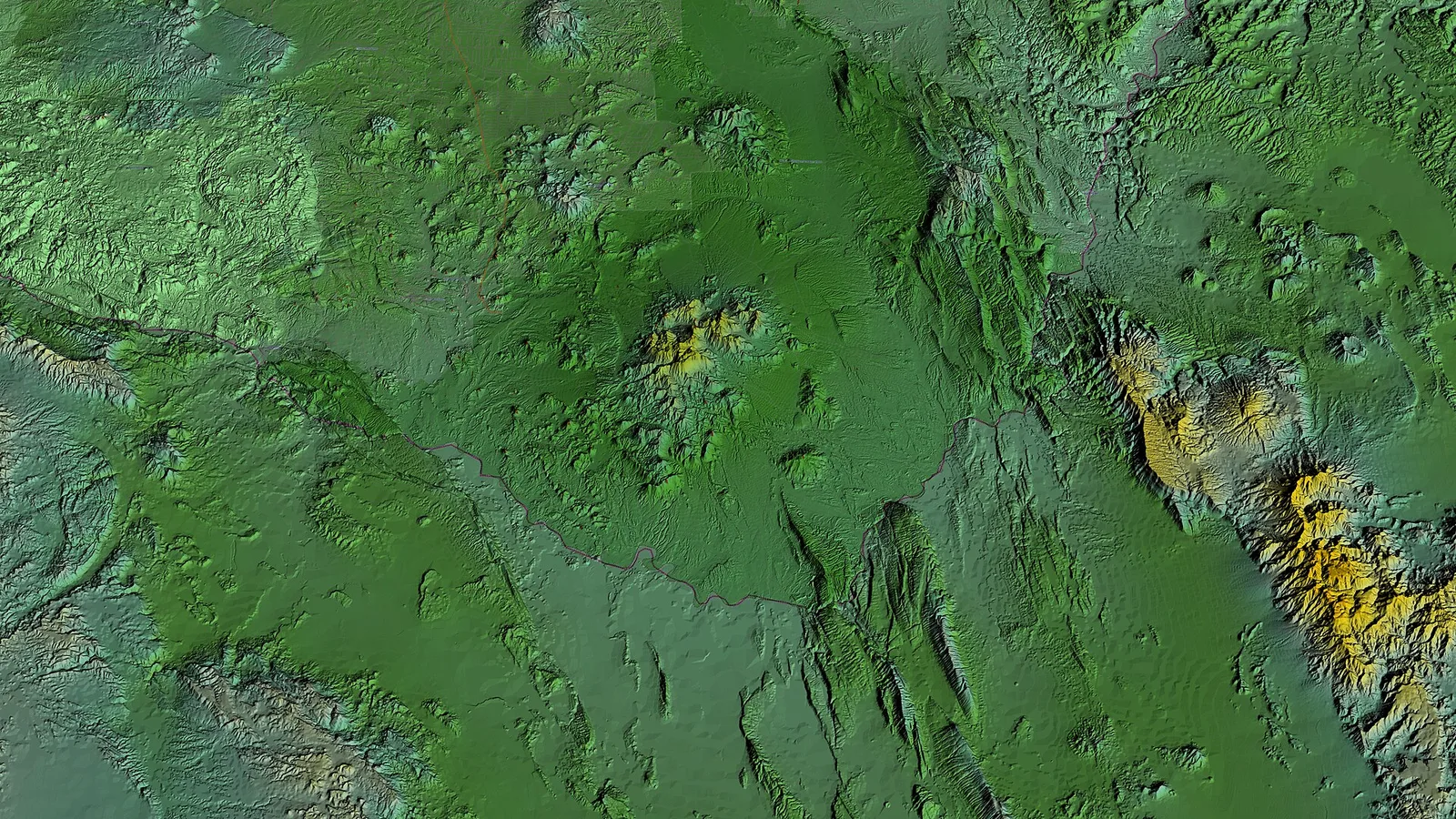
Cavmir wins in Terlingua because this market sells something almost no listing photographs: the night. The product here is the desert dark — the Milky Way over the Chisos, the star deck, the outdoor tub under more visible sky than anywhere else in Texas — and the median listing still leads with a daytime kitchen photo. We shoot Terlingua properties at the hours they're actually bought for: dusk on the porch, blue hour on the ruins, the tub steaming under the stars. We write the off-grid facts straight — hauled water, solar capacity, the last mile of road, what the air conditioner handles in June — because in a market this remote, logistics honesty is the highest-converting copy there is, and it protects the reviews that compound. We price the inverted calendar: chili week and spring break as the premium products they are, the winter weeks confidently, the summer honestly. We name the drive times — hours from Austin, Midland and El Paso, minutes to the park gate — because every guest is doing that math. And we build the direct channel for the market's best secret: Big Bend guests repeat annually, book far ahead, and follow the property, not the platform. The county keeps the rulebook light, so the whole contest is presentation, honesty and timing — our trade exactly. We help position and market your property. We never manage it or touch your keys.
Terlingua is what remains when an industry leaves and a legend moves in. The Chisos country was Comanche and Apache range, then ranch land, until cinnabar — the red ore of mercury — was confirmed in the 1880s; Jack Dawson produced the district's first quicksilver in 1888, four companies were digging by 1900, and in 1903 a Chicago industrialist named Howard E. Perry founded the Chisos Mining Company on land he had acquired almost by accident. Perry's mine grew into the largest mercury producer in the United States — by 1922 roughly 40 percent of the nation's quicksilver came out of Terlingua — and the company town around it held some two thousand people, a store, a school, a hotel and a theater, while Perry ran it all by mail from Chicago. The flu of 1918 filled the hillside cemetery; the ore thinned; and on October 1, 1942, the Chisos Mining Company went bankrupt. A successor worked the district until war's end, then the people scattered and the desert began taking the town back stone by stone.
The resurrection was gloriously unserious. In 1967, newspaper columnist Frank X. Tolbert and friends staged a chili cookoff in the ruins — Texan Wick Fowler against New York humorist H. Allen Smith — and the stunt became an institution: every first Saturday of November, rival championships now fill the desert with thousands of cooks. Big Bend National Park, established in 1944 next door, grew into one of America's great wilderness parks, and the ghost town found its second economy hosting its visitors: the Starlight Theatre — the mining era's movie house, roofless for decades — reopened as a restaurant and saloon, the Trading Company's porch became the town's living room, and Día de los Muertos each November 2 fills the historic cemetery with candles. In 2022 the whole region was certified as the Greater Big Bend International Dark Sky Reserve, the largest on earth — a fitting title for a town whose best asset was always overhead.
The rate map is a map of character and distance. The Ghost Town proper carries the premium — rebuilt stone ruins and casitas within walking distance of the Starlight and the porch trade on atmosphere no new build can copy. Study Butte and the highway junction sell convenience: closest to the park gate, easiest roads, the practical choice for first-timers. Terlingua Ranch, the vast subdivided desert north of town, is the deep-quiet product — long dirt roads, total darkness, casitas and domes that sell isolation itself; the drive is the price and the silence is the pay. The river side toward Lajitas runs scenic and small. Across all of it, distinctive architecture out-earns square footage by a wide margin: the dome, the container build and the stone casita with a star deck photograph like nowhere else in Texas and price accordingly. Blended numbers run around $230 a night at occupancy near 47% — inverted seasonally, with the winter carrying the year. The discipline: publish chili week and spring break at premium rates a year out, hold the holiday weeks firm, price the deep winter confidently for the stargazing trade, and decide your summer strategy on purpose — close, or price honestly for the heat-tolerant.
The calendar runs upside down. October opens the season as the heat breaks; November crests on chili week and the Day of the Dead; the winter holidays book solid and the deep-winter weeks sell to stargazers and hikers who want the park empty. March is the annual summit — spring break floods Big Bend and every casita for fifty miles — and April rides the tail with bluebonnets on the River Road. Then summer: hundred-and-ten-degree afternoons, monsoon lightning in August, and a market that goes honestly quiet. The smart operator treats June through September as a different business — closed for maintenance, or priced low with air-conditioning promises kept.
Terlingua's rulebook is the lightest in this wave, and understanding why prevents the classic mistake. The town is unincorporated — there is no city government, and Texas counties hold no zoning authority over rural land, so no land-use permit, cap or STR license exists at any level of local government. What absolutely does exist is the tax file, and it is enforced with growing seriousness. Every short stay owes the 6% Texas hotel occupancy tax, registered and filed with the state Comptroller, and Brewster County's 7% hotel occupancy tax, filed with the county — a combined 13%. The county's tax funds the tourism council that markets the region, collection has been a public sore spot as listings multiplied, and late filings accrue interest, so treat the county account as the license this market doesn't otherwise have: the operators who file cleanly are the ones the county holds up as the standard.
The rest of the compliance file is practical rather than legal. Water is the desert's real regulator — many properties haul or catch their supply, wells are deep and uncertain, and any new build's septic or alternative waste system runs through county and state environmental rules that deserve professional handling. Terlingua Ranch parcels sit under a property owners' association with road fees and its own rules; read the documents. Emergency services are distant, which makes honest guest guidance — road conditions, cell coverage, medical distances — both an ethical and a reviews-protecting practice. And the platforms' tax handling is partial: they generally collect the state's share on their bookings, while the county's 7% typically remains the owner's filing. As of 2026 there is no permit regime on the horizon, but tax enforcement keeps professionalizing — confirm current requirements with the county before you list, and keep the accounts spotless.
The Terlingua strategic tip: photograph the night, because the night is the product. This is the largest dark-sky reserve on earth, and the single most valuable image an owner can commission is the Milky Way over their own porch — it outperforms every daytime interior ever shot here. Tactically: first, build the listing around one night hero image and one dusk porch image, then let the interiors follow; guests choose Terlingua stays the way they choose campsites, sky first. Second, write the off-grid facts like a checklist and put them high: water source, solar capacity and what it runs, road surface and clearance needed, cell coverage, nearest fuel and groceries. Cautious first-timers convert on this honesty and punish its absence in reviews. Third, price the published calendar hard — chili week and March are known a year out, and the flat-raters donate both. Fourth, name the drive times without flinching: hours from Austin, San Antonio, Midland and El Paso, minutes to the park's west entrance, and what the last mile of your road is like after rain. The windshield math is the booking decision. Fifth, decide summer deliberately — a closed, well-maintained casita beats a July of heat complaints, unless your cooling genuinely holds, in which case say so in terms a guest can trust. Sixth, capture every guest for the direct channel: Big Bend is an annual habit, the repeat rate is the region's open secret, and a fall email with first refusal on chili week or a new-moon week rebooks the faithful commission-free.
Summer is a real trough, not a soft season — plan the year's math around eight strong months. Remoteness taxes operations: cleaners, maintenance and supplies work across long distances, and the owner without a reliable local crew feels it fast. Off-grid systems fail in guest hands unless the guides are excellent. Water scarcity governs everything from builds to insurance. And the county tax file is entirely yours to run — the lightest rulebook in the wave still has teeth where the treasurer is concerned.
Desert underwriting is its own specialty, and the standard homeowner form was never designed for an off-grid casita eighty miles from the courthouse. Build the file on a short-term-rental or landlord policy with at least $1 million liability, then address the local realities: wildfire in desert scrub and grass years, flash flooding where arroyos cross roads and building sites — siting and elevation matter more than averages suggest — wind and sun that age roofs and systems fast, and the liability profile of star decks, ladders, plunge tubs and fire rings. Remote response is an underwriting fact: document your water storage, defensible space and systems maintenance. Expect some carriers to decline and surplus-lines markets to quote; a West Texas broker who writes Brewster County routinely is worth the call before you buy, not after.
Short stays owe a combined 13%: the 6% Texas hotel occupancy tax, registered and filed through the state Comptroller, and Brewster County's 7% hotel occupancy tax, filed with the county — the levy that funds the region's tourism council. Platforms generally collect and remit the state share on their own bookings; the county share typically remains the owner's filing, and every direct booking puts both in your hands, so build the accounts before the first guest and file on schedule — late county filings accrue interest, and collection has tightened as the market has grown. Texas levies no state income tax on the revenue, property taxes out here are modest by state standards, and stays of 30 days or more generally fall outside the hotel taxes. Confirm current rates and filing rhythms with the Comptroller and the county before you list.
Terlingua is frontier financing, and the sooner an owner accepts that, the better the deal they strike. Conventional lenders struggle here: raw desert parcels, owner-built and off-grid structures, hauled water and solar power all fall outside standard underwriting boxes, appraisal comps are thin and eccentric, and many purchases close in cash or on land-loan-plus-construction terms. What does work: DSCR loans on established casitas with documented seasonal income — the inverted calendar reads fine when the records are clean — regional Texas banks and credit unions that know Brewster County, and seller financing, which remains genuinely common on Terlingua Ranch parcels. Diligence beats leverage every time out here: road access and its maintenance, water source and storage, POA standing and flood-wash siting are worth more scrutiny than the rate. The consolation for the financing friction is the entry price — among the lowest of any national-park gateway in America — which is exactly why the yield math draws the pioneers.
Terlingua's future rides two curves that both point up: Big Bend's visitation, which holds around half a million a year with room to grow as Texas's cities swell, and the dark-sky economy, which the 2022 reserve certification turned from a nice feature into a certified, marketable identity. Expect the astro-tourism trade to professionalize — star decks, telescopes and new-moon pricing are already appearing in the sharper listings — and the amenity race to continue in desert form: plunge pools and cowboy tubs, shade structures, satellite internet, real cooling. The constraints are equally clear. Water scarcity governs how much can ever be built here, which protects incumbents; the county's tax enforcement will keep tightening, which advantages the clean filers; and the community's own tolerance for growth is a live conversation — this is a place people moved to for the emptiness, and the market that sells that emptiness has every incentive to keep it. No permit regime appears imminent, but the professional standard keeps rising. The durable play through 2027: a distinctive, honestly-systemed casita with the best night photography in its comp set, priced hard on the published peaks, filed clean with the county, and backed by a direct list of the faithful who return every winter. Ghost towns that found a second life tend to guard it well — and this one has guarded it for fifty years already.
Terlingua is the most distinctive market we work anywhere in the country, and marketing it is closer to storytelling than advertising. Every asset breaks the template: the inventory is rebuilt mining ruins and off-grid domes, the peak season is winter, the hero photograph is taken at midnight, and the town's living room is a porch with a beer cooler. The properties photograph like album covers. The history writes the copy itself — quicksilver, bankruptcy, a chili feud between a Texan and a New Yorker that never ended. And the sky is a certified superlative: when the largest dark-sky reserve on earth is your amenity, the marketing brief is simply to tell the truth beautifully.
We also love the honesty this market demands. Terlingua punishes overpromising faster than anywhere we work — the guest who wasn't warned about the road or the water haul says so in public — which means the fundamentals we believe in anyway, plain copy and real photography and logistics stated straight, are the whole game here. The demand is durable and devoted: Big Bend people return annually like migratory birds, book the same casita, and follow it off-platform the moment a direct channel exists. And the community itself is the final asset — a few hundred people who chose the hardest, emptiest, most beautiful corner of Texas and built a culture worth visiting. Markets with real identity are the ones where good marketing compounds, and no market in America has more identity per capita than this ghost town.
A great property in Terlingua doesn't just want a listing — it wants a point of view, an audience, and a brand the city itself would recognise.
A few insider picks for Terlingua — the kind of specifics that make a listing read like a local wrote it. Real places, no filler.
The little coffee window in Study Butte pours the desert's best morning cup. Drink it facing the Chisos as the first light hits the rock — the ten-minute ritual that explains the whole region.
The long bench in front of the Trading Company is the town's living room: a beer from the store, the Chisos turning red across the desert, locals and travelers shoulder to shoulder. Every listing should state its drive time to the Porch.
The mining era's movie house, roofless for decades, now serves dinner and live music under a restored roof. The wait for a table happens on the Porch next door, which is half the point.
The first Saturday of November and the days before it: rival championships, thousands of cooks, dust, smoke and legend. The whole rental market sells out — locals plan their year around it and owners should plan their rate card the same way.
Real rain is rare, but monsoon afternoons happen — Big Bend's Fossil Discovery Exhibit and the park visitor centers turn a stormy afternoon into deep-time education before the lightning show starts over the Chisos.
Big Bend's giant bluebonnets bloom along FM 170 from late winter, earlier and taller than the rest of Texas — the state flower at knee-to-waist height against red canyon walls, with the road nearly empty.
El Camino del Rio — one of the great drives in North America, tracking the Rio Grande through Big Bend Ranch State Park with the Closed Canyon slot hike halfway. Send guests west in the afternoon so they drive home into golden hour.
The three pre-booking questions: where the water comes from, whether a sedan survives the road, and if it's really that dark out there. Answer all three in the first screen — Terlingua bookings are won on logistics honesty.
Guests who find a Terlingua rental on Airbnb search its name afterwards, and the page they should land on is the owner’s own site. Cavmir builds vacation rental websites of 40 to 125 pages in the owner’s brand. For a home that only lists on Airbnb, that is a website for your Airbnb: your name and domain, your photos, your area guides and your reviews, with a button that sends guests to the listing. For homes on Hostaway, Guesty or Hospitable it is a direct booking website: live availability and prices from the PMS, the whole stay priced before checkout, and the booking completed in the PMS. Both start from the same vacation rental website design, run the TrollBuster™ compliance scan before launch, and are yours at launch: domain, code, content and photos.
The guide pages of a Terlingua site can start with the picks on this page: Espresso y Poco Mas, The Porch at Terlingua Trading Company and The Starlight Theatre. Each one is a search a guest makes before choosing a home, and each becomes a page that leads to the booking button.
Packages start at $1,475 for the Starter Website (40 pages, two to three weeks) and run to $3,732 for Full with Direct Booking (125 pages, booking synced with your PMS); the current prices are on the pricing page.
A few composite engagements drawn from how Cavmir typically works in this market. The details are illustrative and consistent with Terlingua, not pulled from a single named client.
A beautifully rebuilt ruin marketed itself with daytime interior photos and a generic desert-getaway description — flat-priced year-round, silent about its history and its five-minute walk to the Starlight and the Porch.
Cavmir shot the casita at night — Milky Way over the stone walls, porch lit low at dusk — rebuilt the copy around the mining story and the walk to the Ghost Town's landmarks, priced chili week and March as premiums, and set an honest summer plan.
Winter weeks filled at proper rates, chili week began booking out nearly a year ahead, and the casita moved from invisible to the reference listing for the Ghost Town comp set.
Two domes deep on Ranch roads were bleeding cancellations and rough reviews from unprepared guests — surprised by the dirt miles, the hauled water and the distance from everything they'd assumed was close.
Cavmir rewrote the listing as a logistics-honest brief — road surface and clearance, water and solar specifics, a photo guide to the last mile — then repositioned the isolation as the product: new-moon pricing windows and copy aimed squarely at stargazers and photographers.
Cancellations faded, the same property's reviews swung from warnings to raves, and the darkest weeks of the calendar — once the emptiest — became the compound's most reliable revenue.
A lovely adobe west of town was invisible in searches and priced against Study Butte convenience listings it could never beat on drive time — with no story of its own and no way to reach past guests.
Cavmir repositioned it around FM 170 — bluebonnet season, Closed Canyon, the drive itself — shot the property in river-canyon light, built a small direct site, and sent a fall first-refusal email to every past guest the owner could find.
Spring bluebonnet weeks sold out at premium rates, repeat winter guests moved direct within two seasons, and the adobe's revenue stopped depending on any one platform's search algorithm.
Demand in Terlingua peaks around March and November and runs quietest around July through August. Here is how the year actually books — and what to do about each stretch of the calendar.
The calendar runs upside down: October through April is the season, and the two crests are chili week in early November and spring break in March, when Big Bend visitation hits its annual high and the park's overflow lands on Terlingua. Publish those windows early at full value with multi-night minimums — both are known a year out and both sell out.
October, February and April are strong working months — the heat has broken or not yet arrived, bluebonnets line the River Road in late winter, and hikers want the park uncrowded. The plays: new-moon pricing windows for the stargazing crowd, accurate road-and-water copy that converts cautious first-timers, and holiday positioning for Thanksgiving through New Year's.
June through September is the trough — afternoons well past a hundred degrees, monsoon lightning in August. Decide the summer deliberately: close for maintenance and photography, or price low for the heat-tolerant with cooling promises you can keep. Either strategy beats limping through with complaints in the reviews.
Chili week and March book furthest ahead, often close to a year for the returning crews. Winter weeks fill at a moderate pace, and last-minute bookings are rarer than in most markets because every guest is planning a long drive or a flight-plus-drive. Publish the season's calendar by late summer.
Two- and three-night stays dominate in season, with chili week and spring break running longer and winter bringing genuine week-plus stays. Nobody comes for one night — the distance filters for planners.
The Terlingua winner is distinctive and honest: a rebuilt stone casita in the Ghost Town, a dome or container build on the Ranch, anything architected for the view and the night sky. Character out-earns square footage by multiples here. Whatever the build, the operations story — water, power, road, cooling — has to be told straight, because prepared guests review well and surprised ones don't.
Sell the night and tell the truth. A professional dark-sky photograph over your own porch outperforms every interior shot, and logistics-accurate copy — water source, road surface, cooling, distances — converts the cautious first-timers this remote market makes hesitant. Price the inverted season properly, with chili week and March as premiums. A direct-booking site matters because Big Bend guests repeat annually and follow the property, not the platform. That's the marketing stack Cavmir builds for desert markets like this one.
October through April, running opposite the Texas norm. March is the single biggest month, when spring break fills Big Bend, and early November's chili week is the sharpest spike. Deep summer is the trough — many owners close or price low for the heat-tolerant.
The two crests book furthest out — chili week crews and March spring-breakers often reserve close to a year ahead. The rest of the season fills at a steadier pace, and true last-minute bookings are rare because everyone is planning a long drive. Have the season priced and published by late summer.
Texas's big cities — Austin, San Antonio, Houston and DFW — supply most of the traffic despite the famous distances, with El Paso and Midland-Odessa closer in. Fly-in visitors land at Midland or El Paso and drive down. The park's national reputation adds travelers from everywhere, but Texas metros are where marketing works hardest.
A star deck and an outdoor tub under the dark sky lead the list — they're the amenities this market filters for. Strong air conditioning is non-negotiable for shoulder months, shade structures earn their keep, and satellite internet turns winter escapees into week-long stays. A fire ring and a telescope finish the picture.
Run your Airbnb, Vrbo, or website through Cavmir's free grader. It checks the things that decide whether guests book in Terlingua — photos, listing copy, page speed, local search — and shows you where bookings leak. Takes about a minute, and there's no sales call attached.
If the report says your booking engine is the weak link, that's fixable: a direct-booking website of your own means repeat guests stop paying platform fees to come back to you. That's the work Cavmir does — see Airbnb website design in Terlingua.
Send us the listing and we'll tell you what we'd change. Not a pitch deck — a straight read on your photos, your title, your rates against the Terlingua comp set, and whether a direct-booking site would pay for itself.
You'll hear back from a person, usually inside one business day. If we don't think we can move your numbers, we'll say so. Cavmir is a short-term rental marketing agency — we position and market properties, we don't manage them.
Talk to Cavmir today. We'll show you exactly what your Terlingua property is leaving on the table — and how fast we can change that.
Book a Free Strategy CallPhotography via Wikimedia Commons (images resized and cropped): Sunset at Big Bend National Park by TripOfALifestyle.com (CC BY 4.0) · Chisos-mountains-roman by Will Roman (CC BY-SA 4.0) · Big Bend South Rim by Bpluke01 (CC BY-SA 4.0) · Big Bend National Park, Texas 128 by John Cummings (CC BY-SA 3.0) · Big-Bend-NP by Martin D. Adamiker (CC BY-SA 3.0).
