The Market
Why Virgin Gorda Anchors the British Virgin Islands Villa Market
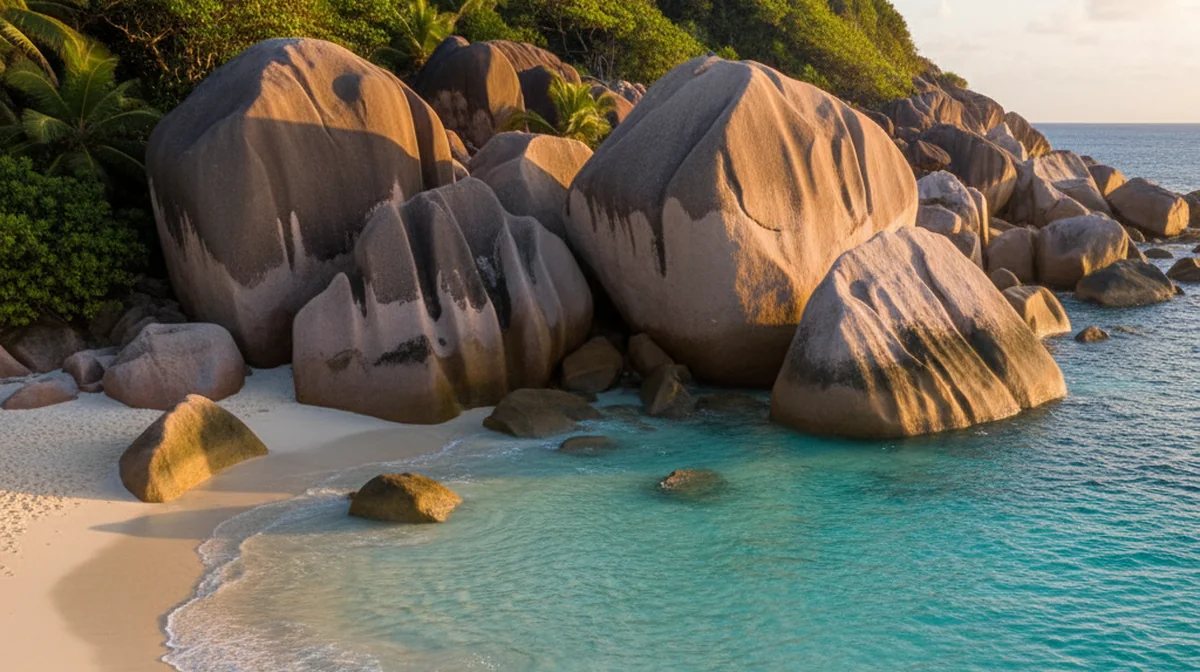
Virgin Gorda is the villa island of the British Virgin Islands — the address people picture when they picture a private house in the BVI rather than a bareboat charter out of Tortola. Christopher Columbus is said to have named it the 'fat virgin' for the shape it makes on the horizon, and that mountainous, low-density profile is exactly what draws the guest: no cruise-ship pier, no casino, no crowds, just granite boulders, quiet bays and a sailing culture that treats the island as the crown jewel of one of the world's great cruising grounds. If you own or are buying a short-term rental in the BVI, the odds are it sits on Virgin Gorda or nearby, and the way you market it should be built around the island's specific corners rather than 'the Caribbean' as an abstraction.
The island is really several small markets stacked along a narrow spine. The Valley — Spanish Town — is the populated south end, home to the ferry dock, the Virgin Gorda Yacht Harbour, the shops and the trailhead to The Baths, the granite grottoes that are the island's signature. The west coast running north from The Valley holds the estate-and-villa belt: Little Dix Bay, Savannah Bay, Pond Bay, Mahoe Bay and Nail Bay, where the private-pool houses look out over some of the calmest water in the territory. Farther north, past Leverick Bay, the island opens onto the North Sound — a protected saltwater lake of a harbor ringed by Bitter End, Saba Rock, Oil Nut Bay and, just offshore, Necker and Moskito, the private islands that anchor the BVI's billionaire reputation. A listing that names its bay and sells that specific rhythm outperforms a generic 'villa in the BVI' every time.
The guest here is deliberate, wealthy and loyal. Virgin Gorda attracts repeat families who book the same house the same week for a decade, honeymooners who want privacy over nightlife, and the sailing set who keep a rhythm between their own boat and a house on land. It is an English-speaking, US-dollar destination with no mass tourism by design, which means the traveler arrives having chosen the quiet on purpose — and pays for it. That guest is reachable through search, through travel advisors, and through a direct-booking site that treats the property as a small hospitality brand, and reaching them is the entire gap between a Virgin Gorda house that clears the market and one that clears a premium.
Access is the single most important thing to understand about this market, because it shapes everything else. There is no jet airport on Virgin Gorda; most guests fly into Terrance B. Lettsome Airport on Tortola (EIS) or into St. Thomas (STT) in the US Virgin Islands, then connect by ferry or private launch, and North Sound properties are reached by boat rather than by road at all. That friction filters out the casual traveler and rewards the owner who makes arrival effortless — a clear door-to-door plan, a pre-arranged transfer, a captain's number — because the guest who commits to the journey is exactly the high-value, long-staying, repeat guest the island is built for.
Top Attractions & Landmarks
- The Baths National Park & Devil's Bay
- Spring Bay & The Crawl
- Savannah Bay & Mahoe Bay
- Gorda Peak National Park (island summit)
- Copper Mine Point ruins
- North Sound (Bitter End & Saba Rock)
- Leverick Bay & the Sunday jump-up
- Virgin Gorda Yacht Harbour, Spanish Town
Nearby Markets: British Virgin Islands | St. John (USVI) | Anguilla