The North Fork road to the East Entrance
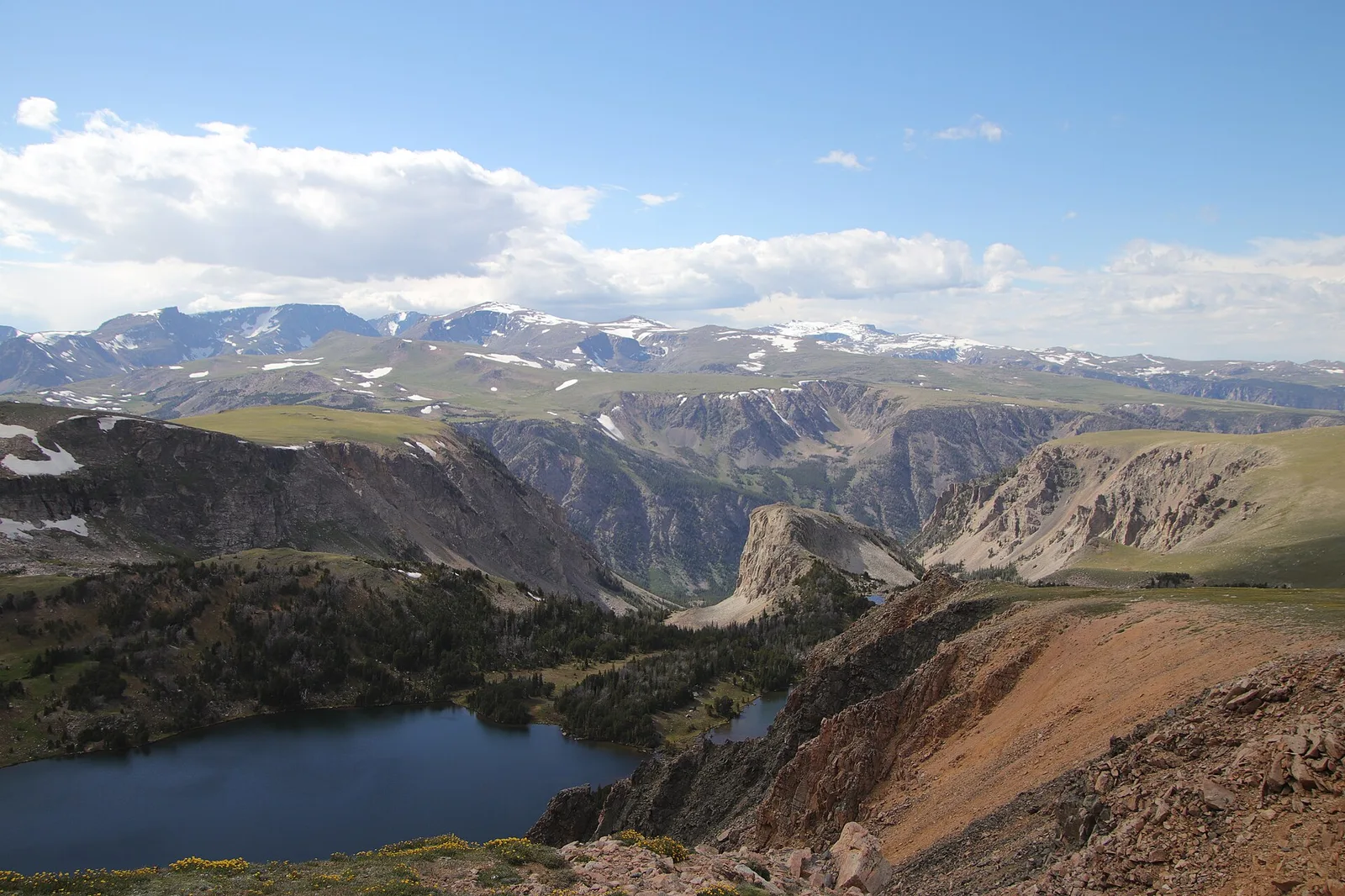
Fifty-two miles through the Wapiti Valley and the Absaroka volcanic rock. Allow far longer than the map suggests, because guests will stop. This drive is a reason to stay in Cody, not a cost of it.
Expert short-term rental marketing to grow your bookings and nightly rate in Cody, Wyoming, USA.
* Market averages. Properties marketed by Cavmir typically exceed these figures by 25–45%. Data sourced from AirDNA, STR market reports, and Cavmir internal analytics.
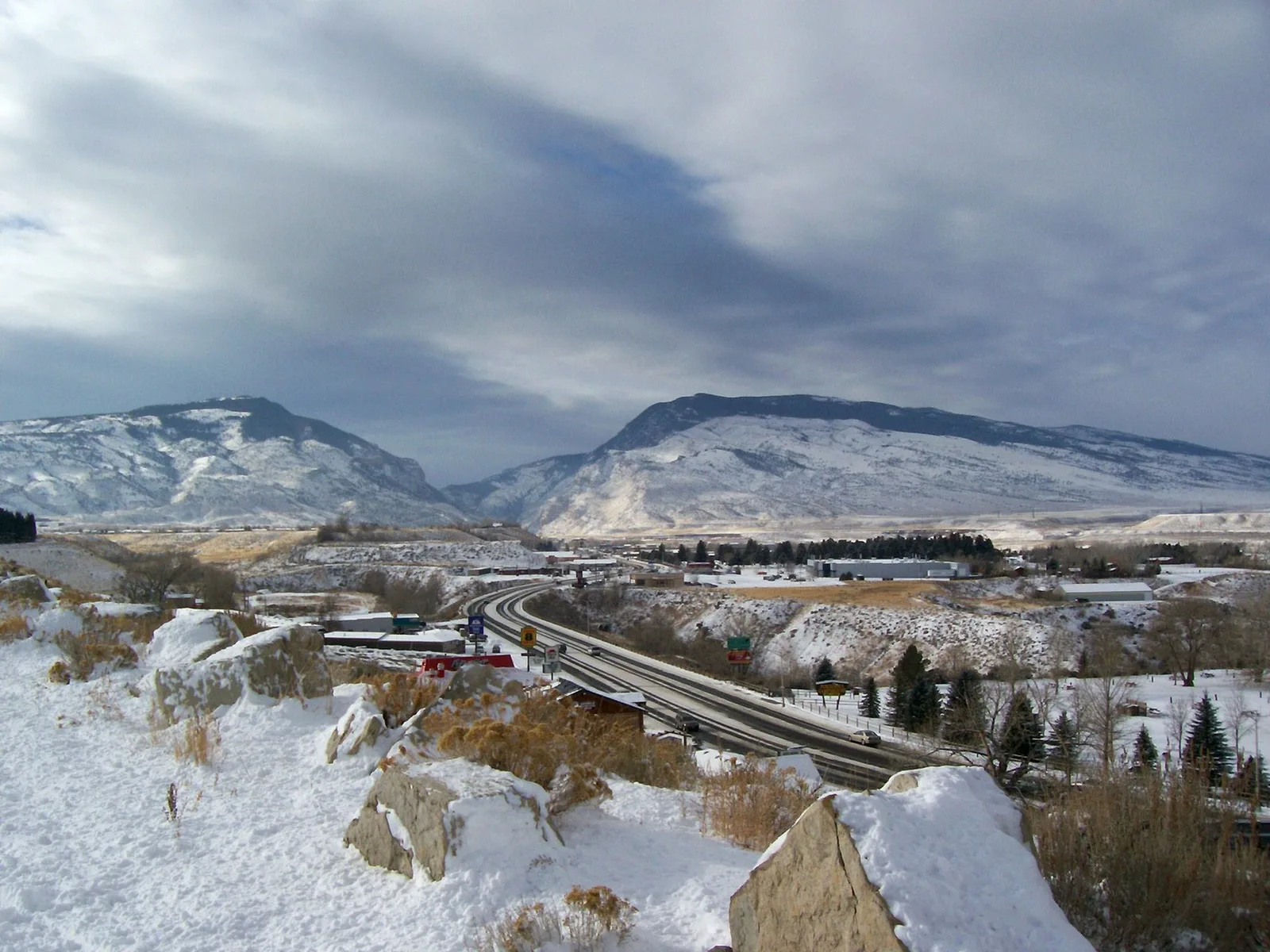
Cody was laid out in 1896 by a group of investors that included William F. Cody, and the town has been in the business of showing people the West ever since. It sits at the mouth of the Shoshone Canyon, fifty-two miles from Yellowstone's East Entrance, which is the least-used of the park's five gates and the one with the most dramatic approach — the road climbs through the Absaroka volcanic breccia past Wapiti Valley, a stretch Theodore Roosevelt once called the most scenic fifty miles in America. The Buffalo Bill Center of the West downtown is five museums under one roof and is a genuine destination in its own right, not a rainy-day option. The Cody Nite Rodeo runs every evening through the summer. Buffalo Bill State Park and its reservoir sit just west of town, and the Chief Joseph Scenic Byway and the Beartooth Highway climb north toward Red Lodge. The catch, and it is a big one, is the calendar. The East Entrance closes to wheeled vehicles for a large part of the year, and the town's rental economy is built on roughly a hundred good days.
Cody is one of the more accessible markets on this list from a regulatory standpoint and one of the least forgiving from an operating standpoint, and owners routinely get those two facts the wrong way round. The City requires you to register a short-term rental before you first operate and again annually by 1 May, hold a business licence through the City Clerk's office, and pass a fire and life-safety inspection; the rules are administered by zoning district. That is a real process but it is a process with a door in it, which is more than several markets in this wave can say. The hard part is that demand arrives in a compressed block. Yellowstone's East Entrance is a seasonal road, the Beartooth Highway typically opens around Memorial Day and closes in October, and once those close the guest who was driving to your house has nowhere to drive to. Owners who treat Cody as a twelve-month rental and price it that way end up discounting through a winter that was never going to fill. Owners who understand that the year is a short, intense season plus a long quiet one build a completely different rate strategy, a different minimum stay and a different marketing calendar — and they start selling next summer in January, not in May.
Nearby Markets: Jackson | West Yellowstone | Big Sky

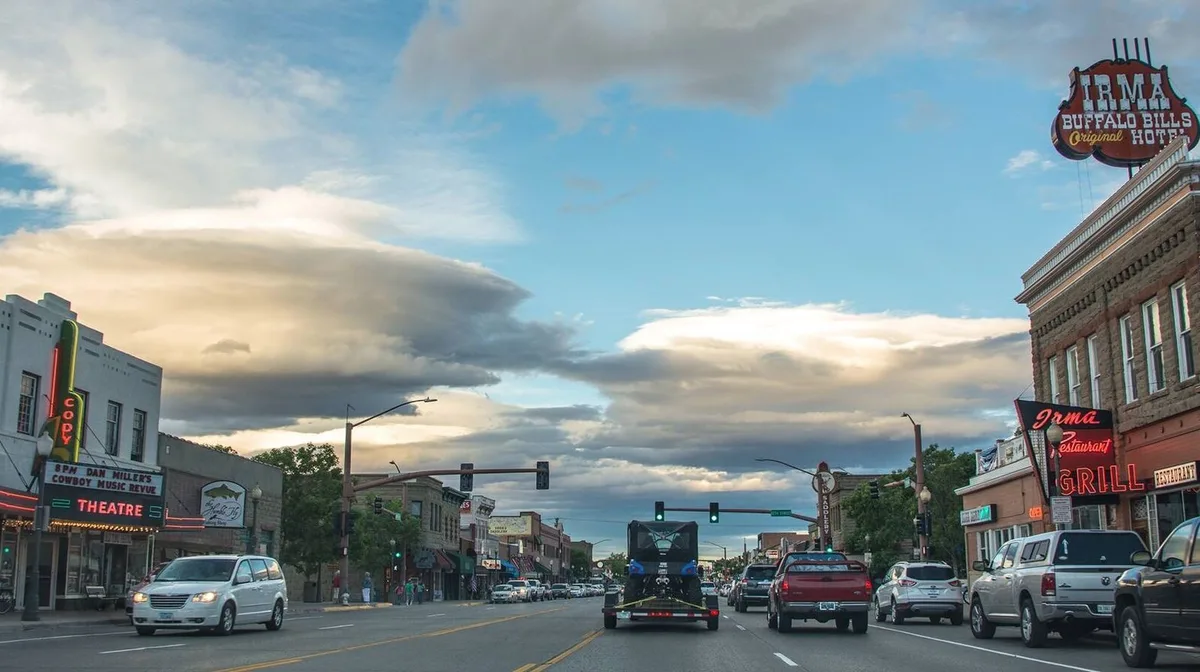
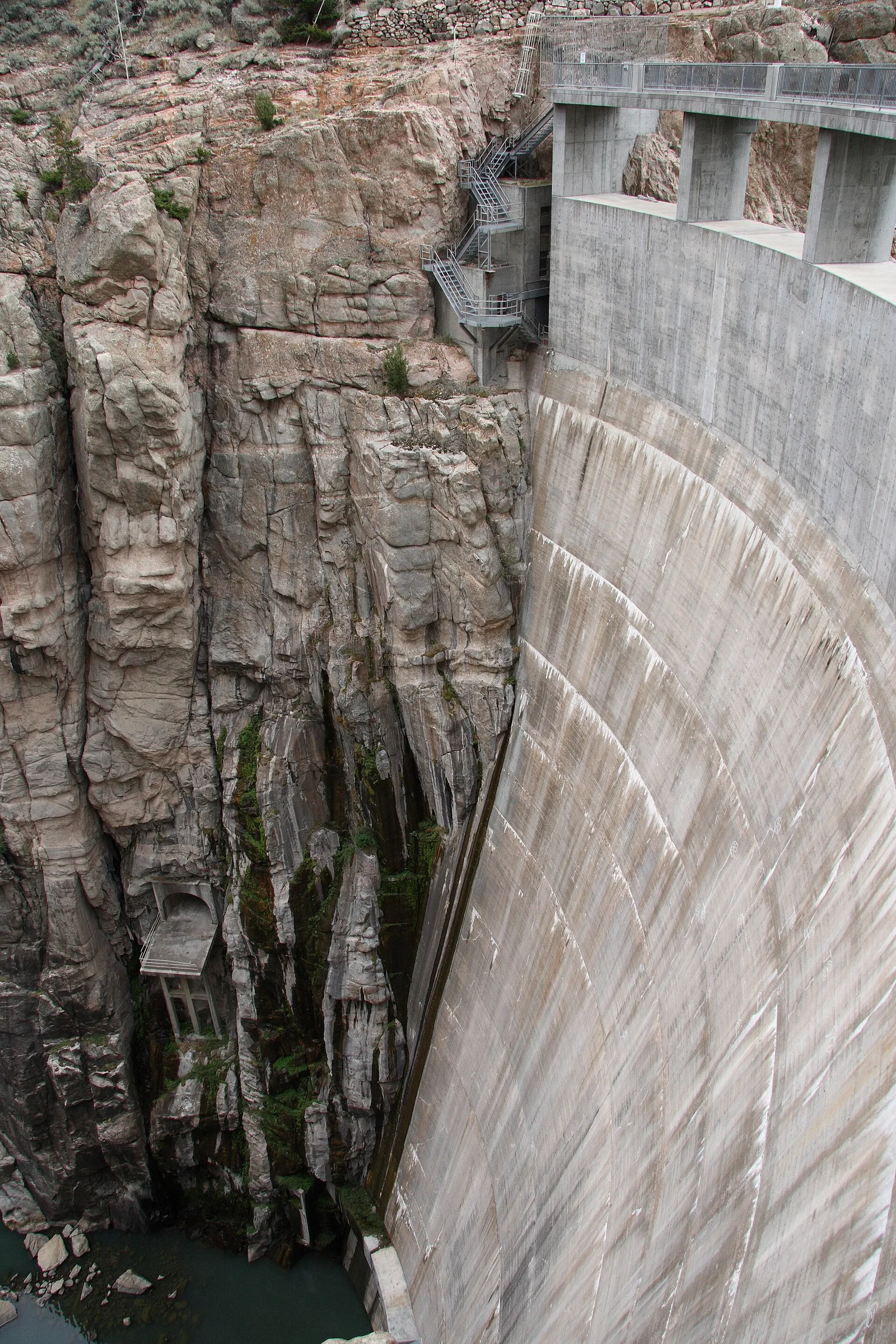
A few of the visual fingerprints we lean into when we shoot, brand and market a Cody property — courtesy of the open Wikimedia Commons archive.
Cavmir markets Cody properties against the season that actually exists. That means the listing goes live for next summer while this summer is still running, the photography is shot when the cottonwoods are green and the light is long rather than in a grey April week, and the copy answers the questions a Yellowstone-bound family is genuinely asking: how far is the East Entrance, what is the drive through Wapiti actually like, when does the Beartooth open, can we do the rodeo and still get up early. We build a direct booking site so the repeat guests — and Cody has a lot of them, because people who do this trip once often do it again — can come back without paying a platform to introduce you twice. We run local SEO against the search terms that carry intent in this market, place ads to match a booking window that opens far earlier than most owners expect, and keep an email list warm through the winter so that when the road opens you are not starting from zero. We help position and market your property. We never manage it or touch your keys.
Cody was founded as a business proposition. In 1895 a group of investors including William F. Cody — Buffalo Bill, by then the most famous American entertainer alive — organised the Shoshone Land and Irrigation Company and laid out a town on the Shoshone River flats, betting that irrigation water and a rail connection would make the Big Horn Basin farmable and that the new national park up the valley would make it visitable. The town was incorporated in 1901. Both halves of the bet came in.
The Shoshone Project dam, completed in 1910 and later renamed the Buffalo Bill Dam, was for a time the tallest dam in the world, and the reservoir behind it made agriculture possible in a basin that receives very little rain. The Chicago, Burlington and Quincy Railroad reached Cody in 1901 and, crucially, began running tourists toward Yellowstone. Buffalo Bill built the Irma Hotel on Sheridan Avenue, named for his daughter, and the Pahaska Tepee lodge out near the park gate. He was, in effect, building a tourism business a century before the phrase existed.
The road up the North Fork of the Shoshone to Yellowstone's East Entrance became the town's artery. It climbs through the Absaroka Range past extraordinary volcanic rock formations, and Theodore Roosevelt's description of the fifty miles between Cody and the park as the most scenic in America has been quoted in Cody marketing ever since — with reason.
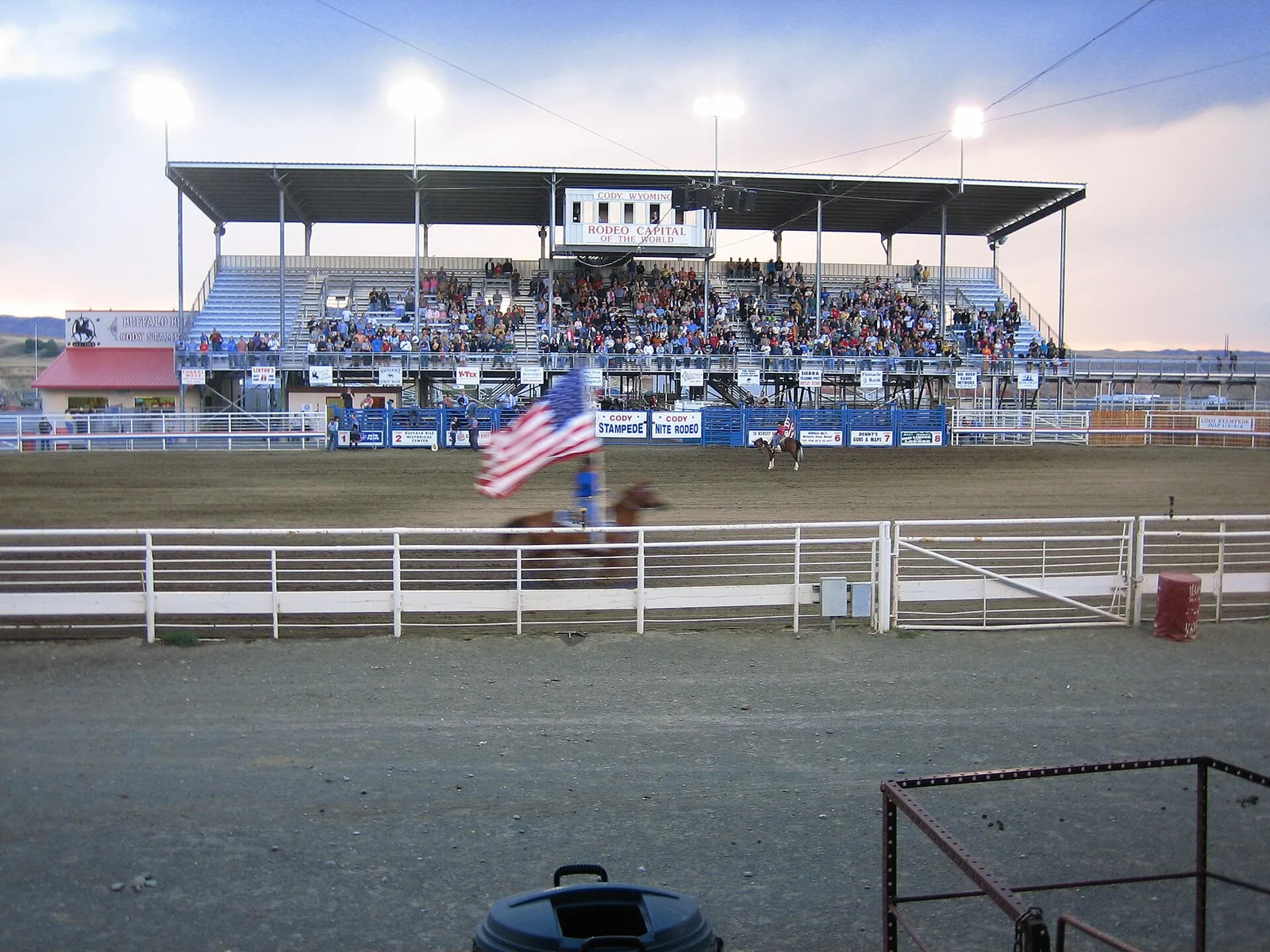
The Buffalo Bill Center of the West grew out of a memorial museum founded in 1917 and is now five museums under one roof, covering western art, firearms, natural history, Plains Indian cultures and Buffalo Bill himself. The Cody Nite Rodeo has run through the summers since 1938. What the town sells has been consistent for more than a century, which is unusual and which makes it a straightforward market to write for.
Cody's year is shaped by a road. Yellowstone's East Entrance is a seasonal gate, and when it is closed to wheeled vehicles the primary reason to drive to Cody disappears with it. The Beartooth Highway, the other spectacular route out of the region, typically opens around Memorial Day and closes in October. The practical consequence is that Cody's rental economy runs on roughly a hundred good days, and the pricing strategy has to reflect that rather than pretending at a twelve-month business.
Within that season, mid-June through August is the peak, and it is a genuine one — rooms in town are tight in July. Early June and September are strong shoulder weeks with better weather than their reputation and materially lower rates on most calendars, which is usually a mistake. September in particular is excellent: the park is quieter, the light is better, and the guest who books it is often a repeat visitor who knows exactly what they are doing.
Winter is a small, different business. There is some demand — the Buffalo Bill Center is open, there is skiing at Sleeping Giant near the park gate when conditions allow, and the town has its own life — but it is not a tourist season and should not be priced as one. Owners who hold summer rates into November end up with an empty calendar and a discount panic in January.
The best lever available in Cody is lead time. Yellowstone trips are planned early, often six to nine months ahead, and the owner who has next summer's calendar open and priced in January captures bookings that owners who wait until April never see. That single operational habit is worth more here than most pricing tactics.
Late May through mid-June is the opening ramp as the East Entrance and the Beartooth become passable. Mid-June through August is the peak, with July the strongest month, the Cody Stampede over the Independence Day period and the Nite Rodeo running every evening. September is an excellent, underpriced shoulder month with thinner park crowds. October is the closing ramp and depends heavily on when the roads shut. November through April is a genuine off-season with limited tourist demand, some winter recreation, and rates that should reflect reality rather than hope.
Cody is, by the standards of this list, a comparatively straightforward market to enter legally — which is worth saying plainly, because several of the markets in this wave are effectively closed.
The City of Cody requires short-term rental facilities to register with the City before they begin operating, and then to renew that registration annually by 1 May. Operators are also required to obtain a business licence through the City Clerk's office, with an application fee in the region of fifty dollars, and to pass fire and life-safety inspections. The city's approach is zoning-district based, meaning where you are within the city determines what is permitted, so the specific parcel matters.
Outside the city limits, Park County has its own planning and zoning framework, and the county has been examining short-term rentals as a housing-supply question for several years. County officials have publicly discussed counts in the region of three hundred short-term rentals across the county. That is a live policy conversation rather than a settled position, and owners should treat it as such.
Wyoming does not preempt local short-term rental regulation in the way some states now do, so the local rules are the rules that matter. There is no statewide registration scheme; the state's involvement is primarily through tax collection.
Because the county-level picture is in motion and the city's requirements are administered by district, confirm the current position for your specific address with the City of Cody Clerk's office and with Park County Planning and Zoning before you commit. The May renewal deadline is easy to miss in a market where owners are often out of state and thinking about summer rather than paperwork.
Open next summer's calendar early. This is the highest-value habit in Cody and most owners do not do it. Yellowstone trips get planned six to nine months out, and the property that is bookable and priced in January takes reservations that the property waiting until April never sees.
Write the East Entrance drive as a feature, not a distance. Fifty-two miles through the Wapiti Valley and the Absaroka volcanic formations is one of the great approaches to any national park, and most Cody listings reduce it to a number. Describe it. Mention the rock formations, mention that Roosevelt called it the most scenic fifty miles in America, and mention how long it actually takes with stops — which is longer than the map says, and guests should know that before they plan a dawn start.
Be explicit about road seasons. When the East Entrance opens and closes, when the Beartooth typically opens and closes, and what a guest arriving in late May or early October should expect. Getting this wrong is the single most damaging mistake in this market, because a family that drove to Cody to enter Yellowstone and found the gate shut will say so in writing.
Sell the rodeo properly. The Cody Nite Rodeo runs nightly through the summer, which is genuinely unusual, and the Cody Stampede over the Independence Day period is a major event. Guests planning a park trip often do not realise there is something to do every evening in town. That converts.
Do not undersell the Buffalo Bill Center of the West. Visitors assume it is a small-town museum and it is five museums that people spend a full day in. Saying so shifts Cody from an overnight stop to a two-night stay, and that is the most valuable change you can make to your average booking here.
Photograph in green. Cody in July has cottonwoods, irrigated fields and long evening light. Cody in April is brown. If your photo set was shot in the wrong month it is costing you.
The season is the challenge, and it is not solvable — only manageable. A hundred good days means the property has to earn its year in a compressed window, and a late road opening or an early closure takes real revenue with it.
The second challenge is competition from inside the park and from the west side. Guests who want to be in Yellowstone stay in Yellowstone; guests coming from Bozeman or Salt Lake often use West Yellowstone or Gardiner. Cody serves the eastern approach, and it needs to be sold to people who are coming from or heading toward the Big Horns, Sheridan, Devils Tower or the Black Hills rather than to everyone.
The third is that Cody looks inexpensive relative to Jackson, and owners sometimes conclude the market is soft when it is simply a different price point with a different guest. Under-investing in photography and copy because 'it is only Cody' is how properties end up competing at the bottom of a market that has plenty of room above it.
Cody's insurance profile is dominated by two things: a highly seasonal occupancy pattern and real winter cold. A property that sits empty from November to April in northern Wyoming needs its freeze protection taken seriously, and carriers will ask about it. Low-temperature monitoring, an automatic water shutoff, or a properly winterised system can all change your terms, and a burst pipe discovered in March is among the most expensive things that happens to owners here.
Wind is the other Wyoming factor that out-of-state owners underestimate. The Big Horn Basin gets serious wind, and roof, siding and outbuilding claims follow from it.
Wildfire exposure rises as you move up the North Fork corridor toward the park, and underwriting reflects that. If your property is out toward Wapiti rather than in town, expect questions about defensible space and access.
Make sure the policy is written for short-term rental use rather than adapted from a standard homeowner form, and that it responds during long vacant stretches rather than treating them as an unoccupied-property exclusion. Ask the question directly and get the answer in writing.
Wyoming has no state income tax, which is part of why people look here, but lodging is taxed at both state and county level.
Short-term rentals in Wyoming are treated as lodging facilities and are subject to the state's 4% sales tax on the rental, plus a statewide lodging tax of 5% on stays of less than 30 days. Park County has additionally levied a local lodging tax of 2%, which voters have renewed, bringing the county-level lodging total to 7% including the state portion, with the county share supporting local tourism promotion through the Park County Travel Council and distributions to Cody, Powell and Meeteetse.
Registration with the Wyoming Department of Revenue is required, and while booking platforms may collect and remit certain elements, the obligation to be registered and to file correctly stays with you — and direct bookings are generally your responsibility in full.
Rates and voter-approved county levies change. Confirm the current figures with the Wyoming Department of Revenue and Park County before publishing anything to a guest, and speak to your accountant about how the rental income is treated for your own return.
Cody is one of the more financeable markets in this wave, because the regulatory path is open and the price points are moderate, but the seasonality shapes the conversation.
A lender underwriting projected short-term rental income will look at annual figures, and a Cody property earns most of its revenue in four to five months. That concentration is not a problem in itself, but it needs presenting properly. Owners who bring a realistic seasonal income picture to a lender do better than owners who annualise a July week and hope nobody notices.
Second-home financing and investment-property financing carry different rates, different down payment expectations and different occupancy conditions. If you intend to rent the property most of the season, be straightforward about that at application rather than discovering the mismatch later.
Appraisal comparables in a small market can be limited, particularly for properties out along the North Fork where each parcel is different. Rural water and septic, road access in winter, and wildfire insurability all become underwriting questions the further you get from town.
Work with a lender who has closed rental purchases in Park County. This is general information rather than financial advice; confirm the specifics with your mortgage broker and accountant.
Cody's medium-term outlook rests on Yellowstone, and Yellowstone visitation has trended upward over any long window despite year-to-year variation. The East Entrance remains the least-used of the park's gates, which is a marketing opportunity as much as a limitation — a guest who wants a Yellowstone trip without the west-side congestion has a genuine reason to choose this side, and very few Cody listings make that argument.
The policy question to watch is at county level. Park County has been examining short-term rentals as a housing-supply issue for several years, with officials citing counts in the hundreds. Nothing about the current framework is guaranteed to persist, and owners buying on the assumption that light regulation is permanent should hold that assumption loosely.
Infrastructure is the other variable. Air service into Yellowstone Regional Airport, the condition and seasonal timing of the North Fork road, and any changes to park access or reservation systems all move demand in a market this dependent on a single corridor.
The competitive trend is quality. Cody has historically been a market where a plain house with plain photographs could fill in July because demand exceeded supply. As inventory grows, that stops being true, and the properties that hold their rates are the ones with proper photography, a real story about the East Entrance approach, and a direct relationship with the guests who already came once.
Cody is unfashionable in a way we find genuinely appealing. It is not trying to be Jackson. Sheridan Avenue has a hardware store and a saddle shop and the Irma Hotel that Buffalo Bill built for his daughter, and the town's main summer entertainment is a rodeo that runs every single night. There is no pretence in it.
The drive to the East Entrance is the thing we would put in front of every guest. Fifty-two miles up the North Fork of the Shoshone through the Absaroka volcanic breccia, past rock formations with names like the Holy City and Chimney Rock, with the road climbing steadily toward the park boundary. Roosevelt's line about the most scenic fifty miles in America gets used a lot in local marketing and it is one of the rare cases where the marketing line is defensible.
We also like that the Buffalo Bill Center of the West is a genuinely serious institution. Five museums, a real western art collection, a Plains Indian museum built in consultation with the tribes it represents, and a natural history museum about the Greater Yellowstone ecosystem. Visitors who came expecting a gift shop with a stuffed bison end up spending a day there, and that single fact converts a lot of one-night stops into two-night stays.
And September in Cody is quietly wonderful. The cottonwoods along the river turn, the park is emptier, the light is long, the rodeo has finished and the town breathes out. Most rate cards treat it as shoulder season. Most guests who discover it come back.
A great property in Cody doesn't just want a listing — it wants a point of view, an audience, and a brand the city itself would recognise.
Eight things a Cody guest should know before they arrive — the road seasons, the rodeo, the museum they are underestimating, and the drive that is the whole point.
Fifty-two miles through the Wapiti Valley and the Absaroka volcanic rock. Allow far longer than the map suggests, because guests will stop. This drive is a reason to stay in Cody, not a cost of it.
Yellowstone's East Entrance is seasonal and the Beartooth Highway typically runs from around Memorial Day into October. Tell guests the current position before they book a May or October trip.
It runs nightly through the summer, which almost no other town in America can say. Guests planning a park trip rarely know there is something to do every evening. Say so.
Five museums under one roof — western art, firearms, natural history, the Plains Indian Museum and Buffalo Bill himself. Guests budget an hour and need a day. Telling them this converts one-night bookings into two.
The town's biggest event of the year, over the Independence Day period, with the rodeo, parades and a full week of activity. Price it as the peak it is and publish those dates early.
Just west of town on the way to the park, with the dam that was briefly the tallest in the world and a visitor centre above it. Good for wind-sport people and an easy afternoon for everyone else.
Over Dead Indian Pass toward the Beartooth, following the route of the Nez Perce flight of 1877. One of the best drives in Wyoming and largely unknown to first-time visitors.
A collection of relocated frontier buildings on the edge of town, and the hotel Buffalo Bill built on Sheridan Avenue. Both are short visits that give guests the context for everything else they are seeing.
The following are composite, illustrative examples drawn from patterns we see in seasonal national-park gateway markets. They are not accounts of specific clients or properties.
A well-kept property that consistently filled July but sold nothing in advance, because next season's calendar was not opened and priced until spring, by which point park-trip planners had already booked.
Restructured the release schedule so the following summer went live and priced in January, published the known event dates immediately, and built a direct booking site that let early planners reserve without waiting.
A meaningful share of the summer was booked before the previous season had finished, and the property stopped competing for late, price-sensitive demand.
A house on the North Fork road whose listing led with how far it was from town, effectively apologising for the single most attractive thing about its location.
Reframed the position as being on the approach to Yellowstone's East Entrance, described the drive and the rock formations properly, and reshot the property with the valley and the evening light in the frame.
The property started attracting guests who specifically wanted to be on that road, and average stay length increased as it became a base rather than a stopover.
Strong summer occupancy made up almost entirely of single-night bookings from families driving through toward the park, with high turnover cost and no repeat business.
Rewrote the listing around the reasons to stay a second night — the Center of the West as a full day, the nightly rodeo, the byways north — and set a seasonal two-night minimum with rates that made it worthwhile.
Average length of stay rose, cleaning and turnover costs fell as a share of revenue, and a repeat-guest list started to build for the following summer.
Demand in Cody peaks around June through August and runs quietest around January, February and March. Here is how the year actually books — and what to do about each stretch of the calendar.
Mid-June through August, and it is a hard peak. Yellowstone's East Entrance and the Beartooth Highway are seasonal roads, and when they are open the town is busy and rooms are tight in July. Set rates and minimum stays for the whole peak before the season starts rather than adjusting into it.
Early June and September are the value weeks and are consistently under-priced. September in particular is excellent, with a quieter park, better light and repeat visitors who know what they are doing. Market it as its own product rather than a discount on August.
November through April is a genuine off-season. The East Entrance is closed to wheeled vehicles for much of it and the primary reason to drive here disappears with the road. Price for reality, take longer stays where they come, and use the window for maintenance and photography.
Long. Yellowstone trips get planned six to nine months out, and the property with next summer's calendar open and priced in January captures bookings that a property waiting until April never sees. This is the single highest-value operational habit in the market.
Predominantly short stays of one to three nights, because a large share of guests are passing through on a park route. That is the central commercial problem here, and properties that give guests a reason for a second night materially improve their economics by cutting turnover cost.
Whole houses close to Sheridan Avenue do well because walkability to the museum, the rodeo and dinner turns a stopover into a stay. Properties out along the North Fork road win on the approach itself and should be sold on that rather than apologising for the distance.
Start with photography that shows what a guest actually gets here, then write the listing around a real itinerary rather than a feature list. Build a direct-booking site so returning guests can come back without going through a platform, and keep an email list segmented by season so you can reach last year's visitors before the calendar opens. Local search matters more than people expect in a market this size, because guests search the destination and the attraction rather than the word rental. A marketing agency layer handles the photography, the listing copy, the direct-booking site and the local SEO as one system instead of four disconnected jobs.
Mid-June through August, tied to Yellowstone's East Entrance and the Beartooth Highway being open. July is the strongest month, helped by the Cody Stampede and a rodeo every night. September is excellent and under-priced. November through April is a real off-season because the road that brings guests here is closed.
Long. Yellowstone trips are planned six to nine months ahead, so the property that is open and priced for next summer in January takes reservations that a property waiting until April never sees. Opening the calendar early is worth more here than almost any pricing tactic.
The natural drive feeders are Billings, Sheridan, Casper and Rapid City, because Cody serves the eastern approach to Yellowstone. Air visitors mostly connect through Denver. Marketing to people arriving from the Black Hills and the Big Horns converts better than competing for the Bozeman and Salt Lake traffic.
Off-street parking, a proper kitchen and air conditioning matter most in a hot summer market. Freezer space and somewhere to rinse gear reach the angler and hunter segments nobody else is writing to. Outdoor space for long summer evenings converts well, and a second bathroom does more than an extra bedroom.
Run your Airbnb, Vrbo, or website through Cavmir's free grader. It checks the things that decide whether guests book in Cody — photos, listing copy, page speed, local search — and shows you where bookings leak. Takes about a minute, and there's no sales call attached.
If the report says your booking engine is the weak link, that's fixable: a direct-booking website of your own means repeat guests stop paying platform fees to come back to you. That's the work Cavmir does — see Airbnb website design in Cody.
Talk to Cavmir today. We'll show you exactly what your Cody property is leaving on the table — and how fast we can change that.
Book a Free Strategy Call