Market-Specific Tips & Challenges
Local Tips & Unique Market Challenges
Tips That Actually Move Revenue in Gardiner
First, build a winter product and give it a name. The road from Gardiner is the only one in the park generally open to cars all year, the northern range keeps its elk and wolves through the winter, and the guests who come for them know exactly what they need: a start before first light, a place to warm boots and dry layers, a table by a window for a spotting scope, a kitchen for a packed breakfast and a quiet house to come back to at midday. The guides keep the same hours; Yellowstone Wolf Tracker's private day tours start early to reach the park when wildlife is most active. Give winter its own page with the drive to Mammoth and the northern range, the park's road-conditions line, a weekly rate, and an offer timed to Yellowstone Forever's February and March wolf programs. AirROI's winter months book about six to ten weeks ahead, so keep the offer visible from early fall.
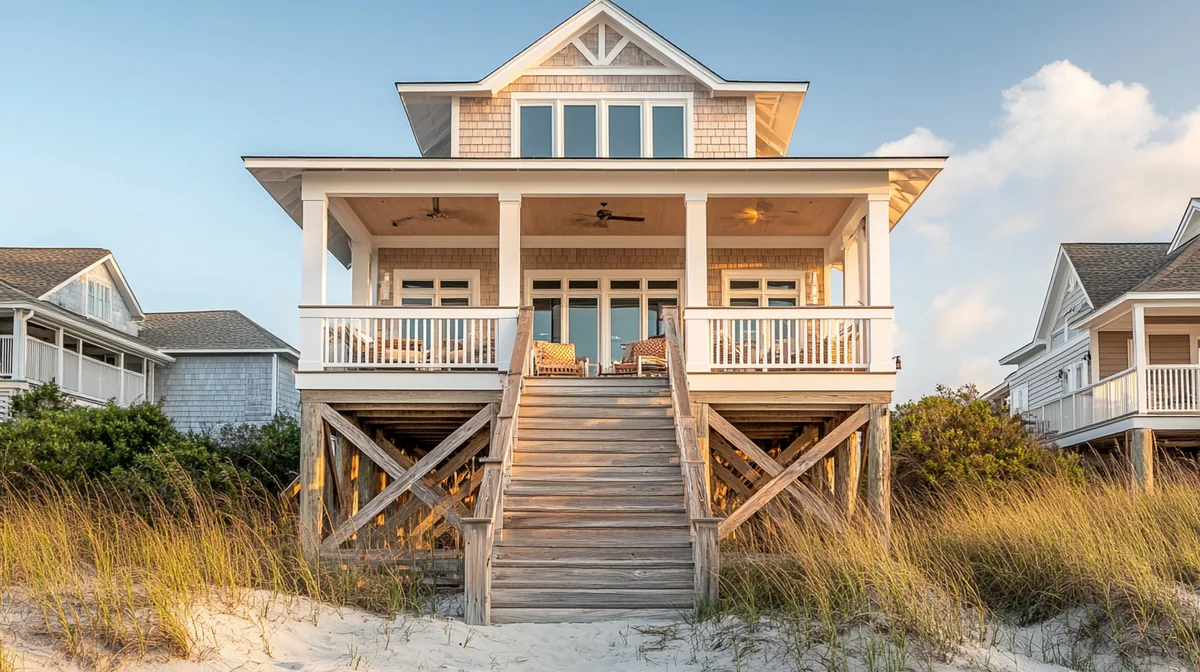
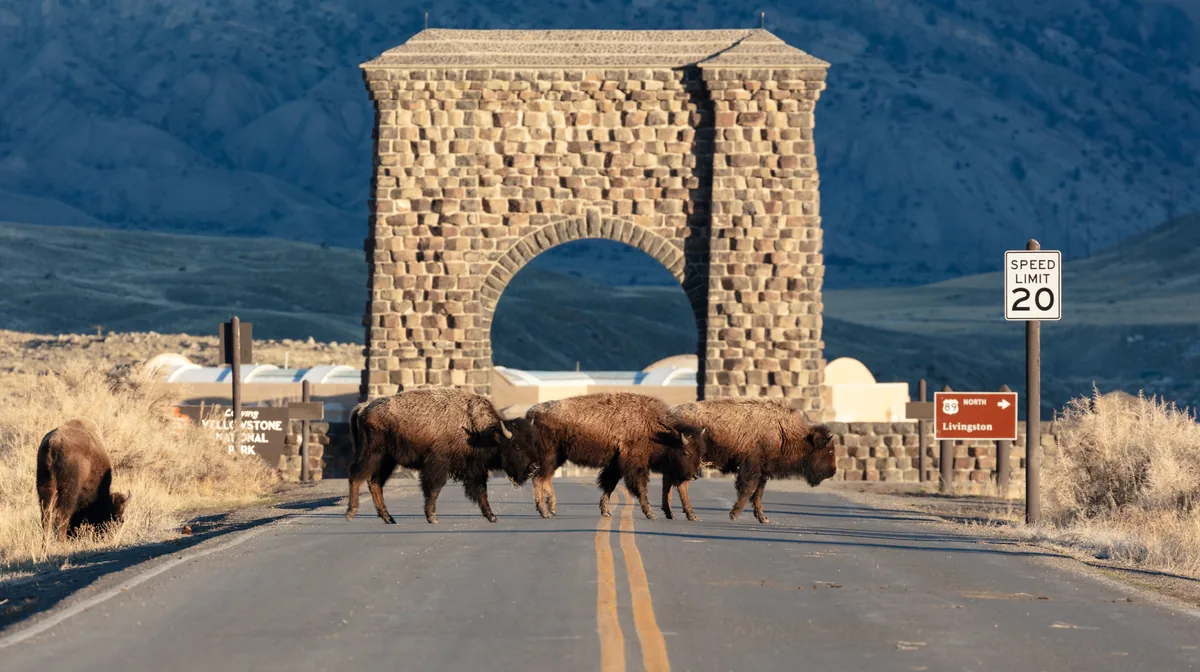
Second, show the house properly and say exactly where it is. AirROI's average Gardiner listing has nine photos, and only 26 percent show their exact location, which leaves a guest guessing at the two things they care about most: what the house looks like and how far it is from the arch. Shoot twenty or more, lead with the view or the river if you have one, then the main living space, every bedroom, the kitchen and the yard, with elk in it if they come through, and write the distances in plain words: minutes on foot to Park Street and the arch, minutes by car to Mammoth, the drive from the Bozeman airport. Never imply a river view you don't have. River-view listings average about $72,100 a year in AirROI's data against $47,200 for the rest, which is exactly why guests check, and accuracy is one of the scores they leave.
Third, price summer for the guest who planned it in February. June bookings arrive about 117 days ahead, June filled 81.7 percent of its nights in 2026 and the summer months all ran above 70 percent, so there's little reason to discount them or to accept one-night gaps in July. Set a two- or three-night minimum on peak weeks, open your calendar a year out, and if the house matches what the top quarter offers, price June through August from their rates, $380 a night and up, rather than from the median. Then hand guests a first-morning plan built on local outfitters: a half day on the river with Yellowstone Raft Company, which has floated the Yellowstone since 1978, a walk-and-wade trip with Parks' Fly Shop, which has outfitted anglers here since 1953, and a soak at Yellowstone Hot Springs after a long day in the park. A house that gives guests a plan earns the booking ahead of one that only gives them a door code. Our vacation rental SEO work puts those pages where trip planners search.
Fourth, plan for the second visit. A family that loved its June week may come back when the kids are older, and the winter crowd returns for the wolves, so collect emails at checkout, send past guests next year's dates before they open to everyone, and give them a reason to book with you directly: a fast direct-booking website and a small returning-guest rate. Reviews set the floor in this market. AirROI's Gardiner listings average 4.85 stars, 61 percent wear Airbnb's Guest Favorite badge and about 81 percent are run by Superhosts, while value is the weakest score at 4.74, a sign that guests notice the fees and taxes stacked on the rate. Run the operations as part of the pitch: self check-in for a guest arriving after dark from an airport 83 miles away, Wi-Fi that doesn't depend on cell signal, well tests on schedule, and a welcome book with the Park Service's distances, 25 yards from elk and bison and 100 yards from wolves and bears. Listings with a smart lock average about $68,000 a year in AirROI's data against $48,500 for the rest.
Unique Gardiner Challenges
Supply is the first pressure. AirROI counts 239 active listings, a third more than a year earlier, while average revenue per listing rose less than 1 percent, so new hosts are dividing a season that isn't getting any longer. The top ten hosts run 43 percent of the listings, a quarter of all listings are typed as hotels or boutique stays, and the top quarter's typical month brings in $6,480 or more against $3,120 or less at the bottom. In a market this compact, a house that never updates its photos, copy or pricing can slip down the results as newer listings arrive. The way out is a clear product, a full photo set and a calendar that sells the months other hosts leave empty.
Then there's geography. Gardiner sits on one highway and one park road, and June 2022 showed what that means: the flood cut off the North Entrance on June 13, and the public couldn't drive in that way again until the temporary road opened on October 30, through the heart of the season the town depends on. That temporary road is still the route, the Park Service is still weighing a permanent alignment, and the Gardner River High Bridge near Mammoth has run as a single lane with delays of up to 15 minutes since April 13, 2026, with the work scheduled through November 24. Insure for flood if your parcel is near the river, write a cancellation policy you can stand behind if a road closes, and keep guests informed. The nearest hospital, Livingston Healthcare, is 58 miles north, with the Mammoth Clinic about 15 minutes away for minor problems, so put both in the welcome book. Owners who live far away carry another risk: replies that come hours late, a listing that still shows last summer, and a February calendar nobody has priced. A local co-host or cleaner who checks the house after every cold snap and storm closes much of that gap.
The rules are light today, which is a reason to get them right. Most hosts list on a platform that collects the two state taxes, but Gardiner's 3 percent resort tax isn't on Airbnb's Montana list, and the state health license comes with an inspection and, for houses on wells, a testing schedule. AirROI found no Gardiner listing showing a license or registration number, so guests can't tell who holds one, but the sanitarian can. Park County spent 2026 drafting a new process for citizen-initiated zoning districts, with its first listening session in Gardiner, and a draft subdivision update goes to hearing in November. The county says the process isn't a proposal to zone any area, but it's the path a zoning district would take, so follow it. A licensed, tax-current, well-reviewed house is the one best placed for whatever the county decides.