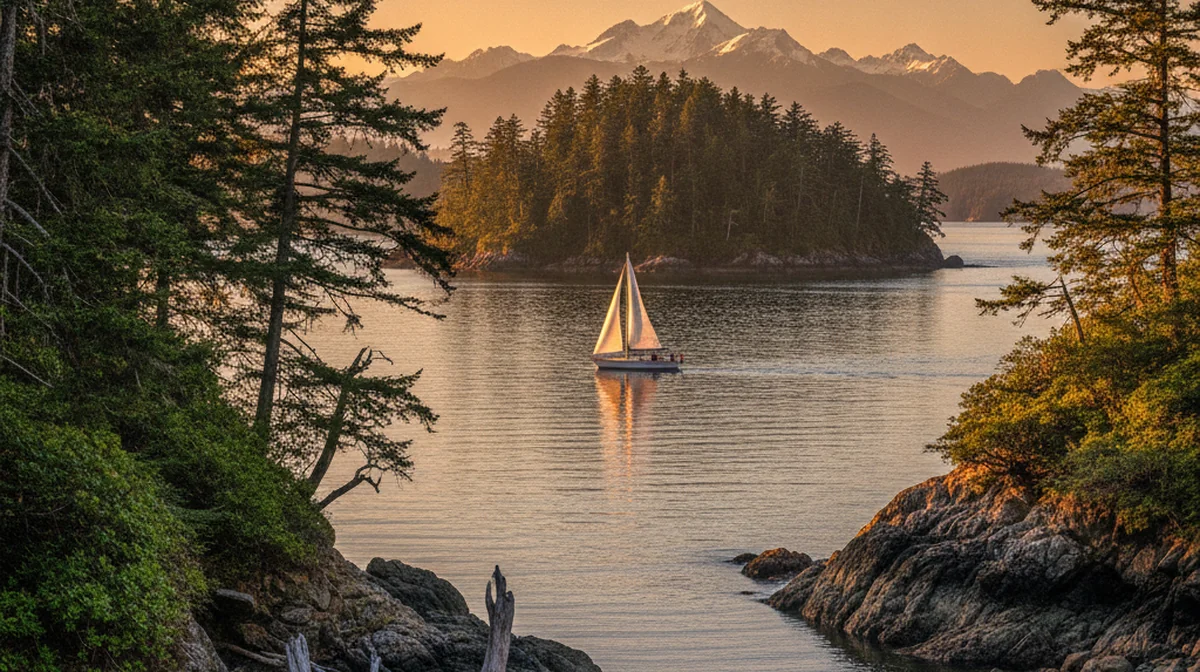
Mount Constitution at golden hour
Drive or hike to the stone tower on the archipelago's highest point — the whole San Juans, the Cascades and Canada arranged below. The island's obligatory photograph, best an hour before sunset.
Expert short-term rental marketing for Orcas — waterfront cabins, Eastsound village homes and the view retreats of the San Juans' most beautiful island.
Sixteen services, one team. Everything below is built in-house and scoped to your property and market. Most owners start with the 12-Step System.
Every engagement is quoted to your portfolio. These are the ready-made scopes owners pick most — Summer Promo pricing shown, discount already applied. A clear proposal within 48 hours.
The work is public. Selected engagements and what changed — and reviews from the owners and managers behind them.
* Market averages. Properties marketed by Cavmir typically exceed these figures by 25–45%. Data sourced from AirDNA, STR market reports, and Cavmir internal analytics.
Orcas Island is the one the Northwest keeps for itself. Horseshoe-shaped, ferry-fed and greener than seems reasonable, it is the tallest and most theatrical of the San Juan Islands — Mount Constitution rises half a kilometer straight from the sea, with a stone tower on top and the whole archipelago arranged below like a model. The island runs on a rhythm of farm stands and pottery studios, a village called Eastsound at the head of the sound, and a summer that draws Seattle's most devoted escapees across the water year after year. For rental owners the defining fact is scarcity twice over: the ferry meters everyone who arrives, and San Juan County's vacation-rental permit caps meter how many houses may lawfully serve them. A permitted Orcas rental is a licensed position in a market that cannot grow.
The island's rental geography follows its coves. Eastsound village holds the walkable tier — cottages and homes minutes from the farmers market, Brown Bear Baking and the island's restaurant row, booked by couples and small families who want the village life on foot. The waterfront cabins and homes strung around the island's bays — Deer Harbor, West Sound, Obstruction Pass, Doe Bay — carry the classic product: dock-and-kayak mornings, sunset water, the cabin-in-the-madronas imagery that fills Northwest daydreams. And the view homes on the island's shoulders trade on the thing only Orcas has: elevation, with water-and-archipelago panoramas no other island in the chain can match. Naming the cove and the view precisely is the first job of any Orcas listing.
The guest is the Pacific Northwest's most intentional. An Orcas trip is planned around ferry reservations booked weeks ahead, or a floatplane from Lake Union for those who skip the line — nobody passes through, and everyone aboard the boat chose this island specifically. They are Seattle and Portland professionals, returning families on their tenth island summer, kayakers and whale-watchers timing the orca season, and off-season couples who consider a rainy island weekend with a wood stove the height of civilization. They book early for summer, return loyally and respond to marketing that knows the island's texture — the ferry choreography, the Saturday market, which cove catches the sunset.
Access is the island's filter and its story. The Washington State Ferry from Anacortes threads the archipelago for about an hour — one of America's great public-transit rides — and reservations in summer are not optional; Kenmore Air's floatplanes land in the sound for those who want the twenty-five-minute version from Seattle. The metering keeps the island calm in a way no road-accessible market can be, filters for the guest who plans, and underwrites both the rates and the loyalty. A listing that teaches the journey — reserve the boat, arrive early, watch for whales in the channel — turns the logistics into the vacation's first chapter.
Nearby Markets: San Juan Islands | Friday Harbor | Whidbey Island

Cavmir markets Orcas rentals as the small hospitality brands they are — not as interchangeable cabin inventory in an islands feed. We position your waterfront cabin or village home in front of the exact traveler who reserves the ferry weeks ahead: the returning Seattle family, the kayak couple, the off-season wood-stove romantic — wherever they search.
Orcas entered the tourist age through one man's supposed farewell. Robert Moran, the Seattle shipbuilder and former mayor, retired to the island in 1905 after doctors gave him months to live, built the great mansion at Rosario — teak decks, a two-story pipe organ, shipwright joinery throughout — and then declined to die for another three decades, crediting the island. He gave most of his holdings to the public as Moran State Park, including Mount Constitution and its lakes, and in doing so fixed the island's character permanently: a place where the grandest gesture is protected land.
The twentieth century layered on the island's gentle economy — orchards, farms, artists' studios, summer cottages for Seattle families who returned generation after generation. The resort at Rosario kept the mansion alive; Doe Bay evolved into the archipelago's bohemian retreat; and Eastsound grew into one of the Northwest's most beloved small villages, its farmers market and bakery lines a Saturday institution. The rental market grew organically out of that cottage tradition long before the platforms arrived to formalize it.
The platform era brought the reckoning every beloved island faces: rental growth, housing pressure and a community debate that San Juan County resolved with caps — vacation-rental permits limited by island, new permits scarce to nonexistent, and compliance enforced. The cap era remade the market's economics: a lawful permit became a durable asset attached to the property, the compliant inventory stabilized, and demand kept compounding against a fixed supply — the same arithmetic that governs the county's ferry queue every July Friday.
Today the market is small, loyal and quality-sorted. The permitted houses that operate well — honest photography, ferry-literate communication, wood stoves that work and kayaks that float — run deep summer calendars and shoulder seasons that lengthen every year; the indifferent ones churn guests who came for the island and remember the house as an obstacle. The marketing gap is intimacy: most listings undersell the specific cove, the specific view and the specific island rhythm that their guests are actually buying.
Orcas prices on water, view and village. True waterfront — cabins and homes with beach, dock or bank access on the island's coves — anchors the premium tier, with summer weeks at the best properties clearing rates the island's modest averages disguise. The elevation-view homes on the island's shoulders form a second premium tier unique to Orcas in the archipelago. Eastsound-walkable cottages carry a village premium couples pay gladly; forest and interior properties win on value, hot tubs and wood-stove atmosphere. State the tier plainly — waterfront, view, village or forest — and the walk-or-drive minutes to Eastsound.
The calendar is a sharp summer peak with lengthening shoulders. July and August are the super-peak — ferry reservations scarce, the village full, weekly bookings standard — with June and September now nearly as strong as the returning base stretches its seasons. Spring and fall reward deliberate positioning: whale season builds through spring, October is the island at its most photogenic, and the wood-stove-and-rain winter product is a real market among Northwest couples rather than a consolation. Price the peak with confidence and the shoulders with product-specific stories, not blanket discounts.
The plays that work are island-specific: ferry-literacy as a marketing asset (reservation guidance in the listing converts anxious first-timers), seven-night summer minimums that respect the journey's effort, shoulder-season packages built around the island's actual calendar — the market's last Saturdays, whale season, the October light — and a monthly winter product for remote workers who dream of an island office with a wood stove.
High seasonality around a July–August super-peak, with June and September strengthening yearly as the loyal base stretches its seasons. Spring builds with whale season; October is the island's most photogenic month; winter is a genuine wood-stove-and-rain niche for Northwest couples and remote workers, not a dead loss.
The revenue most owners miss is the shoulder story: June and September book nearly at peak for houses that market them deliberately, and October couples and winter monthlies fill calendars the ferry-anxious casual operator writes off. Ferry-literate communication is the island's cheapest conversion tool in every season.
San Juan County regulates vacation rentals directly and the market is built around it: operating lawfully requires a county vacation rental permit attached to the property, and the county moved in recent years to cap permit numbers by island — making existing permits scarce, valuable and worth maintaining meticulously. Compliance conditions cover occupancy, parking, septic capacity and neighbor notice, and enforcement is real on an island where everyone knows which houses rent.
The tax stack is Washington's: state sales tax and lodging taxes on short stays, collected in part by platforms depending on configuration, with registration and remainder obligations on the operator. The practical layer is the island's own: septic systems bound occupancy in fact as well as law, water systems on some parcels are shared and finite, and communities and road associations carry expectations — quiet, parking, fire care — with genuine social force.
Treat this section as orientation rather than legal advice: permit availability, cap details and conditions evolve with the county's ongoing housing debate. Confirm current status with San Juan County before buying or listing — a property's permit status is the first fact of its rental value here. Cavmir handles the marketing; compliance sits with you and your local professionals.
First, make the ferry your marketing ally. The reservation system intimidates first-timers, and the listing that teaches it — when to book, which sailings breathe, the floatplane alternative, what to do in Anacortes with an hour — converts anxiety into commitment. Ferry literacy signals island fluency, and island fluency is what the Orcas guest is actually shopping for in a host.
Second, sell the cove, not the concept. 'Island getaway' is invisible; 'west-facing on Deer Harbor, kayaks off the dock, sunset over the Wasp Islands' books. Orcas guests plan around water access, sunset orientation and village distance, and photography that documents the actual shoreline, the actual view and the actual path to the water outperforms any stylized cabin set.
Third, own the dark months honestly. The island's winter is rain, wood smoke and horizontal light — and a real market of Northwest couples and remote workers loves it precisely as it is. Winterize the experience (dry wood stacked, the stove serviced, boots by the door, board games that are not missing pieces), photograph it in its own season, and offer monthly rates. The house earns while the fair-weather competition sleeps.
Fourth, plug into the island's Saturday. The Eastsound farmers market, the bakery line, the pottery studios and farm stands are the island's social calendar, and a welcome book that maps them — with the honest hours and the local etiquette — makes guests feel adopted rather than processed. On an island this small, guests who feel adopted write the reviews that fill next summer.
The ferry gives and the ferry takes: summer sailings fill, schedules shift, and a missed boat reshapes a guest's arrival day. Operations need buffer-friendly check-in flexibility, clear contingency guidance and the calm tone of hosts who have seen it all before. The same applies to island infrastructure — power outages in winter storms are part of island life, and the house with a generator note, lanterns and a stocked wood stove turns an outage into the stay's best story.
The permit cap is a moat that must be maintained: conditions honored, renewals met, neighbors respected — a lapsed or revoked permit is not readily replaced, and the county's housing politics keep the compliant operator's standing valuable. Meanwhile the island's vendor pool is genuinely thin; cleaners and tradespeople are booked across a small community, and owners who secure reliable island teams hold an advantage money alone cannot buy in July.
And the market's smallness means reputation compounds fast in both directions. Orcas guests talk, return and remember; the house that operates generously builds a repeat base that fills summers for years, while the house that cuts corners finds the island's quiet channels closing against it. On Orcas, community standing is a revenue line.
Island coverage is standard homeowner/landlord product with island particulars: wood-stove and chimney documentation, wildfire scoring in dry summers, waterfront and dock liability, and short-term rental endorsement disclosed. Ferry-dependent claims service argues for carriers with island experience; a Northwest-specialist broker earns the call.
Washington levies sales and lodging taxes on short stays — platforms collect part depending on configuration; owners register and remit the rest. There is no state income tax, a structural advantage; county property taxes track the archipelago's appreciating values. Coordinate the stack with a Washington accountant.
Island lending is conventional but particular: appraisals run thin on comparables, septic and water systems face scrutiny, and lenders discount seasonal revenue. The permit's presence and standing materially affect value and financing alike — document it as the asset it is, and model the carry against a two-season year, not a four-season fantasy.
Orcas' arithmetic is settled in the market's favor: permits are capped, buildable shoreline is finite, the ferry meters demand that Seattle's growth keeps compounding, and the protected heart of the island — Moran's gift — guarantees the product never degrades. Scarcity on every axis, loyalty on every calendar: the appreciation math is as clean as any market we serve.
The variables are the county's housing politics and the climate's edges. The permit framework will keep evolving as the community balances tourism and housing — always in the direction of favoring the compliant, community-respectful operator — and drier summers bring fire awareness and the occasional smoke season into the island's operational reality. Both trends reward professionalism over volume, which is the direction the island's market was always going to go.
Discovery is shifting toward the island's strengths: travelers increasingly ask assistants and search engines specific questions — which island for a first San Juans trip, how the ferry reservations work, where to stay near Eastsound — and rentals that publish precise, structured, genuinely local answers surface first. Orcas rewards specificity in person; the marketing that matches it will own the next decade of the island's guests.
Orcas is the market that feels most like being let in on something. The ferry ride does half the marketing — an hour threading green islands until the horseshoe opens up — and the island does the rest, if the listing simply tells its truth: this cove, this dock, this village on Saturday morning. The work is intimacy at small scale, and it suits the island exactly.
What I love about this market is its honesty about winter. The Northwest's romantics genuinely want the rain, the wood stove and the gray water through madrona branches — and an island that owns its dark months, rather than apologizing for them, earns a year-round calendar the fair-weather islands cannot. Marketing that tells that truth well is some of the most satisfying copy we write.
And the loyalty here is generational in the quietest way: Seattle families who have taken the same cabin the same week since the kids were small, returning not for novelty but for the absence of it. Serving that loyalty — the first-refusal note, the welcome book that knows the market's rhythm, the house that never changes what mattered — is stewardship more than salesmanship, and it pays like the former while feeling like the latter.
The picks Cavmir puts in an Orcas welcome book — the details that make a stay feel like resident knowledge instead of a printed concierge script, and that quietly earn the five-star reviews.
Drive or hike to the stone tower on the archipelago's highest point — the whole San Juans, the Cascades and Canada arranged below. The island's obligatory photograph, best an hour before sunset.
The Eastsound bakery line is the island's morning parliament. Send guests before nine for the good pastries and the local intelligence — it is where the island's day gets planned.
May through September, the village green fills with the island's farms, studios and food stalls. The social event of the week and the welcome book's anchor entry.
Guided trips run from Deer Harbor and the resorts — seals, bald eagles and, with luck, the namesake orcas in the channels. The on-the-water hours are what guests remember; make booking them effortless.
Eastsound's restaurant row punches absurdly above the village's size — wood-fired, farm-fed and seasonal. Book ahead in summer; a host with the reservation note ready looks like a local.
Moran's mansion still stands over its bay — tour the shipwright interiors and catch the organ history come alive in season. The island's origin story, told in teak and pipes.
The island's bohemian corner — soaking tubs, a café worth the drive and the east shore's morning light. The countercultural counterpoint that rounds out an Orcas week.
Moran's forest lakes warm enough for real swimming by midsummer — the family afternoon that beats any cold-channel beach. Point guests to the Cascade Lake loop for the classic day.
Explain reservations, arrival buffers and the Anacortes hour before they book. Ferry literacy is the island host's superpower — it converts the anxious first-timer and starts the vacation at the dock.
The island's sunsets pour down the west-facing coves — Deer Harbor, West Sound, the ferry lanes. Tell guests which beach or bank near the house catches it; the specific answer is the five-star detail.
Eastsound's grocery covers the week at island prices; the farm stands fill the table with the good stuff. One honest note on which is which — and the Saturday market plan — reads as genuine care.
Representative Cavmir engagements in Orcas Island. Property identifiers redacted; figures composited from internal analytics and market benchmarks.
A dock-front cabin with the island's best sunset water, renting mid-pack behind forest-generic photos that never showed the shoreline.
Rebuilt the brand around the water — dock-and-kayak photography, sunset-orientation copy, ferry-literate booking guidance — with seven-night summer minimums and a shoulder story for June and September.
Summer repriced upward and closed by April; June and September filled at near-peak rates; the cabin's repeat families now hold three weeks a season, booked direct.
A walkable village house competing against waterfront listings it could not beat on their terms, its Saturday-morning location unsold.
Positioned it as the village life on foot — market-morning photography, restaurant-row copy, couples-weekend packaging — with winter wood-stove positioning and monthly remote-work rates for the dark season.
The house stopped discounting against the coves and won its own guest: near-peak summer occupancy, October couples weekends full, and a winter monthly tenant who returned twice.
An elevation home with an archipelago panorama earning forest-cabin rates, its singular view buried mid-gallery in the listing.
Led everything with the view — dawn-and-dusk panorama photography, elevation-tier positioning unique to Orcas, whale-season and October framing — and repriced to the view tier with search visibility to match.
ADR rose by roughly a third, October became the house's second-best month, and the view photograph now does what the discounting used to.
Yes. Cavmir works with owners across the island — Deer Harbor and West Sound waterfront, Eastsound village homes, Doe Bay and east-shore retreats, and the elevation view homes — on branding, listing optimization, photography direction, direct-booking websites, SEO and paid campaigns. Permitted stays near Moran State Park, the village and the coves are exactly what we market.
The snapshot on this page shows average nightly rates around $420 with occupancy near 55%, but the tiers are wide — true waterfront and the island's unique elevation-view homes clear far more in summer, while forest cabins win on value. Treat these as directional averages, not guarantees; the permit-capped supply keeps well-marketed houses full.
July and August are the super-peak, with June and September now nearly as strong; whale season builds through spring, October is the island's most photogenic month, and winter is a genuine wood-stove niche for Northwest couples and remote-work monthlies rather than a dead season.
Yes — San Juan County requires a vacation rental permit attached to the property and has capped permit numbers by island, making existing permits scarce and valuable. Conditions cover occupancy, septic, parking and neighbor notice, and enforcement is real. Verify a property's permit status with the county before anything else. Cavmir handles marketing; we don't provide legal advice.
As an asset. Teach the reservation system, the arrival buffers and the floatplane alternative in the listing and pre-arrival flow — ferry literacy converts anxious first-timers, signals island fluency and starts the vacation at the Anacortes dock. It is the island's cheapest conversion tool.
Harvest the island's generational loyalty: a fast direct-booking website, a past-guest list with first refusal on their summer week, and shoulder-season notes when whale season and October arrive. See vacation rental SEO — the island's repeat families are the highest-yield channel most owners never build.
Honestly, yes — for the right product. The Northwest's romantics want the rain, the wood stove and the gray-water view exactly as they are, and remote workers book island monthlies at honest rates. Winterize the experience, photograph it in season, and the house earns while the fair-weather competition sleeps.
It depends on scope. Current plans and one-time project pricing are on the pricing page — most owners start with a listing overhaul or the 12-step system. A conversation about your property costs nothing: contact Cavmir.
Send us the listing and we'll tell you what we'd change. Not a pitch deck — a straight read on your photos, your title, your rates against the Orcas Island comp set, and whether a direct-booking site would pay for itself.
You'll hear back from a person, usually inside one business day. If we don't think we can move your numbers, we'll say so. Cavmir is a short-term rental marketing agency — we position and market properties, we don't manage them.
Talk to Cavmir today. We'll show you exactly what your Orcas Island property is leaving on the table — and how fast we can change that.
Book a Free Strategy Call