


Coffee & First Light
The riverwalk before the town wakes
Walk the path along the Arkansas at first light with a coffee. The water is loud, the peaks catch the sun before the town does, and you will have it to yourself until about eight.

Expert short-term rental marketing to grow your bookings and nightly rate in Salida, Colorado, USA.
Sixteen services, one team. Everything below is built in-house and scoped to your property and market. Most owners start with the 12-Step System.
Every engagement is quoted to your portfolio. These are the ready-made scopes owners pick most — our Fall Special (55% off list or more) is already applied to the website, King Broker, Hotels and à la carte scopes. A clear proposal within 48 hours.
The work is public. Selected engagements and what changed — and reviews from the owners and managers behind them.
* Market averages from AirDNA and STR market reports. A single home's numbers depend on its size, its location and how it is marketed.
Cavmir is an Airbnb marketing agency. We build the brand, the direct-booking website and the marketing for short-term rentals in Salida.
Salida sits at about seven thousand feet where the Arkansas River comes out of the mountains, with a historic downtown of brick storefronts, a river running through the middle of it and fourteen-thousand-foot peaks on the western skyline. It is a whitewater town first — Chaffee County is one of the busiest rafting destinations in the United States, Browns Canyon became a national monument in 2015, and the oldest whitewater festival in the country has run here since 1949. It is also a ski town in a quiet way, with Monarch on the pass half an hour west, and an arts town, having been one of Colorado's first certified creative districts. The historic district is among the largest in the state. Unlike the resort towns over the passes, Salida has actual residents and an actual economy, which is part of why the city has been deliberate about limiting short-term rentals. Licences here are capped by zone and they are the first thing any buyer needs to check.
Salida is a four-season market with an unusually even spread for Colorado, and that is its main advantage over the ski-dependent towns. Summer, from June through August, is the peak — rafting, the river park in the middle of town, the fourteeners, the mountain biking and the festival calendar. Autumn is excellent and under-marketed, with aspen colour up the valleys through late September and warm days downtown. Winter runs on Monarch, which is a genuine skier's mountain rather than a destination resort, and on the hot springs. Spring is the soft stretch, mud season between the snow and the runoff. The regulatory picture is what shapes supply. The city allocates a fixed number of short-term rental licences within each zoning category, with separate ceilings for the residential and agricultural zones, the mixed-use downtown, the highway and centre zones and the mixed-use neighbourhood zone, and it amended those rules again in early 2026. Unincorporated Chaffee County caps its own licences annually. The effect is a market where a licensed property is a limited asset and an unlicensed purchase can be a very expensive mistake.
Nearby Markets: Colorado Springs | Breckenridge | Durango
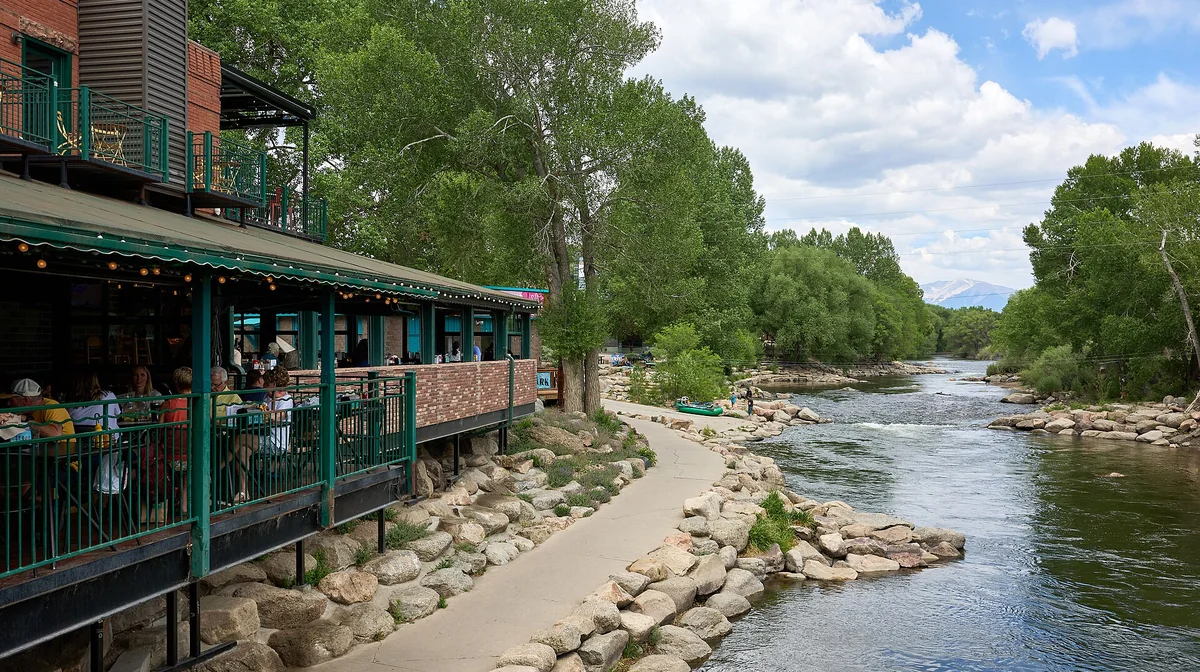
A few of the visual fingerprints we lean into when we shoot, brand and market a Salida property — courtesy of the open Wikimedia Commons archive.
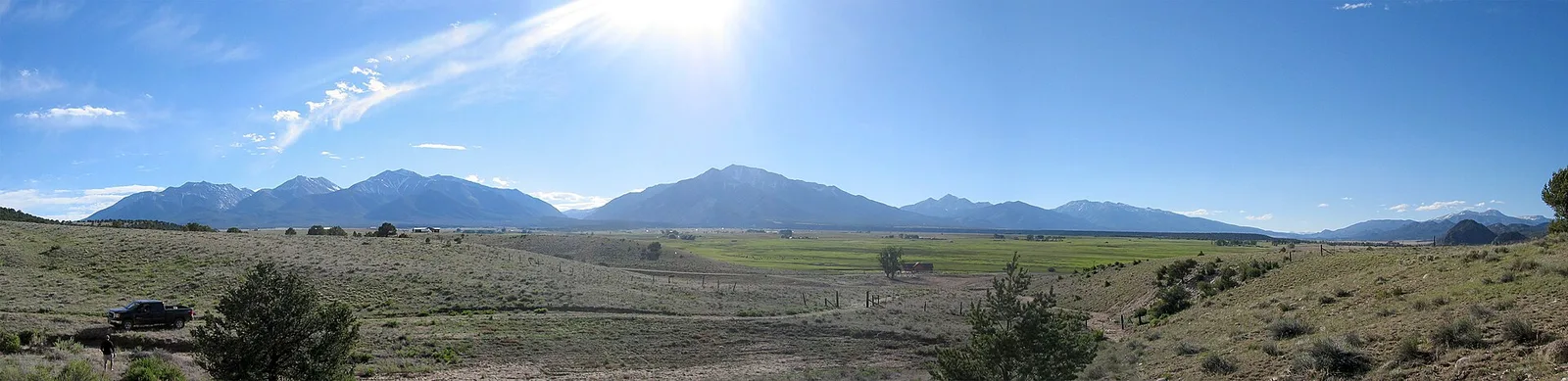
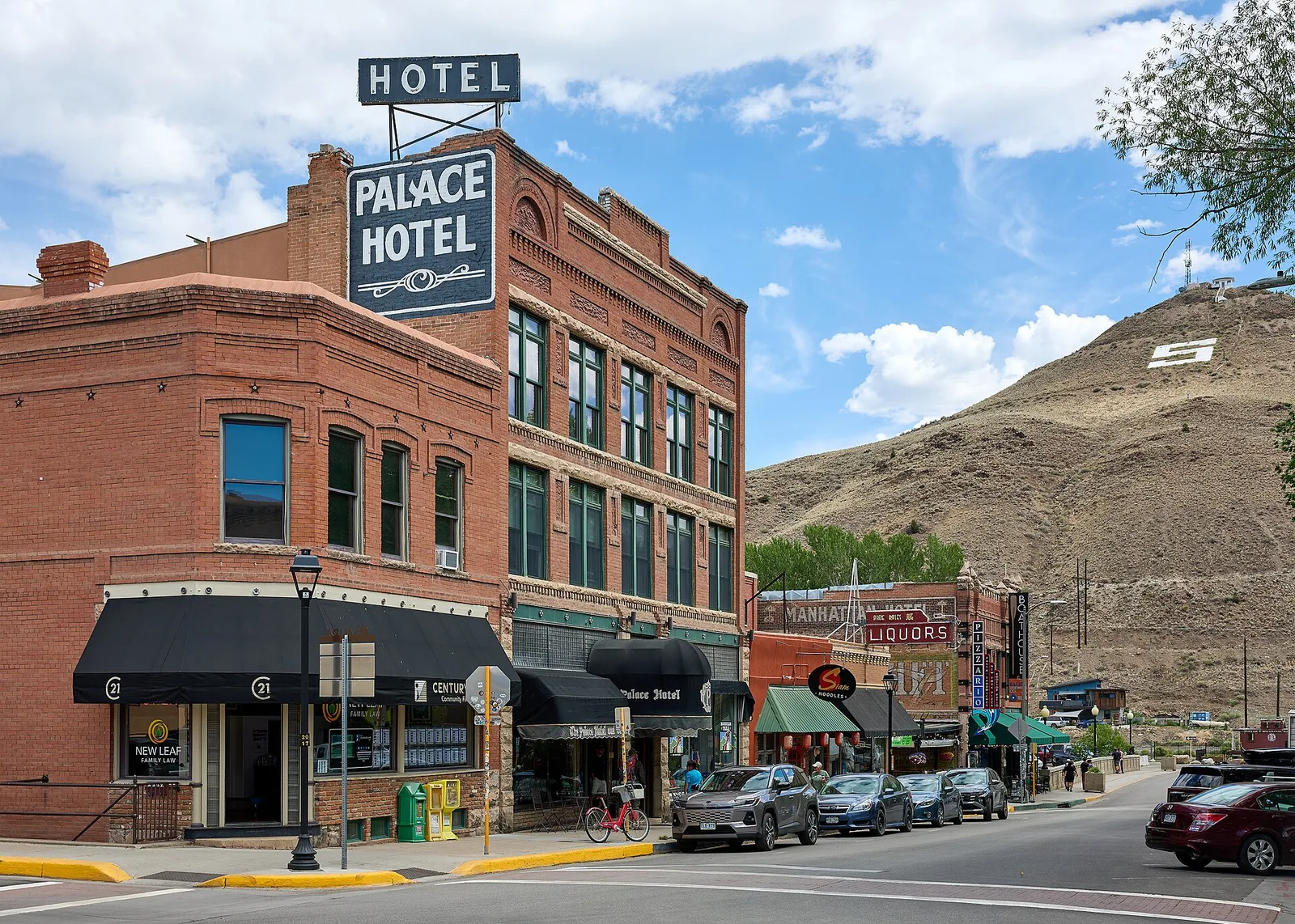
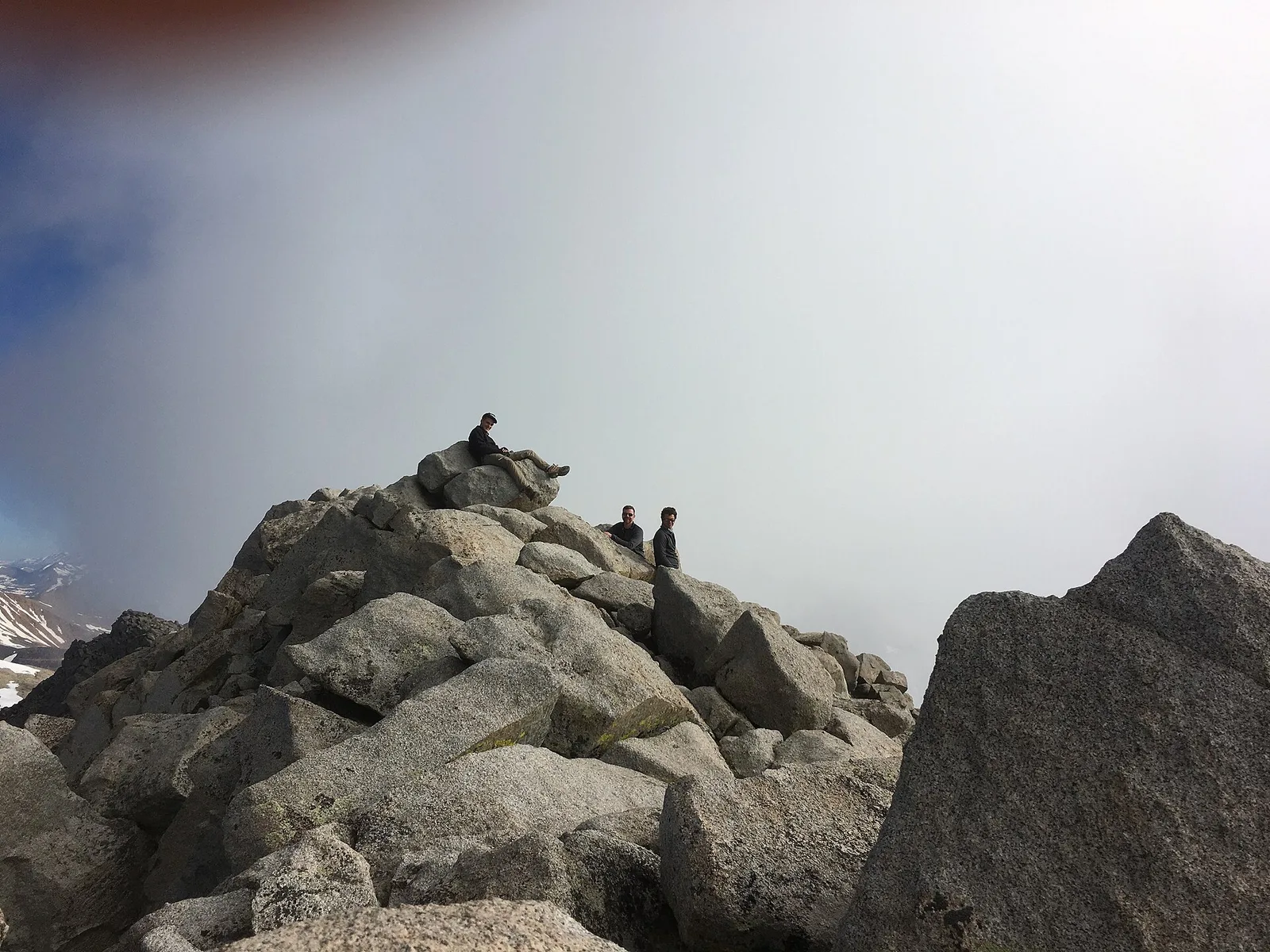
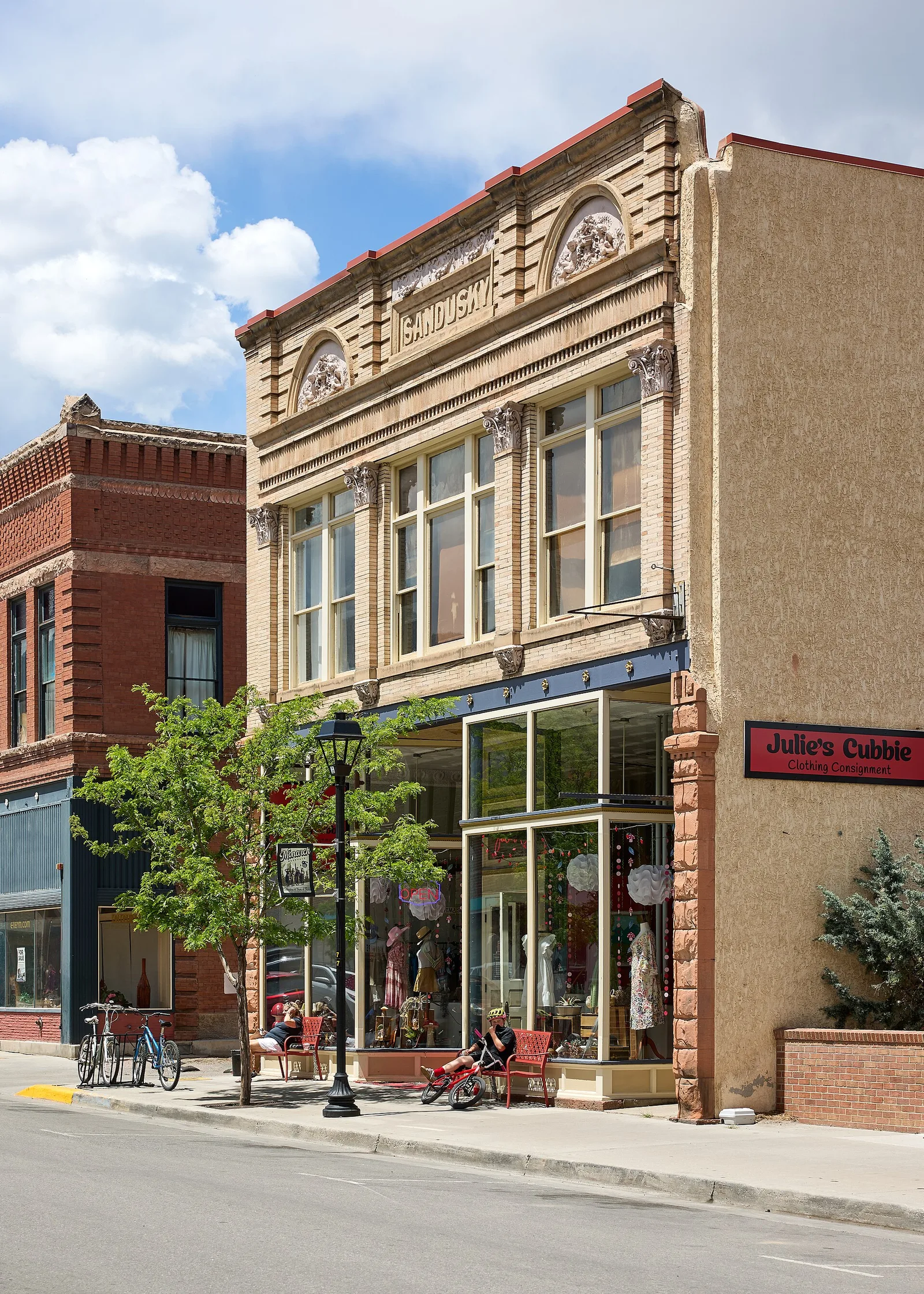
Cavmir markets Salida properties around the river, the downtown and the mountains in the proportions a guest actually cares about. We photograph the property and the town in the light this valley gets in the late afternoon, and we shoot in more than one season because a February skier and a July rafting family are not looking at the same photographs. We write copy with real distances — to the boat ramp, to Monarch, to the hot springs pool, to a table downtown — and we build a direct-booking site that ranks for the Arkansas River, Browns Canyon and Salida searches that already carry volume. We build the email list that turns a summer rafting group into a September aspen weekend. We attack the shoulder months, because that is where an even-seasoned market like this one has room. And we start with your licence — which zone, which cap, whether it transfers — because in Salida that determines everything else. We help position and market your property. We never manage it or touch your keys.
Salida was a railroad town before it was anything else. The Denver and Rio Grande arrived in 1880 heading for the mining camps over the passes, and the town was laid out where the line met the Arkansas River. For the next several decades it was a division point, a smelter town and a supply centre for the mines at Leadville and Aspen and the ranches in the valley. The brick commercial buildings that make up the downtown went up in that period, and because the railroad's decline was slow and the town never boomed again, almost none of them were demolished. Salida now has one of the largest National Register historic districts in Colorado, which is less a matter of preservation policy than of nobody having had the money to knock it down.
The modern identity came from the river. In 1949 a group of locals started a whitewater race down the Arkansas, and that event — First in Boating the Arkansas — became the oldest whitewater festival in the United States and still runs every June. Commercial rafting grew through the 1970s and 1980s until Chaffee County became one of the busiest whitewater destinations in the country by user days, and in 2015 Browns Canyon, the stretch of river north of town, was designated a national monument. Monarch Mountain up on the pass gave the town a winter, without ever becoming a destination resort.
The third layer is the arts. Cheap historic buildings and a mountain setting attracted artists through the 1990s and 2000s, and Salida became one of Colorado's first certified creative districts. That is the town's current character: a real working community with a river through the middle of it, a downtown full of galleries and restaurants, and a housing problem. Short-term rentals grew fast enough to make that housing problem worse, and the city responded with zone-by-zone licence caps that it has continued to revise, most recently in early 2026.
Salida's demand is more evenly spread across the year than most Colorado mountain towns, and the pricing should take advantage of that rather than treating summer as the only season. June through August is the peak, driven by rafting, the river park, the fourteeners and the festival calendar, with the June whitewater festival weekend the single highest-demand date of the year. September is excellent — warm days, aspen colour up the valleys, and a fraction of the crowds — and it is the most commonly underpriced month here. Winter runs on Monarch and on the hot springs and is solid without being spectacular; it is weekend-heavy and conditions-sensitive. Spring, from late March through May, is mud season and genuinely soft. The pricing lever that matters most is the licence structure itself: because supply is capped by zone, a licensed property has more pricing power than it would in an open market, and owners here frequently under-price relative to what constrained supply would support. Set four tiers, carve out the June festival weekend, raise September, discount spring honestly, and remember that the town's occupational lodging tax is charged per bedroom per night, which means your cost structure scales with size in a way it does not elsewhere.
Four working seasons with one soft patch. Summer, June through August, is the peak and close to full on weekends. September and early October are excellent and quieter, with aspen colour and warm days. Late October and November quieten before the snow. Winter, from December through March, runs on Monarch and the hot springs, weekend-heavy and dependent on conditions on the pass. Late March through May is mud season and is the genuinely hard stretch. That distribution — a strong summer, a good autumn, a working winter and one bad quarter — is unusually healthy for a Colorado mountain town and it is the main reason Salida is a better year-round rental market than several better-known names over the passes.
Salida is one of the more tightly structured short-term rental markets in Colorado and the rules are zone-specific, numerically capped and actively revised. The city allocates a fixed number of short-term rental licences within each zoning category rather than a single citywide total. The residential, agricultural and planned-development zones carry one ceiling, the mixed-use downtown zone carries a considerably higher one, the mixed-use highway and centre zones carry another, and the mixed-use neighbourhood zone carries its own. Council amended the short-term rental provisions of the municipal code in February 2026 with the changes taking effect that March, and the city has revisited this framework more than once, so the version that matters is the current one — read it on the city's own site rather than relying on any summary, including this one.
Two features deserve particular attention from buyers. The first is that a residency requirement has applied to applicants in certain zones, with the mixed-use downtown and centre zones treated differently from the residential ones. If you do not live in the area, that may determine which properties you can operate at all. The second is the tax structure: licence holders pay an occupational lodging tax assessed per bedroom per night, filed quarterly. That is an unusual mechanism and it means a five-bedroom property carries a materially different fixed cost per night than a two-bedroom, which should be in your model before you buy.
Outside the city limits, unincorporated Chaffee County runs its own licensing programme with an annual ceiling on the total number of short-term rental licences available county-wide. So a property in the valley but outside Salida is a different application, a different cap and a different set of conditions. Establish which jurisdiction your parcel is in first, then ask that authority in writing whether a licence is available in your zone, whether an existing licence transfers on sale, and what conditions attach. Do not go under contract on an assumption.
Lead with the river or lead with the downtown. Those are the two things guests buy here, and a property that is genuinely walkable to Main Street or genuinely close to the water should say so in the first line rather than at the bottom of the amenities. Second, sell September like it is summer. Aspen colour up toward Monarch and the Collegiate Peaks with seventy-degree afternoons downtown is the best combination this town produces, and it is priced as shoulder. Start marketing it in July. Third, take the hot springs seriously in your guide. The town has the largest indoor hot springs pool in Colorado and there are more up the valley, and it is the answer for a rainy afternoon, a rest day and a cold February evening. Fourth, be specific about Monarch. It is thirty minutes up a pass that gets weather, it is a genuine skier's mountain rather than a resort, and telling guests exactly what that means avoids a mismatch. Fifth, price with the per-bedroom lodging tax in mind rather than discovering it at quarter end. Sixth, mind the altitude in your guest guide. Seven thousand feet affects sleep, hydration and hangovers, and a short honest paragraph about it is the kind of thing guests remember and mention.
The licence caps are the first constraint, and with a residency requirement applying in some zones, an out-of-state buyer may find the market effectively closed in the areas they want. Mud season is a genuine dead quarter. The town's housing pressure means local sentiment toward short-term rentals is not universally warm and the rules have been revised repeatedly, so regulatory risk is live rather than theoretical. Monarch's season depends on snow on the pass and the pass itself closes in weather. And the per-bedroom lodging tax gives larger properties a fixed cost structure that owners from other markets consistently fail to model.
Get a dedicated short-term rental policy with real liability limits — a homeowner's policy will not respond to a paying-guest claim, and in a city that licenses rentals you want your coverage to match what you have told the city you are doing. Colorado specifics matter here. Wildfire is the first: risk ratings across the state have tightened considerably, some carriers have withdrawn from higher-risk areas, and premiums have risen sharply. Get quotes on the specific address early, and understand your property's wildfire rating before you buy. Winter brings frozen pipes and roof snow load at seven thousand feet, and carriers will ask how an empty property is heated and monitored. If guests can access the river from your property, or if you provide any equipment — bikes, boats, gear — ask specifically how that is treated. Hot tubs are common here and are always a named consideration. Ask for guest injury, guest property damage and loss of rental income after a covered event to be confirmed in the policy language.
Salida's structure is unusual and worth getting right from the first quarter. Short-term rental licence holders pay an occupational lodging tax assessed at a set amount per bedroom per night, filed quarterly with the city. That is a fixed cost that scales with the size of your property rather than with your revenue, which means a large house at low occupancy carries a proportionally heavier burden — model it against your realistic calendar, not against a full one. On top of that, Colorado state sales tax applies to lodging, along with county and city sales taxes and any local lodging or marketing district levies that apply at your address. Booking platforms remit some of these on the reservations they process, but the city's occupational lodging tax is your filing. Confirm the current per-bedroom rate and the quarterly deadlines with the city clerk, and keep platform and direct revenue in separate ledgers. In a market with capped licences, a clean filing history is also part of how a renewal is viewed.
The licence is the deciding factor in any Salida purchase intended as a rental. If the cap in your zone is full, or if a residency requirement applies to you, the property is a second home rather than an investment, and no appraisal or lender will surface that — verify it in writing with the city or county before you go under contract. Beyond that, the mechanics are standard Colorado mountain lending with two local wrinkles. Insurance is the first: wildfire ratings have pushed premiums up substantially in parts of the state and a high quote can change a lender's debt-to-income calculation, so get real numbers on the address early. The second is the historic downtown stock — older brick buildings and loft conversions can raise appraisal and financing questions, and a mixed-use building may need a commercial or portfolio product. Second-home financing is cheaper than investment lending and the intended-use question matters. Debt-service-coverage lending is available, but model the per-bedroom lodging tax and a genuinely empty mud season into the numbers rather than an annual average.
Salida rewrote its short-term rental chapter this year, and the caps are now hard numbers. Ordinance 2026-06 passed first reading unanimously in February 2026, and the new limits took effect on March 23, 2026. They're counted by zone district: 85 licences shared across the R1, R2, R3, AG and PD residential, agricultural and planned-development districts, 99 in Mixed-Use Downtown, 50 shared by the Mixed-Use Highway and Mixed-Use Center districts, and 75 in Mixed-Use Neighborhood. That's 309 licences for the whole city. The rewrite was presented as moving the old area caps onto the new zone map with no material change, so a district that was full before is most likely full now. Before you fall for a house, pull its zone district from the city's zoning map, then ask the clerk's office in writing how many licences in that district are issued and whether one is open.
You have to own the property to apply, in every district. Outside downtown you also have to live in Chaffee County, and the 2026 rewrite was drafted to lift that residency rule in the Mixed-Use Center district too, which would leave downtown and the MC district as the only doors open to an owner from Denver or Texas. Ask the clerk which version applies to your address before you rely on it. The same ordinance opened applications all year, where the old rules only took them between May 1 and June 1, and the process starts with the deputy city clerk's office. Two more rules shape any purchase. An owner can hold a single licence, so a second Salida rental can't go in your name, and the licence doesn't pass to a buyer. The house with years of five-star reviews comes without the right to keep renting it: you apply in your own name after closing, under whatever cap your district has that day. Unless the clerk tells you in writing that a licence is open, price the offer as a second home.
Recent city fee schedules put a first licence at about $1,000 plus a $200 administrative fee, and renewal at $1,000 a year; confirm the current figure with the city before you build the budget. The larger cost is the occupational lodging tax: $15 per bedroom per night, reported and paid quarterly through the city's online MuniRevs portal. Run it on a four-bedroom house and you owe $60 for every booked night, whatever the rate was, so a slow Tuesday in April carries the same tax as FIBArk Saturday. That's the case for a rate floor in the shoulder months. Voters approved the tax and the annual licence fee in 2022, with the money going to the city's affordable housing fund, which had collected more than $800,000 by the end of 2023. It has survived two attempts to cut it. In November 2023 voters defeated Question 300, which would have dropped it to $5, and in February 2024 council rejected Ordinance 2024-03, which would have lowered it to $10. Plan on the $15 staying.
Airbnb's Colorado tax page says it collects the state's 2.9% sales tax on stays of 29 nights or fewer, and it lists county lodging taxes and local sales taxes among the Colorado taxes it collects without naming the Chaffee County or Salida rates. It doesn't mention Salida's per-bedroom tax, and it leaves hosts responsible for assessing every other tax obligation, so read your payout reports line by line before you assume anything is covered. The county lodging tax is 1.9%. In November 2025 Chaffee County voters rejected Measure 1A, which would have raised it to 5.9% on all lodging, short-term rentals included, with about 58% voting no. A 2025 state law lifted the ceiling on county lodging taxes from 2% to 6% and widened what the money can fund, so the question can come back. On direct bookings nobody collects for you: state and local sales tax, the county lodging tax and the city's per-bedroom tax are all yours to charge, report and remit. None of this is tax advice for your situation, so sit down with a Colorado accountant who files Chaffee County rental returns before your first quarter.
The valley runs on four rulebooks. Salida, Poncha Springs and Buena Vista each license their own rentals, and everything outside the town limits answers to Chaffee County, so a short drive can change your cap, your residency test and your odds of getting a licence at all. The guests split by place as well. Downtown Salida sells the walk to dinner and the river, Poncha Springs sells the quickest run to Monarch, Buena Vista sells the river trips and the fourteeners, and the county valleys sell hot springs and quiet. Match the property to the guest already searching for that place, and to a licence you can hold. It's the read Cavmir starts from when we market a home here, because in this valley the address decides the story and the paperwork long before the photos do.
Mixed-Use Downtown is the biggest district without a residency test, and its 99 licences cover the brick blocks around F Street, the river frontage by Riverside Park and the whitewater park, and the lofts above the galleries and restaurants. This is the couples market: Front Range weekenders who park once and walk to dinner, the creative-district crowd, and FIBArk weekend, when the river park fills on both banks. The product that wins is a one- or two-bedroom loft or a small historic house, and the per-bedroom tax favours it, because a compact unit carries a small fixed bill. Before you buy, check three things. Read the condo declarations, because an association's rental ban overrides a city licence. Ask the clerk whether the address has held a licence and how many of the district's 99 are issued. And put the noise in the listing: festival nights and summer music on the river carry into upstairs bedrooms, and a guest who was told in advance rarely writes about it in a review.
Off the downtown grid, Salida gets tighter. The residential, agricultural and planned-development districts share 85 licences and the Mixed-Use Neighborhood district has 75, and both require Chaffee County residency, so these blocks mostly belong to locals renting a second house or a room over the garage. That's where the space is: houses with yards, parking for a trailer and a shed for bikes and boats, which rafting families and riders on the Tenderfoot Hill trails ask for first. The Mixed-Use Highway and Mixed-Use Center districts share 50 licences and suit groups who want easy parking and quick access to the highway, with F Street a short drive away. Poncha Springs, at the junction west of town, is the base for Monarch Mountain skiers and Monarch Crest riders, with newer houses in subdivisions such as Tailwinds, which had 17 short-term rentals in January 2025. That month trustees tabled Ordinance 2025-02, allowed renewals only with no new licences until the policy was settled, and weighed a percentage cap (the town administrator recommended 6%, against the town's current 5%), a ban on third-party management and a rule that operators live in Chaffee County more than 51 percent of the time. Ask the town clerk what was adopted before you plan on a property manager.
Up the valley, Buena Vista sells the river and the high peaks: Browns Canyon trips, the Collegiate Peaks fourteeners, Cottonwood Pass and the South Main neighbourhood on the Arkansas. Its guests are rafting groups, hikers on early-start schedules and families on longer summer stays, and the product that wins is a house with gear storage, a mudroom and beds for a crew. The licence is the hard part. Trustees passed Ordinance 9 in October 2025 to cap rentals, then on January 13, 2026 approved a moratorium on new licences set to run until September 2026 unless lifted sooner, so ask the town whether it has ended, been extended or been replaced before you count on one. South of town, Nathrop and Chalk Creek, with Mount Princeton Hot Springs and the road to St. Elmo, are unincorporated county land, and the hot-springs couple and the ghost-town day-tripper are the guests there. The county's 2021 rules capped licences at 6% of the housing stock, recalculated from the August 1 housing count each year and set at 310 at the time, required new owners to be full-time county residents, and stopped a licence from passing to an out-of-county buyer. Check the septic permit's bedroom count and the wildfire rating as well, confirm the current figure with the county, and have a local real-estate attorney read the covenants before you sign.
Regulation is the thing to watch and the direction has been consistent. Salida has capped licences by zone, revised the framework more than once, and most recently amended it in early 2026; a town with a housing shortage and a growing visitor economy does not usually loosen those rules. For existing licence holders that is protective and increases the value of what you hold. For buyers it is the first thing to check and the most common way a purchase goes wrong here. The second thread is the river. Chaffee County's whitewater economy depends on flow, and Colorado snowpack variability has direct consequences for the length and quality of the rafting season — a light year affects outfitters, festivals and demand together. The third is Monarch and the winter, which faces the same snow-dependency question every Colorado ski area does. The encouraging counterweight is that Salida is one of the few Colorado mountain towns with four genuine seasons rather than one, and an owner who markets the autumn and the downtown as hard as the river will be far less exposed to any single one of these than a ski-only property two valleys over.
Salida is a real town that happens to be beautiful, which is rarer in Colorado than it should be. There is a downtown of brick buildings from the 1880s, most of them still standing because nobody ever had the money to replace them, and there are galleries and restaurants and a bike shop in them now. The Arkansas River runs straight through the middle with a whitewater park built into it, so on a summer evening you can sit on the bank and watch kayakers surf a wave while people walk dogs behind you. Behind the town rises Tenderfoot Hill with a giant S on it, and to the west the Collegiate Peaks stack up over fourteen thousand feet. Thirty minutes up the pass is Monarch, which is a proper skier's mountain without a village attached. In the middle of town there is the largest indoor hot springs pool in the state. What we like about marketing here is that it is a four-season market in a state full of two-season towns, and yet most listings sell it as a summer rafting base and go quiet in September. The autumn here is exceptional. The winter works. The downtown gives you something to sell on a rainy afternoon. And because the city caps licences by zone, an owner who holds one has scarce inventory — which is exactly the situation where good marketing produces the largest return, because you are not fighting an endless supply of competitors.
A great property in Salida doesn't just want a listing — it wants a point of view, an audience, and a brand the city itself would recognise.
Eight things for the guest guide. Real names, honest advice — at seven thousand feet the practical details matter more than usual.
Walk the path along the Arkansas at first light with a coffee. The water is loud, the peaks catch the sun before the town does, and you will have it to yourself until about eight.
The good restaurants on F Street fill from June through August and completely on festival weekend. Tell guests to reserve when they book, not when they arrive.
Browns Canyon north of town is a national monument and one of the busiest stretches of whitewater in the country. Book the trip early in the stay and match the section to the group honestly.
The largest indoor hot springs pool in Colorado, right in town. It is the answer for weather, for a rest day and for a cold evening in February.
Aspen colour on the pass with seventy degrees downtown. It is the best week of the year here by a distance and the rates have not worked that out yet.
Shavano and the peaks up the valley are within reach of a fit early start. Tell guests to be off the summit by noon because the afternoon storms here are not a suggestion.
The short road or trail up S Mountain gives you the whole town, the river bend and the Collegiate Peaks in one frame. Sunset, and it is ten minutes from anywhere in town.
Seven thousand feet in town and much higher on the passes. Tell them plainly to drink more water, go easy the first day and expect one bad night's sleep. It is the most useful paragraph in the guide.
Guests who find a Salida rental on Airbnb search its name afterwards, and the page they should land on is the owner’s own site. Cavmir builds vacation rental websites of 40 to 125 pages in the owner’s brand. For a home that only lists on Airbnb, that is a website for your Airbnb: your name and domain, your photos, your area guides and your reviews, with a button that sends guests to the listing. For homes on Hostaway, Guesty or Hospitable it is a direct booking website: live availability and prices from the PMS, the whole stay priced before checkout, and the booking completed in the PMS. Both start from the same vacation rental website design, run the TrollBuster™ compliance scan before launch, and are yours at launch: domain, code, content and photos.
The guide pages of a Salida site can start with the picks on this page: The riverwalk before the town wakes, A Saturday table downtown in summer and The Arkansas River. Each one is a search a guest makes before choosing a home, and each becomes a page that leads to the booking button.
Packages start at $1,475 for the Starter Website (40 pages, two to three weeks) and run to $3,732 for Full with Direct Booking (125 pages, booking synced with your PMS); the current prices are on the pricing page.
A few composite engagements, drawn from how Cavmir typically works with owners in a licence-capped four-season mountain town. Illustrative rather than any one client's file.
A licensed property in a capped zone priced against uncapped cabins up the valley, with no acknowledgement of the walkability that made it different.
Repositioned around the downtown and the river park with photography of the street and the walk, moved September into its own tier, and built a direct-booking site with a seasonal email list.
The property held stronger rates through summer and autumn, and September moved from a discounted tail into a genuine second peak.
Priced per night without accounting for a lodging tax charged per bedroom, so the largest property in the owner's portfolio was the least profitable per booked night.
Rebuilt the rate model around the actual per-bedroom cost structure, repositioned the house for rafting groups and multi-family trips that fill all the bedrooms, and set minimum stays on the weekends those groups travel.
The property started attracting the group bookings its size was built for, improving revenue per bedroom rather than simply revenue per night.
About to buy a valley property assuming a short-term rental licence would be straightforward, without checking cap availability or the residency question.
Established the licensing position in writing with the relevant authority before contract, then built the marketing plan around what the property could actually and legally offer.
The purchase proceeded on accurate information rather than an assumption, and the marketing was built on claims that would survive a licence review.
Demand in Salida peaks around June through August and runs quietest around April. Here is how the year actually books — and what to do about each stretch of the calendar.
June through August is the peak, driven by rafting on the Arkansas, the downtown river park and the fourteeners, with the June whitewater festival weekend the highest-demand date of the year. Because the city caps licences by zone, supply is constrained and rates should reflect that rather than being benchmarked against an open market.
September and early October are excellent — aspen colour up the valleys with warm days downtown — and are the most commonly under-priced weeks here. Winter is a working season on Monarch and the hot springs rather than a shoulder, and should be marketed as such. Both windows respond to Front Range targeting.
Late March through May is mud season and is the genuinely hard quarter. Discount honestly, offer longer stays, and use the window for maintenance and a summer reshoot. Trying to hold summer rates through April simply produces empty nights.
The June festival weekend books months ahead. Summer weekends fill on a three to six week window. Autumn runs shorter, two to four weeks, which is part of why it stays under-priced. Winter moves on snow conditions and can go inside a week.
Two and three-night stays dominate, with longer summer stays for groups doing multi-day river trips. Winter is weekend-led. Midweek is available in summer and autumn and is under-worked.
Licensed properties within walking distance of downtown and the river park are the strongest product, and the zone caps make them scarce. Larger houses that genuinely serve rafting groups and multi-family trips do well but should be priced against the per-bedroom lodging tax rather than per night alone. Historic downtown properties suit couples and should lead with walkability.
Start with photography that shows what a guest actually gets here, then write the listing around a real itinerary rather than a feature list. Build a direct-booking site so returning guests can come back without going through a platform, and keep an email list segmented by season so you can reach last year's visitors before the calendar opens. Local search matters more than people expect in a market this size, because guests search the destination and the attraction rather than the word rental. A marketing agency layer handles the photography, the listing copy, the direct-booking site and the local SEO as one system instead of four disconnected jobs.
June through August is the peak, driven by rafting, the downtown river park and the fourteeners, with the June whitewater festival the single busiest weekend. September and early October are excellent and quieter. Winter is a genuine working season on Monarch and the hot springs rather than an off-season, and late March through May is mud season.
The June festival weekend books months ahead. Summer weekends fill on a three to six week window, autumn runs shorter at two to four weeks, and winter moves on snow conditions and can book inside a week. That mix means autumn is under-priced largely because it books late, not because demand is weak.
The Front Range dominates — Colorado Springs, Denver, Pueblo, Boulder and Fort Collins — with Albuquerque behind them and Denver's airport handling the fly-in share. Almost everyone drives, and the trip is short enough that weekend decisions are made late. Geo-targeting those metros is far more efficient than national advertising.
Walkability to downtown and the river park does the most work, because that is what distinguishes Salida from a cabin up a valley. A hot tub, outdoor space with a grill and storage for bikes and river gear all matter. Parking for several vehicles is genuinely useful for group bookings. Remember that the city's lodging tax is charged per bedroom per night, so price larger properties with that in mind.
Run your Airbnb, Vrbo, or website through Cavmir's free grader. It checks the things that decide whether guests book in Salida — photos, listing copy, page speed, local search — and shows you where bookings leak. Takes about a minute, and there's no sales call attached.
If the report says your booking engine is the weak link, that's fixable: a direct-booking website of your own means repeat guests stop paying platform fees to come back to you. That's the work Cavmir does — see Airbnb website design in Salida.
Send us the listing and we'll tell you what we'd change. Not a pitch deck — a straight read on your photos, your title, your rates against the Salida comp set, and whether a direct-booking site would pay for itself.
You'll hear back from a person, usually inside one business day. If we don't think we can move your numbers, we'll say so. Cavmir is a short-term rental marketing agency — we position and market properties, we don't manage them.
Talk to Cavmir today. We'll show you exactly what your Salida property is leaving on the table — and how fast we can change that.
Book a Free Strategy CallPhotography via Wikimedia Commons (images resized and cropped): Arkansas River Walk in downtown Salida (2026)-104A8147 by Frank Schulenburg (CC BY-SA 4.0) · Palace Hotel, Salida (2026)-104A8134 by Frank Schulenburg (CC BY-SA 4.0) · Sandusky Block, Salida (2026)-104A8170 by Frank Schulenburg (CC BY-SA 4.0).
