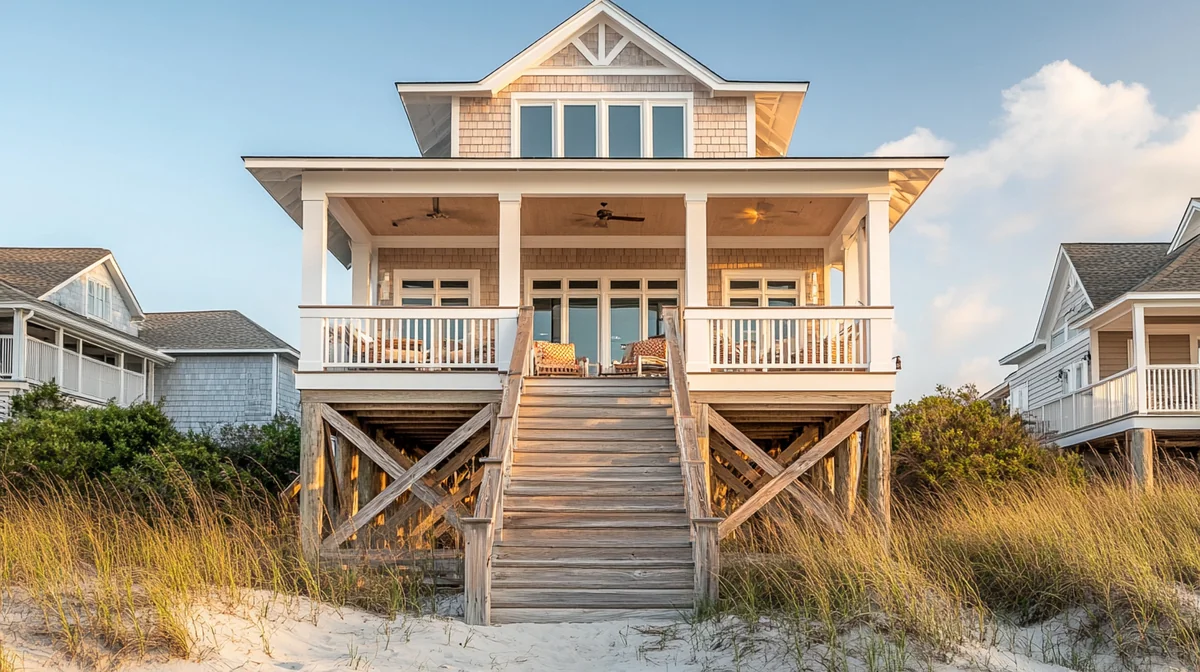
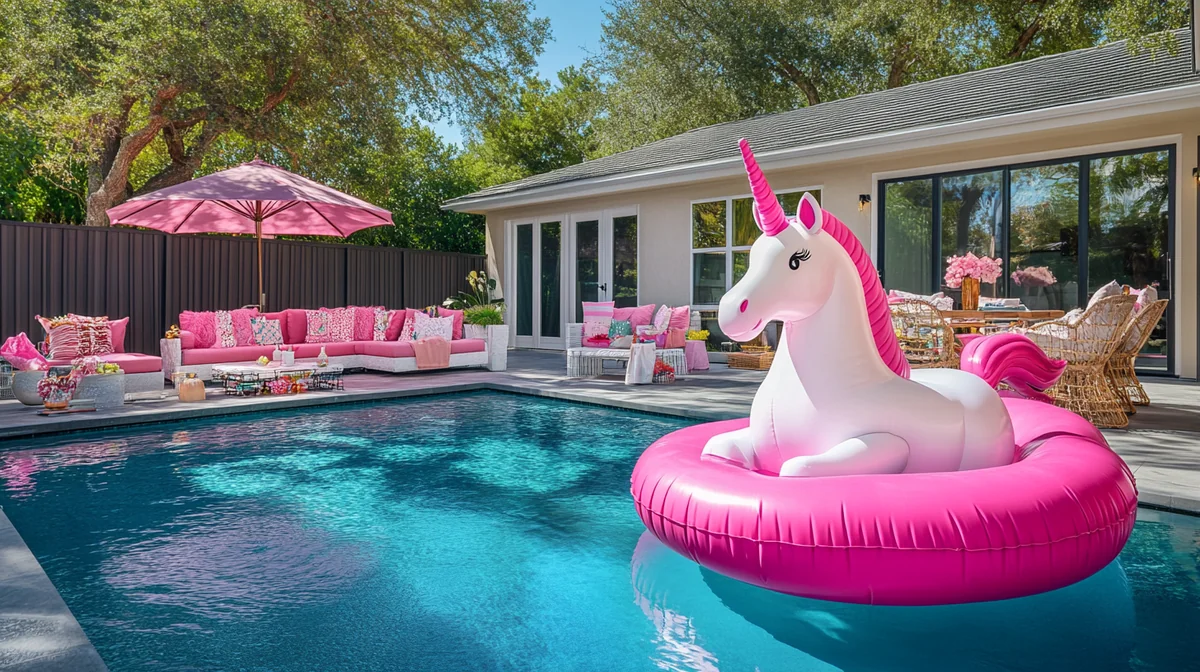

The cards
Recreation Plus
Guests do not get amenity access automatically. Owners enrol, and the number of cards is set by the occupancy limit on file with the county assessor.

Expert short-term rental marketing to grow your bookings and nightly rate in Sunriver, Oregon, USA.
Sixteen services, one team. Everything below is built in-house and scoped to your property and market. Most owners start with the 12-Step System.
Every engagement is quoted to your portfolio. These are the ready-made scopes owners pick most — the AI Efficiency Discount is already applied. A clear proposal within 48 hours.
The work is public. Selected engagements and what changed — and reviews from the owners and managers behind them.
* Market averages. Properties marketed by Cavmir typically exceed these figures by 25–45%. Data sourced from AirDNA, STR market reports, and Cavmir internal analytics.
Sunriver sits in the pines on the Deschutes River about fifteen miles south of Bend, and it is not a town. It is a planned resort community of roughly four thousand homes and lots, built from 1968 on the site of Camp Abbot, an Army Corps of Engineers training camp that operated for barely a year during the Second World War. The camp's officers' club survived, and it is now the Great Hall at Sunriver Resort, a log building with a river-rock fireplace at either end that predates everything around it. What the developers laid out around it is unusual for the American West: a circulation plan that puts cars on curving lanes and bicycles on their own network, with something over thirty miles of paved paths that go essentially everywhere, so that children here move around independently in a way they do not in most places. There is a village centre, a nature centre with an observatory, marinas on the river, golf, and a large aquatic and recreation centre called SHARC. The Cascades are close: Mount Bachelor is about twenty miles up the Cascade Lakes Highway. And every one of those amenities is governed by an owners association rather than a city council, which is the single most important thing to understand before buying here.
Sunriver is unincorporated Deschutes County, so there is no city hall in the picture at all. The county requires you to register with its Tax Office and obtain a Certificate of Authority number before you advertise a property, with the fee reported at $300 initially and $150 on renewal, and it applies an 8% transient room tax on top of Oregon's 1.5% state transient lodging tax. County occupancy rules run at two people per bedroom plus two. Then the Sunriver Owners Association layers on the part that actually decides your revenue. Renters do not get SROA amenity access automatically. Owners enrol in the Recreation Plus Program, which issues cards giving guests access to SHARC aquatics, disc golf, tennis and pickleball reservations and the SROA boat launch. The number of cards you receive is based on the occupancy limit on file for your house with the Deschutes County Assessor. That is an unusual chain of causation and worth reading twice: a county property record determines how many of your guests can swim. Recreation Plus cards also do not admit renters to the member-only parts of SHARC, including the fitness centre and the Hosmer Living Room, which is the single most common source of disappointed guests here. Enrolment requires a Deschutes County transient room tax number, so the two systems are linked.
Nearby Markets: Bend | Mount Hood | Portland
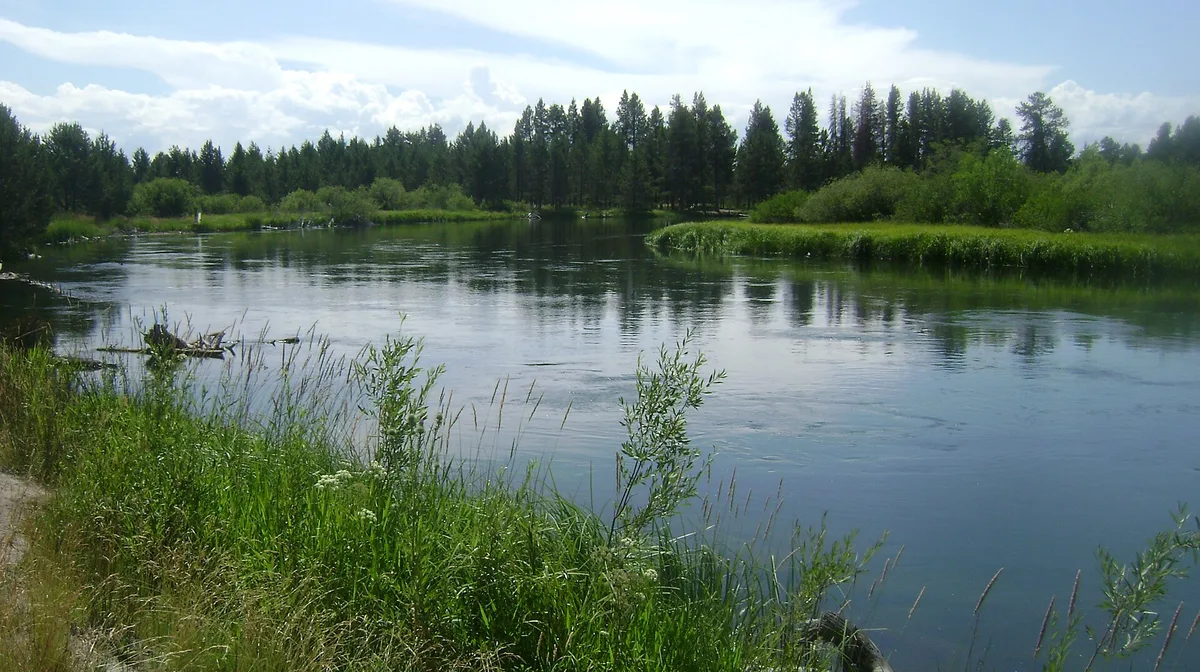
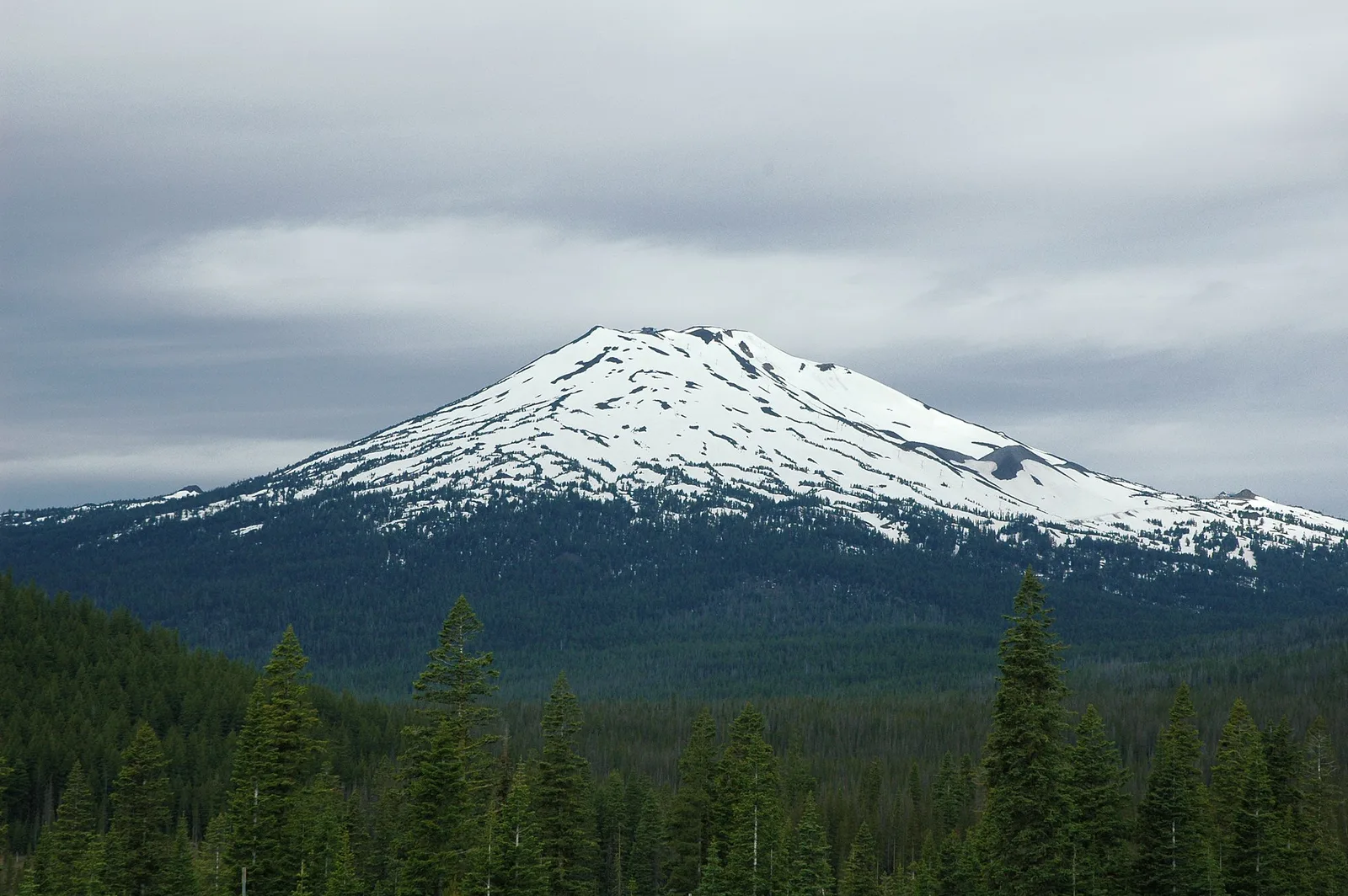
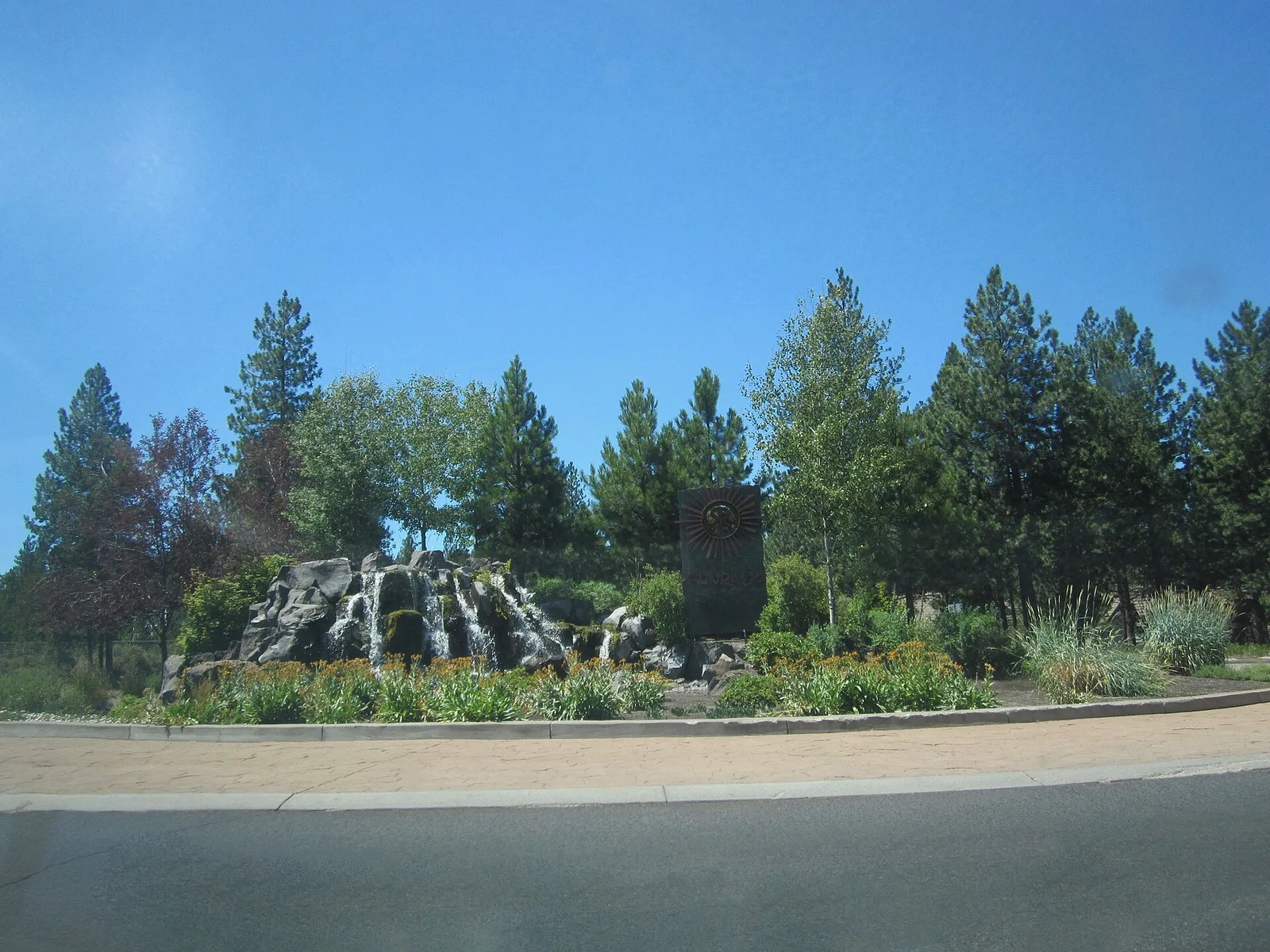
A few of the visual fingerprints we lean into when we shoot, brand and market a Sunriver property — courtesy of the open Wikimedia Commons archive.
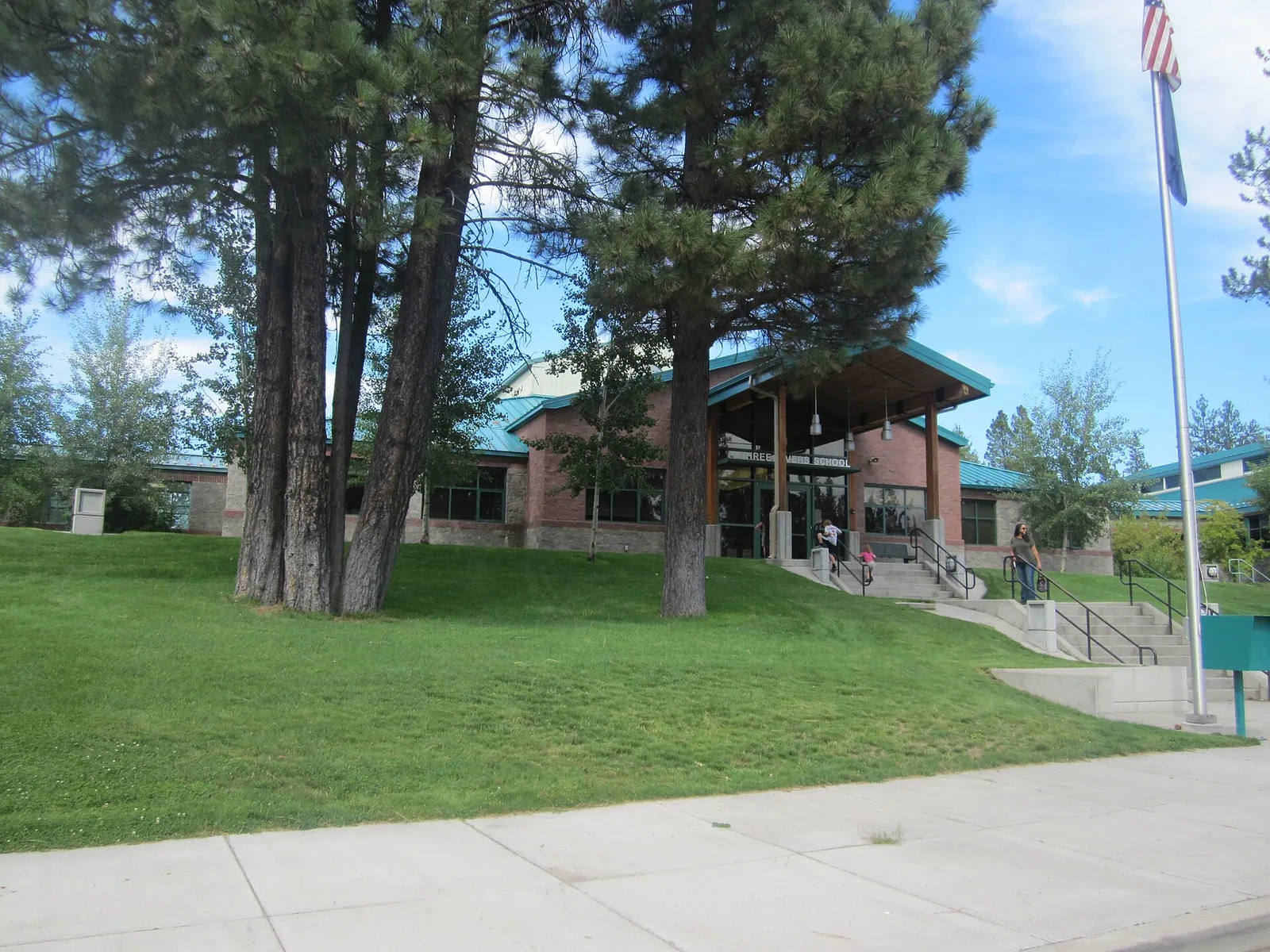
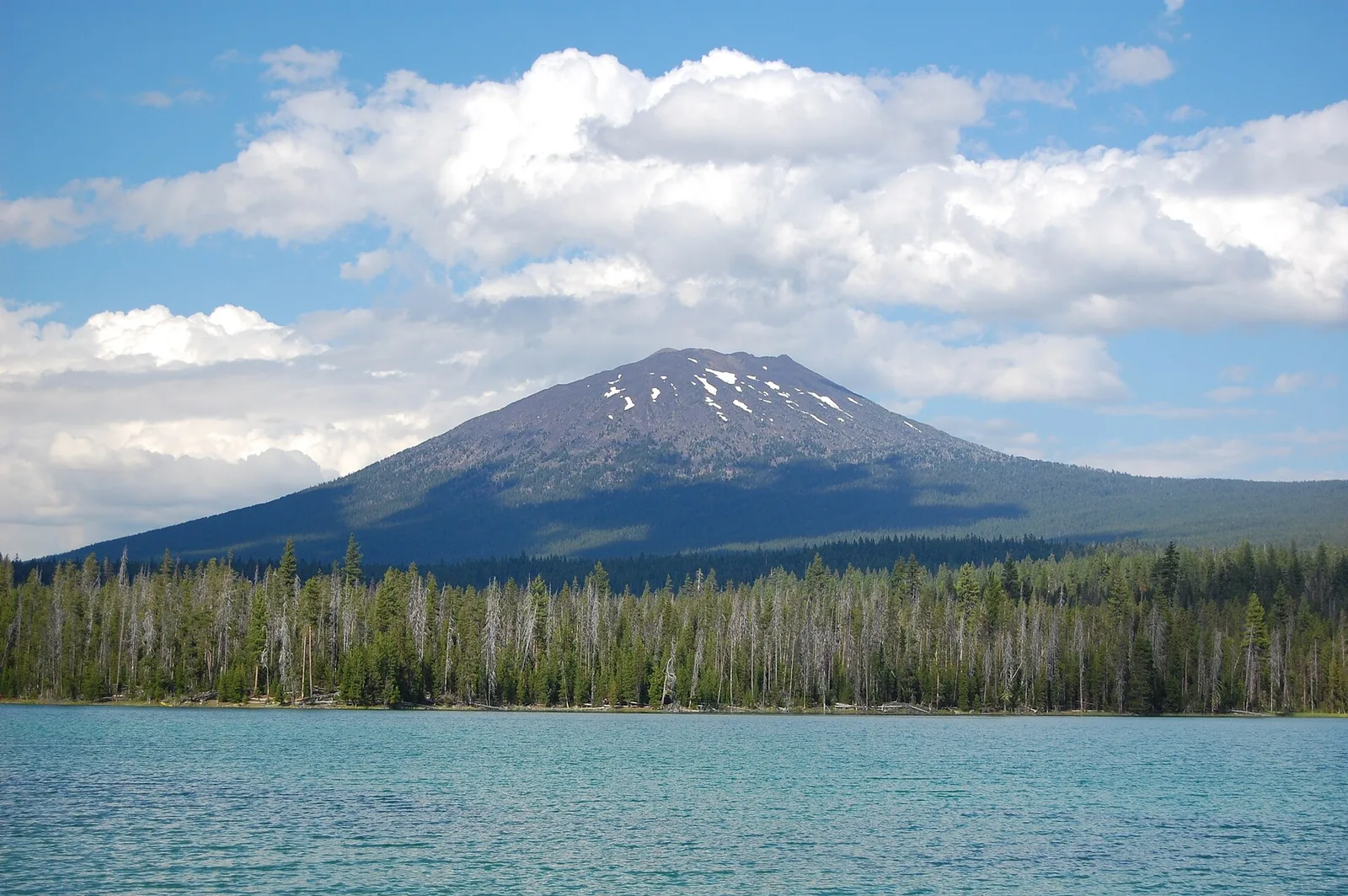
Cavmir markets Sunriver properties as what guests are actually buying, which is a week of access rather than a house with beds in it. Families choose Sunriver over Bend precisely because of the paths, the pool, the river and the fact that a ten-year-old can ride to the village alone, and a listing that leads with countertops is answering a question nobody asked. We write the amenity position in plain language: how many Recreation Plus cards come with your house, what those cards do and do not open, where the bikes are, whether the path to SHARC is five minutes or fifteen. Getting that right removes the complaint this market generates more than any other. We photograph the property in both of its seasons, because a summer gallery is invisible to the Mount Bachelor family booking in January and a snow gallery says nothing to the June guest planning a float on the Deschutes. Then we build a direct booking site that can hold the whole thing, including a real map, and run local search against the phrases families type when they are choosing between Sunriver and somewhere else entirely. Repeat rates here are high because families come back to the same week for years, so we keep that list and use it. We help position and market your property. We never manage it or touch your keys.
In 1942 the Army Corps of Engineers built Camp Abbot in the pines south of Bend to train combat engineers, throwing up a training city for around ten thousand men on ground that had held nothing but lodgepole and ponderosa. It operated for a little over a year. When the war ended the camp was dismantled almost completely, and one significant building survived: the officers' club, a log structure with a river-rock fireplace at each end, built by the engineers themselves. It is still standing, and it is now the Great Hall at Sunriver Resort. The land sat quiet for two decades until John Gray and Donald McCallum bought it and began developing Sunriver in 1968. What they built was unusual for its time and is the reason the place still works. Instead of a grid, they laid curving lanes that discourage speed, and then they built a separate bicycle network, now something over thirty miles of paved path, that connects the houses to the village, the river, the nature centre and the meadow without ever putting a child on a road. They kept the meadow open. They put the commercial buildings in one place. The result is a community where children have a degree of independence that has become genuinely rare in America, and that single design decision, made before most of today's guests were born, is still the reason families choose Sunriver over a house in Bend. The Sunriver Nature Center opened in the 1960s and the Oregon Observatory grew alongside it, taking advantage of some of the darkest accessible skies in the state. SHARC, the aquatic and recreation centre, opened in 2012 and changed the amenity picture again.
Sunriver prices in weeks, not nights, and owners who fight that lose money. The core booking is a family taking a house for six or seven days in summer or over a school holiday, and minimum stays of five to seven nights in peak are normal here rather than aggressive. Summer, from late June through Labor Day, is the strongest period and should be priced early and firmly. The winter peak is different in character: Christmas through New Year is the highest-rate week of the year, Presidents' weekend and spring break are hard short peaks, and the rest of the ski season depends on Mount Bachelor conditions and books on shorter notice. What decides the rate within any given week is bedrooms and amenity access rather than finish level. A house that genuinely sleeps ten, with bikes for everyone and a full complement of Recreation Plus cards, outperforms a smarter house that sleeps six. Hot tubs are close to mandatory rather than a differentiator. The two shoulder windows, roughly April to mid-June and October to early December, are the real challenge, and the honest answer there is longer stays, midweek pricing and going after a different guest entirely: remote workers, cyclists, and the astronomy visitors the observatory draws in the dark months. Do not discount peak to solve shoulder. It does not work and it teaches your repeat guests to wait.
Two clear peaks and two genuine troughs. Summer runs from late June through Labor Day and is the strongest stretch, driven by families, the river and the bike paths. Winter peaks hard over Christmas and New Year and again at Presidents' weekend and spring break, with the rest of the season tied to Mount Bachelor's conditions. April through mid-June and October into early December are quiet, cold and slow. Central Oregon's high desert climate means big daily temperature swings and genuinely cold nights even in summer, which surprises guests from the coast and is worth mentioning in the listing rather than in a review.
Sunriver is unincorporated Deschutes County, so there is no city government involved and two authorities matter instead. The first is the county. Owners must register the property with the Deschutes County Tax Office and obtain a Certificate of Authority number before advertising it, with the fee reported at $300 initially and $150 on renewal. The county levies an 8% transient room tax and requires it to be registered and remitted even where a booking platform is also collecting on your behalf, which is a distinction that catches people out. Oregon adds its own 1.5% state transient lodging tax. County occupancy rules cap a property at two people per bedroom plus two additional. The property must also meet applicable land use, building and wastewater standards, which in this area means septic capacity is a real constraint on bedroom count rather than a formality. The second authority is the Sunriver Owners Association, and for day-to-day operations it matters more. SROA administers the amenities, and renters do not get access to them by virtue of being in a Sunriver house. Owners enrol in the Recreation Plus Program to obtain cards for their guests, covering SHARC aquatics, disc golf, tennis and pickleball court reservations and the SROA boat launch. The number of cards issued is based on the occupancy limit on file for the property with the Deschutes County Assessor, so a county record you may never have looked at determines how many guests can use the pool. Recreation Plus cards do not admit renters to member-only areas including the SHARC fitness centre and the Hosmer Living Room. Enrolment requires a county transient room tax number, tying the two systems together.
State the Recreation Plus position in the listing, in numbers. How many cards come with the house, what they open, and what they do not. The fitness centre and Hosmer Living Room exclusion is the most common disappointment in this market and it is entirely preventable with one sentence. Second, sell the bike path network as the product it is. Families choose Sunriver over Bend because a child can ride to the village unaccompanied, and that is worth more than any interior upgrade. Say how many bikes come with the house, what sizes, and whether there are helmets. A house with eight working bikes in the right sizes will beat a smarter house with none. Third, be precise about location within Sunriver, because the community is large and the difference between a five-minute ride to SHARC and a twenty-minute one is a real one for a family with small children. Use the circle names and give the actual ride times. Fourth, shoot both seasons. A summer-only gallery is invisible to the January guest and vice versa, and this is a market where both peaks matter. Fifth, mention the cold. High desert nights get genuinely cold even in July and guests from milder climates arrive underdressed; saying so is hospitality, not a disclaimer. Sixth, remember the observatory. Dark skies are one of the few things Sunriver has that Bend does not, they work in shoulder season when you need help, and almost nobody markets them.
The shoulder seasons are long, cold and genuinely hard to fill, and they are the main reason annual returns here trail the summer numbers people quote at each other. Amenity access is the most common source of complaints and it is governed by rules the owner does not control. The housing stock is largely from the seventies and eighties, so many properties need real investment to compete with newer inventory, and building in a resort community means design review. Septic capacity limits what you can do with bedroom counts. And competition is dense: there are thousands of homes here and a great many of them are rentals, so an average listing disappears completely.
A Sunriver rental needs a policy that names short-term rental use and carries liability limits appropriate to a house full of guests using bikes, a hot tub and, in many cases, river access. The regional exposure that matters most is wildfire; Central Oregon is forested, fire seasons have lengthened, and insurers are underwriting it with increasing care. Defensible space work, roof and vent specifications and the condition of the surrounding fuel load all feed into what you pay, and documenting them is worth the effort. If bikes are supplied with the house, ask specifically about liability for them, because guests will ride with children on a shared path network and cover is not automatic. The same goes for a hot tub, which should be scheduled with its fencing and cover arrangements confirmed. Freeze damage is the other Central Oregon claim that recurs: nights get cold enough to burst pipes in a house left empty between bookings, and your policy language around vacancy and heating requirements is worth reading closely before winter rather than after. Use a broker who writes Deschutes County vacation rentals regularly.
Deschutes County levies an 8% transient room tax on stays of thirty consecutive days or less, and Oregon adds a 1.5% state transient lodging tax, so the visible lodging tax here is 9.5%. Oregon has no general sales tax, which keeps the guest-facing total materially lower than in most western resort markets and is worth saying out loud when guests are comparing Sunriver against California or Colorado. Registration with the county Tax Office comes first: you need a Certificate of Authority number before you advertise, and the county's position is that you register and remit even when a booking platform is collecting room tax on your behalf, so do not assume the platform has discharged your obligation. The Certificate fee is reported at $300 initially and $150 on renewal. Keep the county registration, the SROA Recreation Plus enrolment and your insurance renewals on one calendar, because they fall at different points in the year and the amenity enrolment is the one people forget until a guest is standing at the SHARC desk. Ask your accountant about federal and Oregon treatment of the rental income and about how personal-use days are counted if the family also uses the house.
Financing a Sunriver property is usually straightforward compared with the rest of this wave, because the market is deep, comparable sales are plentiful and lenders in Central Oregon understand vacation rentals well. The main variables are how much of the projected rental income a lender will count and whether you are treating the house as a second home or an investment property, which changes both the deposit and the rate. SROA assessments are a real monthly figure and underwriters will include them in affordability calculations alongside taxes and insurance, so get the current numbers before you model anything. Older properties, and much of the stock here dates from the seventies and eighties, can trigger additional survey requirements around roofs, decks, wood stoves and septic systems; septic capacity in particular is worth understanding early because it constrains what the house can legally sleep. Wildfire-driven insurance costs feed into the affordability picture and have been rising, so obtain an indicative quote before you are deep into a purchase. A Bend-based mortgage broker will know which lenders are comfortable with resort-community assessments.
Sunriver's structure gives it unusual stability. The community is built out, the association owns and maintains the amenities, and there is no mechanism by which a large amount of new competing inventory appears. Demand is anchored to Bend's growth, to Mount Bachelor and to the fact that the bike path network keeps producing loyal families who return for the same week over many years. The things worth watching are wildfire and its knock-on effect on insurance costs, which is the single biggest medium-term threat to returns across Central Oregon; water and septic constraints, which shape what can be built and how many people a house can hold; and Deschutes County's ongoing attention to short-term rental registration, which has tightened over time and is likely to keep doing so. On the association side, amenity policy is set by SROA and can change, so an owner whose business case depends entirely on guest access to SHARC should follow those decisions rather than assume them. The strategic answer in a market this competitive is the same as it has been: own the relationship with the families who already come, so that your calendar is not decided by search ranking every January.
Sunriver is one of the few places in America where a nine-year-old can leave the house after breakfast with a bike and a friend and not be seen again until dinner, and where that is normal rather than negligent. The reason is a design decision made in 1968: cars go on curving lanes that discourage speed, bicycles go on their own paved network, and the two barely meet. Something over thirty miles of path connects the houses to the village, the meadow, the river and the pool without ever requiring a child to ride on a road. Parents notice within about a day, and it is the single reason families come back to the same week here for a decade at a stretch. The setting helps. This is high desert with ponderosa on it, so the air smells like warm pine in July and the nights get genuinely cold even in mid-summer, which means fires in August without anyone thinking it strange. The Deschutes runs along the eastern edge, slow and cold and good for floating. Mount Bachelor is twenty miles up the Cascade Lakes Highway. And because Central Oregon has some of the darkest accessible skies in the country, the observatory at the nature centre can put a serious telescope on Saturn and let a queue of children look at it. Then there is the Great Hall, a log building with river-rock fireplaces that soldiers built as an officers' club in 1942 and that outlasted the entire army camp around it. Everything else here is fifty-something years old. That building watched it all arrive.
A great property in Sunriver doesn't just want a listing — it wants a point of view, an audience, and a brand the city itself would recognise.
Eight things that decide whether a Sunriver guest has the week they were imagining, most of which have nothing to do with the inside of the house.
Guests do not get amenity access automatically. Owners enrol, and the number of cards is set by the occupancy limit on file with the county assessor.
Recreation Plus cards do not open the SHARC fitness centre or the Hosmer Living Room. Say so in the listing, not at the front desk.
More than thirty miles of paved path, separated from traffic. Say how many bikes come with the house and in what sizes.
The aquatic and recreation centre is the anchor amenity for families. State the ride time from your front door in minutes.
Built by Army engineers in 1942 as the Camp Abbot officers' club and the only significant structure to survive the camp.
About twenty miles up the Cascade Lakes Highway, and the reason the winter peak exists at all.
Dark skies and public telescopes at the nature centre. One of the few things Sunriver has that Bend does not.
Summer afternoons are warm and the same night can be near freezing. Guests from the coast arrive underdressed every single year.
The three examples below are composite and illustrative. They reflect patterns common across resort communities with association-controlled amenities rather than any single Sunriver client, and no real business is described.
A five-bedroom got good summer bookings and a recurring category of complaint: guests arrived at the recreation centre expecting full access, found the fitness centre closed to them, and took it out on the review.
We put the Recreation Plus position into the listing in numbers, spelled out what the cards open and what they do not, and repeated it in the pre-arrival message rather than burying it in a house manual.
The complaint category disappeared within a season. Nothing about the property changed; the expectation was simply set before arrival instead of after.
An owner had one set of photographs, taken in July, and used them year round. Winter enquiries were thin and the Christmas week, which should be the highest-rate week of the year, kept selling late and cheap.
We shot the property in snow, built a separate winter presentation around Mount Bachelor and the drive, and marketed the holiday weeks in autumn rather than in December.
The holiday period moved from a late discount to an early sell-out, and the winter shoulder began producing enquiries the property had never previously seen.
A well-finished four-bedroom competed on interiors against hundreds of similar houses and could not explain why it kept losing to plainer properties nearby.
We identified the missing amenity, and once bikes in a range of sizes were added we rebuilt the listing around the path network, ride times to the village and the pool, and what a day here actually looks like for a family.
The property stopped being compared on finish level and started being chosen for the thing families come to Sunriver for in the first place.
Demand in Sunriver peaks around July through August and runs quietest around April, May and October. Here is how the year actually books — and what to do about each stretch of the calendar.
Two peaks and both matter. Late June through Labor Day is the family summer season and the strongest stretch, with five to seven night minimums normal rather than aggressive. Christmas through New Year is the highest-rate week of the year, followed by Presidents' weekend and spring break. Set both far in advance and hold them.
There is not much of a true shoulder here, which is the honest thing to say. Late spring and early autumn hold some demand from cyclists, anglers and remote workers, and the dark-sky months suit the observatory audience. Longer stays and midweek pricing do more than nightly discounts.
April to mid-June and October into early December are genuinely thin, cold and slow. Do not discount peak to solve them. Go after a different guest with monthly and extended-stay pricing, use the window for maintenance and a second-season photo shoot, and accept that some weeks will not fill.
Summer and the Christmas week book furthest out, often close to a year for returning families who rebook the same week before leaving. General ski-season demand is much shorter and depends on Mount Bachelor conditions. Shoulder-season bookings are close to last-minute.
Weekly stays are the norm in summer and over the holidays, and five to seven night minimums in peak are standard here rather than unusual. Winter outside the holidays is shorter and more storm-driven. The quiet months belong to monthly and extended stays.
Bedroom count and amenity access beat finish level here every time. A house that genuinely sleeps ten, with bikes in the right sizes and a full complement of Recreation Plus cards, will outperform a smarter house that sleeps six. Location within the community matters: state the ride time to the village and the pool.
Start with photography that shows what a guest actually gets here, then write the listing around a real itinerary rather than a feature list. Build a direct-booking site so returning guests can come back without going through a platform, and keep an email list segmented by season so you can reach last year's visitors before the calendar opens. Local search matters more than people expect in a market this size, because guests search the destination and the attraction rather than the word rental. A marketing agency layer handles the photography, the listing copy, the direct-booking site and the local SEO as one system instead of four disconnected jobs.
Two peaks. Late June through Labor Day is the family summer season and the strongest run of the year. Christmas through New Year is the highest-rate week, followed by Presidents' weekend and spring break on the back of Mount Bachelor. April to mid-June and October into early December are genuinely quiet and cold.
Summer weeks and the Christmas period book furthest out, often close to a year ahead, because returning families rebook the same week before they go home. General ski-season demand is much shorter and depends on conditions at Mount Bachelor. Shoulder-season bookings are close to last-minute.
Mostly a drive market from Portland, the Willamette Valley and Seattle, with Boise in range too. Redmond's airport nearby handles a growing fly market from California and the southwest. Portland families are the most valuable single segment and are worth targeting directly rather than as part of a broad Northwest campaign.
A hot tub is close to mandatory. Bikes in a range of sizes matter more than owners expect, because the separated path network is the reason families choose Sunriver at all. Guest amenity cards, gear storage, a full kitchen and fast wifi all convert. State the ride time to the recreation centre in minutes.
Run your Airbnb, Vrbo, or website through Cavmir's free grader. It checks the things that decide whether guests book in Sunriver — photos, listing copy, page speed, local search — and shows you where bookings leak. Takes about a minute, and there's no sales call attached.
If the report says your booking engine is the weak link, that's fixable: a direct-booking website of your own means repeat guests stop paying platform fees to come back to you. That's the work Cavmir does — see Airbnb website design in Sunriver.
Send us the listing and we'll tell you what we'd change. Not a pitch deck — a straight read on your photos, your title, your rates against the Sunriver comp set, and whether a direct-booking site would pay for itself.
You'll hear back from a person, usually inside one business day. If we don't think we can move your numbers, we'll say so. Cavmir is a short-term rental marketing agency — we position and market properties, we don't manage them.
Talk to Cavmir today. We'll show you exactly what your Sunriver property is leaving on the table — and how fast we can change that.
Book a Free Strategy CallPhotography via Wikimedia Commons (images resized and cropped): Deschutes River at Sunriver by Smithers7 (CC BY-SA 3.0) · Mount Bachelor closeup by DimiTalen (CC BY-SA 3.0) · 2017-07-12 Sunriver 01 by Kingofthedead (CC BY-SA 4.0) · 2017-08-15 Sunriver 35 by Kingofthedead (CC BY-SA 4.0) · Mt Bachelor by Amateria1121 (CC BY-SA 3.0).
