
Coffee & First Light
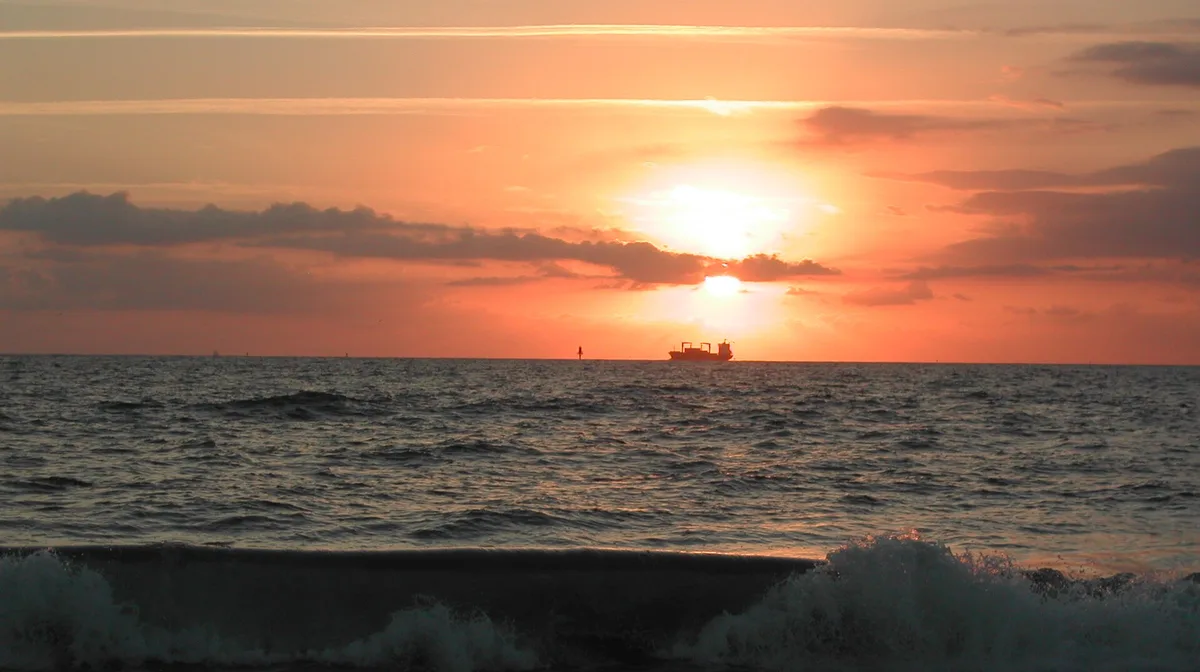
North beach before the day starts
Walk out at the north end around sunrise with a coffee. The lighthouse is behind you, the ships come through the channel close in, and the beach is empty. Best free thing on Tybee.

Expert short-term rental marketing to grow your bookings and nightly rate in Tybee Island, Georgia, USA.
Sixteen services, one team. Everything below is built in-house and scoped to your property and market. Most owners start with the 12-Step System.
Every engagement is quoted to your portfolio. These are the ready-made scopes owners pick most — our Fall Special (55% off list or more) is already applied to the website, King Broker, Hotels and à la carte scopes. A clear proposal within 48 hours.
The work is public. Selected engagements and what changed — and reviews from the owners and managers behind them.
* Market averages from AirDNA and STR market reports. A single home's numbers depend on its size, its location and how it is marketed.
Cavmir is an Airbnb marketing agency. We build the brand, the direct-booking website and the marketing for short-term rentals in Tybee Island.
Tybee Island is Savannah's beach, eighteen miles east of the city at the mouth of the river, and it is a genuine island town rather than a resort strip. Three miles long, a few thousand permanent residents, a lighthouse that has been guiding ships since the eighteenth century, a fishing pier, a Civil War fort at the bridge and a back river where the shrimp boats work. The architecture is beach cottages on stilts, mid-century blocks and newer houses, and almost all of it is within a few minutes' walk of sand. Demand comes overwhelmingly from Atlanta, from Savannah itself, from the Carolinas and from Florida, and it is drive-to, family-heavy and repeat-driven — the same families come back to the same street year after year. What makes this market complicated right now is regulation. Tybee has been actively reworking its short-term vacation rental rules, with permit caps by zone under discussion and litigation from property owners in progress. Anyone operating here needs to be current, not approximately current.
Tybee's season is long and its peak is intense. From April through September the island fills on weekends and much of the summer books solid, with July the ceiling. October is genuinely strong — warm water, fewer people, and the pirate festival weekend that fills every bed. Winter is quiet but not dead; the island has a steady trickle of couples, snowbirds and Savannah overflow, and the New Year's Day plunge and the spring parade weekends are real dates on the calendar. The competitive picture is dense: this is a small island with a lot of rental inventory, much of it managed by established local companies with decades of repeat guests, and a new owner arriving with a platform listing and three photographs is starting from a long way back. The differentiators that actually work here are location precision — which block, which side of the island, how many steps to sand — and the quality of the photography, because a beach cottage looks like every other beach cottage until someone shoots it properly. On the regulatory side, permits are required and renewed annually alongside an occupational tax certificate, parking allowances are tied to your off-street spaces, and the city has been working through amendments that would set hard density caps by zone. Verify the current rules before you buy and before you list.
Nearby Markets: Savannah | Hilton Head | Charleston
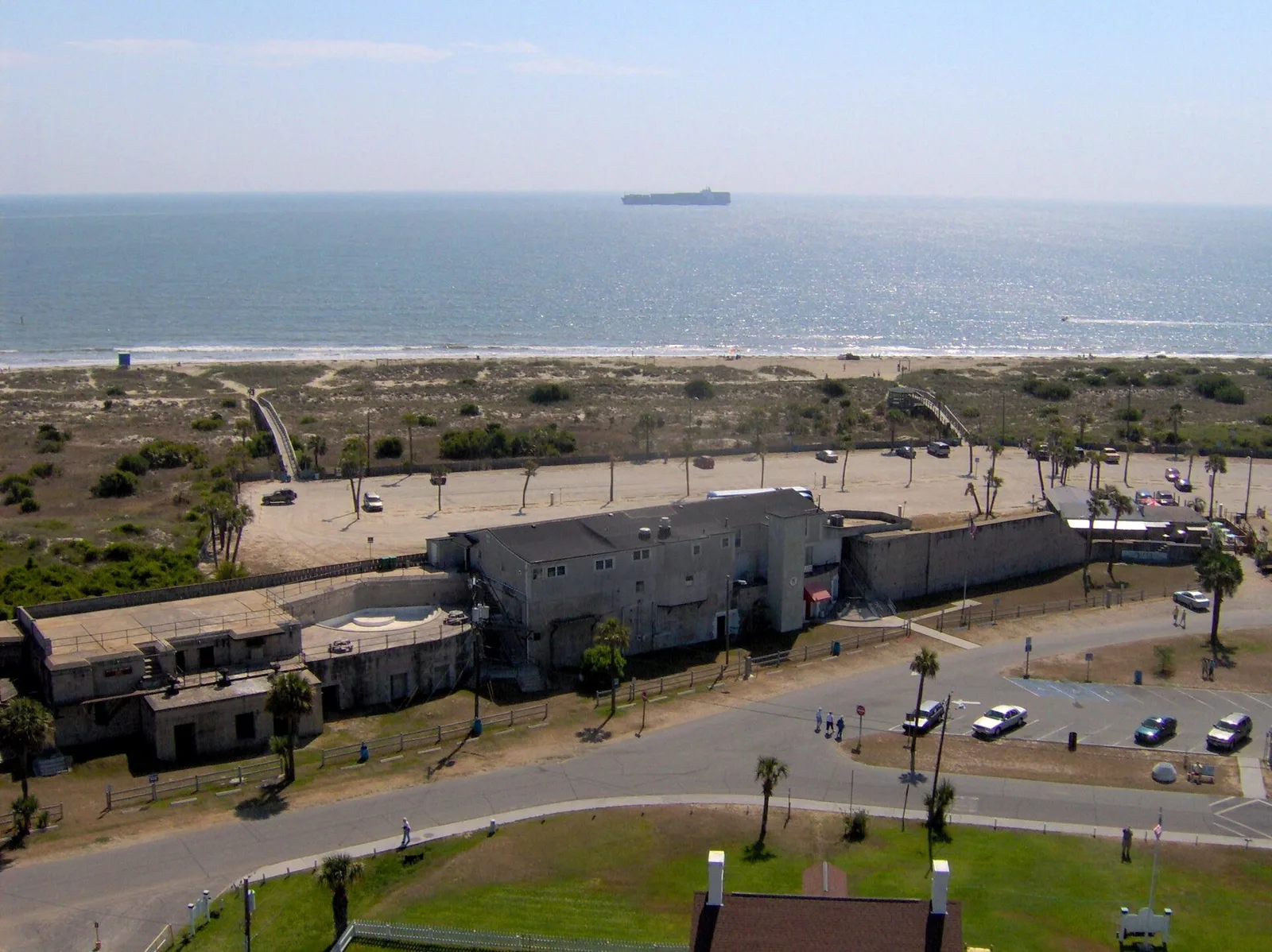
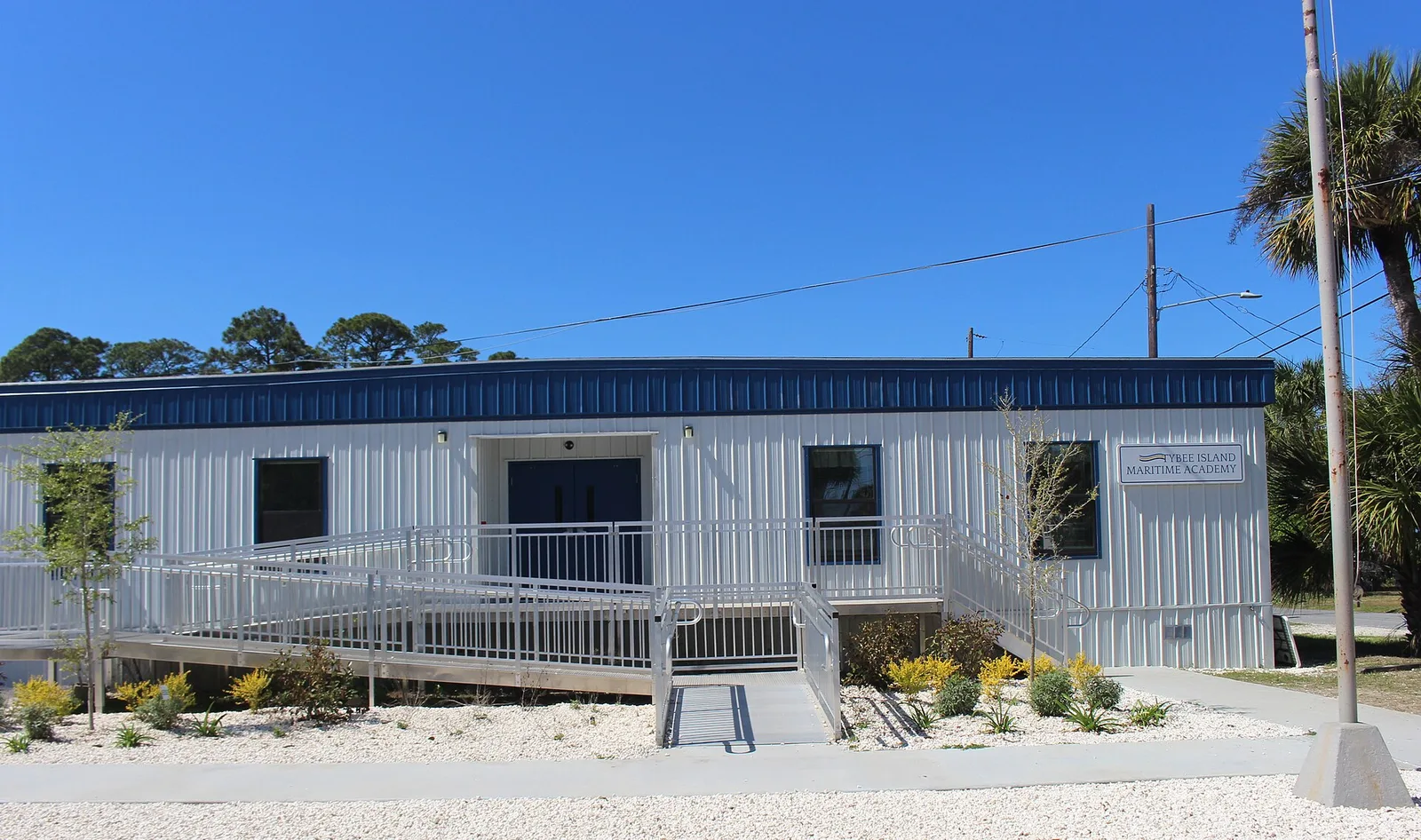
A few of the visual fingerprints we lean into when we shoot, brand and market a Tybee Island property — courtesy of the open Wikimedia Commons archive.
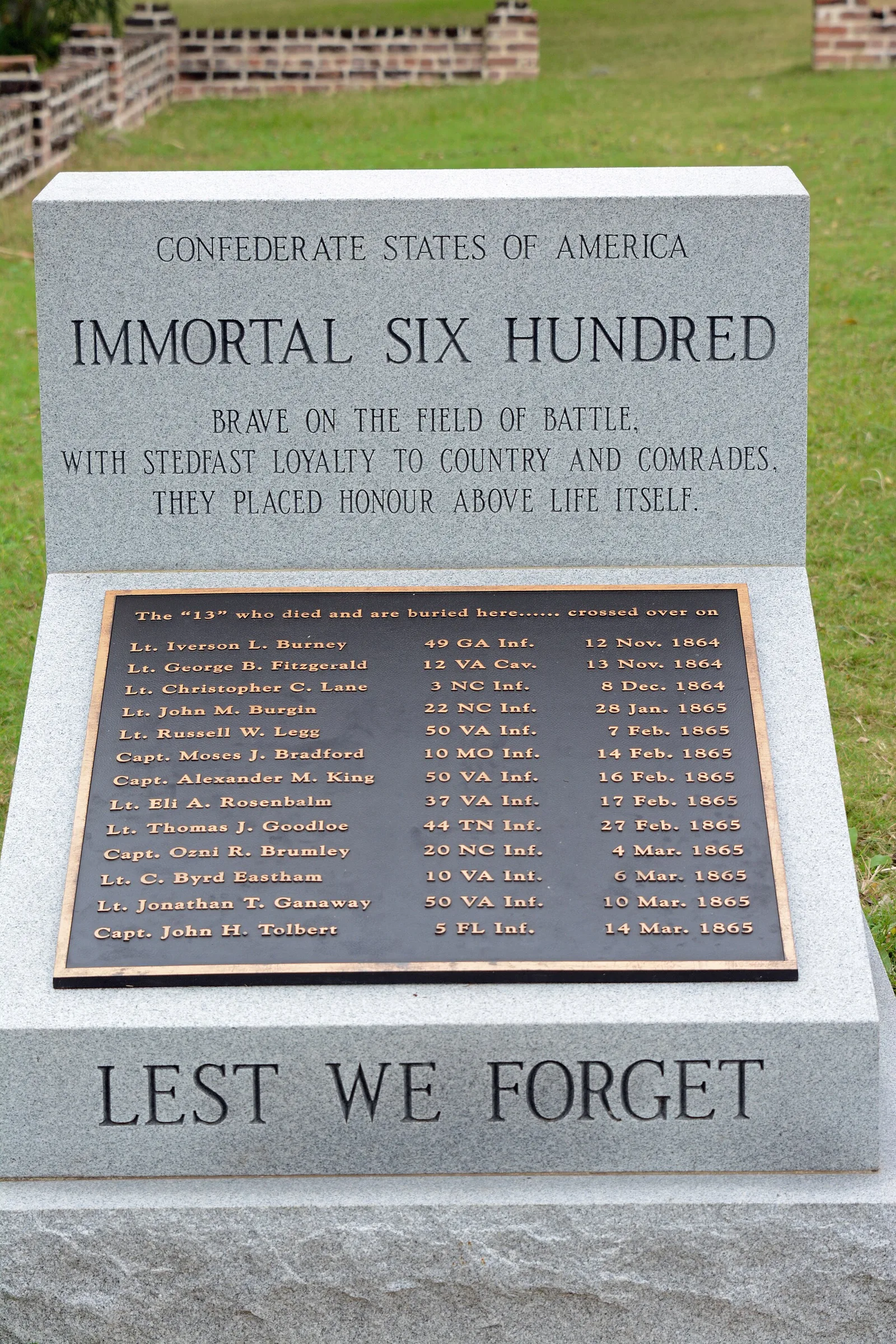
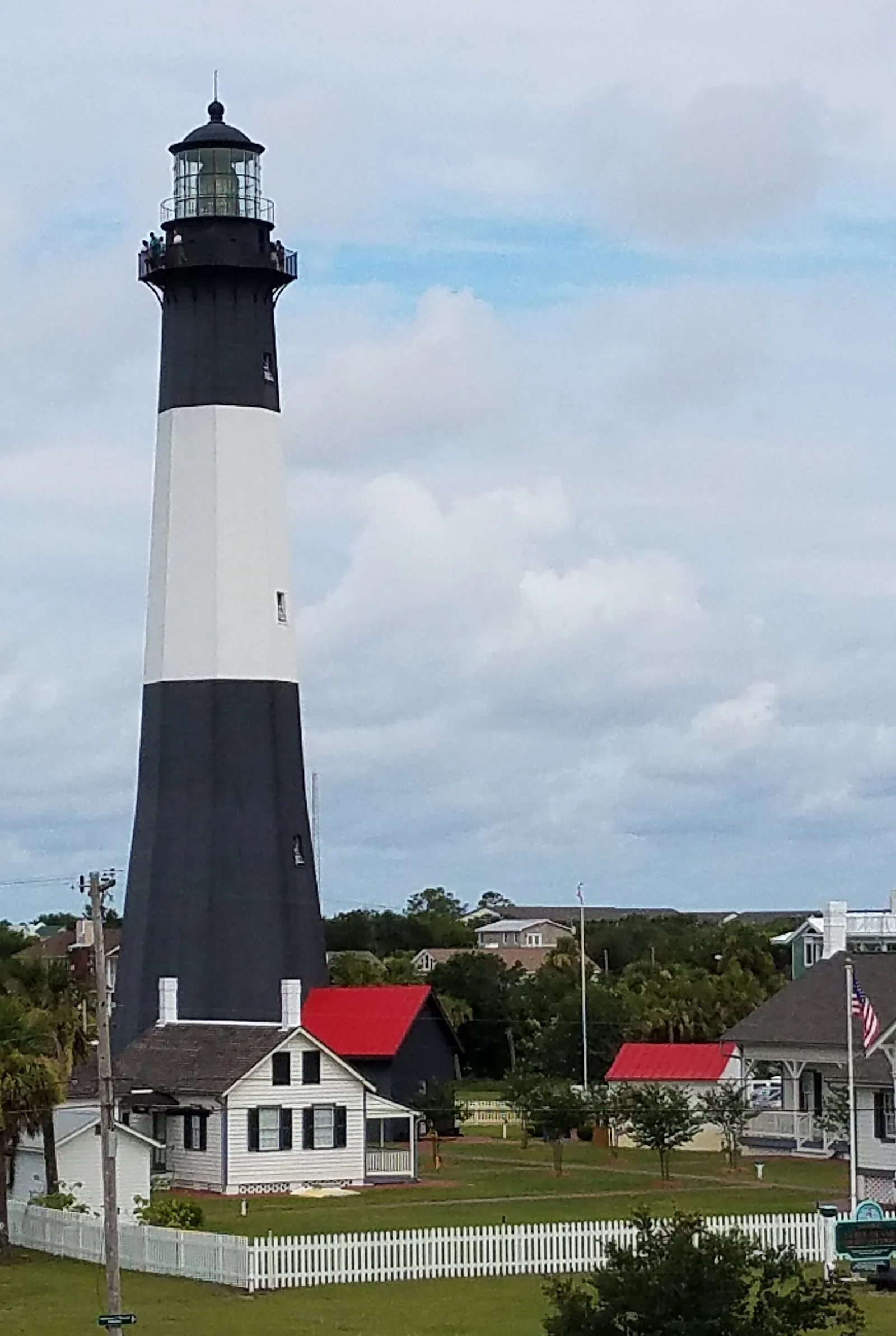
Cavmir markets Tybee properties against the thing guests actually choose on: how close, how good, how easy. We photograph the house and the walk to the beach so a family in Atlanta can see exactly what their morning looks like, and we shoot in the light that makes an island house look like a holiday rather than a listing. We write copy with real block-level detail instead of steps to the beach, which every competitor says. We build a direct-booking site so the family that has come three years running books you directly next year, and we build the email list that makes that happen. We run local search and paid campaigns aimed at Atlanta, the Carolinas and north Florida, and we build a real October and shoulder-season position rather than treating the year as summer plus nothing. We take your permit, your renewal dates and your parking allowance seriously, because on this island those things determine what you can legally advertise. We help position and market your property. We never manage it or touch your keys.
Tybee has been Savannah's beach since a little railroad first ran the seventeen miles of marsh out to the sand in 1887. The crowds arrive differently now. Cavmir writes the modern chapter.
Tybee has been a navigation problem and a defensive position for far longer than it has been a beach. A light has stood at the mouth of the Savannah River here since the 1730s, one of the earliest in the American colonies, rebuilt more than once against storms and war; the tower standing today carries an eighteenth-century base with a nineteenth-century upper section. Fort Pulaski, out at the bridge, is the more consequential piece of history. In April 1862 Union forces used rifled cannon against its masonry walls from Tybee, breached them in about thirty hours, and effectively ended the era of masonry coastal fortification worldwide. The fort is a national monument now and the breach is still visible.
The beach economy started with the railroad and the steamboats in the late nineteenth century. Savannah families came down for the summer, a pavilion and a pier were built, and by the 1920s Tybee had a dance hall, a hotel strip and a reputation. The name went back and forth for decades — it was officially Savannah Beach for much of the twentieth century before reverting to Tybee Island — and the town kept a slightly ramshackle, unpolished character that it still trades on. There are no high-rise resorts. The stock is cottages on stilts, mid-century blocks and newer houses filling in the gaps, and much of it has been in the same families for generations.
Short-term rentals arrived on top of that existing beach-house culture and grew fast enough to become the island's central political issue. Tybee has been working through permit requirements, density questions and zone-by-zone caps for several years now, with proposals, amendments and litigation from property owners all live at once. That argument is not a footnote here. It is the single most important thing an owner or a buyer needs to be current on.
Before the platforms, the Tybee Railroad carried a quarter-million people a year out to the sand, the Tybrisa Pavilion filled its nights with dancing, and for decades the island was marketed simply as Savannah Beach. The channel changed; the work is identical: presentation, positioning, and an easy escape from the city. It is the same business Cavmir is in today.


Images: Creative Commons and public domain via Wikimedia Commons — Brian Stansberry, DXR, and others.
Tybee's calendar is longer than most southeastern beach markets and the shape rewards owners who price all of it rather than just July. Summer, from Memorial Day through Labor Day, is the peak, with July at the top and weekly bookings common for larger houses. Spring is genuinely strong — March through May has good weather, spring break traffic and the parade weekend before Memorial Day — and autumn is arguably the best value proposition on the island, with warm water into October and the pirate festival weekend filling every bed. December and January are quiet but supported by couples, longer stays and the New Year plunge weekend. The strategic questions are minimum stays and turnover. Weekly summer bookings reduce your cleaning cost per night and suit family groups; nightly weekend pricing in shoulder seasons catches Savannah overflow and couples. Most owners run one policy year-round and lose on both ends. The other pricing lever specific to this island is parking. Your permitted guest parking is tied to your off-street spaces, and a property with genuine parking for three cars is worth materially more to a family group than one with a single space — that should be reflected in your rate, not buried in the listing details.
A long season with a hard summer peak. June through August is the core, with July the strongest month and weekly bookings dominant. Spring, from March through May, is strong and growing, helped by spring break and the parade weekend. September and October are excellent — water still warm, crowds gone, and one major festival weekend. November and December quieten, with a small holiday bump. January and February are the softest, though the island never fully empties because Savannah is eighteen miles away and the town has a small but steady off-season following. The available growth here is not July, which is largely sold, but the shoulder months where prices are soft and marketing is nearly absent.
This is the part of the Tybee story that changes fastest, so treat anything you read — including this — as a prompt to call the city rather than as a final answer. The framework in place requires a short-term vacation rental permit for each property, with an annual fee, and requires that permit to be renewed every year alongside an occupational tax certificate. The city extended the 2026 renewal deadline from 31 March to 31 May. Parking is regulated as part of the permit: the number of guests and vehicles a rental may host is tied to its designated off-street parking spaces, which is one of the more consequential operational rules on the island because it directly limits which properties can serve large family groups.
The bigger question is density. The city has been working through amendments that would place hard caps on how many short-term rentals are permitted in residential areas, divided by zone — a substantially higher allowance in the eastern and southern zones nearest the beach and the commercial district, and a much lower one in the western and northern residential zones — while adding a defined number of additional permits. That proposal has moved through public process in stages, and in January 2026 property owners filed suit over the island's short-term rental rules. As of now the picture is genuinely unsettled: an existing permitted rental has real value precisely because the future supply is uncertain, and a buyer counting on obtaining a new permit in a low-density zone is taking a risk that may not pay.
Practical steps. Before you buy, confirm with the City of Tybee Island whether the specific property holds a current permit, whether that permit transfers on sale, what parking allowance attaches to it, and what the current cap status is in that zone. Get it in writing. Keep your renewal and your occupational tax certificate current without exception — in a market this contested, an administrative lapse is an expensive mistake. On tax, Georgia state sales tax applies, Georgia's per-night state hotel-motel fee reaches marketplace-booked short-term rentals, and the city levies a local hotel-motel tax; confirm the current local rate with the city directly.
Say which block. Every listing on this island says steps to the beach and guests have stopped believing any of them. Name the street, name the crossover, give the walk in minutes, and put a photograph of the actual walk in the listing. That one change outperforms almost anything else you can do here. Second, lead with parking if you have it. It is a permitted, regulated, limited thing on Tybee and a family bringing two cars has been burned before. Third, shoot the house in evening light and shoot the beach at the right end of the day — north beach at sunset with the lighthouse behind is the island's best photograph and hardly anyone uses it. Fourth, build a real October. The water is warm, the crowds are gone, the festival weekend is a genuine draw, and the pricing on the island in October is soft because owners treat it as over. Fifth, capture the repeat guest properly. This is a market where the same families return to the same street annually, and if you are not emailing them in January you are paying a commission every year for a booking you already earned. Sixth, brief guests on the island's rules — parking, noise, dune crossings, glass on the beach. The permit environment here rewards owners whose guests do not generate complaints.
Regulatory uncertainty is the defining risk, with density caps under active revision and litigation in progress. Beyond that, this is a barrier island: storm exposure, evacuation orders during hurricane season, flood insurance costs and beach erosion are all real line items rather than abstractions. The market is competitive and mature, with established local rental companies holding decades of repeat guests. Parking limits constrain which properties can serve large groups. And summer heat, humidity and afternoon storms are part of the actual product in a way the photographs never show.
A barrier island in Georgia is a serious insurance conversation and the numbers are large enough to change whether a purchase works at all. Start with a dedicated short-term rental policy carrying real liability limits, then work through the coastal specifics with a local agent rather than a national call centre. Windstorm coverage is frequently separate on the coast and carries a percentage deductible that can run into tens of thousands on a beach house — know the number before hurricane season, not during it. Flood insurance is separate again and is essential here; get the current flood-zone determination and elevation certificate, and understand that elevation on a stilt house significantly affects the premium. Read your loss-of-rental-income provision carefully, including how it treats a mandatory evacuation order, because evacuations on this island are a routine part of some seasons. Pools, hot tubs, decks, dune walkovers and any beach equipment you provide should all be declared. Ask for guest injury and guest property damage to be confirmed in the policy language.
Georgia state sales tax applies to short-term accommodations, and Georgia's per-night state hotel-motel fee reaches short-term rentals booked through a marketplace facilitator following the 2021 change in state law. The City of Tybee Island levies its own local hotel-motel tax; confirm the current rate with the city rather than relying on a third-party summary. Your permit renewal is tied to holding a current occupational tax certificate, so the tax and licensing sides of this are formally linked — falling behind on one puts the other at risk. Booking platforms collect and remit portions of the state and local lodging taxes on the reservations they process, but not on your direct bookings, which is exactly the revenue a marketing programme is designed to grow. Register first, set the filing calendar, and keep platform and direct revenue in separate ledgers. Have your accountant confirm which taxes apply to your specific bookings.
Buying on Tybee involves three checks most inland purchases do not. The first is insurance: windstorm and flood premiums on a barrier island can be large enough to reshape a lender's debt-to-income assessment, so get real quotes on the specific property early rather than estimating. The second is elevation and construction: stilt houses, older slab-on-grade cottages and properties in different flood zones price very differently for insurance and can appraise differently too. The third, and the one buyers most often skip, is the permit. In a market with zone-based caps under active revision, whether a short-term vacation rental permit exists for the property and transfers on sale is central to its value as an investment, and no appraisal will establish that for you — confirm it with the city in writing before closing. Second-home lending is cheaper than investment-property lending and the intended-use question matters. Debt-service-coverage products are available for buyers scaling. Model the insurance realistically; on this island it is one of the biggest annual costs.
The regulatory question dominates everything else. Tybee has been moving toward zone-based density caps with a defined ceiling on residential-area rentals, litigation from owners is in progress, and the outcome will determine both supply and the value of existing permits for years. The most likely long-run direction is a formally capped market, which protects current permit holders and raises the barrier for new entrants. Watch the council agendas rather than the summaries. The second thread is physical. Barrier islands face erosion, storm frequency and rising insurance costs, and Tybee has been through renourishment cycles and evacuation seasons repeatedly; those costs will keep rising and will weigh most on the lowest and most exposed properties. The third is demand, which remains strong and structurally supported by Savannah's tourism and by an Atlanta market four hours away. The available growth is in the shoulder months, in direct relationships with repeat families, and in serving groups well within the parking rules — not in adding another summer week to a calendar that is already full.
Tybee is not a resort and it has never pretended to be. There are no towers, the houses stand on stilts with sand in the driveways, the pier is a pier rather than an attraction, and the whole island is three miles long. You can walk from the back river to the ocean side in about fifteen minutes. At the north end there is a lighthouse that has been working since the 1700s and a beach where container ships pass close enough that you can read the names on them. At the south end there is the pier and the busier sand. In between it is beach cottages, cats on porches, and a couple of bars that have not been renovated in decades and should not be. Eighteen miles up the road is Savannah, which means guests can have a squares-and-restaurants day without checking out. What we like about marketing here is that the guest is loyal in a way beach markets rarely are. Families come back to the same street for a decade. That makes the direct-booking and email work genuinely valuable — you are not chasing a new customer every year, you are keeping one you already earned. And the presentation gap is enormous. Nearly every listing on the island says the same three words about the beach, and the ones that instead name their block, show the walk and shoot the north end at sunset stand out immediately.
A great property in Tybee Island doesn't just want a listing — it wants a point of view, an audience, and a brand the city itself would recognise.
Eight things for the guest guide. Real names and honest answers, because on a small island the details are the whole experience.
Walk out at the north end around sunrise with a coffee. The lighthouse is behind you, the ships come through the channel close in, and the beach is empty. Best free thing on Tybee.
The island's kitchens are small and they fill from June through August. Tell guests to book ahead or eat early — and give them one back-up on the back river side.
Sandbars, shrimp boats and far fewer people than the ocean side. Locals go there. Send guests with a note about the tide chart and they will thank you.
At the foot of the bridge, ninety minutes indoors and out, and the story of how rifled cannon ended masonry forts in 1862. The breach in the wall is still there.
The water is still warm, the summer crowds are gone, and the island is at its most pleasant. It is the best fortnight of the year here and it is priced as if it were not.
An undeveloped island south of Tybee, larger than Tybee itself, reachable by kayak with an outfitter. It is the trip guests talk about afterward.
The classic Tybee photograph and one almost no listing uses. Late light, the tower behind the dunes, a ship in the channel if you are lucky.
Parking is regulated here and tied to your permit. Say exactly how many vehicles you can take and where they go, with a photograph. It prevents the single most common arrival problem on the island.
Guests who find a Tybee Island rental on Airbnb search its name afterwards, and the page they should land on is the owner’s own site. Cavmir builds vacation rental websites of 40 to 125 pages in the owner’s brand. For a home that only lists on Airbnb, that is a website for your Airbnb: your name and domain, your photos, your area guides and your reviews, with a button that sends guests to the listing. For homes on Hostaway, Guesty or Hospitable it is a direct booking website: live availability and prices from the PMS, the whole stay priced before checkout, and the booking completed in the PMS. Both start from the same vacation rental website design, run the TrollBuster™ compliance scan before launch, and are yours at launch: domain, code, content and photos.
The guide pages of a Tybee Island site can start with the picks on this page: North beach before the day starts, A Saturday table in summer and The back river at low tide. Each one is a search a guest makes before choosing a home, and each becomes a page that leads to the booking button.
Packages start at $1,475 for the Starter Website (40 pages, two to three weeks) and run to $3,732 for Full with Direct Booking (125 pages, booking synced with your PMS); the current prices are on the pricing page.
A few composite engagements, drawn from how Cavmir typically works with owners in a permitted, competitive island market. Illustrative rather than any single client's file.
Competing against dozens of similar cottages all claiming to be steps to the beach, with no way for a guest to tell the difference.
Replaced the vague claim with the actual street, the named crossover and a timed walk, added a photograph of the route to the sand, and reshot the house in evening light with a proper image sequence.
Enquiry quality improved because guests knew exactly what they were booking, and the property began holding its rate in shoulder months instead of discounting into the pack.
A genuine advantage — parking for three vehicles in a market where that is permitted and limited — buried at the bottom of the amenities list.
Moved parking into the headline and the first images, targeted multi-family and two-car group bookings specifically, and built a direct-booking site with a returning-family email list.
The property started attracting the larger family groups it could legally and comfortably host, and repeat bookings began arriving direct rather than through a platform each year.
A decade of loyal returning families, all of them rebooking through a platform every year and costing commission on business the owner had already won.
Built an owner-branded direct-booking site, captured the existing guest list, and set up a January email inviting last year's families to rebook their week before it went on sale publicly.
A meaningful share of the returning families moved to direct booking, and the summer calendar began filling earlier in the year than it had before.
Demand in Tybee Island peaks around May through August and runs quietest around January through February. Here is how the year actually books — and what to do about each stretch of the calendar.
June through August is the core, with July the ceiling and weekly bookings the norm for larger houses. Hold rates through the summer rather than discounting, because the island genuinely fills. Set weekly minimums for the peak weeks and price the Fourth of July separately.
March through May is strong and growing on spring break and the parade weekend, and September and October are the best value on the island — warm water, no crowds and one major festival weekend. Both windows respond to nightly weekend pricing rather than weekly minimums, and to campaigns aimed squarely at Atlanta.
December through February is the softest stretch, though Savannah is eighteen miles away and the island never fully empties. Offer monthly and long-stay rates, market to couples and snowbirds, and use the time for maintenance, painting and a spring reshoot.
Summer weeks book from late winter onward and repeat families often rebook the same week a year ahead. Festival weekends fill months out. Shoulder-season weekends run on a two to six week window and winter is last minute.
Weekly bookings dominate in summer, especially for larger houses. Spring, autumn and winter run on two and three-night stays. The island's permit rules tie guest and vehicle numbers to your off-street parking, which shapes what you can host.
Stilt houses sleeping eight to twelve within a genuinely short walk of a beach crossover are the strongest product, particularly if they have parking for three or more vehicles, which the permit rules make a real constraint. Smaller cottages do well with couples in shoulder season if they lead with quiet and location rather than trying to compete on bed count.
Start with photography that shows what a guest actually gets here, then write the listing around a real itinerary rather than a feature list. Build a direct-booking site so returning guests can come back without going through a platform, and keep an email list segmented by season so you can reach last year's visitors before the calendar opens. Local search matters more than people expect in a market this size, because guests search the destination and the attraction rather than the word rental. A marketing agency layer handles the photography, the listing copy, the direct-booking site and the local SEO as one system instead of four disconnected jobs.
June through August is the core season with July at the top, and larger houses book by the week. Spring is strong on staggered spring-break weeks and the parade weekend before Memorial Day. September and October are excellent, with warm water, thinner crowds and a major festival weekend. Winter is quiet but never fully empty.
Summer weeks book from late winter onward, and returning families frequently rebook the same week a year ahead. Festival weekends fill months out. Shoulder-season weekends run on a two to six week window and winter is largely last minute. If you are not emailing last year's summer families in January, you are paying commission on business you already earned.
Atlanta is the dominant feeder, followed by Savannah itself, the Carolinas, north Florida and Augusta. Nearly everyone drives, and Savannah's airport covers the smaller fly-in share. This is a highly repeat market — the same families return to the same streets year after year, which makes direct booking unusually valuable.
How far it really is to the sand, stated honestly with a named crossover and a walk time. After that, off-street parking, which the island's permit rules tie directly to how many guests and vehicles you may host. An outdoor shower, a porch and beach gear all matter. Larger houses need laundry and enough bathrooms for the group size they claim.
Run your Airbnb, Vrbo, or website through Cavmir's free grader. It checks the things that decide whether guests book in Tybee Island — photos, listing copy, page speed, local search — and shows you where bookings leak. Takes about a minute, and there's no sales call attached.
If the report says your booking engine is the weak link, that's fixable: a direct-booking website of your own means repeat guests stop paying platform fees to come back to you. That's the work Cavmir does — see Airbnb website design in Tybee Island.
Send us the listing and we'll tell you what we'd change. Not a pitch deck — a straight read on your photos, your title, your rates against the Tybee Island comp set, and whether a direct-booking site would pay for itself.
You'll hear back from a person, usually inside one business day. If we don't think we can move your numbers, we'll say so. Cavmir is a short-term rental marketing agency — we position and market properties, we don't manage them.
Talk to Cavmir today. We'll show you exactly what your Tybee Island property is leaving on the table — and how fast we can change that.
Book a Free Strategy CallPhotography via Wikimedia Commons (images resized and cropped): Tybee-island-north-beach-ga1 by Brian Stansberry (CC BY 3.0) · Tybee Island Maritime Academy by Michael Rivera (CC BY-SA 4.0) · Immortal Six Hundred memorial, Fort Pulaski, GA, US by Jud McCranie (CC BY-SA 4.0) · Tybee Island Light Station and Cottages by Joanna Metcalf (CC BY-SA 4.0) · Tybee Island Light Station by J. Miers - User: (WT-shared) Jtesla16 at wts wiki (CC BY-SA 4.0) · Tybee Island Pavillion Pier by Trich63 (CC BY-SA 4.0) · Fort Pulaski, North view of Moat 20160705 1 by DXR (CC BY-SA 4.0).
