Start here Work with Cavmir in Vermont
Get a Proposal (786) 751-3426
For Vermont Owners

Short-Term Rentals in Vermont

Cavmir is an Airbnb marketing agency.

Owners of short-term rentals anywhere in the state, from a ski condo near the lifts to a farmhouse taken by the week in July, will find three things here: the work Cavmir does for Vermont owners, how the Vermont calendar shapes demand, and the state and town rules that matter the moment a guest pays you directly and skips the platforms.

We market rentals; we don't run them. Cavmir doesn't clean, hold keys or take guest calls. We handle branding, the site itself and the search presence that sends guests to your own booking page, plus monthly work that keeps them coming if you want it.

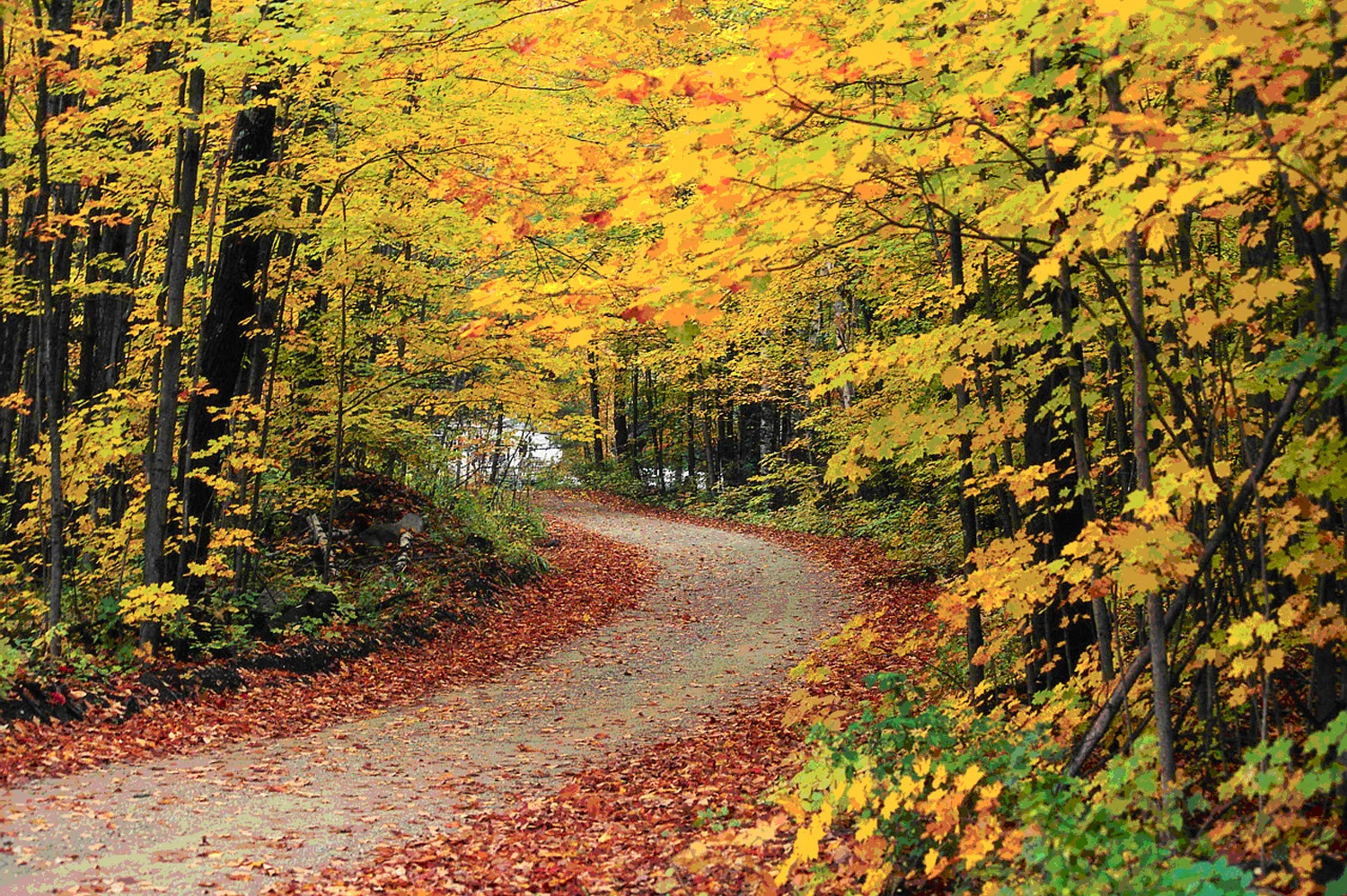
A gravel road under yellow fall leaves at Hapgood Pond, Vermont
What We Do

What Cavmir Builds for Vermont Rentals

Website design

A site with your own name and domain that says which town you are in, what is near the house and which weeks it suits, with a page for the lake, the mountain or the village guests ask about. It is written around what travelers search before a Vermont trip, so it can be found, not only admired.

Direct-booking websites

Guests who first found you on Airbnb or Vrbo can come back and book on your own site, with live dates and a checkout tied to your property management system. A direct stay carries no platform guest fee, and the returning guest is yours to email next year. In Vermont a direct stay also makes you the one who collects the rooms tax, so we build the tax account number the state asks for into the property pages (the rules are below).

Branding

A property name, logo and visual identity, so a cabin off a dirt road is remembered by its name and not by a listing number. The same identity carries from the website to your social accounts, signs and welcome book.

SEO

Pages that answer what people search when they plan a Vermont stay: leaf-peeping weekends, slope-side lodging, a lake house for a family reunion. Clear pages, structured data and fast load times make the site easy for Google and AI assistants to read.

Marketing

Monthly plans add new pages, search work and reports, and the higher plans also cover social media and a guest email each month. We time that work to the Vermont seasons below rather than to a fixed monthly script.

Demand Through the Year

The Vermont Year for a Rental

Foliage

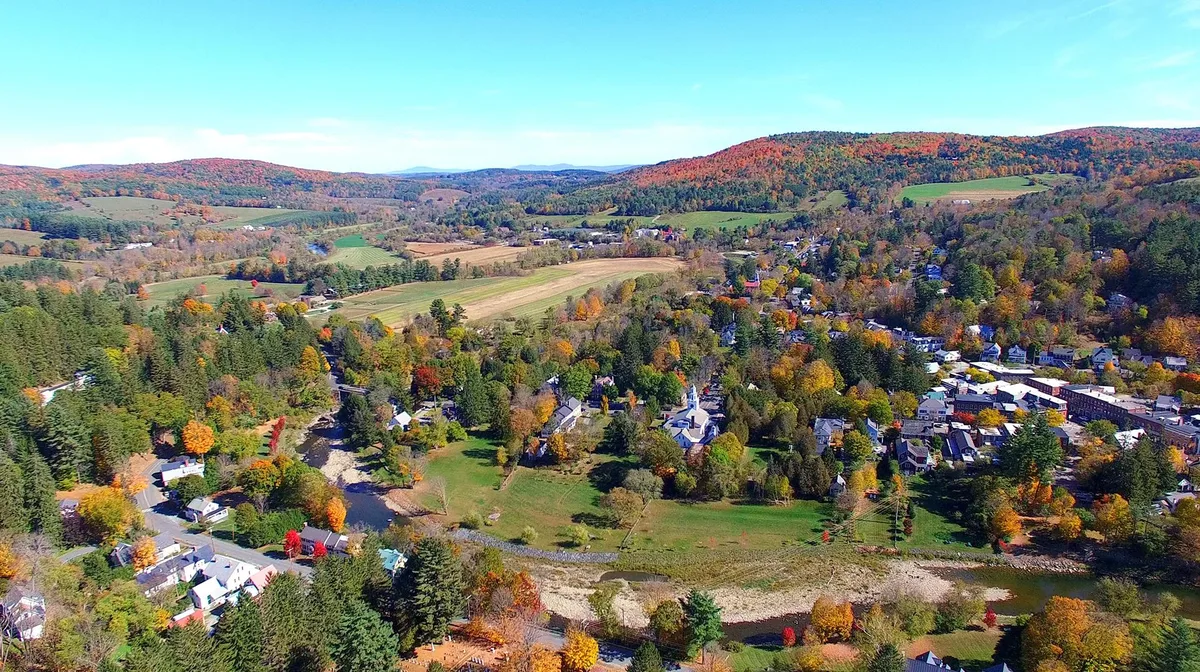
The state's tourism department places peak color in the final week of September and the opening week of October, with color reaching the mountain peaks first and then moving down into the valleys. With 78% of the state forested, fall color is rarely far from a Vermont rental. Say on your site which weeks your own view usually turns, since that depends on your elevation.

Source: Vermont Department of Tourism, foliage.

Stick season

Vermonters call the stretch between leaf drop and the first snow stick season. It is quieter, and it is also hunting season, so a rental near trails should tell guests to wear orange and stay on marked paths.

Source: Vermont Department of Tourism, stick season.

Winter

Ski resorts, cross-country trails and more than 5,000 miles of maintained snowmobile trails bring the winter guests. Holiday weeks and school-break weeks deserve their own page, their own rate and their own minimum stay.

Source: Vermont Department of Tourism, winter.

Maple season

Mid-March through April is sugaring time, when about 3,500 sugar makers boil sap across the state and Vermont leads the country in maple. Sugarhouse visits and spring skiing give a spring listing something real to talk about.

Source: Vermont Department of Tourism, maple season.

Summer

More than 800 lakes, Lake Champlain along the western border, five summits above 4,000 feet and the 95-mile rail trail across the state are what summer guests look for: families at the lake, hikers, cyclists.

Sources: Vermont Department of Tourism, summer, rail trail.

Each season brings its own guests and its own searches. We publish a Vermont site's foliage page in summer and its ski page before the first snow, so both are indexed before guests start looking.

State and Town Rules

Vermont Rules for Short-Term Rental Owners

Rooms tax and the short-term rental surcharge

Vermont charges a 9% rooms tax on short stays. Since August 1, 2024, short-term rentals also owe a 3% surcharge, created by Act 183 of 2024, and some towns add a 1% local option tax. Under state rules, a furnished home or room is a short-term rental if guests stay under 30 days in a row and it rents for over 14 days a year. Cleaning charges are part of the taxable rent.

Sources: Vermont Department of Taxes, short-term rentals, fact sheet FS-1021.

Platform stays and stays you book yourself

When a guest books through an online platform, Vermont law makes the platform collect and remit the rooms tax, any local option tax and the surcharge. Stays you book yourself work differently: you open a free account with the Department of Taxes, then charge, file and pay the tax on those stays yourself. Anyone paying the surcharge files and pays online through myVTax, and rental income still goes on your Vermont income tax return.

Source: Vermont Department of Taxes, short-term rentals.

Every short-term rental ad in Vermont has had to show a meals and rooms tax account number since July 1, 2018. A listing on Airbnb or another platform that handles the tax may show that platform's number; a rental you advertise yourself shows your own.

Source: Vermont Department of Taxes, Act 10 notice.

Fire and life safety

Short-term rentals come under the Vermont Division of Fire Safety, and meeting the code is the owner's job. A home rented to eight guests or fewer uses the state's short-term rental checklist, with a copy left in the rental where guests can see it. Sleeping more than eight takes a change-of-use inspection and the division's approval first. The division's quick-start list includes smoke alarms in each bedroom, near the bedrooms and on every floor including the basement; carbon monoxide alarms just outside the sleeping areas and on each occupied floor; a second way out of every bedroom; and fuel and wood heating systems inspected at least once every two years. If guests may use a wood stove or fireplace, leave written instructions and a metal ash bin with a lid.

Source: Vermont Division of Fire Safety, short-term rentals.

Posted contacts and licenses

Inside each unit, post a phone number for the person responsible for the rental and contact details for the Vermont Department of Health and the Division of Fire Safety. The self-certification form stays at the property; it is not filed with the state. A Health Department lodging license is not needed for fewer than three units when no prepared food is served.

Sources: safety, health and financial obligations form, Vermont Department of Health.

Town rules

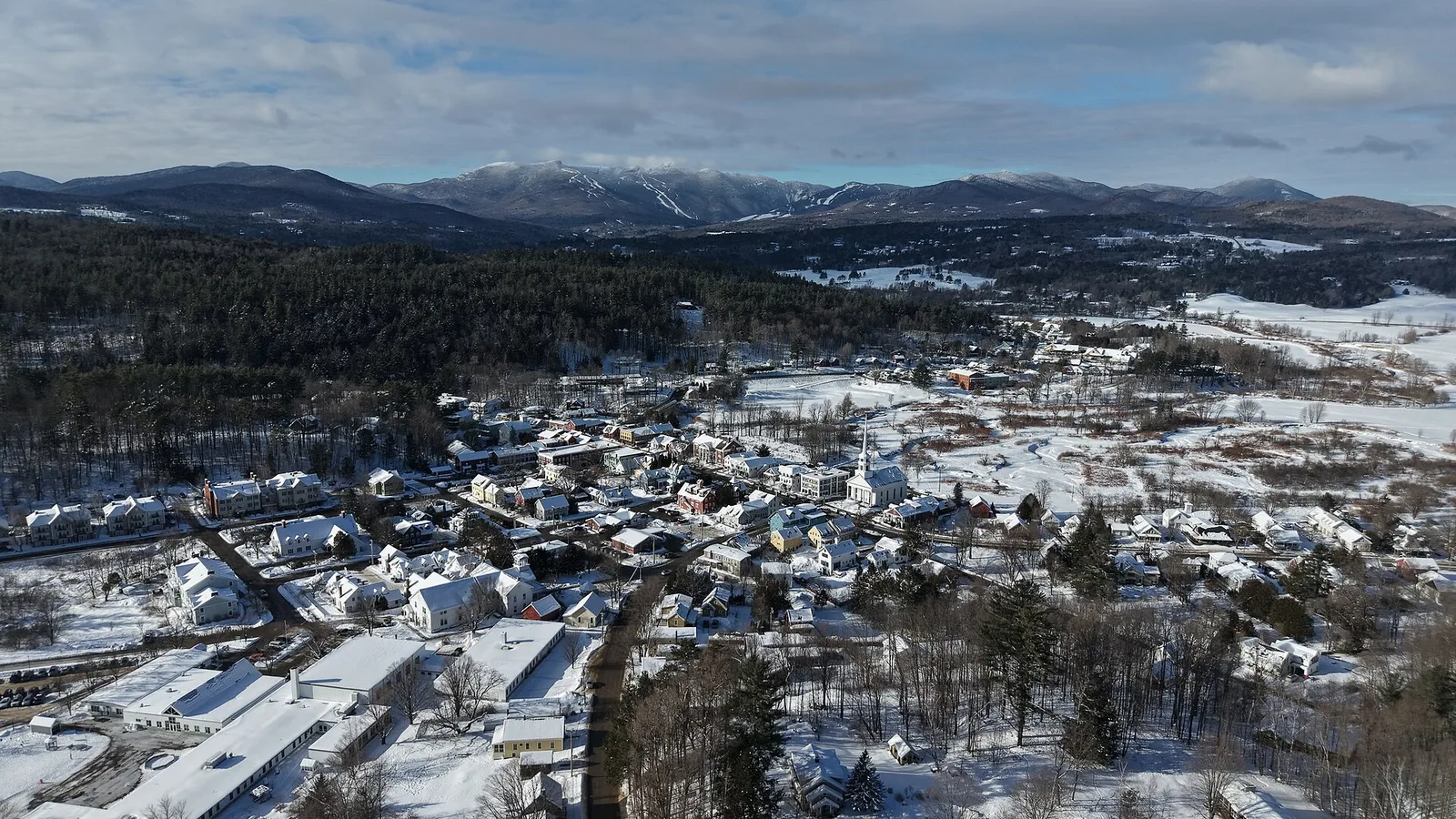
Towns can add their own layer. Stowe requires each short-term rental to register with the town for a $100 fee, print the registration number in every ad, name a responsible person who can arrive within 45 minutes when the fire or police department calls, and give the fire department year-round, 24-hour access. The town's page says new licenses will next be offered through a lottery in July 2027. Ask your own town office before you list; our town pages below have local notes.

Source: Town of Stowe, short-term rental registration.

Read on November 27, 2026. This is a summary to help you plan your marketing, not tax or legal advice: the linked pages are the rules, and your accountant or attorney can tell you how they apply to your property.

Vermont Towns

Cavmir Pages for Vermont Towns

Five towns have a page of their own, each with its local guests, seasons and rules.

Associations

Vermont Short Term Rental Alliance

Cavmir became an Affiliate Partner of VTSTRA in November 2026.

VTSTRA is a member-based nonprofit for Vermont's vacation rental owners and managers. Its stated mission rests on data-driven advocacy, work with state and town government and professional education for hosts, and it keeps an STR Service Directory of businesses that serve rental owners.

FAQ

Questions from Vermont Rental Owners

Do I collect Vermont rooms tax on Airbnb bookings?

No. For stays booked through an online platform such as Airbnb, Vermont makes the platform collect and remit the rooms tax, the short-term rental surcharge and any local option tax. You collect them yourself only on stays booked off the platform, such as through your own website. The rental income still goes on your Vermont income tax return. Read the source.

What is the Vermont short-term rental surcharge?

A 3% charge on short-term rental rent, in force since August 1, 2024 under Act 183 of 2024. It is added to the 9% rooms tax and any 1% local option tax, and it is reported on Form MRT-441 through myVTax. Read the source.

Does my Vermont rental need a lodging license?

Not from the Vermont Department of Health when you offer fewer than three units and serve no prepared food. The rental still has to meet the Division of Fire Safety rules, and some towns, Stowe among them, ask for their own registration. Read the source.

How many guests can a Vermont short-term rental sleep?

A single dwelling unit is limited to eight guests unless the Division of Fire Safety approves more. Going above eight takes a change-of-use inspection, any fixes it calls for and the division’s final sign-off. Read the source.

Do I need to register my rental with my town?

It depends on the town. Some Vermont towns add their own rules: Stowe, for one, runs a registry with a $100 fee per rental, and each ad must carry the number the town assigns. Ask your town office before you list. Read the source.

What does Cavmir do for Vermont rental owners?

Website design first, then direct-booking sites, brand identity, SEO and monthly marketing: the site guests book on, the name they remember and the search pages that bring them back for foliage, ski and summer dates. We market rentals; we don’t manage them.

Vermont Owners

Talk to Cavmir About Your Vermont Rental

Book a Free Strategy Call

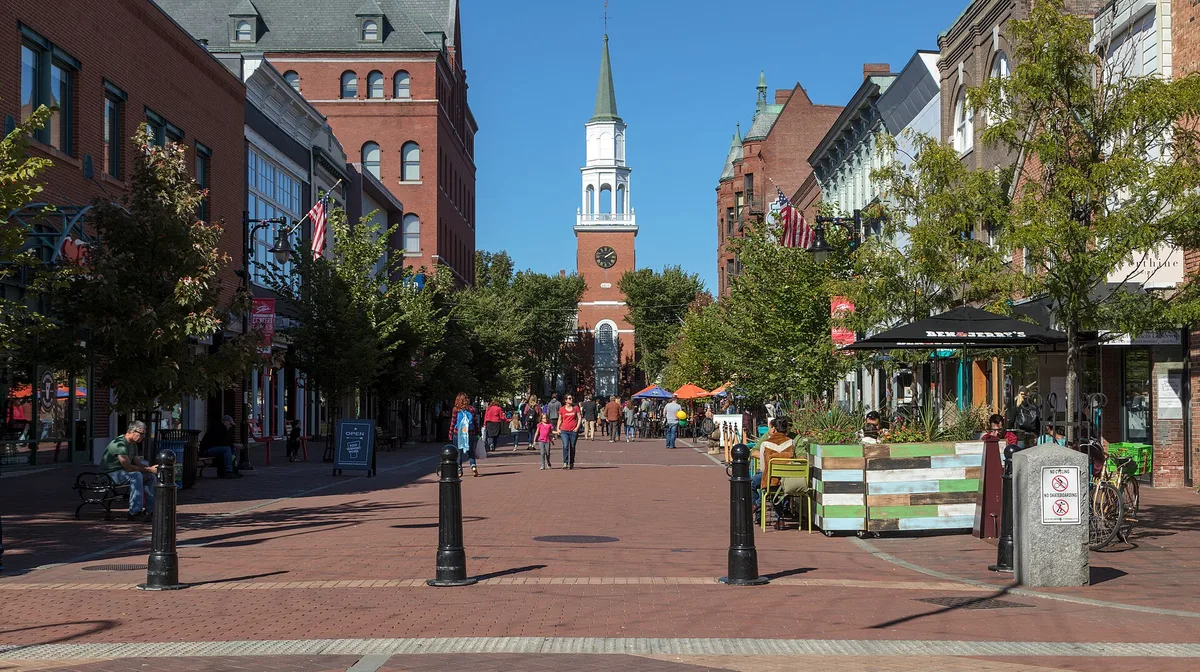
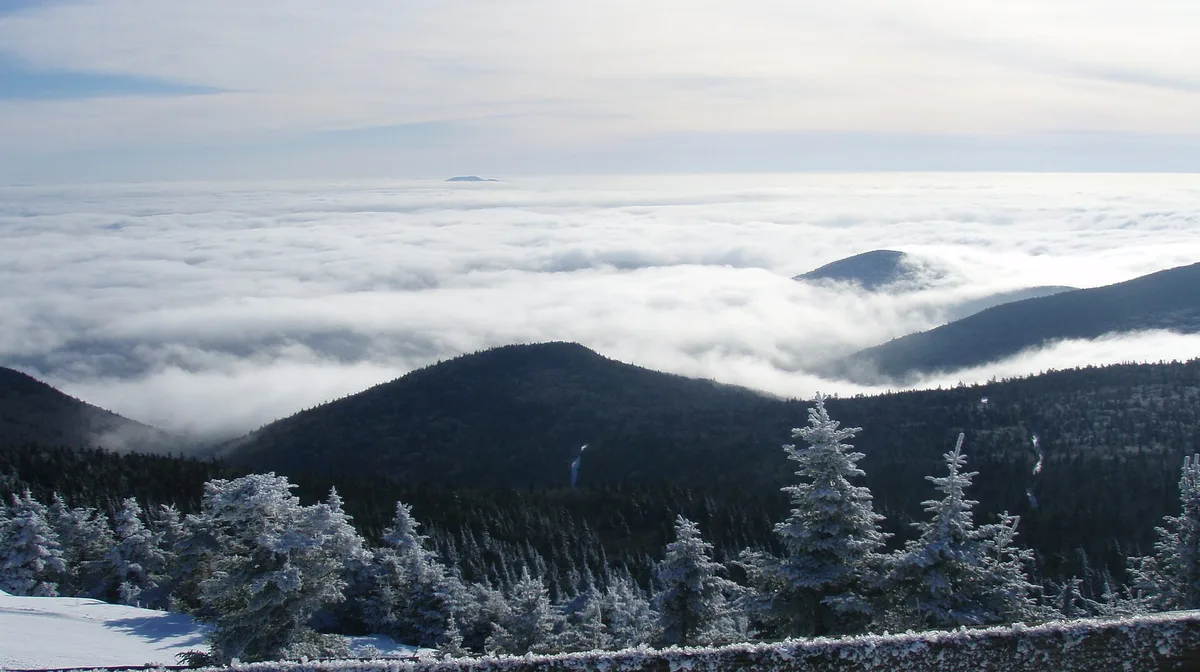
Photography via Wikimedia Commons (images resized and cropped): Fall scene in Vermont by Carol M. Highsmith (public domain) · Hapgood Pond - Flickr - USDAgov by U.S. Department of Agriculture (public domain) · View of the Burlington Marketplace 2017-10-01 by Carol M. Highsmith (public domain) · Stowe VT 1-30-2026a by Ascended Dreamer (CC BY-SA 4.0) · View from Killington Peak by NHRHS2010 (CC BY-SA 3.0) · Woodstock foliage1920 by Jsbillin (CC BY-SA 4.0) · Hildene manchester vermont 2006 by Rolf Müller (CC BY-SA 3.0).